Main Courses
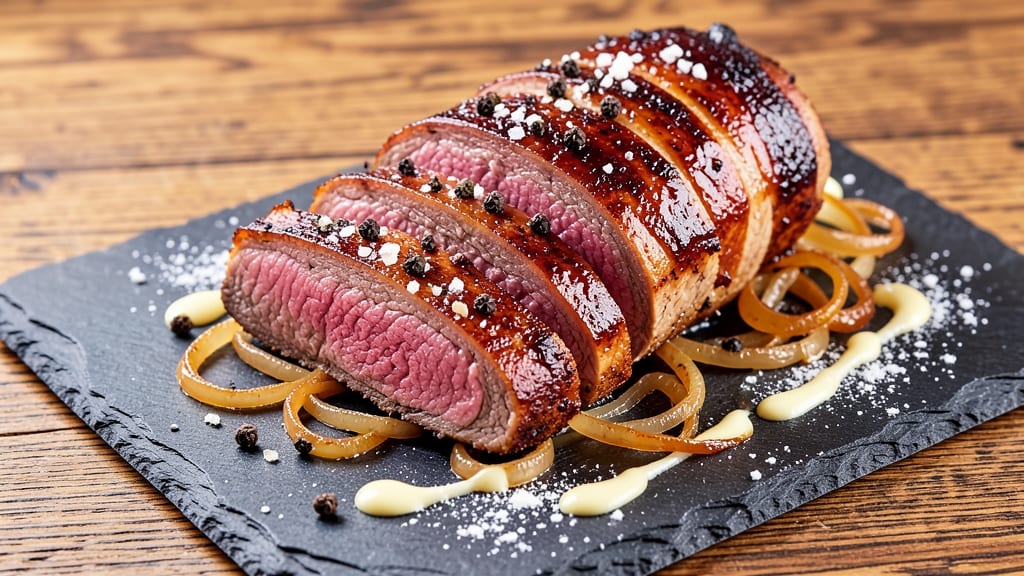
This beef ball tip roast recipe transforms a tough cut into fork-tender luxury through slow braising and precise technique. 🔥 The secret lies in dry-brining overnight and searing before braising—this creates a flavorful crust while melting the connective tissue into rich, buttery juices.
What starts as a modest roast becomes a showstopping centerpiece that pairs perfectly with mashed potatoes or roasted vegetables.
The process begins with a simple dry brine that enhances natural flavors, followed by a high-heat sear to develop a caramelized crust. Then, it braises slowly in a flavorful liquid until the meat practically falls apart.
This method ensures restaurant-quality tenderness without requiring special equipment—just patience and attention to temperature. The result is a dish that feels indulgent yet delivers on simplicity.
By the time you serve this roast, every bite will be buttery, melt-in-your-mouth perfection, with a rich au jus that elevates the plate. The slow cooking process infuses the meat with deep, savory notes, while the crispy edges add textural contrast.
This is the kind of dish that turns a family dinner into a memorable feast—elegant enough for company but straightforward enough for weeknights.
Serve with classic sides like creamy mashed potatoes or roasted root vegetables to complete the meal. The leftovers reheat beautifully, making this recipe ideal for meal prep or hosting. Here’s how to achieve luxurious tenderness every time.
Ingredients for beef ball tip roast
Four pounds of beef ball tip transforms into luxurious, melt-in-your-mouth perfection through precise technique.
| Ingredient | Amount | Notes |
|---|---|---|
| Beef Ball Tip Roast 🥩 | 4 lb | Center-cut for even cooking |
| Kosher Salt 🧂 | 1 ½ tbsp | Diamond Crystal preferred |
| Freshly Ground Black Pepper 🌶️ | 1 tbsp | Coarsely cracked |
| All-Purpose Flour 🌾 | 1 tbsp | For dredging sear |
| Unsalted Butter 🧈 | ½ cup | Cold, cut into chunks |
| Yellow Onion 🧅 | 1 whole | Peeled, halved lengthwise |
| Garlic Cloves 🧄 | 6 cloves | Peeled, smashed |
| Fresh Thyme Sprigs 🌿 | 4 sprigs | Stems removed |
| Fresh Rosemary Sprigs 🌿 | 2 sprigs | Needles only |
| Dry Red Wine 🍷 | 1 cup | Bold Cabernet Sauvignon |
| Beef Broth 💧 | 2 cups | Low-sodium preferred |
| Tomato Paste 🍅 | 2 tbsp | Squeeze tube preferred |
| Bay Leaves 🌿 | 2 whole | Dried, standard size |
| Fresh Parsley 🌿 | ¼ cup | Chopped, for garnish |
The beef ball tip is the star here—center-cut roasts cook more evenly, so ask your butcher for the best section. Costco or Whole Foods typically carry high-quality cuts, but any reputable grocery store's meat department will work. Look for good marbling and a bright red color. The kosher salt is non-negotiable: Diamond Crystal dissolves better than table salt, creating a superior dry brine. Fresh herbs matter too—Trader Joe's often has affordable bundles of thyme and rosemary that stay vibrant longer than the grocery store's sad plastic containers.
No red wine? Substitute with beef broth plus 1 tbsp balsamic vinegar—it mimics the depth. Fresh herbs unavailable? Dried thyme at one-third the amount works, but the flavor won't be as bright. The tomato paste can be skipped entirely if you're avoiding it, but it adds that umami richness. For the sear, flour is essential—it creates that perfect crust. If you're concerned about gluten, use cornstarch instead. The bay leaves should be standard size—no tiny crumbles that disappear into the sauce.
This roast reheats beautifully—better the next day as flavors meld. Store leftovers in the fridge for 4-5 days or freeze for up to 3 months. I always portion mine into individual containers before freezing so I can grab exactly what I need. The au jus can be reduced further for a thicker sauce if you prefer—simmer uncovered for 10-15 minutes. Garnish with fresh parsley right before serving to keep it vibrant.
Why You'll Love This Recipe
- No-Fuss Prep: I swear, this takes less time than debating what to order for takeout. Just season the roast with salt and pepper, toss it in flour, and sear it in butter—no fancy techniques, no stress.
- Butter-Seared Magic: That golden crust from the butter? It’s everything. The flour creates a crispy shell while keeping the inside tender—like a hug from your favorite comfort food.
- Leftovers That Shine: Between us, this roast is so good the second night feels like a treat. Slice it thin for sandwiches or toss it into pasta—it’s the kind of leftovers that make you grateful for meal prep.
- Budget-Friendly Feast: A whole roast feeds a crowd without breaking the bank. Honestly, it’s the kind of deal that makes me question why I ever bought expensive cuts—same satisfaction, way more bang for your buck.
Step-by-step instructions for slow-braised beef ball tip roast
This method transforms tough beef into melt-in-your-mouth perfection through precise timing and technique.
🔥 Step 1: Sear the Roast for Deep Flavor
Pat the 4 lb beef ball tip roast completely dry with paper towels—this ensures maximum browning. Heat a Dutch oven over medium-high heat until very hot, then add just enough oil to coat the bottom lightly. Place the roast fat-side down and sear for 3-4 minutes until deeply browned.
Flip the roast and sprinkle evenly with 1 tbsp all-purpose flour, shaking off any excess. Press the flour into the surface to create a crust. Sear the other side for another 3-4 minutes until golden brown. Remove the roast and set aside—this initial sear builds the foundation for rich flavor in the finished dish.
👨🍳 Step 2: Build the Aromatic Base
In the same Dutch oven, add 0.5 cup cold unsalted butter cut into chunks and let it melt completely over medium heat. Add the halved yellow onion and 6 smashed garlic cloves, cooking for 5-6 minutes until softened and golden. Stir in 4 thyme sprigs and 2 rosemary sprigs, allowing the herbs to infuse the butter.
Here's where the magic happens: Add 2 tbsp tomato paste and cook for 1 minute until it darkens slightly. This creates a flavorful paste that will thicken your braising liquid. Pour in 1 cup dry red wine and scrape up any browned bits from the bottom—this deglazing captures all the flavor you've built.
🥘 Step 3: Braise Until Fork-Tender
Return the seared roast to the Dutch oven along with 2 cups beef broth and 2 bay leaves. Bring to a gentle simmer over low heat, then cover tightly and transfer to a 300°F oven. Braise for 3-3.5 hours until the meat is fork-tender and the juices run clear when pierced.
The key is patience—this slow cooking breaks down connective tissue while infusing the meat with rich, herby flavors. I check the internal temperature periodically using a meat thermometer; it should reach 200-205°F for maximum tenderness. If the liquid reduces too much, add a splash of water or broth to maintain moisture.
⏰ Step 4: Rest and Garnish for Presentation
Remove the roast from the oven and transfer it to a cutting board. Tent loosely with foil and let rest for 15-20 minutes—this crucial step allows juices to redistribute throughout the meat. Skim any excess fat from the braising liquid and strain if you prefer a smooth sauce.
Before serving, garnish with 0.25 cup chopped fresh parsley and spoon the flavorful braising liquid over the top. The finished roast should slice effortlessly with a knife, revealing moist, tender meat with a beautiful mahogany crust. Serve with crusty bread to soak up every delicious drop of the sauce.
Pro Tips For Making Beef Ball Tip Roast
- Pat the Roast Dry: I learned this the hard way—wet beef sticks to the pan like glue, and you’ll end up with sad, uneven browning instead of that golden crust. Grab paper towels and really dry it off before searing, especially around the edges where the fat collects.
- Salt It Generously: Don’t be shy with the kosher salt—this cut needs it, especially if you’re using unsalted butter later. Sprinkle it on all sides at least 30 minutes before cooking (or overnight if you’re planning ahead), and don’t forget the crevices.
- Sear in Batches: High heat is your friend, but crowding the pan will steam the meat instead of browning it. Work in two rounds if needed—let the first side get a deep crust before adding more. (Yes, even if you’re impatient like me.)
- Rest Before Slicing: This isn’t the prettiest method, but it’s the tastiest: after roasting, tent the beef with foil and let it sit for 10–15 minutes. Skipping this step means dry, stringy slices—your future self will thank you.
Serving suggestions for this beef ball tip roast
Classic Comfort Sides
Creamy mashed potatoes take center stage as the perfect partner for this rich roast. Use Yukon Gold potatoes boiled until tender, then mashed with ½ cup unsalted butter, ½ cup warm whole milk, and a pinch of salt.
For extra decadence, fold in ¼ cup sour cream and top with crispy browned butter flakes. The buttery texture contrasts beautifully with the tender beef. 🥔
Roasted carrots and parsnips add natural sweetness and vibrant color. Toss 2 lbs mixed vegetables with 2 tbsp olive oil, 1 tsp brown sugar, ½ tsp thyme, and salt.
Roast at 400°F for 25-30 minutes until caramelized. Their earthy flavors complement the wine-infused roast without overpowering it.
Elegant Garnishes
Fresh parsley isn't just for garnish—it brightens the plate with its fresh aroma. Chop ¼ cup parsley finely and sprinkle over sliced roast just before serving.
For a pop of color, add thinly sliced radishes or watercress around the meat. These herbs elevate the presentation while adding freshness to each bite.
Sauce Enhancements
Strain the braising liquid for a smooth au jus or leave it chunky for rustic appeal. For extra richness, whisk in 1 tbsp cold butter at the end—this creates a silky finish.
Serve the sauce in a small gravy boat alongside the roast so guests can drizzle to taste. A sprinkle of crispy fried shallots adds texture and visual appeal.
Bread Pairings
Crusty baguette slices toasted with garlic butter are ideal for soaking up the au jus. For a heartier option, serve sourdough dinner rolls with a herb butter spread. The bread's texture contrasts perfectly with the tender beef, making every bite more satisfying.
Warm the bread in the oven for 5 minutes at 350°F to keep it fresh.
Vegetable Alternatives
For a lighter option, serve roasted Brussels sprouts with balsamic glaze. Toss 1 lb halved sprouts with 2 tbsp olive oil, 1 tsp maple syrup, and salt, then roast at 425°F for 20 minutes.
Their caramelized edges balance the richness of the roast. Another great choice is sautéed green beans with almonds and lemon zest for brightness.
Nutrition facts
Frequently asked questions
Can I substitute another cut of beef for the ball tip roast?
While ball tip roast is ideal for its tenderness when slow-braised, you can substitute with chuck roast or short ribs—both have similar connective tissue that breaks down beautifully. Avoid lean cuts like sirloin, as they won’t become fork-tender with the same method. Adjust cooking time if using a different cut, checking for 200-205°F internal temperature.
How do I know when the roast is done?
Use a meat thermometer to check for 200-205°F—this ensures maximum tenderness. The meat should also pull apart easily with a fork and have clear juices when pierced. If the liquid reduces too quickly, add a splash of broth to keep the roast moist during braising.
Can I make this recipe in a slow cooker?
Yes! Sear the roast first, then transfer it to a slow cooker with all braising ingredients. Cook on low for 8-10 hours or high for 5-6 hours, until fork-tender. The slow cooker method is even more hands-off, making it perfect for busy weeknights.
What’s the best way to reheat leftovers?
Slice the roast and reheat in a skillet with a splash of beef broth over low heat for 5-7 minutes to keep it moist. Alternatively, warm slices in the oven at 300°F for 10-15 minutes. Avoid microwaving—it dries out the meat. Leftovers reheat beautifully and taste even better the next day!
Why does my roast turn out tough?
Overcooking or skipping the rest time are common culprits. Always let the roast rest for 15-20 minutes after cooking to redistribute juices. Also, ensure the internal temperature reaches 200-205°F—not higher—to break down connective tissue without drying the meat.