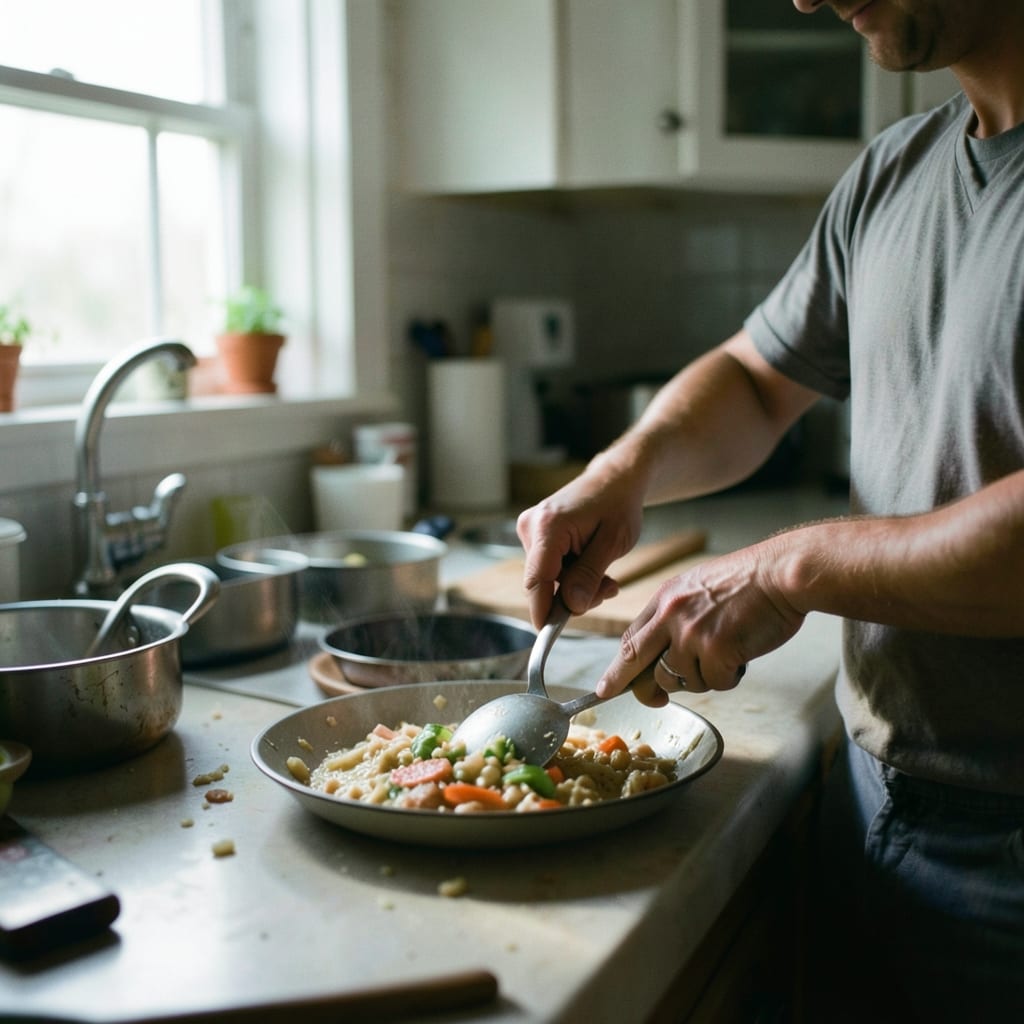
Why I started Beef Recipes Roast
It was a Sunday afternoon at my abuela’s house, and I was supposed to be helping her make her famous *arrachera*—the kind that falls apart with every bite. Instead, I burned the garlic. Not just a little charred, mind you: the whole pan smelled like a campfire. She didn’t yell.
She just handed me the butter knife and said, *'Mira, mijo, if you don’t know when to stop stirring, you’ll never know when to start tasting.'* That’s when I realized most recipes I’d seen online were missing the *why*.
So I started writing them down—not just the steps, but the stories, the shortcuts, the things people don’t tell you. Like how a good *asado* isn’t just about the meat; it’s about the smoke, the conversation, the way the dog steals a piece when no one’s looking.
This site is for anyone who’s ever stood in a kitchen wondering if they’re doing it right. Or if it even matters.
Meet the founder
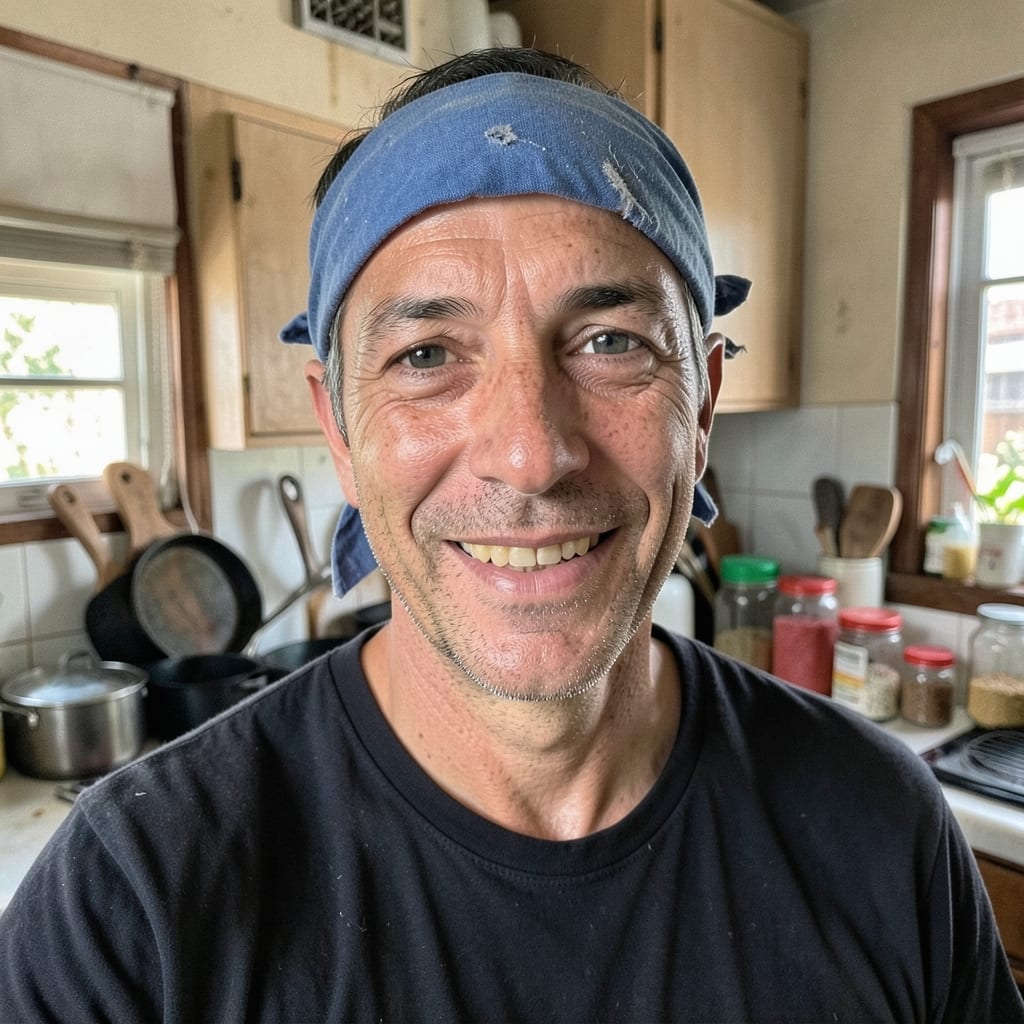
My abuela’s kitchen was where I learned the difference between a *salsa roja* that sings and one that just fills the room with smoke. She’d let me ‘help’ by mashing avocados with my hands—until I realized I was making guacamole *and* a mess.
That’s when she showed me the trick: salt first, then the lime, or the avocado turns to soup. Little things like that stuck with me.
Like how a *birria* needs to simmer until the broth is so rich it coats your spoon like honey, or how overcooking a *churrasco* faster than a griddle can handle it ruins everything.
I still have the wooden spoon she used to stir her *pozole*—the handle’s splintered from years of stirring, but I keep it on my counter. It’s the one tool I trust more than any gadget.
The first time I tried to use a thermometer for her *cochinita pibil*, she laughed and said, *'The pit knows when it’s done.'* (She was right.) Now, I balance old-school instincts with modern shortcuts—like using a meat thermometer for the *roast*, but still tasting the juices like she taught me.
The failure that changed everything was the time I tried to make *tacos al pastor* without resting the meat. It was tough as a boot sole. After that, I swore I’d never rush a dish again.
Now, every recipe here has a ‘let it rest’ note—because even the best cuts need time to tell their story.
I have a habit no one’s ever noticed: I hum while I cook. Not just any humming—it’s the melody from the *corridos* my abuelo used to play on his old radio. It’s a bad habit, I know, but it keeps the rhythm steady.
And if the sauce isn’t coming together right? That’s when I hum louder.
Meet the mascot

The mascot started as a doodle on a napkin at a café in Oaxaca, where I’d gone to hunt down the perfect *mole negro*. The first scribble looked like a cow with too many legs and a hat that kept falling off.
I was laughing so hard the waitress asked if I was drawing my abuela’s *chivo*—the goat she used to roast for holidays. That’s when I knew: it had to be a goat, not a cow. Goats are stubborn, just like the best recipes.
The proper drawn version came later, on a sketchpad at my kitchen table. I added the apron strings (because every good cook has a story tied to their apron) and the spatula—twisted, like it’s been through a fight.
The goat’s face got sharper, too, because I wanted it to look like it’s judging you if you don’t season your meat properly. (It does.)
To simplify it for the browser tab, I had to lose the café’s chipped mug in the background and the goat’s ‘attitude’ frown. But I kept the apron strings and the spatula’s twist—because those remind me that cooking is equal parts chaos and control.
Now, it’s just *Roast*, the goat who’s always watching.
What I promise you
You’ll never find a recipe here that doesn’t work—or that I haven’t tested at least three times. If I say ‘sear until deeply browned,’ I mean it. If I say ‘let it rest,’ I’ve learned the hard way why that matters.
What you can hold me to
- Every ingredient is measured in what you’ll actually use—not some ‘approximate’ nonsense.
- If a dish needs resting, I’ll tell you exactly how long (and why cutting that short ruins it).
- No recipe here is ‘inspired by’ something vague. If it’s adapted, I’ll say so—and how.
- The stories aren’t just fluff. They’re the reason the dish works (or why it almost didn’t).
How I create a recipe
A recipe starts with a question: *What’s missing?* Sometimes it’s a technique I’ve never tried (like reverse-searing a *ribeye*), other times it’s a dish I’ve eaten that I can’t stop thinking about (my abuela’s *barbacoa* that had me licking the plate).
I never start with a blank page—I start with a memory, a flavor, or a failure.
The first cut: hands and heat
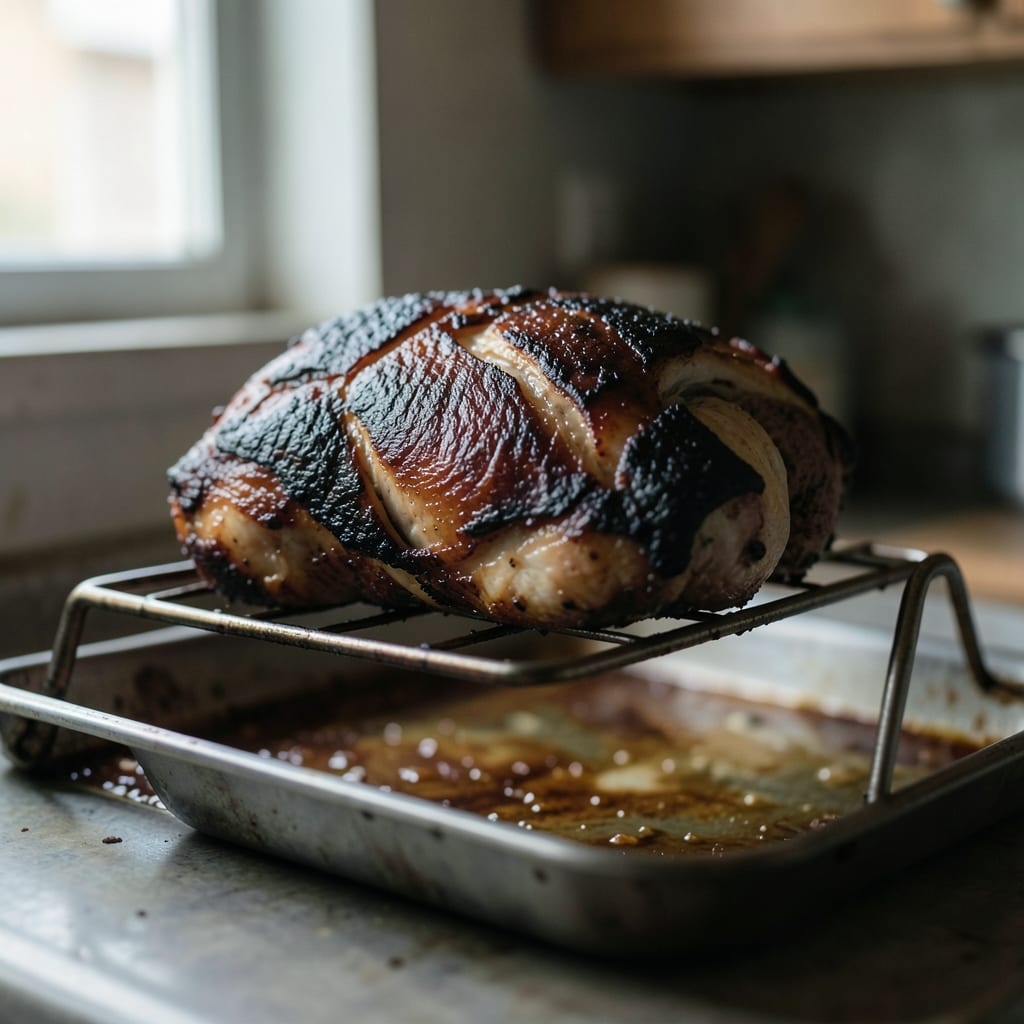
The first stage is always about control. For a *roast*, that means a hot pan, a sharp knife, and a timer that’s set before the meat hits the heat. I sear each side until it’s dark brown—almost black in spots—and the fat renders like rain.
If the pan isn’t smoking, I walk away and let it get hotter. No rush. The goal isn’t just color; it’s flavor. A good sear locks in the juices and builds the crust that’ll hold everything together.
I watch for two things: the way the meat sizzles changes (from a loud crackle to a softer hiss) and the color of the fat. If it’s pale, I keep cooking.
If it’s golden and bubbling, that’s when I start building the layers—onions first, then garlic, then whatever else the recipe demands. And if the meat moves too much? That’s when I know I need to cut it thinner next time.
The fix: patience and layers
After the initial sear, the real work begins. For a *stew*, that’s deglazing the pan with vinegar or beer, scraping up every last bit of flavor. For a *grill*, it’s letting the meat rest while the coals settle.
I never skip the ‘off-heat’ time—even if it means the kitchen gets quiet. That’s when the juices redistribute, and the dish goes from *good* to *unforgettable*.
The fix is always the same: time and layers. If the sauce is too thin, I reduce it. If the meat is tough, I add more liquid and let it braise. And if the flavors aren’t singing?
That’s when I taste as I go, adjusting salt or acid until it’s right. No guesswork. Just watching, waiting, and trusting the process—just like my abuela always said.
How a page gets onto this site
While the dish is still warm, I jot down everything: the times, the temperatures, the little things that almost went wrong. Then I let it sit for a day. The next morning, I read it like I’m seeing it for the first time. What’s missing? What’s confusing?
What would *I* want to know if I were standing here for the first time? That’s when I cut the fluff and keep only what matters.
Some pages get rewritten months later—after I’ve made the dish five times, or after someone writes to say it didn’t work. That’s how I know it’s ready. A recipe isn’t done until it’s been tested by someone who isn’t me. And if it still doesn’t work? I’ll say so.
Honesty beats perfection every time.
Write to me
I love hearing about the dishes you’ve made—or the ones you’ve ruined (we all have a story). Tell me what worked, what didn’t, or what you’d change. And if you’ve got a recipe that’s been in your family for generations, I’d love to hear about it.
The contact page is where to send it.
Thanks for trusting me with your kitchen. Now go cook something.
The recipes are grouped by category: Appetizers, Beverages, Breakfast & Brunch, Desserts, Main Courses and Reviews.