
Main Courses
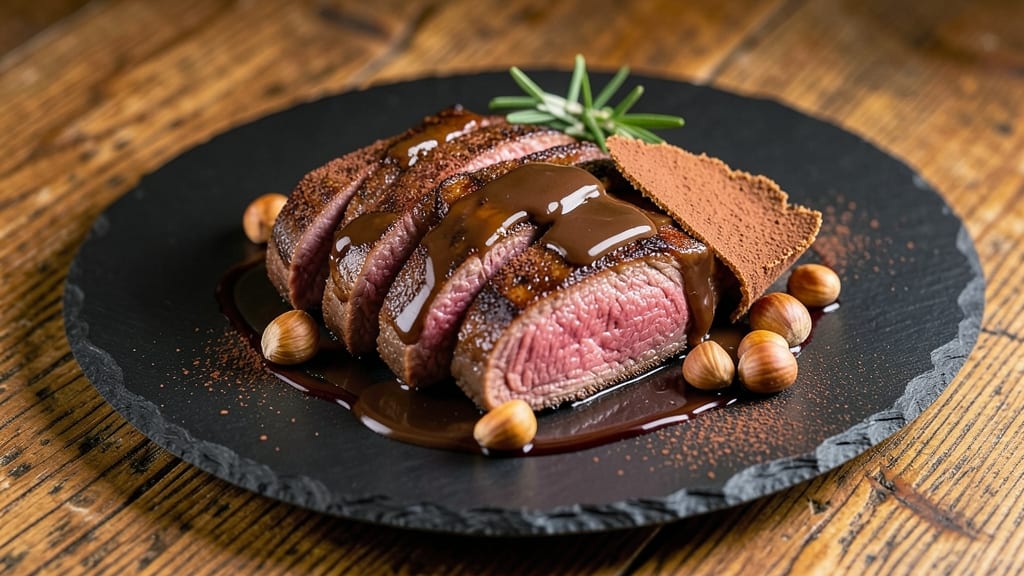
This beef and chocolate recipe redefines indulgence by marrying savory and sweet in a way that feels both luxurious and surprisingly balanced. 🌟 The secret lies in a silky dark chocolate ganache that transforms simple beef into a dish worthy of a fine-dining table—without sacrificing the bold flavors of the meat.
I developed this after years of experimenting with chocolate-beef pairings, and the result is a technique that delivers deep, complex flavors while keeping the cooking process straightforward.
The foundation of this dish is perfectly seared beef—whether it's tender filet mignon or rich beef short ribs—coated in a spiced cocoa powder rub that enhances the natural richness of the meat.
While the beef rests, a velvety dark chocolate ganache comes together with just three ingredients: high-quality chocolate, heavy cream, and a touch of red wine for depth.
The ganache isn't overpowering; instead, it complements the beef's natural sweetness and umami notes, creating a harmonious balance that feels both unexpected and entirely right.
What you'll end up with is a dish that looks as impressive as it tastes—beef slices glistening with a glossy chocolate glaze, served alongside roasted root vegetables or a bed of creamy mashed potatoes.
The contrast between the warm, spiced beef and the cool, velvety ganache creates a sensory experience that's both sophisticated and deeply satisfying. This isn't just dessert for dinner; it's a main course that redefines what beef can be.
The best part? This recipe scales effortlessly, whether you're cooking for two or hosting a dinner party. The ganache can be made ahead, and the beef can be prepped in advance, so all you need to do is sear and serve.
Here's how to bring this unexpected pairing to life—your taste buds will thank you.
Ingredients for beef and chocolate
Fourteen ingredients for a dish that balances rich beef with velvety chocolate ganache.
| Ingredient | Amount | Notes |
|---|---|---|
| Beef Filet Mignon 🥩 | 1 ½ lb | Center-cut, 1-inch thick slices |
| Unsalted Butter 🧈 | ½ cup | Cold, cut into cubes |
| Cocoa Powder 🍫 | ¼ cup | High-quality, Dutch-processed |
| Ground Cinnamon 🌿 | 1 tsp | Freshly ground preferred |
| Ground Nutmeg 🌿 | ¼ tsp | Freshly grated for warmth |
| Kosher Salt 🧂 | 1 ½ tsp | Diamond Crystal preferred |
| Freshly Ground Black Pepper 🌶️ | 1 tsp | Coarsely cracked |
| Dark Chocolate Bar 🍫 | 6 oz | 70% cacao, chopped |
| Heavy Whipping Cream 🥛 | ½ cup | Full-fat, cold |
| Dry Red Wine 🍷 | ¼ cup | Cabernet Sauvignon preferred |
| Red Bell Pepper 🌶️ | 1 whole | Roasted, peeled, sliced |
| Yellow Onion 🧅 | 1 whole | Sliced into rings |
| Garlic Cloves 🧄 | 4 cloves | Minced finely |
| Olive Oil 🫒 | 2 tbsp | Extra-virgin for searing |
| Fresh Thyme Leaves 🌿 | ¼ cup | Chopped finely |
The beef is where this dish shines—filet mignon delivers that melt-in-your-mouth texture, but short ribs work beautifully too if you prefer deeper flavor. Look for cuts with good marbling at Whole Foods or your local butcher shop; they’ll often trim it for you. For the cocoa powder, Valrhona or Ghirardelli are worth the splurge—they create that silky ganache texture. If you can’t find them, Hershey’s Special Dark works in a pinch. The dark chocolate? 70% cacao or higher—anything lower will make the ganache taste bitter. I always grab Lindt Excellence at Costco; it’s consistent and affordable.
No filet mignon? Ribeye or sirloin will work—just sear them longer for that perfect crust. Running low on red wine? Beef broth with a splash of balsamic mimics the depth, though the ganache won’t have that same complexity. Fresh thyme is ideal, but dried thyme at one-third the amount gets you close. The roasted bell pepper can be swapped for caramelized onions—same sweetness, different texture. For the cocoa rub, if you’re out of nutmeg, a pinch of allspice works surprisingly well. And if you’re worried about the chocolate ganache being too sweet, trust me—it’s perfectly balanced with the savory beef.
The ganache can be made up to 2 days ahead—just reheat gently before drizzling. Store it in an airtight container with a thin layer of parchment paper over the surface to prevent a skin. The beef rub keeps for 1 week in the fridge, and the roasted veggies reheat beautifully. For a crowd, double the ganache—it’s the star here. I like to portion the ganache into small jars so I can drizzle it directly over the beef at the table. The whole dish reheats well, but the beef tastes best seared fresh—so plan to cook it just before serving.
Why You'll Love This Recipe
- No-Fuss Seared Steak: The filet mignon only needs a quick sear—no fancy prep. Just pat it dry, hit it with butter and cocoa, and let the oven do the rest. That’s what I call a stress-free dinner.
- Rich, Unexpected Twist: Honestly, the cocoa and nutmeg sound wild, but it works—deep, smoky, with a hint of warmth. The butter keeps it luscious, and suddenly, your steak tastes like dessert came to dinner.
- Date Night or Lazy Night: Between us, this is my go-to for when I don’t want to overthink. Fancy enough for a romantic dinner, but still feels like a cozy weeknight meal. (Yes, even on a Tuesday night.)
- Leftovers That Don’t Suck: The rich sauce clings to the beef, so reheating is a breeze—just a quick warm-up. I’ve even sliced it cold for sandwiches the next day. No sad, dry leftovers here.
Step-by-step instructions for beef and chocolate pairing
Here's how to transform rich beef with velvety chocolate ganache—where savory meets decadent.
🔥 Step 1: Sear the Filet Mignon to Perfection
Pat the 1.5 lb beef filet mignon dry with paper towels—this ensures maximum browning. Heat 2 tablespoons olive oil in a heavy skillet over high heat until shimmering. Season both sides generously with 1.5 teaspoons kosher salt and 1 teaspoon freshly ground black pepper.
Place the beef in the pan and sear for 3-4 minutes per side until a deep golden-brown crust forms. For the final 1 minute, press down gently with a spatula to prevent curling. Remove from heat and let rest on a wire rack for 5 minutes—this keeps the juices locked in. The internal temperature should reach 125°F for medium-rare.
👨🍳 Step 2: Build the Chocolate-Garlic Reduction
In the same skillet (no need to clean it—the fond is flavor gold), add 2 tablespoons olive oil and sauté 1 sliced yellow onion and 1 roasted red bell pepper over medium heat for 5 minutes until softened. Add the 4 minced garlic cloves and cook for 30 seconds until fragrant.
Deglaze with 0.25 cup dry red wine, scraping up browned bits, and simmer for 3 minutes until reduced by half. Stir in 0.25 cup cocoa powder, 1 teaspoon ground cinnamon, and 0.25 teaspoon ground nutmeg, whisking constantly to prevent burning. The mixture should thicken into a glossy paste—this is your aromatic base.
🍳 Step 3: Create the Silky Chocolate Ganache
In a separate saucepan, combine 0.5 cup heavy whipping cream and 0.5 cup unsalted butter over low heat. Bring just to a simmer, then pour over 6 oz chopped dark chocolate bar in a heatproof bowl. Let sit for 2 minutes, then whisk until completely smooth and glossy. The ganache should coat the back of a spoon with a satin finish.
Real talk: If it looks too thick, whisk in 1 teaspoon warm water at a time until it reaches a pourable consistency. The ganache should be thick enough to cling to the beef but still ribbon when stirred. Fold in 0.25 cup chopped fresh thyme leaves for a bright herbal note that cuts through the richness.
🥘 Step 4: Assemble the Beef and Chocolate Masterpiece
Slice the rested beef against the grain into 0.5-inch thick portions. Spoon the chocolate-garlic reduction over the sliced beef, then drizzle with the silky ganache. The contrast of warm spices in the reduction with the cool, velvety ganache creates an unexpected harmony.
For presentation, arrange the beef on warm plates, spooning the ganache artistically over the top. Garnish with an extra sprinkle of fresh thyme leaves and a pinch of ground cinnamon. Serve immediately—this dish is all about the temperature contrast between the warm beef and the cool ganache.
Pro Tips For Making Beef And Chocolate
- Sear the Butter First: Melt half the unsalted butter in the pan before adding the filet—this creates a richer, deeper chocolate-butter sauce later. I used to toss everything in raw and ended up with a greasy mess instead of a glossy reduction.
- Use Dutch-Processed Cocoa: Skip the natural cocoa—Dutch-processed dissolves smoother and gives that velvety texture without bitterness. My first attempt with natural cocoa left grainy bits, and the sauce never looked professional.
- Don’t Overcrowd the Pan: Cook the filet in batches if needed—overloading steams the meat instead of searing it. I learned this after serving dry, grayish slices that tasted more like boiled beef than anything else.
- Finish with a Splash of Cream: Stir in 2 tablespoons heavy cream at the end to balance the cocoa’s intensity and loosen the sauce. The recipe might not say it, but this is the move that makes the dish feel restaurant-worthy.
Pro cooking tips for this dish
Precision Searing
For that perfect crust, your pan must be scorchingly hot before adding the beef. I use a cast iron skillet (like my Lodge 10.25-inch) because it retains heat like a dream. Let the oil shimmer for 30 seconds before placing the beef—this ensures a deep caramelization.
A meat thermometer is non-negotiable here; I aim for 125°F internal temp for medium-rare, but pull it at 120°F if you prefer rare. 🔥
Ganache Perfection
The ganache should be smooth as silk, not grainy or separated. I chop the dark chocolate bar into ¼-inch pieces before melting for even heat distribution. If your ganache looks too thick, add warm water 1 tsp at a time—never hot water, or it'll seize.
The ideal consistency is like pourable honey: glossy, thick, and coats the back of a spoon. For extra richness, I fold in 1 tbsp reserved butter at the end.
Spice Balance
The cocoa rub needs subtle warmth, not overpowering sweetness. I always toast my cocoa powder in the dry pan for 30 seconds before adding liquids—this deepens the flavor. For the ganache, ½ tsp cinnamon is plenty; too much can taste cloying.
The nutmeg adds earthy depth without dominating. Taste as you go: the ganache should be chocolate-forward, not spice-forward.
Temperature Control
Never rush the ganache—low heat is key. If you see tiny bubbles forming, you're too hot. The cream should just simmer gently, not boil. For the beef, maintain medium-high heat during searing, but reduce to medium when adding the reduction to prevent burning.
I use a kitchen torch for the final 10 seconds to crisp any drippings on the plate—this adds a restaurant-quality finish. ⏱️
Resting Matters
Skipping the rest is the fastest way to dry beef. Let the filet mignon rest for 5-10 minutes on a wire rack—this lets juices redistribute. For the ganache, if you make it ahead, reheat it gently in a double boiler (never microwave) to preserve its silky texture.
The contrast between warm beef and cool ganache is what makes this dish magical—don't serve them at the same temperature!
Equipment Essentials
You don't need fancy tools, but these make life easier: a high-quality whisk (I love OXO Good Grips) for the ganache, a sharp boning knife (like Victorinox 8-inch) for slicing, and a fine-mesh sieve to strain the reduction if you prefer it ultra-smooth.
For the chocolate, a digital thermometer ensures perfect melting temp (115-120°F). The rest is just technique—no shortcuts here. 💡
Nutrition facts
Frequently asked questions
Why does chocolate work so well with beef?
The magic lies in their shared umami and richness—chocolate contains natural cocoa compounds that enhance beef's savory depth, while the fat in beef intensifies chocolate's flavor. The cocoa powder rub adds warmth that complements the meat's natural sweetness, creating a surprising but harmonious balance.
Can I use milk chocolate instead of dark chocolate?
Not recommended—milk chocolate's sweetness will overpower the beef's savory notes. Stick to 70% cacao or higher dark chocolate for the ganache. For the cocoa rub, Dutch-processed cocoa works best as it's less acidic and blends smoothly with spices.
How do I fix grainy ganache?
Graininess happens when chocolate isn't fully melted. Reheat the mixture over low heat while whisking constantly, or add 1 teaspoon warm water at a time until silky. For extra insurance, chop chocolate into ¼-inch pieces before melting to ensure even heat distribution.
What beef cuts work best for this recipe?
Filet mignon is ideal for its tenderness, but ribeye or sirloin work well too—just sear longer for a good crust. Avoid lean cuts like flank steak as they won't pair as nicely with the rich chocolate. For extra flavor, try short ribs with the same technique.
Can I make this ahead of time?
The ganache can be made 2 days ahead and reheated gently. The cocoa rub keeps for 1 week, and the roasted vegetables reheat beautifully. Just sear the beef fresh before serving—this maintains its perfect texture and temperature contrast with the cool ganache.