
Main Courses
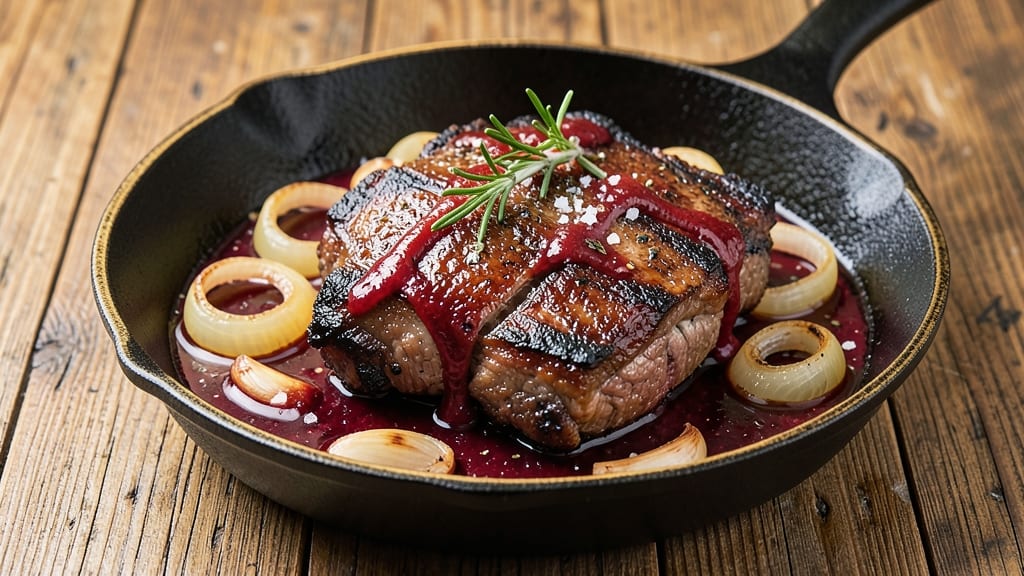
Angus beef short ribs transformed into melt-in-your-mouth tenderness through a deep red wine braise is the kind of dish that turns weeknights into special occasions. This recipe delivers restaurant-quality results with a technique that builds rich, caramelized fond from the beef's natural juices, creating layers of depth that store-bought sauces can't match. The key lies in patience—slow braising breaks down tough connective tissue while the wine reduces into a velvety, aromatic sauce that clings to every bite.
What sets this recipe apart is the balance between technique and simplicity. You'll start with a proper sear to develop flavor, then braise the ribs until they're fork-tender, all while building that magical fond that forms at the bottom of the pot.
The red wine isn't just for flavor—it tenderizes the meat and creates a sauce with perfect acidity to complement the beef's richness. This method transforms what could be a challenging cut into something so tender it practically falls apart.
The result is short ribs with deep red, glossy surfaces and interiors that are so tender they're almost creamy, all bathed in a sauce that's rich yet balanced.
Each bite delivers layers of flavor: the beef's natural richness, the caramelized fond's depth, and the wine's bright acidity working together in perfect harmony.
The aroma alone will have everyone gathering at the table, and the presentation—juicy meat resting on a bed of reduced sauce—makes it feel like you've prepared a five-star meal.
Serve with classic sides like creamy mashed potatoes, roasted root vegetables, or a simple green salad to let the main dish truly shine. The leftovers, if there are any, reheat beautifully and taste even better the next day as the flavors continue to meld.
This is the kind of recipe that becomes a family favorite and earns you compliments every time you serve it.
Ingredients for angus beef short rib
These quality ingredients transform tough beef into melt-in-your-mouth perfection through slow braising.
| Ingredient | Amount | Notes |
|---|---|---|
| Angus Beef Short Ribs 🥩 | 3 lb | Bone-in, cut into 2-inch pieces |
| Dry Red Wine 🍷 | 2 cups | Bold, dry variety like Cabernet Sauvignon |
| Beef Broth 💧 | 2 cups | Low-sodium preferred |
| Yellow Onions 🧅 | 2 whole | Sliced into 1/2-inch pieces |
| Garlic Cloves 🧄 | 6 cloves | Smashed, not minced |
| Tomato Paste 🍅 | 2 tbsp | Squeeze tube preferred |
| Fresh Thyme 🌿 | ¼ cup | Leaves only, stems removed |
| Carrots 🥕 | 3 whole | Cut into 1-inch chunks |
| Olive Oil 🫒 | ¼ cup | Extra-virgin preferred |
| Kosher Salt 🧂 | 1 ½ tbsp | Diamond Crystal preferred |
| Ground Black Pepper 🌶️ | 1 tbsp | Freshly ground |
| All-Purpose Flour 🌾 | 2 tbsp | For dredging |
| Balsamic Vinegar 🍶 | 1 tbsp | For deglazing |
| Fresh Rosemary 🌿 | ⅛ cup | Chopped, stems removed |
The beef is everything here. Angus short ribs with good marbling are a must—Costco or Whole Foods carry excellent cuts. Look for ribs with a rich red color and visible fat; avoid anything with grayish hues or excessive lean. The wine should be bold and dry—Cabernet Sauvignon or Merlot work perfectly. For the broth, low-sodium options like Pacific Foods prevent over-salting. Fresh thyme and rosemary elevate the dish, so grab them from the grocery store's produce section where they're most likely to be freshest. The carrots can be baby carrots if that's what's available, but whole carrots add better texture.
No red wine? Substitute with beef broth plus 1 tbsp balsamic vinegar—it mimics the acidity. Short on fresh thyme? Dried thyme at one-third the amount works, but fresh is ideal. The tomato paste can be skipped if you prefer, but it adds depth. For the flour, King Arthur or Gold Medal brands work best for dredging. If you're using a squeeze tube for tomato paste, those Trader Joe's tomato paste tubes are perfect—they're mess-free and keep well. The onions should be yellow or red for sweetness, but white onions work in a pinch. The key is to get them evenly sliced for consistent cooking.
This dish tastes even better the next day as flavors meld. Store leftovers in an airtight container for up to 5 days in the fridge. For longer storage, freeze portions for 3 months. The sauce thickens as it cools, so you can reheat with a splash of water or broth. I always make a double batch—one for dinner and one for lunches the following week. The ribs reheat beautifully in the oven at 300°F until warmed through, about 15 minutes.
Why You'll Love This Recipe
- Weeknight-Friendly Luxury: I swear by the slow cooker method—just toss in the ribs, wine, and broth, then walk away. By dinner, you’ve got melt-in-your-mouth tenderness without standing over a stove.
- Rich Without Effort: That red wine and beef broth combo? It’s basically flavor magic. The onions caramelize into sweetness while the garlic cloves turn the whole pot into a deep, savory hug.
- Leftovers That Shine: These ribs reheat like a dream—wrap them in foil and warm in the oven, or chop for tacos the next night. (Yes, even my picky teenage son asks for seconds.)
- Budget-Friendly Splurge: You’re paying for quality, but the ribs stretch across meals—feed a crowd or portion for the week. Honestly, it’s the one fancy cut that doesn’t break the bank.
Step-by-step instructions for deep red wine braised short ribs
Master this technique and you'll transform tough cuts into melt-in-your-mouth perfection.
Sear the Short Ribs for Maximum Flavor
Pat the 3 lb angus beef short ribs dry with paper towels—this ensures maximum browning. Heat the 0.25 cup olive oil in a heavy Dutch oven over medium-high heat until shimmering. Working in batches (you'll need to do this twice), add the short ribs in a single layer and sear for 4-5 minutes per side until deeply browned. Don't crowd the pan or the temperature will drop.
This searing step creates the maillard reaction that forms the flavor foundation. The ribs should be golden brown with crisp edges. Transfer the seared ribs to a plate and set aside. Here's the thing—if you skip this step, you'll miss that rich, caramelized depth that makes braised dishes sing.
Build the Aromatic Base
Reduce heat to medium and add the sliced 2 whole yellow onions and 3 whole carrots (cut into 1-inch chunks) to the Dutch oven. Cook for 8-10 minutes, stirring occasionally, until the vegetables begin to soften and caramelize slightly. Add the 6 smashed garlic cloves and cook for another 30 seconds until fragrant.
This is where the magic starts. The onions and carrots release their natural sugars, creating a sweet base that balances the acidity of the wine. I like to add the 2 tbsp tomato paste now and stir it into the vegetables, cooking for 1 minute to deepen their color and flavor. This creates a rich, complex foundation for the braise.
Deglaze and Develop the Sauce
Pour in the 2 cups dry red wine and scrape up all the browned bits from the bottom of the pot using a wooden spoon. This deglazing step captures all the concentrated flavors that would otherwise be lost. Let the wine simmer for 5-6 minutes until reduced by about half, then stir in the 2 cups beef broth, 1.5 tbsp kosher salt, and 1 tbsp ground black pepper.
Bring to a gentle simmer, then return the seared short ribs to the pot. The liquid should come about halfway up the ribs. If it's too shallow, add a splash more broth. This is the moment that matters: the ribs need enough liquid to cook slowly and become tender, but not so much that they'll turn to mush.
Braise Until Fork-Tender
Cover the Dutch oven and transfer to a preheated 325°F oven. Braise for 3 hours, then carefully flip each rib and add the 0.25 cup fresh thyme leaves and 0.125 cup chopped fresh rosemary. Pour in the 1 tbsp balsamic vinegar and return to the oven for another 1-2 hours until the meat is fork-tender and pulls away from the bone easily.
Real talk: your oven might run hot, so start checking at the 20-minute mark after the initial 3 hours. The ribs are done when they reach an internal temperature of 205-210°F and the meat slides off the bone with minimal resistance. If the sauce reduces too much during cooking, add a splash of water or broth to maintain the proper consistency.
Finish with Flour Slurry and Serve
Remove the ribs from the braising liquid and transfer them to a serving platter. Strain the cooking liquid through a fine-mesh sieve into a clean saucepan and skim off any excess fat. Return the liquid to medium heat and whisk in the 2 tbsp all-purpose flour to create a slurry. Simmer for 3-4 minutes until the sauce thickens slightly to coat the back of a spoon.
Taste and adjust seasoning with additional salt or pepper if needed. The sauce should be rich, velvety, and deeply flavored with the wine and herbs. Serve the short ribs with the reduced sauce spooned generously over the top, accompanied by crusty bread or mashed potatoes to soak up every last drop of that luxurious braising liquid.
Pro Tips For Making Angus Beef Short Rib
- SEAR THE RIB BONES: Get those short ribs bone-side down first in a screaming-hot pan—no oil needed, just the fat rendering. I learned this the hard way: skipping this step means flavor stuck in the pan instead of coating your meat. Let them sit undisturbed for 3 full minutes until deep brown, then flip. That crust is non-negotiable for rich sauce later.
- SALT THE MEAT TWICE: Generously salt the short ribs before searing, then again after browning—yes, even if they look dry. The first layer helps render fat, the second locks in moisture during braising. I used to skip the second round, and the ribs always felt bland compared to when I did. Kosher salt, about 1 tablespoon per pound, rubbed all over.
- DEGLAZE WITH WINE IMMEDIATELY: As soon as you remove the ribs, pour in that dry red wine hot—scrape every last bit from the pan with a wooden spoon. Let it bubble for 2 minutes before adding broth, or you’ll end up with a thin, vinegary sauce instead of a rich reduction. I was skeptical until I tried it: the difference is night and day.
- USE COLD BROTH FOR BRAISING: Chill your beef broth overnight before using—it’ll stay clearer and less likely to curdle when mixed with wine. Pour it cold over the onions and garlic, then bring to a simmer. I know, it feels weird, but it actually changes the outcome: no cloudy liquid, just a glossy, flavor-packed braising liquid.
Perfect pairings for these flavors
Wine Pairings
A bold, full-bodied red wine is essential to complement the deep, caramelized flavors of braised short ribs. I always reach for a Cabernet Sauvignon from Napa Valley—its dark fruit notes and tannins stand up beautifully to the rich beef.
A Malbec from Argentina offers similar depth with softer tannins, perfect if you prefer smoother sips. For something lighter but still robust, try a Chianti Classico from Tuscany—the bright acidity cuts through the sauce's richness. 🍷
Beer Pairings
If wine isn't your thing, a malty amber ale or stout works wonderfully. I love pairing this dish with a Belgian Dubbel like Westmalle's 8—its caramel and dark fruit notes mirror the braise's flavors.
For a lighter option, a German Dunkel with its toasted malt character balances the dish's richness. Avoid overly hoppy IPAs, as they can overpower the delicate sauce. 🍺
Side Dish Harmony
Creamy mashed potatoes are a classic choice—their buttery texture contrasts perfectly with the tender ribs. I make mine with roasted garlic and sour cream for extra richness. For something lighter, roasted root vegetables (carrots, parsnips, and celery) add natural sweetness that complements the wine sauce.
A simple arugula salad with lemon vinaigrette cuts through the richness beautifully. 🥔
Bread Service
No braised dish is complete without crusty bread to soak up that glorious sauce. I love serving sourdough or brioche—their dense textures hold up well and absorb every last drop. For a rustic touch, try focaccia with rosemary and sea salt.
Even a simple bagette works if you tear it into bite-sized pieces. Warm the bread slightly before serving to enhance its flavor. 🍞
Sauce Enhancements
Elevate your dish with a few finishing touches. A sprinkle of fresh parsley adds brightness, while toasted breadcrumbs provide crunch. For extra richness, stir a dollop of crème fraîche into the sauce before serving.
A drizzle of high-quality balsamic glaze adds a touch of sweetness that balances the wine's acidity. These small details take your dish from homemade to restaurant-quality. ✨
Nutrition facts
Frequently asked questions about angus beef short ribs
How do I know when my short ribs are properly seared?
The ribs should be deep golden brown with crisp edges when properly seared. Look for a crust that forms on both sides—this indicates the maillard reaction has occurred. If they're just lightly browned, sear them another 2-3 minutes per side until you see that rich caramelization.
Can I use bone-in or boneless short ribs for this recipe?
This recipe is designed for bone-in short ribs, which stay more flavorful during braising. If using boneless, reduce braising time by about 30-45 minutes since they cook faster. Bone-in ribs develop deeper flavor as the marrow renders into the sauce. For boneless, consider adding extra aromatics like bay leaves or a splash of Worcestershire sauce to compensate.
What if my sauce gets too thin during braising?
Simmer the sauce uncovered for 5-10 minutes to reduce it naturally. If it's still too thin, mix 1 tbsp cornstarch with 2 tbsp cold water to make a slurry, then stir it into the sauce while simmering until thickened. Never use flour directly in the braising liquid—it can make the sauce cloudy. The sauce should coat the back of a spoon when finished.
How far ahead can I prepare this dish?
Short ribs taste even better the next day! Cook the ribs completely, then refrigerate in their braising liquid for up to 5 days. Reheat gently in the oven at 300°F until warmed through (20-30 minutes). The flavors deepen as they rest. For freezing, portion the ribs and sauce separately for up to 3 months. Thaw overnight in the fridge before reheating.
What's the best way to serve leftover short ribs?
Leftover short ribs make incredible sandwiches! Pile them on crusty bread with caramelized onions, provolone cheese, and a drizzle of the reduced sauce. For a lighter option, serve over mashed potatoes with a side of roasted Brussels sprouts. The ribs also reheat beautifully in a skillet with a splash of beef broth to keep them moist. Store leftovers in an airtight container to preserve their rich flavors.