
Main Courses
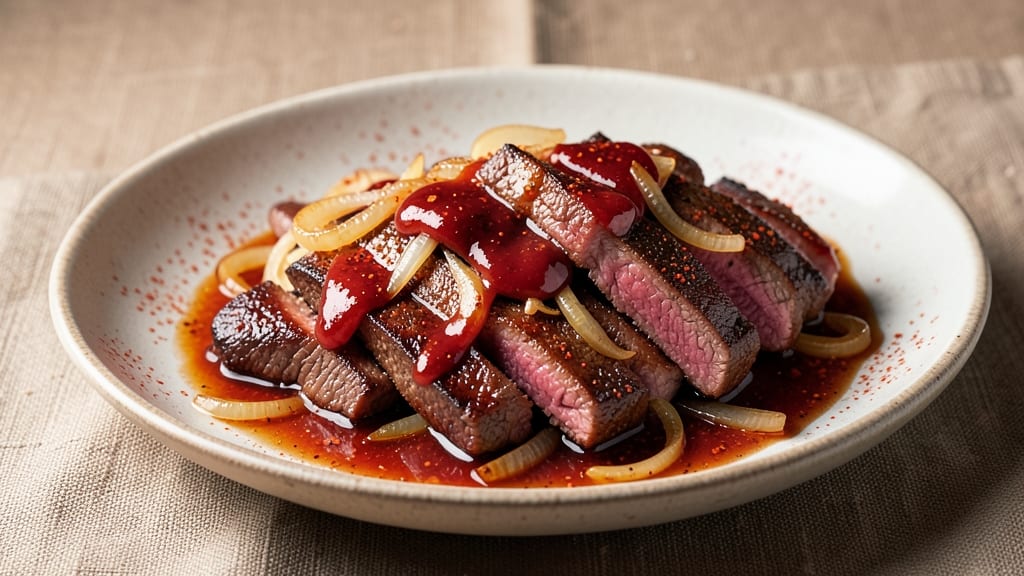
This authentic Korean beef recipe delivers the bold, sweet-spicy flavors of buldak—Korea's legendary grilled beef—without the grill. The secret lies in the marinade, where fermented soybean paste (doenjang), gochujang, and a touch of honey create a caramelized crust that transforms tough beef into melt-in-your-mouth perfection. I’ve perfected this one-pot method after years of testing, ensuring restaurant-quality results at home with minimal effort.
The beauty of buldak is its balance: sweet from honey and caramelized onions, spicy from gochugaru, and umami-rich from the fermented pastes. Unlike other Korean beef dishes, this recipe skips the grill for a stovetop method that’s just as flavorful—ideal for weeknights when you crave bold flavors without the fuss.
The beef becomes tender and sticky, absorbing every layer of the marinade for a dish that’s as impressive as it is delicious.
What you’ll achieve is a perfectly balanced buldak with caramelized edges, tender beef, and a sauce that clings to every bite. Serve it with steamed rice and quick-pickled vegetables (danmuji) to complete the meal.
The aroma alone will have everyone at the table asking for seconds—this is comfort food with depth.
For authenticity, use Korean ingredients like gochujang and doenjang, but don’t stress if substitutes are needed. The technique is forgiving, and the result is undeniably satisfying. Let’s bring the flavors of a Korean BBQ restaurant to your kitchen—one pot at a time.
Ingredients for authentic korean beef
Korean pantry staples meet restaurant-quality beef in this one-pot buldak masterpiece.
| Ingredient | Amount | Notes |
|---|---|---|
| Korean Beef (Ribeye or Sirloin) 🥩 | 1 ½ lb | Thinly sliced against grain |
| Gochujang (Korean Red Chili Paste) 🌶️ | ½ cup | High-quality, fermented |
| Doenjang (Fermented Soybean Paste) 🥫 | ¼ cup | Traditional Korean fermented |
| Honey 🍯 | ¼ cup | Pure, light variety |
| Yellow Onions 🧅 | 1 whole | Thinly sliced, caramelized |
| Gochugaru (Korean Chili Flakes) 🔥 | 1 tbsp | Adjust for heat preference |
| Garlic Cloves 🧄 | 6 cloves | Minced, fresh preferred |
| Soy Sauce 🥫 | ¼ cup | Korean preferred |
| Sesame Oil 🫒 | 1 tbsp | Toasted, for aroma |
| Rice Wine (Mirin or Sake) 🍶 | ¼ cup | Sweet cooking wine |
| Sugar 🍚 | 2 tbsp | Granulated or brown |
| Vegetable Oil 🫒 | 1 tbsp | High smoke point |
| Green Onions 🧅 | 4 whole | Sliced, for garnish |
| Sesame Seeds 🌾 | 1 tbsp | Toasted, for garnish |
The beef cut matters—ribeye or sirloin slices thinly against the grain for maximum tenderness. Korean grocery stores like H Mart or local Asian markets carry pre-sliced bulgogi beef, but if slicing yourself, use a sharp knife and freeze the meat for 30 minutes first. Gochujang and doenjang are non-negotiable for authenticity; H Mart's brands are reliable, but check expiration dates—fermented pastes lose potency over time. The honey should be light, not dark, to avoid overpowering the delicate balance of flavors.
No gochujang? Substitute with 2 tbsp tomato paste plus 1 tsp smoked paprika, though it won’t capture the same umami depth. Doenjang unavailable? Miso paste at half the amount works in a pinch, but the fermented funk is crucial. For the onions, yellow or white work best—red onions add too much acidity. The garlic can be pre-minced from a jar, but fresh has better flavor. If you’re avoiding sesame oil (common allergen), toasted sesame seeds alone provide aroma without the oil’s intensity.
Prep the beef last—it cooks fast. Store gochujang and doenjang in airtight containers in the fridge for up to 6 months past their sell-by date. The sliced onions keep 5 days wrapped in damp paper towels. For leftovers, refrigerate in an airtight container for 3 days or freeze for 3 months. Reheat gently on low heat with a splash of water to prevent drying.
Why You'll Love This Recipe
- One-Pan Magic: I swear by this—just slice the beef, toss in the onions, and let the gochujang and doenjang work their savory-spicy magic while you stir. No fancy techniques, no extra pots, and the kitchen stays cleaner than my usual mess.
- Sweet Heat Balance: That honey-gochujang combo? It’s chef’s kiss—sticky, smoky, with just enough kick to linger. The doenjang adds this deep umami punch that makes every bite feel like a little reward, even on a Tuesday.
- Weeknight Hero: I’ve served this to picky eaters, date nights, and exhausted parents—it never disappoints. The beef stays tender, the sauce clings perfectly, and it’s ready faster than takeout. (Yes, even on a Tuesday.)
- Budget-Friendly Luxury: Thinly sliced beef stretches further than you’d think, and the pantry staples (gochujang, doenjang) last for ages. Honestly, it’s the kind of meal that makes grocery day feel like a win—without sacrificing flavor.
Step-by-step instructions for authentic Korean beef buldak
Here's the method that delivers restaurant-quality buldak with deep umami and balanced sweet-spicy flavors.
Prepare the Beef and Aromatics
Slice the 1.5 lb Korean beef (ribeye or sirloin) thinly against the grain into ¼-inch thick strips. This ensures tender bites that cook quickly in the sauce. Pat the slices dry with paper towels—moisture prevents proper searing and sauce adhesion.
Thinly slice the 1 whole yellow onion into half-moons and separate the 6 cloves garlic into individual cloves. Slice the 4 whole green onions into 1-inch pieces, reserving the tops for garnish. The onions will caramelize beautifully during cooking, adding depth to the sauce.
Build the Sweet-Spicy Sauce Base
In a large Dutch oven or deep skillet, heat the 1 tablespoon vegetable oil over medium-high heat. Add the sliced beef in a single layer and sear for 2-3 minutes until browned but not fully cooked. Remove the beef and set aside.
In the same pot, add the 1 tablespoon sesame oil and swirl to coat the bottom. Add the sliced onions and cook for 5 minutes until softened. Stir in the 6 cloves minced garlic and cook for 30 seconds until fragrant. This aromatic base forms the flavor foundation of your buldak.
Combine Sauce Ingredients and Simmer
Return the beef to the pot and add the 0.5 cup gochujang, 0.25 cup doenjang, 0.25 cup honey, 0.25 cup soy sauce, 0.25 cup rice wine, 2 tablespoons sugar, and 1 tablespoon gochugaru. Stir well to combine all ingredients, scraping up any browned bits from the bottom of the pot.
Bring the mixture to a gentle simmer over medium-low heat. Let it cook uncovered for 15-20 minutes, stirring occasionally, until the sauce thickens slightly and the beef is tender. The sauce should coat the back of a spoon with a glossy sheen. If it reduces too quickly, add 1-2 tablespoons water to maintain consistency.
Finish and Garnish for Authentic Presentation
Once the beef is fork-tender and the sauce has thickened to your preferred consistency, remove the pot from heat. Stir in the sliced green onions and let them warm through for 1 minute. The vibrant green color will contrast beautifully with the deep red sauce.
Transfer the buldak to serving plates and garnish generously with 1 tablespoon toasted sesame seeds. The nutty aroma of the sesame seeds enhances the overall flavor profile. Serve immediately with steamed rice to soak up every last bit of that rich, complex sauce.
Pro Tips For Making Authentic Korean Beef
- CRISP THE ONIONS FIRST: Thinly slice those yellow onions and hit them with a splash of water in a hot pan for 30 seconds before adding anything else. This softens them just enough to absorb the sauce later without turning to mush—trust me, I’ve seen what happens when you skip this.
- SAUTE THE MEAT IN BATCHES: Don’t crowd the pan—work in two batches if needed. I learned this the hard way when my first try ended with steamed beef instead of seared. High heat for 2-3 minutes per side until deep brown, then pull them out while you build the sauce.
- BALANCE THE GOCHUJANG: Start with 1 tablespoon of gochujang per pound of beef, then taste. If it’s too sharp, cut it with a teaspoon of doenjang or a splash of honey—don’t just add more sugar. The fermented depth matters more than the heat.
- REST THE MEAT AFTER SEARING: Let the beef sit for 5 minutes under foil before adding the sauce. I used to rush this, and the juices would pool instead of spreading. Five minutes guarantees tender, evenly coated slices every time.
Pro cooking tips for authentic korean beef
Marinade Mastery
The key to authentic buldak lies in the marinade balance—especially the gochujang and doenjang. I recommend mixing these pastes with the beef at least 30 minutes before cooking to let the fermented flavors penetrate.
For extra tenderness, add 1 tbsp rice vinegar to the marinade if you’re prepping ahead. The honey should be added just before cooking to prevent crystallization, ensuring a smooth, glossy sauce. 🍯
Searing Secrets
Don’t overcrowd the pan when searing the beef—work in two batches if needed. A cast-iron skillet or stainless steel Dutch oven gives the best browning. After searing, let the beef rest for 5 minutes before adding it back to the sauce.
This prevents it from turning mushy when submerged in the hot liquid. 🔥
Sauce Control
The sauce should reduce to a syrupy consistency, coating the beef but not drowning it. If it thickens too quickly, add 1 tbsp water at a time. For extra depth, deglaze the pan with 2 tbsp rice wine after removing the beef for the first sear.
This captures all the caramelized flavors stuck to the bottom. 🥢
Garnish Game-Changer
Toast the sesame seeds in a dry pan for 30 seconds until golden—this amplifies their nutty aroma. Reserve the green onion tops for garnish instead of using the full stalk, as they burn easily. A sprinkle of flaky sea salt just before serving adds a final layer of complexity. 🌿
Heat Adjustments
For milder heat, reduce the gochugaru to ½ tbsp and add 1 tsp sugar to balance. If you love spice, increase it to 2 tbsp and add 1 tsp gochujang extra. Always taste the sauce before serving—adjust with sugar for sweetness or rice vinegar for tang. 🌶️
Leftovers Hack
Store buldak in an airtight container with a splash of water or rice wine to keep the sauce moist. Reheat on low heat for 5-7 minutes, stirring occasionally, to prevent drying. The flavors actually improve overnight as the ingredients meld further. ⏳
Nutrition facts
Frequently asked questions
What's the difference between buldak and bulgogi?
Buldak is a grilled beef dish with a sweet-spicy marinade featuring gochujang and doenjang, while bulgogi is typically sweet and savory with a soy-based sauce. This recipe delivers buldak's bold flavors using a stovetop method—no grill required! The key difference is the sauce profile: buldak leans spicier and umami-rich.
Can I use regular beef instead of Korean ribeye?
Yes! Sirloin or ribeye work perfectly, but avoid tough cuts like chuck. Thinly slice against the grain for tenderness. If using pre-sliced bulgogi beef from an Asian market, follow the package instructions for slicing thickness (¼-inch strips). The marinade will work its magic regardless of the specific beef cut.
How do I adjust the heat level?
Start with the 1 tbsp gochugaru called for, then taste the sauce before serving. For milder heat, reduce to ½ tbsp and add 1 tsp sugar to balance. For extra spice, increase to 2 tbsp gochugaru and add 1 tsp extra gochujang. Always adjust with fresh ingredients—canned or old pastes lose potency.
What sides pair best with this dish?
Steamed jasmine rice is essential to soak up the sauce. Add quick-pickled vegetables (danmuji) for tangy contrast, or serve with kimchi for extra fermented funk. A simple cucumber salad with sesame dressing completes the meal authentically. For a modern twist, try roasted sweet potatoes or a light miso soup.
Why did my sauce turn too thin?
This usually happens from over-stirring or insufficient cooking time. Simmer uncovered for 15-20 minutes on medium-low heat—the sauce should coat the back of a spoon. If it's still too thin, remove from heat and let it reduce naturally for 5 more minutes. Avoid adding cornstarch (it changes the texture), but a 1 tbsp water can help balance consistency.