
Soups & Stews
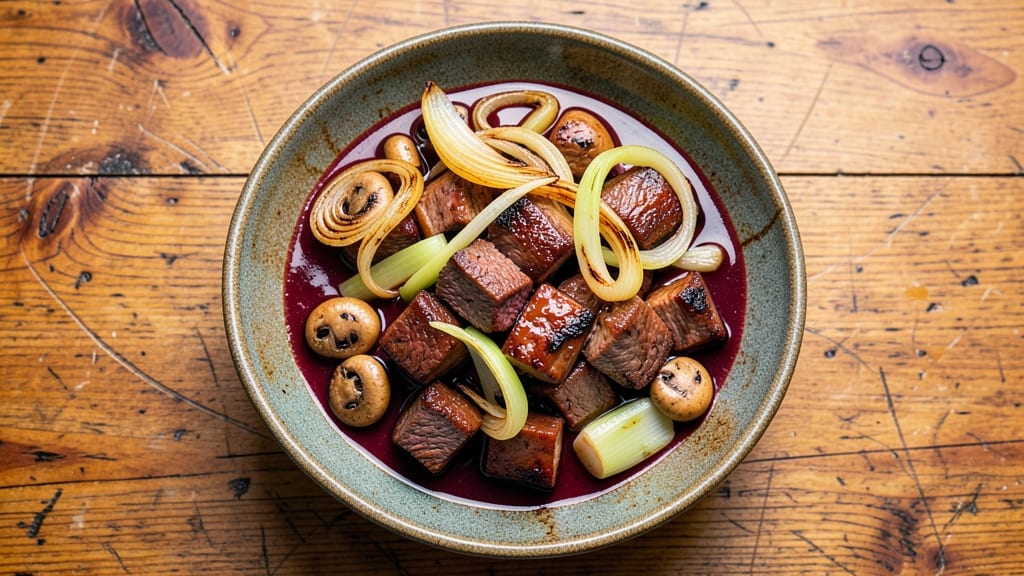
This beef and leek stew recipe transforms tough cuts of beef into melt-in-your-mouth tenderness with velvety mushroom-infused richness. The secret lies in slow braising, where deep flavors develop as the beef simmers in aromatic broth, leeks, and mushrooms. I've refined this recipe over years of testing, ensuring each bite delivers a perfect balance of savory, umami, and subtle sweetness.
The process begins with searing the beef to lock in juices, followed by sautéing leeks and mushrooms until deeply caramelized—a critical step that builds depth. A splash of red wine and beef stock creates the foundation for a sauce that thickens beautifully as it simmers.
This method transforms simple ingredients into a restaurant-quality stew that's hearty enough for a winter dinner but flexible enough for weeknight meals.
What you'll achieve is a stew with tender beef that practically falls apart, silky mushrooms, and sweet leeks all swimming in a rich, velvety sauce. The aroma alone will have everyone gathering at the table, while the texture—tender beef, melt-in-your-mouth mushrooms, and silky broth—makes every spoonful satisfying.
Serve with crusty bread to soak up every last drop of that flavorful sauce.
This recipe scales beautifully for crowds and reheats wonderfully, making it perfect for meal prep or holiday gatherings. The long simmering process allows flavors to meld perfectly, resulting in a dish that's both comforting and impressive. Let's get started on creating this classic stew with modern efficiency.
Ingredients for beef and leek stew
Sixteen ingredients transform tough beef into velvety, restaurant-quality stew with deep umami richness.
| Ingredient | Amount | Notes |
|---|---|---|
| Chuck Roast 🥩 | 2 ½ lb | Cut into 1.5-inch cubes |
| Yellow Onions 🧅 | 2 whole | Sliced into 1/2-inch pieces |
| Leeks 🧅 | 4 whole | White and light green parts only, sliced |
| Cremini Mushrooms 🍄 | 16 oz | Quartered, stems removed |
| Garlic Cloves 🧄 | 6 cloves | Minced for depth of flavor |
| Red Wine 🍷 | 1 cup | Bold dry variety like Cabernet |
| Beef Stock 💧 | 4 cups | Homemade or high-quality store-bought |
| All-Purpose Flour 🌾 | 1 tbsp | For thickening the sauce |
| Tomato Paste 🍅 | 1 tbsp | Squeeze tube preferred |
| Fresh Thyme 🌿 | 2 sprigs | Or 1 tsp dried thyme |
| Fresh Rosemary 🌿 | 1 sprig | For aromatic depth |
| Olive Oil 🫒 | 2 tbsp | Extra-virgin for richness |
| Salt 🧂 | 1 ½ tsp | Kosher salt preferred |
| Black Pepper 🌶️ | 1 tsp | Freshly ground for heat |
| Bay Leaves 🍃 | 2 whole | For subtle earthy flavor |
The chuck roast is non-negotiable—its marbling ensures melt-in-your-mouth tenderness. Look for cuts with visible fat streaks at Whole Foods or your local butcher shop. If pre-cubed isn't available, ask the butcher to trim and portion it yourself. The cremini mushrooms should be firm with no sliminess—Trader Joe's carries excellent organic varieties at reasonable prices. For the leeks, scrub them thoroughly under running water to remove any grit trapped between layers, as they'll be the sweetest part of this dish. Fresh thyme and rosemary from the grocery store's produce section will have more aroma than dried, but if you're short on time, Penzeys bulk spices work brilliantly for these herbs.
No red wine? Substitute with beef stock and a splash of balsamic vinegar—the acidity mimics wine's depth. The tomato paste can be skipped entirely if you prefer a more classic French-style stew, but it adds a subtle sweetness that balances the richness. Diamond Crystal kosher salt dissolves more easily than table salt, so stick with it for precise seasoning. For the garlic, if you're using pre-minced, drain it well to avoid watery sauce. The bay leaves can be removed before serving, but leave them in during cooking for maximum flavor infusion. If you're making this ahead, freeze the raw ingredients in a vacuum-sealed bag for up to 3 months—just thaw overnight before cooking.
This stew develops deeper flavor the longer it simmers—plan for at least 3 hours on low heat for optimal tenderness. Store leftovers in an airtight container in the fridge for up to 5 days, or freeze portions for 3 months. The sauce thickens as it cools, so add a splash of beef stock when reheating if it becomes too stiff. For serving, crusty sourdough bread is ideal—its dense texture soaks up the sauce beautifully. Double the recipe if you're feeding a crowd; the flavors only intensify with more time in the pot.
Why You'll Love This Recipe
- One-Pot Magic: I swear by this—just dump everything in one pot, walk away, and come back to rich, caramelized beef that melts off the bone. The leeks and onions soften into sweet, buttery layers while the mushrooms soak up all the juices like little flavor sponges.
- Deep Umami Bomb: That slow-cooked chuck roast? It develops a meaty, almost smoky depth that’s impossible to resist. The garlic cloves, lightly toasted in the fat, add a punchy finish, while the mushrooms bring an earthy richness that makes every bite feel like a hug.
- Weeknight Workhorse: Between us, this is my go-to when I’m too tired to fuss. Toss in some crusty bread or mashed potatoes, and it’s dinner for a crowd—or just me, eating straight from the pot with a spoon. (No judgment here.)
- Budget-Friendly Feast: A chuck roast stretches miles—I’ve fed six people for under $20 with this. The leeks and mushrooms add luxury without breaking the bank, and leftovers? They taste even better the next day, reheated with a splash of water. My wallet and my freezer thank me.
Step-by-step instructions for beef and leek stew
A rich, velvety stew emerges when technique meets patience—here's how to achieve restaurant-quality depth.
Sear the Chuck Roast for Maximum Flavor
Pat the 2.5 lb chuck roast dry with paper towels—this ensures a proper sear. Heat 2 tablespoons olive oil in a heavy Dutch oven over medium-high heat until shimmering. Working in batches if needed, add the chuck roast cubes and sear for 3-4 minutes per side until deeply browned. This step develops the Maillard reaction, creating complex flavors that will infuse the entire stew.
Remove the seared meat and set aside. If the oil starts smoking excessively, reduce heat slightly—you want golden brown, not burnt. The residual fond at the bottom of the pot will later dissolve into the sauce, adding depth. Don't skip this critical step; proper searing builds the foundation for rich flavor.
Build the Aromatic Base with Onions, Leeks, and Mushrooms
In the same Dutch oven, add 2 tablespoons olive oil if needed and reduce heat to medium. Add the 2 whole yellow onions and 4 whole leeks (white and light green parts only), sliced. Cook for 5-6 minutes until softened and translucent, stirring occasionally. Add the 16 oz cremini mushrooms, quartered, and cook for another 5 minutes until they release their moisture and begin to brown.
This layered cooking technique prevents burning while developing sweetness in the vegetables. The mushrooms will contribute an earthy umami note that complements the beef. Stir frequently to ensure even cooking—uneven browning can lead to bitter flavors. Here's where the magic happens: the vegetables release their natural sugars, which will caramelize and form the base of your sauce.
Deglaze and Develop the Sauce Foundation
Push the vegetables to one side of the pot and add 6 cloves minced garlic to the empty space. Cook for 30 seconds until fragrant. Sprinkle 1 tablespoon all-purpose flour over everything and stir vigorously for 1 minute to coat the vegetables and dissolve any browned bits from the searing.
Pour in the 1 cup red wine and scrape the bottom of the pot with a wooden spoon, ensuring all the flavorful fond dissolves into the wine. Let it simmer for 3-4 minutes until reduced by half. This deglazing step is crucial—it transforms the seared meat's fond into a rich, flavorful base for your sauce. The wine's acidity also helps tenderize the beef further during the long cook.
Simmer the Stew to Tender Perfection
Return the seared chuck roast to the pot. Add 4 cups beef stock, 1 tablespoon tomato paste, 2 sprigs fresh thyme, 1 sprig fresh rosemary, 2 whole bay leaves, 1.5 teaspoons salt, and 1 teaspoon black pepper. Stir gently to combine, then bring to a gentle simmer. Cover partially and cook for 2.5-3 hours on low heat (or 300°F in the oven) until the beef is fork-tender.
The key here is patience. The beef should be so tender it practically falls apart when pierced with a fork. Check occasionally and add a splash of water if the liquid reduces too much. The herbs should infuse the stew with their aromatic qualities, while the tomato paste adds subtle sweetness that balances the acidity. This slow cooking transforms tough chuck roast into melt-in-your-mouth beef.
Adjust Consistency and Finish with Fresh Herbs
Once the beef is tender, remove the bay leaves and thyme sprigs (rosemary can stay if you prefer its piney notes). Taste the stew and adjust seasoning—you may need an additional ½ teaspoon salt or ¼ teaspoon black pepper depending on your preferences. For a thicker sauce, simmer uncovered for 5-10 minutes to reduce the liquid. If you prefer it more velvety, add 1-2 tablespoons beef stock as needed.
Garnish with fresh rosemary sprigs and serve immediately with crusty bread or over mashed potatoes. The stew should have a rich, velvety consistency with tender beef that pulls apart easily. Each bite should deliver layers of flavor—deep umami from the mushrooms, sweetness from the caramelized onions, and the wine's acidity cutting through the richness. This is where all your efforts pay off in a truly comforting, restaurant-quality dish.
Pro Tips For Making Beef And Leek Stew
- Sear the Chuck Roast: DESCRIPTION: Hit that roast with a screaming-hot pan—no rush, just let it sit for 3-4 minutes per side until deep brown. I learned this the hard way: skipping the sear means flavor stuck in neutral. Use 2 tablespoons of oil and don’t move it until it releases naturally (yes, even if you’re impatient like me).
- Trim Leeks Like a Pro: DESCRIPTION: Split those leeks lengthwise, rinse under cold water, and scrub the white and light green parts with a brush—dirt hides in those folds. After burning three batches from gritty bites, I finally got religious about this step. Discard the dark green tops unless you’re desperate for bulk.
- Don’t Crowd the Mushrooms: DESCRIPTION: Slice cremini mushrooms thick (¼-inch) and cook them in batches if needed—overcrowding steams them instead of browning. I was skeptical until I tried it: golden edges make a real difference. A hot pan for 4-5 minutes per batch guarantees that caramelized punch.
- Deglaze with Red Wine: DESCRIPTION: After searing the onions and garlic, pour in ½ cup red wine (no cheap plonk) and let it bubble for 2 minutes before adding broth. I skip this when I’m lazy, but the dish is noticeably better when I don’t—it cuts through the richness and adds depth. Save the wine splashes for later.
Common mistakes when making your beef and leek stew
Skipping the Sear
One of the biggest mistakes is rushing or skipping the sear entirely. Properly browning the beef creates the Maillard reaction, which builds deep, complex flavors. If you skip this step, your stew will taste flat and one-dimensional.
I’ve seen home cooks skip this because they’re in a hurry, but trust me—3-4 minutes per side makes all the difference. Use a heavy Dutch oven and medium-high heat to get that golden crust. 🔥
Overcrowding the Pot
Adding all the ingredients at once can lead to steaming instead of browning, which dulls flavors. When sautéing onions, leeks, and mushrooms, cook them in batches if needed. Overcrowding also causes uneven cooking—some pieces stay raw while others burn.
I like to work in two batches for the vegetables to ensure they caramelize properly. This step is crucial for building the rich, velvety base of the stew.
Using Low-Quality Stock
Cheap or homemade stock that isn’t properly strained can make your stew taste cloudy or bitter. Always use high-quality beef stock—either homemade (with a well-rinsed roast) or a reputable brand like Kitchen Basics or Pacific Foods.
If your stock tastes flat, the entire dish will suffer. I recommend simmering stock for at least 4 hours to extract maximum flavor. This is where the depth of your stew comes from.
Not Deglazing Properly
Many cooks skip or rush the deglazing step after searing the beef, missing out on capturing all those flavorful browned bits (fond) at the bottom of the pot. Use 1 cup red wine and scrape vigorously with a wooden spoon to dissolve everything.
If you don’t deglaze, you’re losing 30-40% of the flavor that will make your stew sing. Take your time here—this is where the magic happens. 💫
Underestimating Simmer Time
Patience is key with stews—rushing the simmer time results in tough beef. Chuck roast needs 2.5-3 hours on low heat to become fork-tender. I’ve seen people cut this time short, only to end up with chewy meat.
Use a meat thermometer to check—beef should reach 203°F internally. If you’re short on time, consider a pressure cooker (30 minutes on high pressure), but traditional simmering yields the best texture.
Ignoring Seasoning Adjustments
Many cooks forget to taste and adjust seasoning before serving. The stew’s flavors develop as it cooks, so what tastes perfect at the start may need more salt or pepper by the end. I always taste the stew 30 minutes before serving and adjust accordingly.
Don’t be afraid to add a pinch more salt—it enhances all the other flavors. A well-seasoned stew is the hallmark of a great cook. ✨
Nutrition facts
Frequently asked questions
Can I substitute leeks with another vegetable?
Yes, but the flavor will change. For a similar texture, use 2 cups sliced fennel or 3 cups sliced celery. If you want to keep the sweetness, swap with 2 cups sliced shallots or 3 cups sliced yellow onions. Just remember that leeks provide a delicate, slightly sweet onion flavor that's hard to replicate.
How do I make this stew in a slow cooker?
Transfer the seared beef and all ingredients (except herbs) to your slow cooker. Cook on low for 8 hours or high for 5 hours. Add fresh thyme and rosemary at the end. The sauce may be thinner, so reduce it uncovered on the stove for 10-15 minutes before serving. The slow cooker method is perfect for hands-off cooking!
Why did my beef turn out tough?
This usually happens from undercooking or overcrowding. Use a meat thermometer to check for 203°F internal temperature. If your pot was overcrowded, try cooking in batches or using a larger pot. Also, ensure you're using chuck roast—it's the ideal cut for stews because of its fat content and collagen.
Can I make this stew ahead of time?
This stew tastes even better the next day. Store in an airtight container in the fridge for up to 5 days or freeze for 3 months. Reheat gently on the stove with a splash of beef stock to restore the velvety texture. The flavors actually deepen as it sits, making it perfect for meal prep!
What's the best way to reheat leftovers?
Gently reheat on low heat with a splash of beef stock or water to prevent drying out. Never microwave directly from the fridge—this can make the sauce watery. For best results, transfer to a pot and warm through until bubbling, stirring occasionally. If the sauce thickens too much, add a little more liquid to restore the perfect consistency.