
Soups & Stews
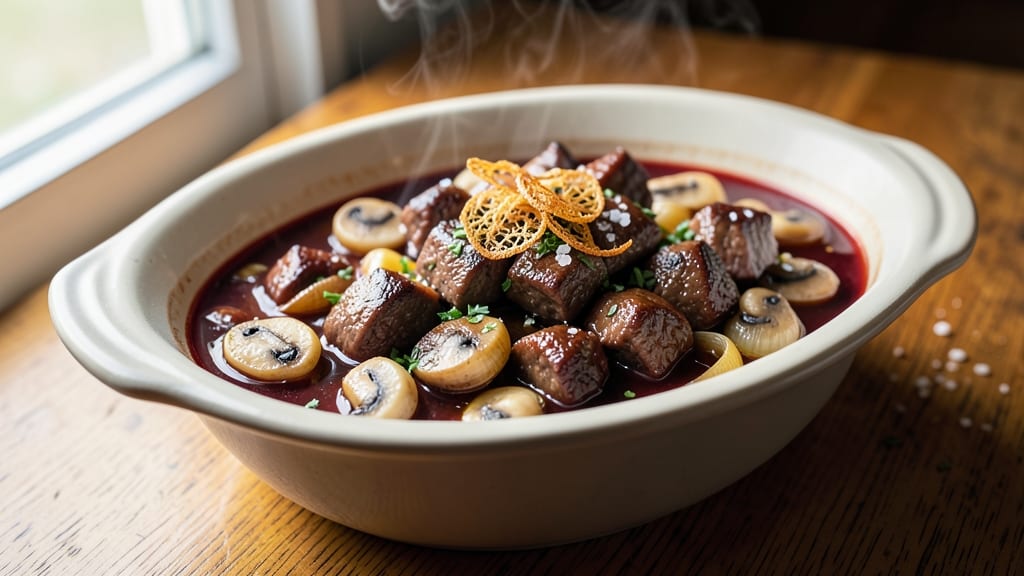
This beef and mushroom ragout recipe transforms humble ingredients into a velvety, wine-infused masterpiece that simmers into rich perfection. 🔥 The secret lies in slow-browning the beef and mushrooms until deeply caramelized, then deglazing with red wine to create a sauce so complex it rivals restaurant-quality ragù.
What makes this dish truly special is how it balances hearty textures—tender beef, earthy mushrooms, and al dente pasta—all coming together in one pot for effortless elegance.
The beauty of this recipe is its adaptability—whether you're feeding a family or hosting dinner guests, the flavors deepen with time, rewarding patience with layers of umami and wine-infused richness.
The key steps—searing the beef, sautéing the mushrooms, and reducing the wine—are simple yet transformative, turning basic ingredients into a dish that feels luxurious without requiring advanced techniques. Every bite delivers that perfect harmony of savory, slightly sweet, and tangy notes that define a great ragout.
By the time you're done, you'll have a deep wine-red sauce clinging to tender beef and mushrooms, ready to be tossed with pasta or served over crusty bread.
The aroma alone will have everyone at the table anticipating the first forkful, and the texture—creamy yet substantial—makes it a standout for both weeknight dinners and special occasions. This is comfort food elevated, where simplicity meets sophistication in every spoonful.
Pair it with a bold red wine or crusty garlic bread to complete the experience. The instructions ahead will guide you through each step with precision, ensuring you achieve that restaurant-worthy depth of flavor without the fuss. Let's get cooking—your taste buds will thank you.
Ingredients for beef and mushroom ragout
Rich, wine-kissed beef and earthy mushrooms create this restaurant-worthy ragout—simple ingredients, deep flavors.
| Ingredient | Amount | Notes |
|---|---|---|
| Chuck Roast 🥩 | 1 ½ lb | Cut into 1-inch cubes, trimmed of fat |
| Cremini Mushrooms 🍄 | 16 oz | Sliced into 1/4-inch pieces |
| Yellow Onion 🧅 | 1 whole | Diced into 1/4-inch pieces |
| Garlic Cloves 🧄 | 4 cloves | Minced finely for depth |
| Dry Red Wine 🍷 | 1 cup | Bold Cabernet Sauvignon preferred |
| Beef Broth 💧 | 1 ½ cups | Homemade or high-quality store-bought |
| Tomato Paste 🍅 | 2 tbsp | Squeeze tube preferred for convenience |
| Fresh Thyme 🌿 | ½ oz | Leaves only, finely chopped |
| Fresh Rosemary 🌿 | 1 tbsp | Needles finely chopped |
| Olive Oil 🫒 | 2 tbsp | Extra-virgin for richness |
| All-Purpose Flour 🌾 | 1 tbsp | For thickening sauce |
| Kosher Salt 🧂 | 1 ½ tsp | Diamond Crystal preferred |
| Freshly Ground Black Pepper 🌶️ | ½ tsp | Cracked peppercorns preferred |
| Pasta 🍝 | 12 oz | Pappardelle or fettuccine preferred |
| Parmesan Cheese 🧀 | ½ cup | Freshly grated from block |
The beef is non-negotiable here—chuck roast delivers that melt-in-your-mouth texture after hours of slow cooking. Costco or Whole Foods always have it pre-cubed, saving you time, but if you're buying a whole roast, ask the butcher to cube it for you. Look for good marbling—those little fat streaks render down into flavor gold. For mushrooms, cremini or baby bella give the best earthy depth, but wild mushrooms take this to another level if you're feeling fancy. Slice them evenly so they cook at the same rate as the beef. The wine? Cabernet Sauvignon or Merlot—whatever bold red you've got open. Avoid sweet wines; we're going for savory, not fruity.
No red wine? Dry sherry or beef broth with a splash of balsamic vinegar works in a pinch, though the flavor won't be identical. Fresh thyme and rosemary are ideal, but dried works at half the amount if that's all you've got. The tomato paste can be skipped entirely if you're sensitive to acidity, but it adds a touch of sweetness that balances the wine's tannins. For the pasta, pappardelle or fettuccine are classic, but any wide noodle will catch the sauce beautifully. Prefer gluten-free? Rice or chickpea pasta holds up well—just toss it with a little extra sauce to compensate for its denser texture. The Parmesan? Freshly grated from a wedge makes all the difference—pre-grated gets clumpy and lacks flavor.
This ragout tastes even better the next day as the flavors meld, so make extra—it reheats beautifully. Store in an airtight container in the fridge for up to 5 days or freeze for 3 months. I like to portion it into individual containers so I can grab one for lunch without reheating the whole batch. The sauce thickens as it cools, so a splash of warm water or broth thins it out if needed. Garnish with extra Parmesan and fresh herbs right before serving—that's when it looks restaurant-worthy. Leftovers? Toss with crusty bread for a hearty open-faced sandwich.
Why You'll Love This Recipe
- One-Pot Magic: I swear by this recipe—just dump everything into one pot, walk away, and let the wine and garlic work their flavor magic. No extra pans, no fuss, and honestly? That’s my kind of cooking.
- Rich Without Effort: The chuck roast turns impossibly tender while the mushrooms soak up all the caramelized onion and garlic—like a hug in a bowl. Here’s what sold me: the red wine doesn’t just add depth, it makes the whole thing taste expensive without breaking the bank.
- Leftovers That Beg for More: This ragout actually improves the next day. I’ll be real: I’ve reheated it three times because it’s that good, and it’s the perfect lazy lunch or quick dinner when I’m not in the mood to cook.
- Budget-Friendly Crowd-Pleaser: A single chuck roast stretches for four servings, and cremini mushrooms are cheaper than fancy ones. Between us, this is the dish I make when friends drop by unannounced—it feeds everyone, costs next to nothing, and no one ever asks for takeout again.
Step-by-step instructions for beef and mushroom ragout
Here's how to create a deeply flavorful ragout with tender beef and earthy mushrooms.
🍳 Step 1: Sear the Chuck Roast Until Deeply Browned
Heat the 2 tablespoons olive oil in a large Dutch oven over medium-high heat until shimmering. Add the 1.5 lb chuck roast cut into 1-inch cubes and sear undisturbed for 3-4 minutes until deeply browned on all sides. This step develops rich, caramelized flavors that form the ragout's foundation.
Don't rush this—you want a deep mahogany crust on each piece. Once browned, remove the beef and set aside. If the pan gets too crowded, work in batches. The rendered beef fat will become your sauce's golden base, so don't wipe it out.
👨🍳 Step 2: Sauté Aromatics Until Fragrant
In the same Dutch oven, add the 1 whole yellow onion diced into ¼-inch pieces and cook for 5 minutes until softened and translucent. Add the 16 oz cremini mushrooms sliced into ¼-inch pieces and cook for another 6-7 minutes until they release their moisture and begin to brown.
Stir in the 4 cloves garlic that's been finely minced and cook for 30 seconds until fragrant. Here's where the magic happens—the mushrooms should release about ½ cup of liquid, which will reduce into a velvety sauce. If they're not releasing enough moisture, cover briefly and let them steam for 1 minute to break down their fibers.
🍳 Step 3: Deglaze with Wine and Build the Sauce
Pour in the 1 cup dry red wine and scrape up all the browned bits from the bottom of the pot with a wooden spoon. This deglazing step captures all the concentrated beef flavor. Let the wine simmer for 4-5 minutes until reduced by half, leaving a glossy, syrupy liquid.
Add the 2 tablespoons tomato paste, 1.5 teaspoons kosher salt, and ½ teaspoon freshly ground black pepper. Stir well, then sprinkle the 1 tablespoon all-purpose flour over the mixture. Cook for 1 minute to toast the flour slightly—this will help thicken the sauce beautifully without making it pasty.
⏰ Step 4: Simmer with Broth and Herbs
Pour in the 1.5 cups beef broth and bring to a gentle simmer. Return the seared beef to the pot, along with the ½ oz finely chopped fresh thyme and 1 tablespoon finely chopped fresh rosemary. Partially cover and let it simmer for 1 hour 15 minutes until the beef is fork-tender.
Here's the thing—this simmering time is crucial. The beef should be so tender it practically falls apart with gentle pressure from your fork. If the sauce reduces too much, add ¼ cup water at a time to maintain the perfect consistency. The ragout should coat the back of a spoon but remain silky, not gluey.
🍽️ Step 5: Finish with Pasta and Parmesan
While the ragout simmers, cook the 12 oz pasta in salted boiling water until al dente (about 1 minute less than package instructions). Reserve ½ cup pasta water before draining.
Add the drained pasta to the ragout and toss gently to coat. If the sauce seems too thick, add 2-3 tablespoons of the reserved pasta water to loosen it. Stir in the ½ cup freshly grated parmesan cheese and let it melt into the sauce for 1-2 minutes. Taste and adjust seasoning—you might need a pinch more salt to balance the richness.
Serve immediately with extra parmesan on top and a sprinkle of fresh black pepper. The ragout should be rich, velvety, and packed with deep wine and beef flavors that meld perfectly with the earthy mushrooms. Each bite delivers tender beef, silky sauce, and al dente pasta in perfect harmony.
Pro Tips For Making Beef And Mushroom Ragout
- Sear the Chuck Hard: I used to think a quick sear was enough, but this ragout needs a deep, dark crust—use a 12-inch skillet or Dutch oven, high heat, and let the beef sit undisturbed for 3-4 minutes per side until it’s actually brown, not just pink. That’s where the flavor hides, and wine won’t save a pale sear.
- Slice Mushrooms Thin: Cremini mushrooms release their meaty goodness when they break down, but thick slices turn to mush. Cut them paper-thin (about 1/8-inch) and cook them in batches if needed—crowding steams them instead of browning. You want to see edges, not a soggy pile.
- Deglaze Immediately: That browned beef and mushroom fond is liquid gold, but it burns faster than you think. As soon as you remove the meat, pour in the wine right away while the pan is still scorching hot—scrape every last bit with a wooden spoon. Let it reduce by half before adding anything else, or you’ll dilute the sauce into oblivion.
- Salt the Wine: This isn’t just a fancy touch—it’s insurance. Add 1/2 teaspoon of kosher salt to the red wine before deglazing. The acidity cuts through the richness, and the salt amplifies the umami in the mushrooms and beef. (Yes, even if your wine is dry—trust me, it works.)
Serving suggestions for leftovers
Pasta Pairings
This ragout shines with wide, flat pasta that can catch the rich sauce beautifully. I always reach for pappardelle or fettuccine—their generous surface area soaks up the wine-infused sauce without becoming soggy. For a rustic touch, try tagliatelle or even casarecce, which adds a delightful texture contrast.
If you're feeling adventurous, gluten-free pappardelle made from brown rice or chickpea flour works surprisingly well—just toss it with an extra splash of sauce to compensate for its denser texture. 🍝
Bread Service
Serve this ragout with a side of warm, crusty bread to soak up every last drop of that velvety sauce. I love using a baguette or ciabatta, lightly toasted and rubbed with a garlic clove.
For extra flair, brush the bread with olive oil and sprinkle with sea salt before serving. This turns your meal into a full experience—each bite of bread becomes a delicious mop for the ragout's rich flavors.
The bread's crispy crust contrasts perfectly with the silky sauce, making every bite more satisfying.
Cheese Board
A simple cheese board elevates this dish to restaurant quality. I always include aged pecorino, sharp parmesan, and creamy burrata for variety. Add a few prosciutto di Parma slices and some marinated artichoke hearts> to balance the richness.
The salty, nutty cheeses cut through the ragout's depth, while the prosciutto adds a savory crunch. Serve with grape tomatoes and olives> for a fresh, vibrant contrast that cleanses the palate between bites.
Wine Pairings
For a classic pairing, reach for a bold red wine like a Chianti Classico or Barolo—their acidity and tannins complement the dish's richness beautifully. If you prefer something smoother, a Pinot Noir from Oregon or Burgundy offers elegant earthy notes that mirror the mushrooms.
For a budget-friendly option, Cabernet Sauvignon or Merlot works perfectly. Avoid overly oaky whites or sweet wines—they'll clash with the ragout's savory depth. A glass of wine with every serving ensures each bite is elevated to its fullest potential. 🍷
Garnish Finishing
Fresh herbs and a sprinkle of cheese make all the difference. Right before serving, garnish each plate with chopped fresh parsley or thyme> for a pop of color and brightness. A final dusting of freshly cracked black pepper adds a subtle kick.
For extra luxury, drizzle with a few drops of high-quality olive oil> or a swirl of balsamic glaze**> to tie everything together. These finishing touches transform your ragout from a simple weeknight meal into a dish worthy of a special occasion.
Nutrition facts
Frequently asked questions
Can I substitute ground beef for chuck roast in this ragout?
While you can use ground beef, it won't have the same rich, tender texture. Chuck roast breaks down beautifully during slow cooking, creating melt-in-your-mouth bites. If you must substitute, use 80/20 ground chuck (not lean ground beef) and increase the cooking time to 20-25 minutes to ensure it's fully tender. The flavor will be heartier, but the texture will be more uniform.
How do I prevent my ragout from becoming too thick or gluey?
Watch your sauce consistency closely! If it thickens too much during simmering, add ¼ cup warm water or broth at a time. The sauce should coat the back of a spoon but remain silky. For extra insurance, whisk in 1 tablespoon cornstarch mixed with 2 tablespoons water if needed. Never let it reduce completely without liquid—this is what causes that dreaded gluey texture.
What's the best way to reheat leftover ragout?
Gently reheat on the stovetop over low heat with a splash of beef broth or water to prevent drying out. Microwaving works in a pinch, but stir frequently and cover with a damp paper towel to retain moisture. For best results, reheat just until warmed through—ragout tastes even better the next day as flavors meld!
Can I make this ragout in a slow cooker?
Brown the beef and mushrooms first in a skillet, then transfer everything to your slow cooker. Add all remaining ingredients and cook on low for 6-7 hours or high for 3-4 hours. The slow cooker method actually enhances the beef's tenderness. Just check the sauce consistency before serving—you may need to reduce it further on the stovetop if it's too thin.
What if I don't have red wine?
No problem! Use 1 cup beef broth + 1 tablespoon balsamic vinegar for depth, or 1 cup dry sherry for a similar flavor profile. For a non-alcoholic version, try 1 cup cranberry juice + 1 teaspoon red wine vinegar. The key is balancing acidity and richness—don't skip the acid component entirely, as it brightens the dish.