
Soups & Stews
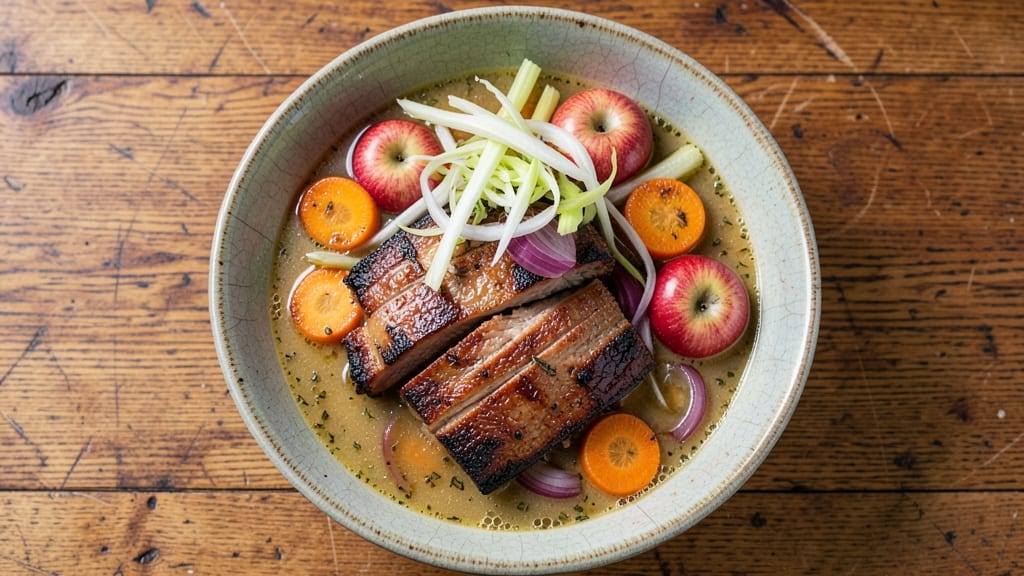
This apple carrot beef rib soup transforms humble ingredients into a rich, slow-simmered masterpiece where tender beef ribs meet caramelized apples and sweet carrots. The key lies in braising the ribs until they fall apart, then building a deeply flavorful broth that balances sweet, savory, and umami notes.
I developed this recipe after years of perfecting the balance between the natural sweetness of the vegetables and the deep, meaty richness of the beef—each spoonful delivers comfort in a bowl.
The magic happens in the slow simmer, where the ribs release their collagen into the broth, creating a velvety texture while the apples and carrots caramelize into natural sweetness. This isn't just soup; it's a hearty, satisfying meal that feels like a hug on a cold day.
The technique requires patience—about 3 hours of simmering—but the result is worth every minute, with tender beef that melts in your mouth and vegetables that stay vibrant yet tender.
What makes this recipe special is how the flavors come together: the slight tartness of the apples cuts through the richness of the beef, while the carrots add natural sweetness that rounds out the dish. The broth reduces to a perfect consistency, coating every bite in a savory, aromatic blanket.
Serve it with crusty bread to soak up every last drop, or pair it with a simple green salad for balance.
This soup is equally at home on a busy weeknight as it is at a holiday gathering—its depth of flavor makes it feel special without requiring hours of prep.
The beauty of this recipe lies in its versatility: you can adjust the sweetness to taste, add herbs for extra aroma, or even make it ahead and let the flavors deepen overnight. Let's create something truly comforting together.
Ingredients for apple carrot beef rib soup
Sixteen ingredients that build into a symphony of slow-simmered comfort and caramelized sweetness.
| Ingredient | Amount | Notes |
|---|---|---|
| Beef Ribs 🥩 | 3 lb | Bone-in, meaty cuts preferred |
| Apples 🍎 | 4 medium | Honeycrisp or Fuji, peeled/cored |
| Carrots 🥕 | 2 lb | Whole, unpeeled for texture |
| Yellow Onion 🧅 | 1 whole | Medium, chopped |
| Garlic Cloves 🧄 | 6 cloves | Fresh, smashed |
| Celery Stalks 🧅 | 4 whole | Trimmed, chopped |
| Beef Broth 💧 | 8 cups | Low-sodium preferred |
| Apple Cider Vinegar 🍎 | ¼ cup | For brightness |
| Tomato Paste 🍅 | ½ cup | For depth |
| Bay Leaves 🌿 | 2 whole | Dried, removed before serving |
| Thyme Sprigs 🌿 | 4 whole | Fresh, stems removed |
| Black Peppercorns 🌶️ | 1 tsp | Freshly cracked |
| Salt 🧂 | 2 tsp | Kosher or sea salt |
| Olive Oil 🫒 | ¼ cup | For searing |
The beef ribs are the foundation—look for meaty, bone-in cuts with good marbling at your butcher or Costco for bulk. If using pre-cut ribs, check for even thickness. Whole carrots stay vibrant longer than pre-cut; peel only if you prefer smoother texture. Apples are non-negotiable—Honeycrisp or Fuji hold up best during simmering. For broth, homemade is ideal, but Kirkland Signature or Swanson low-sodium work in a pinch. The apple cider vinegar adds subtle tang that brightens the whole dish, so don't skip it—Bragg is my go-to brand for consistency.
No beef broth? Vegetable broth plus 1 tbsp soy sauce mimics umami depth. Swap Honeycrisp apples for Granny Smith if you prefer tartness, but they'll break down faster. Pre-cut carrots? Use them, but add them later to prevent mushiness. The tomato paste can be substituted with 1 cup crushed tomatoes if you're avoiding concentrated flavors. Fresh thyme is best, but dried at 1/3 the amount works if that's all you have. For extra richness, add 1/2 cup red wine during the simmer—Cabernet or Merlot pair beautifully with the apples.
This soup tastes even better the next day as flavors meld. Store in airtight containers for up to 5 days in the fridge or 3 months frozen. For reheating, simmer gently on the stove—never microwave as it can make the broth watery. The ribs and vegetables reheat beautifully, though they'll be even more tender. Double the batch and freeze portions for quick weeknight meals—portion into individual containers before freezing for easy reheating.
Why You'll Love This Recipe
- One-Pot Magic: I swear by this for lazy Sundays—just toss everything in one pot, simmer, and let the beef ribs melt into the broth. No chopping like a fine-dining chef, no stressing over separate pans. The apples and carrots soften right in there, and honestly? That’s half the battle won.
- Sweet-Savory Balance: The apples caramelize just enough to cut through the richness of the beef ribs, while the onions and garlic add this deep, umami punch. It’s not sweet like pie, not heavy like stew—it’s that perfect spot where every bite feels like a hug for your taste buds.
- Weeknight to Potluck: Make a double batch and freeze half for those nights when you’d rather watch Netflix. Or bring it to a holiday gathering—it’s hearty enough for a main but light enough to not weigh anyone down. (Yes, even my picky uncle cleared his plate.)
- Budget-Friendly Feast: Beef ribs might sound fancy, but they’re cheaper than steak and stretch further than chicken. The apples and carrots bulk it up without breaking the bank, and leftovers? They taste just as good reheated—proof this soup is my wallet’s new best friend.
Step-by-step instructions for apple carrot beef rib soup
This method delivers rich, slow-simmered flavor with caramelized roots and tender beef ribs.
Sear the Beef Ribs for Deep Flavor
Pat the 3 lb beef ribs completely dry with paper towels. Heat a large Dutch oven over medium-high heat and add the 0.25 cup olive oil. Once shimmering, place the ribs in a single layer and sear for 5-6 minutes per side until deeply browned and crispy. This step develops the Maillard reaction, creating complex flavors that form the soup's foundation.
While searing, I like to press down gently on the ribs with a spatula during the first minute—this prevents curling and ensures even contact with the pan. If the oil starts smoking excessively, reduce heat slightly. Remove the ribs and set aside on a plate, leaving all the browned bits in the pot.
Build the Aromatic Base
In the same Dutch oven, add the chopped 1 whole yellow onion, 4 whole celery stalks, and 6 cloves garlic cloves. Cook over medium heat for 5-6 minutes, stirring occasionally, until the vegetables soften and the garlic becomes fragrant. This aromatic base forms the flavor backbone of the soup.
Next, stir in the 0.5 cup tomato paste and cook for 2 minutes until it darkens slightly. This step deepens the sauce's richness and balances the sweetness of the apples and carrots. Be careful not to burn the tomato paste—keep the heat at medium and stir constantly.
Simmer the Vegetables and Apples
Add the 2 lb carrots (cut into 1-inch chunks) and 4 medium apples (peeled, cored, and sliced). Pour in the 8 cups beef broth and 0.25 cup apple cider vinegar, then add the 2 whole bay leaves and 4 whole thyme sprigs. Bring to a gentle boil, then reduce heat to low and simmer uncovered for 45 minutes, stirring occasionally.
During this time, the carrots will soften and caramelize slightly, while the apples will break down, releasing their natural sweetness. The vinegar adds brightness that cuts through the richness of the beef and vegetables. Taste the broth after 30 minutes—if it needs more salt, add the 2 tsp salt and 1 tsp black peppercorns (cracked) now.
Braise the Beef Ribs to Tenderness
Return the seared ribs to the pot, arranging them on top of the vegetables. Partially cover the pot and simmer for 2-2.5 hours until the beef is fork-tender and easily pulls away from the bone. The ribs should have a rich, deep color and the meat should shred easily with a fork.
I check for doneness by inserting a fork into the thickest part of a rib—if it slides in easily and the meat separates cleanly, it's ready. If the broth reduces too quickly, add 1 cup hot water to maintain the proper consistency. The ribs should be cooked through but still retain their shape when removed.
Finish and Serve with Perfect Texture
Remove the ribs from the pot and let them rest on a cutting board for 5 minutes. Skim off any excess fat from the surface of the broth, then shred the meat from the ribs using two forks. Return the shredded beef to the pot and stir gently to combine.
Taste the soup and adjust seasoning if needed—another pinch of salt or a splash of vinegar can balance the flavors. Serve the soup immediately, garnished with a sprinkle of cracked black pepper. The result should be a harmonious blend of sweet apples, caramelized carrots, and tender beef in a rich, deeply flavored broth.
Pro Tips For Making Apple Carrot Beef Rib Soup
- Sear Ribs First: Skip the slow start—hit those beef ribs with high heat for 3-4 minutes per side until deep brown. I used to rush this, and the soup never had that rich, caramelized depth. A quick sear locks in flavor before the long simmer.
- Peel Carrots Partially: Leave the bottom inch of carrots unpeeled—the skin stays tender and adds subtle sweetness. I learned this after overcooking peeled carrots into mush. Works best with sweet varieties like Honeybuns.
- Deglaze with Apple Juice: After searing onions and garlic, splash in 1/2 cup apple juice instead of water. It dissolves fond faster and adds instant fruit depth. (Yes, even if you’re impatient like me.)
- Add Apples Late: Toss in sliced apples only in the last 15 minutes—any earlier, and they turn to mush. Tart apples (Granny Smith) hold shape better than sweet ones. This keeps texture perfect.
Wine and beer pairings for this dish
Red Wine Pairings
A bold Cabernet Sauvignon from Napa Valley stands out as my top choice—its dark fruit notes and firm tannins complement the beef's richness while the acidity cuts through the apples' sweetness.
Look for a 2018 vintage with 14-15% ABV for optimal balance. The wine's blackcurrant undertones mirror the caramelized carrots beautifully. 🍷
For a lighter option, try a Pinot Noir from Oregon—its bright cherry and earthy notes enhance the soup's herbal thyme and apple tartness. I recommend a 2020 vintage with 13-14% ABV to avoid overpowering the delicate flavors.
The wine's lower tannins make it more approachable for those who prefer less structure.
Beer Pairings
A Belgian Dubbel like Westmalle Dubbel brings malty sweetness that harmonizes with the carrots and apples while the alcohol content cleanses the palate between bites. The beer's caramel and raisin notes echo the caramelized vegetables in the soup. 🍺
For beer lovers who prefer hoppier options, a German Dunkel with 5.5-6% ABV works beautifully. The dark malt profile enhances the beef's depth, while the subtle bitterness balances the dish's sweetness. I particularly enjoy Ayinger Celebrator for its smooth finish.
Cider Complements
Dry hard cider with 0.5% ABV adds a refreshing contrast to the hearty soup. I recommend Strongbow Original or Woodchuck Hard Cider—their crisp acidity brightens the dish without overpowering. The slight tartness mirrors the apple cider vinegar in the recipe. 🍎
For a festive touch, serve with sparkling apple cider like Martinelli's Sparkling during colder months. The bubbles create a delightful texture contrast, while the apple flavor enhances the dish's natural sweetness. This pairing works especially well for holiday gatherings.
Non-Alcoholic Options
Sparkling apple juice with 0.0% ABV makes an excellent non-alcoholic choice. Brands like Martinelli's Sparkling or Tree Top provide the same refreshing acidity and apple flavor without alcohol. The bubbles also help cut through the soup's richness. 💧
For a more savory option, try ginger beer like Feather's—its spicy kick complements the beef's depth while the ginger adds a warming contrast to the cool apples. This pairing works surprisingly well during winter months when you need extra warmth.
Nutrition facts
Frequently asked questions
Can I substitute beef ribs with another cut of beef?
Yes, but choose wisely! For similar results, use chuck roast or short ribs—both braise beautifully and develop rich flavor. If using chuck, cut it into 1.5-inch cubes and adjust cooking time to 2.5-3 hours for tenderness. Avoid lean cuts like sirloin, as they won't become as tender during simmering.
How do I prevent the carrots from turning mushy?
Simmer the carrots separately for 10-15 minutes before adding them to the main pot, or add them later in the cooking process. Whole carrots (peeled or unpeeled) hold up best—cut them into 1-inch chunks and add them with the apples during the 45-minute simmer. Avoid overcrowding the pot to prevent steaming.
Can I make this soup in a slow cooker?
Sear the ribs first in a skillet, then transfer everything to a 6-quart slow cooker. Cook on low for 7-8 hours or high for 4-5 hours. The ribs will be fork-tender, and the broth will develop deep flavor. Add 1 cup water if the soup seems too thick during cooking.
What if my soup tastes too sweet?
Balance the sweetness by adding a splash of apple cider vinegar or lemon juice (start with 1 tablespoon and adjust). For extra depth, stir in 1/2 teaspoon smoked paprika or 1/4 teaspoon cayenne pepper to add warmth. Simmer for 5 minutes to let the flavors meld.
How can I make this soup kid-friendly?
Shred the beef finely and blend the broth with an immersion blender for a smoother texture. Remove the bay leaves and thyme, and reduce the apple slices to 1/4-inch pieces to prevent choking hazards. Serve with a side of buttered noodles or toasted bread for dipping.