
Main Courses
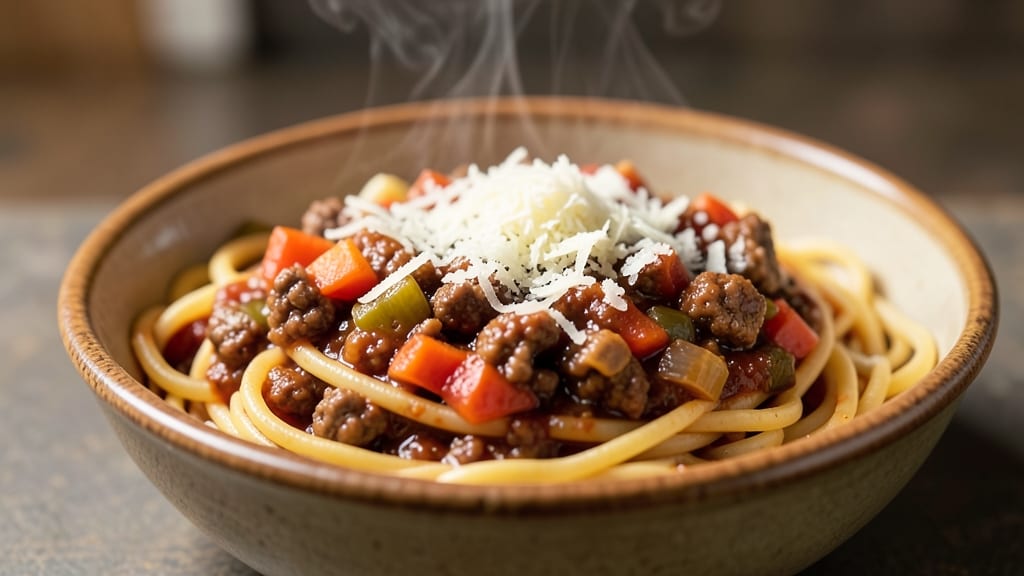
This authentic beef bolognese recipe delivers the deep, slow-simmered richness that makes Italian Sunday dinners legendary. The secret lies in hours of gentle cooking—no rushed shortcuts—that transforms simple ingredients into a sauce so flavorful, it tastes like a trip to Bologna.
I’ve perfected this version to balance tradition with home-cook practicality, ensuring every bite delivers that signature umami depth without requiring a restaurant kitchen.
The foundation starts with finely chopped aromatics—carrots, celery, and onions—that form the soffritto, the flavor base for any proper bolognese. Ground beef (or a mix of beef and pork) browns deeply before dissolving into a rich, velvety sauce with tomatoes, red wine, and a touch of milk for silkiness.
The key? Low and slow—at least 2 hours of simmering—so flavors meld into something complex and comforting. This isn’t instant; it’s a labor of love that pays off in every forkful.
By the time you twirl that first spoonful onto al dente pasta, you’ll taste the difference: no canned tomatoes, no pre-made sauces, just layers of caramelized vegetables, tender meat, and a sauce that clings to noodles like it’s meant to be there.
Serve it with freshly grated Parmesan, crusty bread to soak up every drop, and a simple arugula salad to cut through the richness. This is the bolognese your nonna would approve of—authentic, hearty, and impossible to resist.
Ready to make it? The process is straightforward, but the patience required is what turns good sauce into great. Let’s get started—your taste buds will thank you.
Ingredients for authentic beef bolognese
Sixteen ingredients for a sauce that tastes like a trip to Bologna—no shortcuts, just deep umami flavor.
| Ingredient | Amount | Notes |
|---|---|---|
| Ground Beef 🥩 | 2 lb | 80% lean, finely ground |
| Carrots 🥕 | 2 whole | Medium size, finely diced |
| Celery Stalks 🧅 | 3 whole | Fresh, finely chopped |
| Yellow Onions 🧅 | 1 whole | Medium, finely chopped |
| Garlic Cloves 🧄 | 4 cloves | Fresh, minced |
| Canned San Marzano Tomatoes 🍅 | 28 oz | Crushed, high quality |
| Dry Red Wine 🍷 | 1 cup | Bold, like Cabernet Sauvignon |
| Whole Milk 🥛 | ½ cup | Full-fat for creaminess |
| Tomato Paste 🍅 | 2 tbsp | Smooth, not chunky |
| Extra-Virgin Olive Oil 🫒 | ½ cup | For sautéing |
| Fresh Rosemary 🌿 | 1 tbsp | Finely chopped |
| Fresh Thyme 🌿 | 1 tbsp | Leaves only |
| Salt 🧂 | 1 ½ tsp | Diamond Crystal preferred |
| Freshly Ground Black Pepper 🌶️ | ½ tsp | Coarsely cracked |
| Parmesan Cheese 🧀 | ½ cup | Freshly grated |
The ground beef is non-negotiable—80% lean gives you that perfect balance of tenderness and richness. Costco often has the best price for bulk packages, but any butcher counter will have quality options. Look for bright red color and visible fat marbling. The San Marzano tomatoes are worth the splurge—Trader Joe's carries them canned, and they make all the difference in that authentic Italian flavor. For the aromatics, freshly chopped carrots, celery, and onions (the classic soffritto) form the flavor base, so don't skip the effort here—it's what makes this sauce sing.
No red wine? Dry white wine or beef broth with a splash of balsamic works in a pinch, but you'll lose some depth. Fresh herbs are ideal, but dried thyme at one-third the amount gets you close. The milk might seem odd, but it's what gives traditional bolognese its velvety texture—whole milk is essential (skim won't cut it). For the tomato paste, Rao's brand is my go-to—it's smooth and never bitter. If you can't find San Marzano, any high-quality crushed tomatoes will do, but avoid the watery canned varieties. The Parmesan should be freshly grated from a block—pre-grated has anti-caking agents that ruin the texture.
This sauce tastes even better the next day, so make it ahead if you can. Store in an airtight container in the fridge for up to 5 days, or freeze for 3 months in portions. I always double the batch—one for dinner, one for leftovers that disappear faster than you'd think. When reheating, add a splash of water or broth to prevent drying out. The sauce thickens as it cools, so don't be afraid to thin it with a little pasta water when serving. Every Italian nonna knows this is a dish worth the wait.
Why You'll Love This Recipe
- One-Pot Magic: I swear by this method—just brown the beef, toss in the diced carrots, celery, and onions (that classic "sofrito" combo), then let it simmer. No extra pots, no fuss, and honestly, the flavor only gets better the longer it cooks.
- Umami Bomb: The slow caramelization of onions and garlic with ground beef? It’s where the real magic happens. That deep, savory depth comes from letting the beef release its juices while the veggies break down—no shortcuts, just pure, rich flavor.
- Leftovers That Win: Between us, this sauce only tastes better the next day. I make a double batch on Sundays, freeze half, and still have enough for lazy nights. (Yes, even on a Tuesday night when takeout sounds tempting.)
- Budget-Friendly Classic: Ground beef, a handful of veggies, and pantry staples—this is the kind of meal that stretches your dollar without sacrificing taste. Plus, the carrots and celery last forever, so I’m not scrambling for last-minute grocery runs.
Step-by-step instructions for authentic beef bolognese
Here's how to build the rich, slow-simmered sauce that makes traditional Bolognese unforgettable.
Build the Sofritto Base with Aromatics
Heat the 0.5 cup extra-virgin olive oil in a heavy Dutch oven over medium-low heat. Add the finely chopped celery stalks, finely diced carrots, and finely chopped yellow onions. Cook for 10-12 minutes until the vegetables soften and release their moisture, stirring occasionally. This slow cooking draws out their natural sweetness and forms the foundation of your sauce.
Add the minced garlic cloves and continue cooking for another 2 minutes until fragrant but not browned. Here's the thing—garlic burns quickly, so keep the heat gentle. Stir in the finely chopped fresh rosemary and fresh thyme leaves, cooking for 30 seconds to infuse their flavors. This aromatic blend, called sofritto, is the heart of authentic Bolognese.
Brown the Beef and Develop Deep Flavor
Increase the heat to medium-high and add the 2 lb ground beef in batches, breaking it up with a wooden spoon. Don't overcrowd the pot—work in 2 portions to ensure proper browning. Cook until the beef loses its raw color and develops a rich, caramelized crust, which takes about 8-10 minutes total. This step creates the umami depth that separates good Bolognese from great.
Once fully browned, reduce heat to medium-low and stir in the 2 tbsp tomato paste. Cook for 2 minutes until the paste darkens slightly and coats the beef evenly. This paste acts as a natural thickener and deepens the tomato flavor. If you skip this step, your sauce will lack that signature richness.
Deglaze and Simmer with Wine and Tomatoes
Pour in the 1 cup dry red wine and scrape up any browned bits from the bottom of the pot with a wooden spoon. These fond bits are packed with flavor—don't miss them. Let the wine simmer for 3-4 minutes until it reduces by half. Now add the 28 oz crushed San Marzano tomatoes, 1.5 tsp salt, and 0.5 tsp freshly ground black pepper.
Bring the mixture to a gentle simmer, then reduce heat to low. Partially cover the pot and let it cook for 1.5 hours, stirring occasionally. The sauce should thicken gradually, coating the back of a spoon. Here's where patience pays off—the longer it simmers, the more complex the flavors become. If the sauce gets too thick before the time is up, add 2-4 tbsp water to maintain consistency.
Finish with Milk for Creaminess and Parmesan
After 1.5 hours of simmering, stir in the 0.5 cup whole milk. The milk adds a subtle creaminess that balances the acidity of the tomatoes and rounds out the flavors. Let the sauce simmer uncovered for another 30-45 minutes until it reaches your desired thickness. You're looking for a sauce that coats the back of a spoon but isn't gluey—somewhere between thick stew and loose pasta sauce.
Finally, remove from heat and stir in the 0.5 cup freshly grated Parmesan cheese. Let the sauce rest for 10 minutes to allow the flavors to meld completely. The cheese should melt into the sauce, adding a nutty depth. Taste and adjust seasoning if needed—sometimes Bolognese needs a little more salt or pepper after resting.
Serve with Fresh Pasta and Extra Cheese
Cook 12 oz fresh pasta (tagliatelle or pappardelle work beautifully) in salted boiling water until al dente. Reserve 1 cup pasta water before draining. Toss the pasta with your Bolognese sauce, adding reserved pasta water as needed to loosen it to your preferred consistency. The sauce should cling to each strand of pasta with a glossy, velvety coating.
Serve immediately with additional freshly grated Parmesan cheese on top. Each bite should deliver layers of flavor: the rich, meaty depth of the beef, the bright acidity of the tomatoes, the herbal notes from the rosemary and thyme, and the creamy finish from the milk and cheese. This is the kind of Bolognese that makes people ask for seconds—and thirds.
Pro Tips For Making Authentic Beef Bolognese
- Sweat the Veggies First: The carrots, celery, and onions should soften for 10–12 minutes on medium-low heat before the beef hits the pan. I learned this the hard way—skipping this step means your bolognese will taste raw and watery, no matter how long you simmer later. Stir occasionally and resist the urge to crank the heat; patience here pays off.
- Use a Meat Thermometer: Ground beef for bolognese should hit 160°F (71°C) to kill bacteria without drying out. I used to eyeball it and end up with either pink centers or rubbery chunks. A quick read at the end guarantees safe, juicy meat—no guesswork, no regrets.
- Salt the Beef Early: Season the ground beef with a teaspoon of salt before browning it. The salt breaks down the proteins, helping the meat release more flavor and render fat better. I was skeptical until I tried it—now I can’t imagine making bolognese any other way.
- Deglaze with Wine, Then Tomato: After browning the beef, splash in ½ cup of red wine and let it simmer until fully evaporated before adding tomato sauce. This step builds depth—skipping it means a flatter, less complex flavor. (Yes, even if you’re impatient like me, wait for the alcohol to cook off.)
Health benefits of this dish
Protein Powerhouse
This beef bolognese delivers a substantial protein boost with 24 grams per serving from the 2 lb ground beef, making it an excellent choice for muscle repair and satiety.
The slow-cooked beef retains more of its natural nutrients compared to quick-cooking methods, providing iron and zinc essential for energy and immune function. 💪
Tomato Antioxidants
The San Marzano tomatoes bring lycopene, a powerful antioxidant that supports heart health and may reduce inflammation. One serving provides about 20% of your daily lycopene needs, which research shows becomes more bioavailable when cooked slowly—exactly how we prepare this sauce.
The red wine used in the recipe also contributes resveratrol, another heart-protective compound.
Herbal Benefits
Fresh rosemary and thyme aren't just for flavor—they pack anti-inflammatory properties that can help reduce oxidative stress. Rosemary contains carnosic acid, which may improve memory function, while thyme provides thymol, a compound with natural antibacterial effects. Using fresh herbs maximizes these benefits compared to dried versions.
Heart-Healthy Fats
The extra-virgin olive oil used for sautéing provides monounsaturated fats, the same heart-healthy fats found in Mediterranean diets. These fats help lower bad cholesterol (LDL) while maintaining good cholesterol (HDL).
The whole milk adds conjugated linoleic acid (CLA), a fatty acid linked to reduced body fat and improved metabolic function.
Fiber Boost
While primarily a meat-based dish, the soffritto vegetables (carrots, celery, onions) contribute valuable fiber—about 3 grams per serving. This fiber supports digestion and helps stabilize blood sugar levels.
The tomato paste also adds a small amount of soluble fiber, which promotes gut health and keeps you feeling full longer.
Balanced Nutrition
This bolognese offers a complete nutritional profile when served with whole-grain pasta. The carbohydrates provide sustained energy, while the protein and healthy fats keep you satisfied. The low sodium approach (using Diamond Crystal salt sparingly) makes it heart-friendly, and the no-sugar-added preparation keeps it diabetes-friendly.
It's comfort food that actually works for your body! ✨
Nutrition facts
Frequently asked questions
Why does authentic bolognese take so long to cook?
The 2+ hour simmer is essential for developing deep, complex flavors through a process called Maillard reaction. Slow cooking breaks down connective tissues in the beef, melts fat gradually, and allows aromatics to infuse completely. Skipping this step results in a flat, one-dimensional sauce. Think of it as the difference between instant coffee and a richly brewed espresso—patience creates magic.
Can I substitute pork or chicken for the beef?
Traditional bolognese uses beef (or a beef-pork blend), but you can adapt it. For pork, use 80% lean ground pork and reduce simmering time to 1.5 hours—it cooks faster. Chicken works too, but it's much leaner: use dark meat only and add 1 tbsp tomato paste + 2 tbsp heavy cream at the end to prevent dryness. The texture and flavor will differ, but it's still delicious.
What's the deal with adding milk to bolognese?
The ½ cup whole milk added near the end is a classic Italian technique that creates that signature velvety texture. It balances the acidity of tomatoes and adds subtle sweetness. Some recipes use beef broth instead, but milk's fat content helps emulsify the sauce beautifully. Never use skim milk—the fat is crucial for that luxurious mouthfeel.
How do I fix bolognese that's too thick or too thin?
For thick sauce, stir in 2-4 tbsp pasta water or beef broth while simmering. For thin sauce, simmer uncovered for 10-15 minutes longer to reduce. Pro tip: If you've over-thinned it, remove the lid and cook vigorously for 5 minutes to thicken naturally. The sauce should coat the back of a spoon but remain spoonable—not gluey.
Can I make this in a slow cooker or Instant Pot?
Yes! For a slow cooker, brown the beef first, then transfer everything to the pot and cook on low for 6-8 hours. For an Instant Pot, use the sauté function for the sofritto, then pressure cook for 30 minutes on high. Release pressure naturally, then finish with milk and Parmesan. The Instant Pot version will be faster but slightly less developed in flavor.