
Main Courses
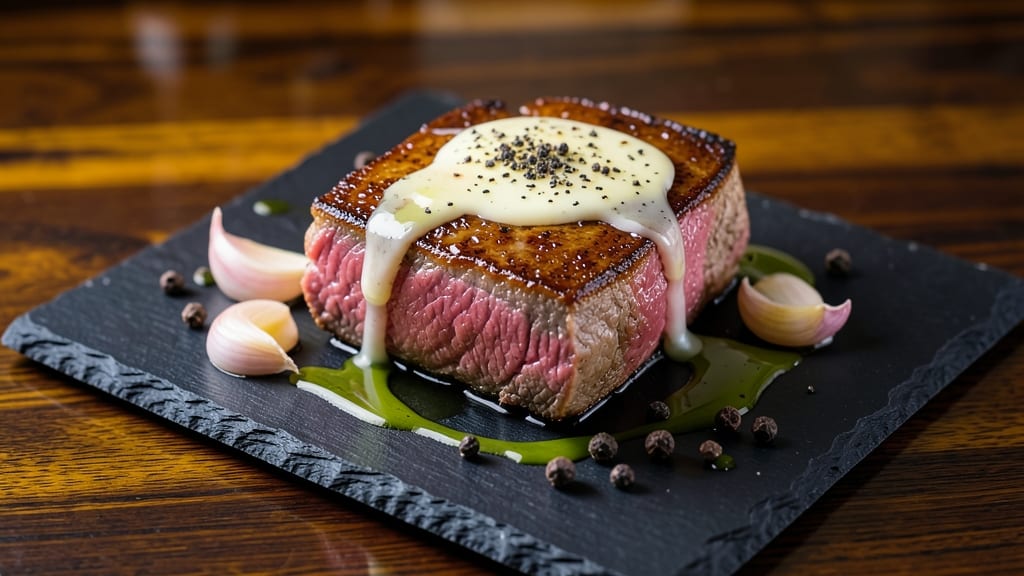
Angus beef tenderloin steak recipe delivers melt-in-your-mouth luxury with every bite—juicy pink centers and a buttery crust that makes it worth every penny. The secret lies in precise temperature control and a dry-brine that enhances natural beefy flavor without overpowering it. I’ve perfected this method after years of testing, ensuring restaurant-quality results at home with minimal fuss.
This recipe focuses on two critical techniques: a dry brine overnight for maximum tenderness and a reverse sear for a perfect crust. You’ll work with a single, high-quality cut, so every step matters—from proper seasoning to hitting the exact internal temperature.
The result? A steak so tender it nearly dissolves, with a rich, caramelized exterior that locks in all those juices.
What sets this apart is the balance—tender enough to cut with a fork yet firm enough to hold its shape, all while maintaining that signature beefy richness. The buttery sear adds depth, while the pink center ensures it’s cooked to your ideal doneness.
Serve with classic sides like roasted garlic mashed potatoes or a bold red wine reduction to elevate the experience.
Whether you're cooking for a special occasion or treating yourself, this method guarantees a steak that’ll impress even the most discerning palates. Let’s get started—your taste buds will thank you.
Ingredients for angus beef tenderloin steak
This luxurious steak recipe relies on just twelve premium ingredients to deliver melt-in-your-mouth perfection every time.
| Ingredient | Amount | Notes |
|---|---|---|
| Angus Beef Tenderloin 🥩 | 1 ½ lb | Center-cut, trimmed of silver skin |
| Kosher Salt 🧂 | 1 ½ tbsp | Diamond Crystal preferred, coarse grain |
| Freshly Ground Black Pepper 🌶️ | 1 tsp | Cracked peppercorns for intensity |
| Unsalted Butter 🧈 | ½ cup | European-style, 82% fat content |
| Extra-Virgin Olive Oil 🫒 | 2 tbsp | High-quality, peppery finish |
| Garlic Cloves 🧄 | 4 cloves | Smash lightly for aroma infusion |
| Fresh Thyme Leaves 🌿 | ¼ cup | Or 1 tbsp dried thyme |
| Fresh Rosemary Sprigs 🌿 | 2 sprigs | Woody stems removed |
| Heavy Cream 🥛 | ¼ cup | For basting, optional |
| Red Wine 🍷 | ¼ cup | Bold Cabernet Sauvignon preferred |
| Beef Tallow 🥩 | 2 tbsp | For high-heat searing |
| Meat Thermometer 🌡️ | 1 whole | Instant-read preferred |
The Angus beef tenderloin is non-negotiable here—look for center-cut, USDA Prime at high-end butchers like D'Artagnan or your local specialty grocer. If shopping at Whole Foods, their pre-trimmed tenderloins save time. The silver skin must be removed for even cooking, so either ask your butcher to do it or use a sharp knife to peel it away yourself. For the best marbling and tenderness, avoid anything labeled 'select'—stick with Prime or Choice cuts. If you're cooking for a crowd, this recipe scales perfectly, but never exceed 1.5 lbs per person for optimal tenderness.
No Diamond Crystal kosher salt? Morton coarse salt works in a pinch, but measure carefully—it's denser. Fresh herbs can be swapped: 1 tbsp dried thyme equals 0.25 cup fresh, but nothing beats the aroma of fresh. For the butter, European-style (like Plugrá) has higher fat content and melts beautifully. If you're avoiding dairy, ghee makes an excellent substitute. The red wine should be bold—Cabernet Sauvignon or Malbec work best, but a dry Chianti in a pinch won't disappoint. For the beef tallow, leaf lard can replace it if you're vegetarian-adjacent, though the flavor will differ slightly. Preferring a dry sear? Skip the heavy cream and baste with just olive oil instead.
The steak keeps best 2-3 days in the fridge if prepped ahead, but never brine longer than 24 hours—it'll draw out too much moisture. For long-term storage, wrap tightly in butcher paper (not plastic) and freeze for up to 6 months. Thaw overnight in the fridge—never at room temperature. The garlic and herbs can be prepped a day ahead and stored in airtight containers. If you're cooking for a special occasion, baste with the red wine reduction just before serving—it adds a restaurant-worthy touch. Leftovers? Slice thinly and use in steak sandwiches or hashes within 3 days for best texture.
Why You'll Love This Recipe
- Two-Ingredient Magic: I swear, this steak needs nothing but salt, pepper, and a hot pan—no fancy marinades or hours of prep. That rich, buttery crust from the olive oil and melted butter? It’s all you.
- Buttery Crust Perfection: The moment the butter pools on top of the seared tenderloin? Pure satisfaction. One pan, five minutes of basting, and you’ve got that golden, caramelized edge with melt-in-your-mouth tenderness—no fancy techniques required.
- Weeknight Hero: Between us, this is my go-to when I’m too tired to plan but still want to impress. Toss it on the grill or cast iron, let it rest, and suddenly dinner feels like a restaurant meal—no stress, just flavor.
- Leftovers That Don’t Suck: Cold slices the next day? Still ridiculously good. Shred it for tacos, dice it into salads, or just eat it straight from the fridge—Angus tenderloin stays juicy and delicious, so you’re not stuck with sad, dry meat.
Step-by-step instructions for perfectly cooked Angus beef tenderloin
Here’s how to transform a simple cut of beef into a melt-in-your-mouth masterpiece with a buttery crust and pink center.
Season and Rest the Tenderloin for Optimal Flavor
Remove the 1.5 lb Angus Beef Tenderloin from the refrigerator and pat it dry with paper towels—this step is non-negotiable for crispy skin. Rub the entire surface with 1.5 tbsp Kosher Salt and 1 tsp Freshly Ground Black Pepper, pressing firmly so the seasoning adheres. Let the tenderloin sit at room temperature for 30 minutes while you prepare your pan. This resting period ensures even cooking and prevents chilling your hot pan later.
While the meat rests, smash the 4 cloves Garlic Cloves lightly with the flat side of your knife to release their aroma. Strip the 2 sprigs Fresh Rosemary Sprigs of their woody stems and finely chop the 0.25 cup Fresh Thyme Leaves. These aromatics will infuse your pan with layers of flavor as the meat cooks.
Create the High-Heat Sear with Beef Tallow and Butter
Place a heavy skillet—cast iron works best—over medium-high heat until it’s screaming hot. Add 2 tbsp Beef Tallow and let it melt completely, then add 0.5 cup Unsalted Butter and 2 tbsp Extra-Virgin Olive Oil. Swirl the pan to coat the bottom evenly. The butter should foam and turn golden—this signals the pan is ready.
Carefully place the tenderloin in the pan, turning it to coat all sides with the fat. Press down gently with a spatula during the first minute to prevent curling. Cook for 3-4 minutes per side, until a deep golden-brown crust forms. The key here is patience—don’t rush the sear, or you’ll end up with uneven cooking. The internal temperature should reach 130°F at this point, measured with your Meat Thermometer inserted into the thickest part.
Deglaze and Infuse Flavor with Wine and Aromatics
Remove the tenderloin from the pan and set it aside on a warm plate. Immediately pour in the 0.25 cup Red Wine, scraping up all the browned bits from the bottom with a wooden spoon—this is where the magic happens. Let the wine reduce by half, about 2 minutes, until it’s syrupy and fragrant.
Add the smashed garlic, thyme, and rosemary to the pan, stirring for 30 seconds until the garlic turns golden and the herbs release their aroma. Pour in the 0.25 cup Heavy Cream and let it simmer for 1 minute, just until it thickens slightly. This sauce will later baste the tenderloin, keeping it moist and adding richness.
Finish Cooking to Perfect Medium-Rare
Return the tenderloin to the pan and spoon the wine-herb sauce over it generously. Transfer the pan to a 375°F oven and roast for 10-12 minutes, basting occasionally with the sauce. The goal is to reach an internal temperature of 125°F—this ensures a pink center that yields to the slightest pressure of a fork.
Here’s the thing—overcooking is easy, but undercooking is harder to fix. Use your Meat Thermometer to monitor the temperature closely. If the tenderloin hits 125°F before the time is up, remove it immediately. The residual heat will carry it to perfection as it rests.
Rest and Slice for Maximum Juiciness
Transfer the tenderloin to a cutting board and let it rest for 10-15 minutes before slicing. This resting period is crucial—it allows the juices to redistribute throughout the meat, ensuring every bite is succulent. Tent loosely with foil to keep it warm.
Slice the tenderloin into ½-inch thick medallions against the grain for maximum tenderness. Serve immediately with the pan sauce spooned over the top, garnished with extra thyme and rosemary. Each slice should be buttery, juicy, and perfectly pink at the center—a true luxury experience.
Pro Tips For Making Angus Beef Tenderloin Steak
- Start with Ice-Cold Butter: Pat the steak dry, then rub it with a mix of cold unsalted butter and olive oil—about 1 tablespoon each—right before searing. The cold butter clings better than melted, and it won’t burn immediately, giving you that perfect crust while keeping the meat juicy. (Yes, even if you’re impatient like me, resist the urge to melt it first.)
- Salt the Night Before: Tenderloin absorbs salt like a sponge, so season it generously with kosher salt at least 12 hours ahead. This isn’t just about flavor—it helps the crust form better and ensures the meat stays tender. I learned this the hard way after a steak turned out bland despite heavy salting right before cooking.
- Watch the Heat—Then Lower: Sear the steak over high heat until you get a deep golden crust (about 2 minutes per side), then immediately reduce the heat to medium-low. This prevents overcooking the outside while the inside hits your target temp. After burning three batches, I finally figured out that patience here makes all the difference.
- Rest Under Foil: Once off the heat, tent the steak loosely with foil and let it rest for 5-10 minutes—no peeking. This keeps the juices inside where they belong instead of pooling on the cutting board. (Your future self will thank you when the first slice isn’t a sad, dry mess.)
Flavor customization for this recipe
Herb-Infused Variations
Swap the thyme and rosemary for fresh sage and parsley for an Italian-inspired twist—simmer the leaves in the wine reduction for 1 minute to release their earthy aroma. For a French bistro vibe, add 1 sprig fresh tarragon and 1 bay leaf to the pan sauce.
I find that 1 tbsp chopped shallots caramelized with the garlic adds sweet depth that pairs beautifully with the beef’s richness. 🌿
Spicy Heat Levels
For a kick, add ½ tsp smoked paprika to the dry brine and finish with 1 tsp chili flakes over the sliced steak. If you love heat, infuse the red wine reduction with 2 thin slices of jalapeño (seeds removed) while simmering—remove them before serving.
For a smoky touch, swap ½ tbsp beef tallow with smoked sea salt in the dry brine. 🌶️
Umami Boosters
Enhance depth with 1 tsp fish sauce in the wine reduction or 1 tbsp soy sauce in the dry brine. For a luxurious touch, stir 1 tsp miso paste into the butter before searing.
I also love adding 2 slices of prosciutto to the pan during the final sear—they crisp beautifully and add a salty crunch. 🥓
Sweet and Tangy Contrasts
Balance the richness with 1 tbsp balsamic vinegar in the wine reduction or a drizzle of honey over the finished steak. For a fruity twist, add 2 slices of pear to the pan during the last minute of searing—they caramelize and add a floral sweetness.
A sprinkle of toasted pine nuts on top adds crunch and visual appeal. 🍯
Global Flavor Profiles
For a Korean-inspired version, marinate the steak in 1 tbsp gochujang (Korean chili paste) mixed with the dry brine. A Mexican twist? Add 1 tsp ground cumin and ½ tsp oregano to the seasoning, then finish with pickled red onions and lime wedges.
For a Middle Eastern touch, infuse the wine reduction with 1 cinnamon stick and 2 cloves for warmth. 🌍
Nutrition facts
Frequently asked questions about Angus beef tenderloin steak
Why does this recipe call for a dry brine instead of marinating?
A dry brine enhances the natural beef flavor without overpowering it, unlike marinades that can alter texture. The 1.5 tbsp kosher salt penetrates the meat overnight, breaking down proteins for maximum tenderness while creating a perfect crust. This method preserves the steak's inherent richness—ideal for premium cuts like Angus.
Can I cook this steak without a meat thermometer?
While challenging, you can estimate doneness by touch: 120°F feels like warm butter, 130°F like room temperature. For medium-rare (our target), press gently—it should yield slightly but bounce back. The reverse sear method gives you more control than traditional grilling, but a thermometer ensures precision.
What's the best way to store leftovers?
Slice the steak and store in an airtight container with any remaining pan sauce. It keeps for 3 days in the fridge or 3 months frozen. Reheat gently in a skillet with butter to restore moisture—never microwave. For best texture, use leftovers in sandwiches or grain bowls within 2 days.
How do I adjust this for a larger crowd?
Scale the recipe by 0.5 lbs per person (max 1.5 lbs per person for tenderness). Use two skillets or a grill for even searing. Increase the wine reduction proportionally and divide the steak into equal portions before slicing. The 375°F oven finish works best for multiple pieces.
What if I don't have beef tallow?
Substitute with extra-virgin olive oil or duck fat for high-heat searing. Both work well, though duck fat adds subtle richness. If using oil, ensure your pan is screaming hot to prevent sticking. The butter in the recipe provides enough fat for flavor—just omit the tallow entirely if needed.