
Soups & Stews
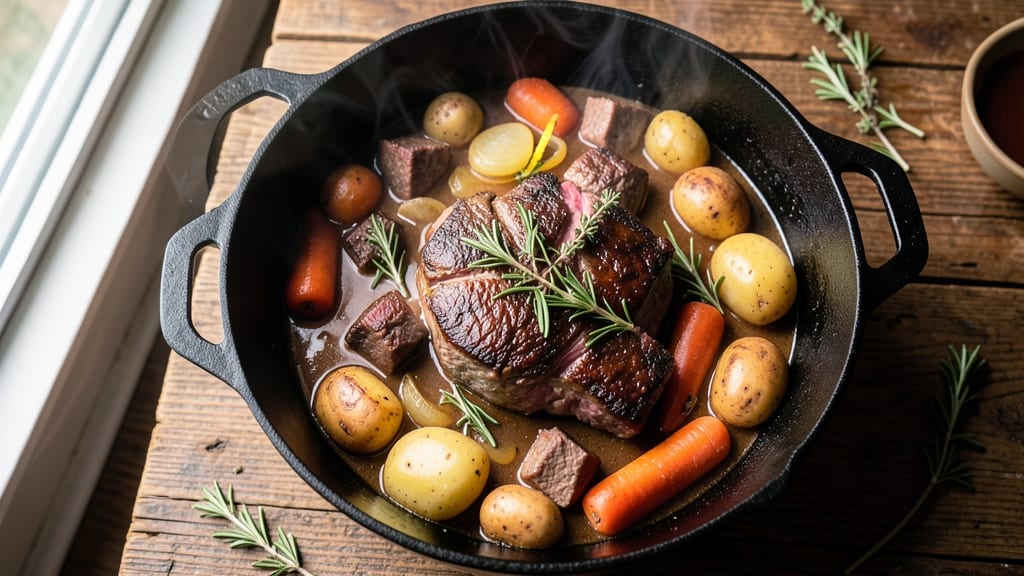
This all-natural beef stew recipe transforms tough cuts into melt-in-your-mouth perfection with slow-simmered richness and herbed potatoes. The secret lies in proper browning and deglazing—techniques that unlock deep, savory flavors without artificial additives.
I developed this version after years of testing, ensuring every bite delivers the hearty comfort of a farmhouse meal without shortcuts.
What sets this stew apart is the balance of grass-fed beef, organic root vegetables, and aromatic herbs that infuse the broth naturally. The slow cooking process (whether on the stovetop, in an Instant Pot, or the oven) breaks down collagen for a velvety texture while keeping the meat fork-tender.
No bouillon cubes or preservatives—just real ingredients that build flavor over time.
By the time you serve it, you’ll have a steaming bowl of caramelized beef, tender carrots, and herbed potatoes swimming in a rich, naturally thickened broth.
The aroma alone will have everyone gathered at the table, and the first bite delivers on that classic stew experience—warm, satisfying, and full of old-fashioned comfort.
Pair it with crusty sourdough or roasted garlic bread to soak up every last drop of that flavorful liquid. This is the kind of recipe that gets better the next day, making it perfect for meal prep or a cozy weekend project. Let’s get started on creating something truly special.
Ingredients for all natural beef stew
Real ingredients for a stew that tastes like home-cooked comfort—no shortcuts.
| Ingredient | Amount | Notes |
|---|---|---|
| Grass-Fed Beef Chuck Roast 🥩 | 2 lb | Cut into 1.5-inch cubes |
| Yellow Onions 🧅 | 1 whole | Medium size, sliced |
| Carrots 🥕 | 4 medium | Peeled, cut into chunks |
| Russet Potatoes 🥔 | 2 lb | Peeled, cut into 1-inch cubes |
| Fresh Rosemary 🌿 | ¼ ounce | Fresh sprigs, chopped |
| Fresh Thyme 🌿 | ¼ ounce | Fresh sprigs, chopped |
| Garlic Cloves 🧄 | 6 cloves | Minced, peeled |
| Tomato Paste 🍅 | 2 tbsp | High quality, unsweetened |
| Red Wine 🍷 | 1 cup | Bold dry variety, optional |
| Beef Broth 💧 | 4 cups | Homemade or low-sodium |
| Olive Oil 🫒 | 2 tbsp | Extra-virgin for browning |
| Salt 🧂 | 1 ½ tsp | Diamond Crystal kosher salt |
| Ground Black Pepper 🌶️ | 1 tsp | Freshly ground preferred |
| Bay Leaves 🍃 | 2 whole | Removed before serving |
The beef is the star—grass-fed chuck roast from a trusted butcher or Costco gives you that melt-in-your-mouth texture. Look for good marbling, and ask for it pre-cubed to save time. If you're buying whole, 2-3 lbs will give you plenty for leftovers. The potatoes? Russets hold up best to slow cooking—avoid red potatoes, they'll turn mushy. For the herbs, Trader Joe's has great fresh bundles, but if you're grabbing sprigs, make sure they smell vibrant, not dried out.
No red wine? Beef broth with a splash of balsamic vinegar works just as well—trust me, no one will miss it. The tomato paste can be skipped if you're not a fan, but it adds that deep, savory base. Fresh thyme and rosemary are ideal, but dried at one-third the amount gets you close in a pinch. For the carrots, baby carrots are fine, but whole carrots give you more control over size. The beef broth? Homemade is best, but low-sodium store-bought is fine if you're in a hurry.
This stew tastes even better the next day—4-5 days in the fridge, no problem. For freezing, portion into containers and it keeps for 3 months. I always make a double batch because reheating is just as good as the first serving. Store the broth separately if you want to use it for other recipes—it's liquid gold. The potatoes and carrots can be prepped ahead and stored in cold water in the fridge until you're ready to brown the beef.
Why You'll Love This Recipe
- One-Pot Magic: I swear by this—just dump everything in one pot, let it simmer, and walk away. No chopping boards, no extra pans, no stress. The grass-fed chuck practically melts into tender perfection while you’re doing laundry or scrolling through your phone.
- Deep, Earthy Richness: That first bite? The beef’s natural fat renders into the onions, carrots, and potatoes until the broth is thick and golden, with rosemary adding a piney finish that makes it taste like a Sunday dinner. (Yes, even on a Tuesday night.)
- Leftovers That Shine: Between us, this stew only gets better after day two. The potatoes soak up all that flavor, the beef gets even more fork-tender, and I’ve reheated it for lunch three times without a single complaint. Packs perfectly for work lunches too.
- Budget-Friendly Feast: A single chuck roast stretches to feed four hungry people, and the veggies are pantry staples. I’ll be real: I’ve made this on grocery store sales, and it still tastes like a splurge. Plus, the rosemary makes it feel fancy without the price tag.
Step-by-step instructions for all natural beef stew
This slow-simmered masterpiece delivers deep flavor and tender meat every time.
Sear the Beef Chuck for Maximum Flavor
Heat the 2 tablespoons olive oil in a heavy Dutch oven over medium-high heat until shimmering. Working in batches, add the 2 lb grass-fed beef chuck roast cut into 1.5-inch cubes, letting each piece develop a deep brown crust before turning—this creates the rich foundation for your stew. I press down gently on the meat during the first minute to prevent curling and ensure even contact with the pan.
Once all beef is browned (about 10-12 minutes total), remove it and set aside. The pan should have a beautiful mahogany layer of fond at the bottom—this is pure flavor you don't want to miss. If the fond builds up too quickly, reduce heat slightly to prevent burning. This searing step is where the magic begins.
Build the Aromatic Base
In the same Dutch oven, add the 1 whole yellow onions sliced and 4 medium carrots cut into chunks. Cook for 5-6 minutes until softened and just beginning to caramelize. Add the 6 cloves garlic cloves (minced) and cook for another 30 seconds until fragrant—this prevents the garlic from burning while releasing its full flavor.
Stir in the 2 tablespoons tomato paste and cook for 1 minute to deepen its flavor. Pour in the 1 cup red wine (if using) and scrape up all those browned bits from the bottom with a wooden spoon. Let the wine simmer for 2-3 minutes until reduced by half. This deglazing step captures all the concentrated beef flavor you worked so hard to develop.
Simmer the Stew Until Tender
Return the browned beef to the pot. Add the 4 cups beef broth, 1.5 teaspoons salt, 1 teaspoon ground black pepper, 0.25 ounce fresh rosemary, 0.25 ounce fresh thyme, and the 2 whole bay leaves. Bring to a gentle boil, then reduce heat to low and cover partially. Let it simmer for 1.5 hours, stirring occasionally, until the beef is fork-tender.
The reason we simmer low and slow is to break down the tough connective tissue in the chuck roast, transforming it into melt-in-your-mouth tenderness. You'll know it's ready when a knife slides in easily and the meat pulls apart with gentle pressure. If the liquid reduces too much before the beef is tender, add a splash of water or broth to maintain the proper consistency.
Add Potatoes for Perfect Texture
About 30 minutes before the stew is fully tender, add the 2 lb russet potatoes cut into 1-inch cubes. The potatoes will absorb the rich beef broth and become creamy while maintaining their shape. Stir gently to distribute them evenly throughout the stew—this ensures each bite has that perfect combination of tender beef and hearty potato.
Continue simmering uncovered for the final 30 minutes, allowing the liquid to reduce slightly and the flavors to meld together. The potatoes should be tender but still hold their shape when pierced with a fork. If the stew seems too thick, add a little more broth to reach your desired consistency. This is where the stew transitions from good to extraordinary.
Finish and Serve
Remove the 2 whole bay leaves before serving—you don't want their tough edges in your final dish. Taste and adjust seasoning if needed, adding more salt or pepper as necessary. The stew should be rich, flavorful, and perfectly balanced with tender beef, caramelized vegetables, and aromatic herbs.
Serve immediately with crusty bread or over buttered egg noodles to soak up every last drop of that delicious broth. The contrast of the warm bread against the hearty stew makes this dish truly satisfying. Leftovers keep well in the refrigerator for up to 4 days, with flavors actually improving as they develop overnight.
Pro Tips For Making All Natural Beef Stew
- SEAR THE CHUCK FIRST: Don’t skip browning that grass-fed chuck—high heat for 4-5 minutes per side until deep golden. I learned this the hard way when my stew tasted like it simmered in water instead of flavor. A cast-iron pan or heavy Dutch oven makes this easier, and yes, it’s worth the extra 10 minutes.
- CUT POTATOES UNIFORM: Russets break apart when overcooked, so slice them into 1-inch chunks—not too small, or they’ll turn to mush. I used to eyeball it, but measuring once with a knife against a ruler guarantees even cooking. Save the scraps for mash if you’re feeling lazy.
- LOW AND SLOW WINS: After browning, reduce heat to a gentle simmer—180°F (82°C) if your pot has a gauge. I used to rush it, and the meat stayed tough. Cover loosely (so steam escapes) and let it cook for 3-4 hours. Patience here makes the difference between fork-tender and chewy.
- ADD ROSEMARY LATE: Toss fresh rosemary sprigs in at the very end—last 30 minutes of cooking. Too early, and it’ll turn bitter. I was skeptical until I tried it: the aroma hits just as the potatoes soften, and the flavor stays bright. No need for more than 2 sprigs; less is more.
Serving suggestions for leftovers
Crusty Bread Pairing
Nothing beats a warm slice of sourdough or baguette to soak up the rich beef broth. I recommend toasting your bread with a generous slather of garlic butter—just mix 2 tbsp softened butter with 1 minced garlic clove and a pinch of salt.
The buttery crunch contrasts perfectly with the stew’s hearty texture. 🥖
Roasted Garlic Bread
For an extra-special touch, try this roasted garlic bread recipe: Halve a baguette, brush with 1 tbsp olive oil, and stuff the cavity with 3 roasted garlic cloves.
Wrap in foil and bake at 375°F for 15 minutes. The soft, garlicky bread melts into the stew like a dream.
Buttered Egg Noodles
If you prefer something lighter, wide egg noodles work beautifully. Cook 8 oz noodles until al dente, then toss with 2 tbsp melted butter and a sprinkle of Parmesan cheese. The eggy richness complements the stew’s depth without overpowering it.
Simple Green Salad
A bright arugula salad with lemon vinaigrette cuts through the richness. Toss 4 cups arugula with 2 tbsp olive oil, 1 tbsp lemon juice, and a pinch of flaky sea salt. Add thinly sliced pear for a touch of sweetness that balances the savory stew. 🥗
Pickled Vegetables
Add a tangy contrast with quick-pickled red onions or radishes. Thinly slice ½ red onion and ½ cup radishes, then soak in ½ cup vinegar, 1 tbsp sugar, and ½ tsp salt for 30 minutes. The acidity brightens every bite of stew.
Garnish Like a Pro
Before serving, garnish with fresh parsley and a drizzle of high-quality olive oil. For extra flair, sprinkle with toasted breadcrumbs or crumbled blue cheese if you love a bold finish. The visual pop makes the dish feel restaurant-worthy. ✨
Nutrition facts
Frequently asked questions
Can I substitute grass-fed beef with another cut?
Yes, but choose wisely! Chuck roast is ideal for its marbling and flavor, but stew meat (pre-cut chuck) or brisket work well too. Avoid lean cuts like sirloin—they won't become tender. For a quicker option, use pre-cubed beef stew meat (sold at most grocery stores) to skip the cutting step.
How do I make this in an Instant Pot instead of stovetop?
Use the Sauté function to brown the beef, then add all ingredients and cook on High Pressure for 45 minutes. Quick-release the pressure, then add potatoes and cook on Keep Warm for 10 minutes. The Instant Pot cuts cooking time by half while keeping the meat tender.
Why did my stew turn out watery?
This usually happens when using too much broth or not enough simmering time. The potatoes release starch as they cook—simmer uncovered for the last 15-20 minutes to reduce the liquid. For extra thickness, mash 1-2 potato cubes with a fork to release starch into the broth.
Can I make this stew ahead of time?
This stew tastes even better the next day. After cooking, let it cool completely, then refrigerate for up to 4 days or freeze for 3 months. Reheat gently on the stove over low heat or in the microwave (stirring halfway) to maintain texture.
What if I don't have red wine?
No problem! Use an extra ½ cup beef broth plus 1 tbsp balsamic vinegar for depth. Or swap for apple cider vinegar (1 tbsp) to add brightness. The key is maintaining the same liquid volume—just adjust the acidity to taste.