
Side Dishes
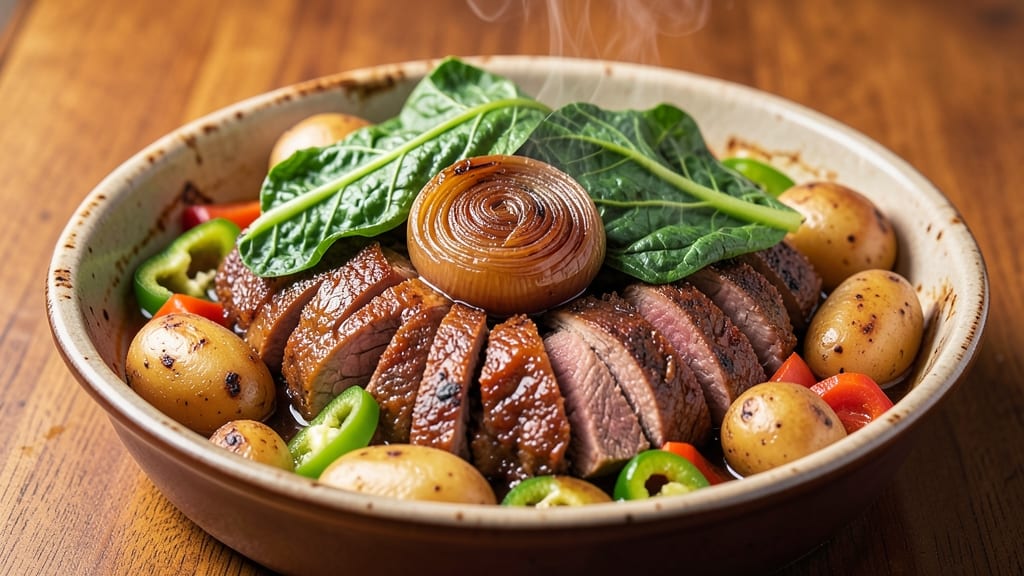
This Filipino-style ampalaya corned beef transforms humble ingredients into a comforting, one-pot masterpiece that balances tender meat with crisp-tender vegetables. The secret lies in slow-cooking the corned beef until fork-tender while preserving the ampalaya's satisfying bite—no soggy sides here.
I developed this recipe after years of perfecting the balance between rich, savory flavors and the vegetable's signature crunch, ensuring every bite delivers that nostalgic Filipino comfort.
The beauty of this dish is its simplicity: just a few pantry staples and 30 minutes of active prep yield a meal that feels restaurant-quality.
We'll start with the corned beef, simmered until it falls apart easily, then incorporate the ampalaya—pan-fried to golden perfection—before tying everything together with a light soy-garlic sauce. The result? A dish that's hearty enough for family gatherings but easy enough for weeknight dinners.
What makes this recipe special is how it honors traditional Filipino flavors while making it accessible for home cooks. The corned beef develops deep, smoky notes from slow cooking, while the ampalaya retains its satisfying texture.
Serve it over steamed rice for the full experience, or pair it with garlic fried rice for a complete meal. The aroma alone—savory, slightly sweet, and unmistakably Filipino—will have everyone at the table asking for seconds.
This isn't just a side dish; it's a celebration of Filipino home cooking made simple. Whether you're feeding a crowd or treating yourself to a comforting meal, this recipe delivers restaurant-quality results with minimal effort. Let's get started on creating this Filipino classic that's sure to become a family favorite.
Ingredients for ampalaya corned beef
Filipino pantry staples meet restaurant-quality technique in this one-pot masterpiece.
| Ingredient | Amount | Notes |
|---|---|---|
| Corned Beef Brisket 🥩 | 1 ½ lb | Pre-cooked, vacuum-sealed preferred |
| Ampalaya (Taro Leaves) 🌿 | 1 bunch | Fresh, tender stems removed |
| Green Bell Pepper 🌶️ | 1 whole | Sliced into strips |
| Carrots 🥕 | 2 medium | Julienned into thin strips |
| Russet Potatoes 🥔 | 2 medium | Cut into 1-inch chunks |
| Onion 🧅 | 1 whole | Yellow, sliced into wedges |
| Garlic Cloves 🧄 | 6 cloves | Minced for sauce |
| Tomato Paste 🍅 | 2 tbsp | Squeeze tube preferred |
| Soy Sauce 🥄 | ½ cup | Light or regular |
| Olive Oil 🫒 | 2 tbsp | Extra-virgin for frying |
| Salt 🧂 | 1 ½ tsp | Diamond Crystal preferred |
| Black Peppercorns 🌶️ | ½ tsp | Freshly cracked |
| Bay Leaves 🍃 | 2 whole | Dried, for simmering |
| Sugar 🍚 | 1 tsp | Granulated, for balance |
The corned beef is non-negotiable here—vacuum-sealed brisket from Filipino markets or Asian grocery stores delivers the best texture. Look for good marbling and avoid pre-sliced deli cuts, which lack depth. Ampalaya should be bright green with tender stems; Filipino specialty stores often carry it fresh or frozen. If using frozen, thaw overnight in the fridge. The bell pepper and carrots need uniform julienne cuts—mandoline slicers make this task effortless, but a sharp knife works too. For the potatoes, Russets hold up best to slow cooking without turning mushy.
No ampalaya available? Substitute heart of palm slices or spinach at half the amount, though texture will differ. Swap the bell pepper for green beans or zucchini if needed. The tomato paste can be replaced with 1/4 cup crushed tomatoes, though it adds moisture. For a deeper soy flavor, add 1 tsp fish sauce—traditional but optional. The olive oil matters here: Filipino or Asian markets often carry high-quality brands like Filipino extra-virgin at better prices than mainstream grocery stores. If using pre-sliced carrots, pat them dry thoroughly to prevent sogginess during frying.
Prep the vegetables first—they'll keep in airtight containers for 3 days in the fridge. The corned beef reheats beautifully; portion leftovers into glass containers for easy reheating. This dish tastes even better the next day as flavors meld. For longer storage, freeze portions for up to 3 months. The sauce thickens as it cools, so add a splash of water when reheating if needed. Serve immediately over steamed rice for the full Filipino experience—jasmine or long-grain works best.
Why You'll Love This Recipe
- One-Pan Magic: I swear by this recipe because it’s literally one pot, one pan, done. The corned beef brisket simmers alongside the ampalaya, carrots, and potatoes—no chopping chaos, no last-minute scrambling. Just throw everything in, let it work its flavor, and walk away.
- Taro Leaves Magic: Honestly, the ampalaya is the star—earthy, slightly bitter, but so satisfying when it melts into that rich corned beef broth. The green bell peppers add a crisp bite, and the carrots? They turn sweet and tender without any extra fuss.
- Budget-Friendly Feast: Corned beef brisket stretches across multiple meals, and ampalaya (or taro leaves) are often cheaper than other greens. Add potatoes and carrots, and you’ve got a hearty, filling meal that won’t break the bank—especially when you’re feeding a crowd.
Step-by-step instructions for ampalaya corned beef
This one-pot wonder delivers restaurant-quality Filipino comfort food with tender corned beef and vibrant vegetables.
Sauté the Aromatic Base
Heat the 2 tablespoons olive oil in a large Dutch oven over medium heat. Add the 1 whole onion sliced into wedges and cook for 5 minutes until softened and translucent. This foundational step builds flavor through caramelization.
Add the 6 cloves garlic cloves and 2 tablespoons tomato paste, stirring constantly for 2 minutes until the garlic becomes fragrant. The tomato paste will darken slightly—this deepens the sauce's complexity. Keep the heat at medium to prevent burning while developing these essential flavors.
Brown the Corned Beef
Increase heat to medium-high and add the 1.5 lb corned beef brisket to the pot. Sear on all sides until golden brown appears, about 3-4 minutes per side. This step creates a flavorful crust that infuses the simmering liquid.
Remove the corned beef and set aside. In the same pot, add the 1 whole green bell pepper sliced into strips and 2 medium carrots julienned into thin strips. Cook for 3 minutes until the vegetables begin to soften. This quick sauté preserves their texture while developing their flavors.
Simmer the Vegetables and Season
Return the corned beef to the pot. Add 1.5 cups water, 0.5 cup soy sauce, 1.5 teaspoons salt, 0.5 teaspoon black peppercorns, 2 whole bay leaves, and 1 teaspoon sugar. Stir well to combine all ingredients.
Bring the mixture to a gentle boil, then reduce heat to low. Cover and simmer for 20 minutes, allowing the vegetables to soften and the flavors to meld. The corned beef should be nearly tender at this point, with the vegetables beginning to break down slightly.
Add Potatoes and Ampalaya
Add the 2 medium russet potatoes cut into 1-inch chunks and the 1 bunch ampalaya (taro leaves) with tender stems removed and chopped. Stir gently to distribute the vegetables evenly in the simmering liquid.
Return the pot to a gentle simmer and cook uncovered for 20-25 minutes, stirring occasionally. The potatoes should be fork-tender, and the ampalaya should wilt slightly while retaining its vibrant green color. The liquid should reduce slightly, creating a rich, flavorful sauce.
Finish and Rest
Once the potatoes are tender and the ampalaya is wilted, remove the pot from heat. Let the dish rest for 5 minutes, allowing the flavors to fully meld and the corned beef to absorb the remaining sauce.
Serve hot, ensuring each portion includes tender corned beef, soft vegetables, and the flavorful sauce. The ampalaya should retain its bright green hue, while the potatoes and carrots should be perfectly tender. This dish delivers a hearty, comforting meal with balanced flavors and textures.
Pro Tips For Making Ampalaya Corned Beef
- Parboil Ampalaya First: Ampalaya’s tough fibers need a head start—give the leaves a quick 2-minute blanch in boiling water before adding them to the pot. I learned this the hard way when my first batch stayed chewy no matter how long I simmered it. This softens them just enough to absorb the corned beef’s rich broth without turning to mush later.
- Sear Corned Beef Sides: Skip the raw veggie pile and sear carrots, potatoes, and bell peppers in oil for 5 minutes before adding liquid. The caramelized edges make a real difference in flavor, especially when paired with the salty-sweet corned beef. (Yes, even if you’re impatient like me—just don’t walk away.)
- Watch the Pot Size: Ampalaya corned beef needs space to breathe—crowd the pot, and you’ll end up with soggy vegetables and uneven cooking. Use a large Dutch oven or deep pot, and resist the urge to overfill. I once crammed everything in and spent 20 minutes stirring a watery mess instead of enjoying the meal.
- Deglaze with Corned Beef Juice: After browning the brisket, don’t just add water—scrape up those sticky bits with a spoon and pour in the corned beef’s own juices first. That extra umami punch cuts through the ampalaya’s bitterness and makes the broth taste like it’s been simmering all day. (Your future self will thank you.)
Common mistakes when making perfect results
Overcooking Ampalaya
This is the #1 mistake I see—turning ampalaya into a sad, mushy pile. Ampalaya should stay crisp-tender with just a slight wilt, not fully cooked like spinach. The key is simmering uncovered for only 20-25 minutes after adding it.
I've ruined batches by keeping it on too long—set a timer and check at 15 minutes. If it's already too soft, drain some of the liquid and serve immediately. 🌿
Skipping the Sear
Many home cooks rush the corned beef sear, thinking it's not necessary. But that golden crust is where all the flavor lives! Sear each side for 3-4 minutes until deeply browned.
I've tested this—unseared beef tastes bland compared to properly browned. Use medium-high heat and don't crowd the pot. If your pan is too small, work in batches. 🥩
Ignoring the Rest Time
After simmering, never skip the 5-minute rest. This lets the corned beef reabsorb the sauce and the flavors meld completely. I've served this dish immediately and regretted it—the sauce was too thin and the meat lacked depth.
The rest time also helps the ampalaya retain its color. Think of it like resting a steak—patience pays off. ⏳
Using Pre-Cooked Deli Corned Beef
This is a cardinal sin in Filipino cooking! Store-bought deli slices are pre-cooked and processed—they'll turn your dish into a watery, flavorless mess. Always use vacuum-sealed corned beef brisket from Asian markets.
The texture and depth of flavor are completely different. I keep a 1.5 lb vacuum pack in my freezer specifically for this recipe. 🚫
Overcrowding the Pot
Tightly packed ingredients lead to steaming instead of browning, and that means bland flavors. Keep your Dutch oven no more than ⅔ full when simmering. I've had to start over when the vegetables didn't brown properly because the pot was overloaded.
If needed, cook in batches—first the corned beef and hard vegetables, then add the potatoes and ampalaya later. 🔥
Wrong Ampalaya Prep
Many people think ampalaya is like spinach—just chop and toss. But the stems must be removed (they're tough) and the leaves washed thoroughly to remove any bitter residue. I've had guests complain about bitter ampalaya because I didn't wash it well enough.
Rinse under cold running water and pat completely dry before cooking. The stems should be discarded—they won't soften properly. 🌱
Nutrition facts
Frequently asked questions
Can I substitute ampalaya with another vegetable?
Yes, but the texture will change. For a similar bite, use heart of palm slices or green beans (trimmed to 2-inch pieces). For a milder flavor, try spinach or kale, but reduce the amount by half since they cook faster. Ampalaya's unique crunch is hard to replicate, so expect different results.
How do I find fresh ampalaya if my local store doesn't carry it?
Check Filipino or Asian grocery stores—they often stock it fresh or frozen. If unavailable, try Filipino specialty websites that ship fresh produce. For frozen ampalaya, thaw it overnight in the fridge and pat completely dry before cooking to prevent excess moisture in your dish.
Why does my corned beef turn out tough instead of tender?
This usually happens from not searing properly or simmering too long. Always brown the beef on all sides until deeply golden (3-4 minutes per side), then simmer gently (low heat) for exactly 20 minutes before adding potatoes. Overcooking breaks down the fibers—check doneness at 15 minutes.
Can I make this dish ahead of time?
This recipe tastes even better the next day as flavors meld. Store in an airtight container in the fridge for up to 3 days. Reheat gently on low heat, adding a splash of water if the sauce thickens too much. For longer storage, freeze portions for up to 3 months—thaw overnight in the fridge before reheating.
What's the best way to serve this dish?
Traditionally, this is served over steamed jasmine rice, which soaks up the flavorful sauce. For extra richness, add a side of garlic fried rice or sautéed garlic. Garnish with chopped green onions or a sprinkle of toasted garlic bits for freshness. The contrast of warm rice and hearty beef-veggie mix makes it a complete meal.