
Side Dishes
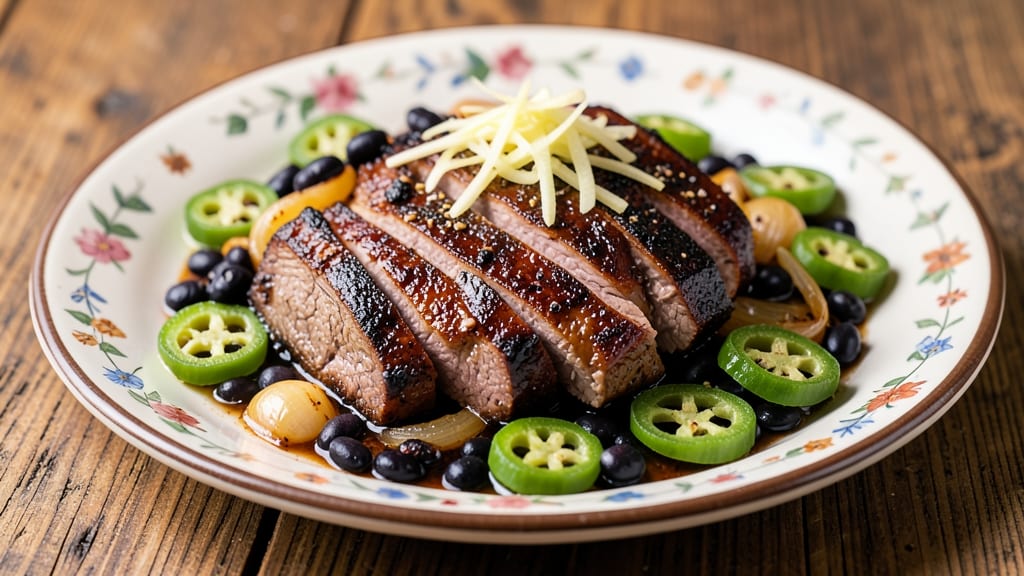
This beef ampalaya with black beans recipe delivers the soul-warming comfort of Filipino home cooking in a single pot. 🌟 The tender beef and hearty black beans meld with bitter melon (ampalaya) and aromatic spices, creating a dish that's both rustic and deeply satisfying—perfect for weeknight dinners or family gatherings.
The secret lies in balancing flavors through slow simmering, where the natural bitterness of ampalaya transforms into a rich, savory depth. Sautéed onions, garlic, and ginger form the aromatic base, while soy sauce and vinegar add that signature Filipino tang. This one-pot wonder minimizes cleanup while delivering restaurant-quality results.
Expect a dish with tender beef, perfectly softened ampalaya, and creamy black beans—all infused with the warm spices that define Filipino cuisine. The sauce thickens beautifully as it simmers, coating every ingredient in a flavorful embrace. Serve with steamed rice to soak up every last drop of that aromatic broth.
Whether you're introducing someone to Filipino flavors or recreating a childhood favorite, this recipe delivers hearty satisfaction with minimal effort. The technique is straightforward but yields deeply flavorful results—proof that comfort food can be both simple and extraordinary.
Ingredients for beef ampalaya with black beans
Filipino flavors come together in this hearty one-pot dish with tender beef and creamy black beans.
| Ingredient | Amount | Notes |
|---|---|---|
| Beef Chuck Roast 🥩 | 1 ½ lb | Cut into 1-inch cubes, boneless |
| Fresh Ampalaya (Bitter Melon) 🥒 | 2 cups | Diced, skin removed, seeds discarded |
| Canned Black Beans 🌱 | 15 oz | Drained and rinsed thoroughly |
| Yellow Onions 🧅 | 1 whole | Thinly sliced, about 1.5 cups |
| Garlic Cloves 🧄 | 6 cloves | Minced, about 1 tbsp |
| Fresh Ginger 🌿 | 1 ½ tbsp | Grated, about 1-inch piece |
| Coconut Milk 🥥 | 1 cup | Full-fat for creaminess |
| Soy Sauce 🍶 | ½ cup | High-quality, light soy preferred |
| White Vinegar 🍋 | ¼ cup | White or cane vinegar |
| Tomato Paste 🍅 | 2 tbsp | Smooth, no sugar added |
| Ground Black Pepper 🌶️ | ½ tsp | Freshly ground preferred |
| Bay Leaves 🌿 | 2 whole | Dried, for infusion |
| Olive Oil 🫒 | 2 tbsp | Extra-virgin for richness |
| Salt 🧂 | 1 ½ tsp | Diamond Crystal kosher salt |
The beef is the foundation—chuck roast delivers that melt-in-your-mouth texture when cooked low and slow. Costco or local butchers often carry it pre-cut, which saves time, but if buying whole, ask for a well-marbled piece. Ampalaya (bitter melon) can be tricky to find fresh, so Asian grocery stores are your best bet. Look for firm, unblemished melons with vibrant green skin—they'll have the perfect balance of bitterness and sweetness. If fresh isn't available, frozen pre-diced ampalaya works in a pinch, just thaw and drain well.
No soy sauce? Coconut aminos or tamari will give you that umami punch, though the flavor profile shifts slightly. Substituting canned black beans? Dried beans soaked overnight work, but they'll need longer cooking time. The coconut milk is non-negotiable for creaminess—full-fat only here, as lighter versions won't deliver the same richness. For the tomato paste, Trader Joe's squeeze tubes are perfect—they're convenient and last months in the pantry. Fresh ginger is ideal, but if you're using dried, reduce to one-third the amount—it's much more concentrated.
This dish tastes even better the next day as flavors meld. Store in an airtight container in the fridge for up to 5 days, or freeze portions for 3 months. The sauce thickens as it cools, so a splash of water or coconut milk revives it beautifully when reheating. For meal prep, double the recipe—it reheats perfectly and makes lunches effortless. The aromatic bay leaves can be removed before serving, but leave them in during cooking for maximum depth of flavor.
Why You'll Love This Recipe
- One-Pot Magic: I swear by this recipe when I’m too tired to wash pots. The beef slow-cooks right in the same pan as the ampalaya and beans—no extra dishes, just deep, rich flavors that taste like they simmered all day. (Yes, even on a Tuesday night when takeout menus feel overwhelming.)
- Black Bean Boost: Here’s what sold me—the black beans turn this from a simple stew into something hearty and satisfying. They soak up all the garlic and beef juices, adding that perfect chewy texture that makes every bite feel intentional. (My husband always asks for seconds, and he’s not easy to impress.)
- Weeknight Workhorse: This dish is my go-to when I need something that feeds a crowd but doesn’t require hours in the kitchen. Double the batch, and you’ve got leftovers for lunch—just reheat and serve with rice. Honestly, it’s the kind of meal that makes me feel like I actually cooked something special, even if it’s just a weeknight dinner.
- Budget-Friendly Powerhouse: Beef chuck roast is affordable, and canned black beans stretch every ingredient further. The ampalaya adds that fresh, slightly bitter crunch without breaking the bank, and onions/garlic bulk it up for minimal cost. I’ll be real: it’s the kind of recipe that makes me feel like I’m eating restaurant-quality without the price tag.
Step-by-step instructions for Filipino-style beef ampalaya
Master this one-pot Filipino classic where tender beef and bitter melon unite in a rich, savory-sweet sauce.
🔥 Step 1: Sear the Beef for Deep Flavor
Heat the 2 tablespoons olive oil in a large Dutch oven over medium-high heat. Add the 1.5 lb beef chuck roast cut into 1-inch cubes and sear for 4-5 minutes until the edges turn deep golden brown. This step develops the Maillard reaction, creating that rich, caramelized foundation for the dish.
Work in batches if needed to avoid crowding the pan—this ensures each piece gets proper browning. Once all beef is seared, transfer it to a plate and set aside. The beef will continue cooking later, so don't worry about full doneness yet. You'll know it's ready when it releases easily from the pan and develops a crispy crust on the edges.
👨🍳 Step 2: Build the Aromatic Base
In the same Dutch oven, add the 1 whole yellow onions (thinly sliced) and cook for 3-4 minutes until softened and lightly golden. Add the 6 cloves garlic cloves (minced) and 1.5 tablespoons fresh ginger (grated), cooking for another 1 minute until fragrant—this is where the dish gets its aromatic depth.
Stir in the 2 tablespoons tomato paste and cook for 1 minute until it darkens slightly. This creates a flavorful base that will meld beautifully with the other ingredients. Here's the thing—don't rush this step. The tomato paste needs time to develop its rich, umami notes before we move forward.
🥘 Step 3: Simmer the Vegetables and Seasonings
Add the 2 cups fresh ampalaya (bitter melon) (diced), 15 oz canned black beans (drained and rinsed), 0.5 cup soy sauce, 0.25 cup white vinegar, 0.5 teaspoon ground black pepper, and 2 whole bay leaves. Stir well to combine all ingredients, then pour in 1 cup coconut milk and 1.5 teaspoons salt. The mixture should bubble gently—this is your signal to reduce the heat to medium-low.
Bring to a gentle simmer and cook uncovered for 15 minutes, stirring occasionally. You want the ampalaya to soften but still retain some texture—it should be tender yet slightly crisp. The black beans will absorb some of the flavors, becoming plump and infused. If the mixture looks too thick, add ¼ cup water to maintain the right consistency.
⏰ Step 4: Finish with Beef and Rest
Return the seared beef to the Dutch oven and spoon the cooking liquid over it to ensure even distribution. Cover and simmer for 45-50 minutes on low heat, stirring occasionally. The beef should be fork-tender when pierced with a knife—this means it'll pull apart easily but still hold its shape. The sauce should thicken slightly, coating the beef and vegetables in a glossy, flavorful layer.
Once tender, remove the 2 bay leaves and adjust the seasoning if needed. The dish should balance savory, slightly sweet, and tangy notes. Real talk: the ampalaya's bitterness should be mellowed by the rich coconut milk and soy sauce. If it's still too bitter, add a pinch more salt or a splash of vinegar to balance.
🍽️ Step 5: Serve Warm with Steamed Rice
Ladle the beef ampalaya into serving bowls, ensuring each portion has a good distribution of beef, ampalaya, and black beans. The dish should be steaming hot—Filipino cuisine is best enjoyed warm, so serve immediately. Garnish with extra black pepper if desired, though the dish is already well-seasoned.
This hearty stew pairs perfectly with steamed white rice, which soaks up the rich, savory sauce. The contrast of the soft rice with the tender beef and slightly crisp ampalaya makes every bite satisfying. Don't skip the rice—it's the traditional way to enjoy this Filipino comfort dish.
Pro Tips For Making Beef Ampalaya With Black Beans
- Sear the Beef First: After slicing the chuck roast thinly, hit it with a screaming-hot pan—no oil needed at first. The beef releases its own fat, and that quick sear locks in flavor before the bitter melon takes over. I used to skip this, and the beef always tasted bland compared to the sharp ampalaya.
- Peel Ampalaya Like a Pro: Use a paring knife to score the skin in a crosshatch, then peel under running water—it’s slippery, so grip the melon firmly. Cut into ½-inch slices, then blanch them for 30 seconds to soften before cooking. Raw ampalaya turns the stew into a bitter mudslide.
- Don’t Overcrowd the Pot: Cook the beef in batches if needed—adding everything at once steams instead of caramelizing. The onions and garlic should sizzle and stick to the bottom for 5 minutes before the beef goes in. I learned this when my first batch tasted like a sad soup.
- Simmer Low and Slow: Once the beef and ampalaya are in, reduce heat to a bare simmer and let it bubble gently for 45 minutes. High heat turns the black beans mushy and the beef tough. The slow cooker works here—just add everything raw and walk away.
Wine and beer pairings for these flavors
Filipino Red Wine Pairings
For this rich, coconut-infused beef dish, reach for a medium-bodied Filipino red wine like Petron Red Blend or Lambrusco. The natural sweetness of Lambrusco complements the ampalaya's bitterness while balancing the soy sauce's saltiness.
I always keep a bottle of Petron Red on hand—it's widely available at Filipino markets and pairs perfectly with the dish's umami depth. 🍷
Crisp White Wine Options
A chilled Sauvignon Blanc from New Zealand cuts through the coconut milk's richness beautifully. The citrus notes refresh your palate between bites, while the wine's acidity balances the dish's savory-sweet profile.
If you prefer local options, try a Filipino Dry White Wine like Tayuman—its crisp finish cleanses the palate after each spoonful.
Beer Pairings for Bold Flavors
For beer lovers, a Filipino lager like San Miguel Pale Pilsen works wonders. Its clean, crisp profile lets the dish's flavors shine without overpowering them.
If you prefer something with a little more body, try a Belgian Witbier—the coriander and citrus notes complement the ampalaya's bitterness and the soy sauce's umami. 🍺
Non-Alcoholic Alternatives
Don't drink alcohol? No problem! A ginger beer like Feversum (Filipino-style) adds a zesty kick that mirrors the dish's spicy-sweet balance. For a simpler option, serve sparkling lime soda with a twist of fresh lime—it refreshes the palate between bites and enhances the meal's vibrant flavors.
Serving Temperature Tips
Wine should be served at 55-60°F for whites and 60-65°F for reds. I always chill my wine for 30 minutes before serving—this enhances the flavors and prevents the alcohol from overwhelming the dish. For beer, serve at 38-42°F to preserve its crispness and complement the meal's hearty profile.
Pairing Pro Tips
Let your wine breathe for 10-15 minutes before pouring to release its aromas. For the best experience, serve the dish at 170-180°F—this ensures the flavors are at their peak.
If you're using red wine, decant it for 30 minutes beforehand to soften its tannins and enhance its compatibility with the dish's rich coconut sauce. 💡
Nutrition facts
Frequently asked questions
Why does ampalaya (bitter melon) taste so bitter in this dish?
The bitterness in ampalaya is natural but mellows beautifully when cooked with coconut milk and soy sauce. The key is simmering it for 15 minutes—this softens the texture while the rich coconut milk and tangy vinegar balance the bitterness. If it's still too strong, add a pinch more salt or a splash of vinegar to harmonize the flavors.
Can I substitute beef with another protein?
For a vegetarian version, use extra-firm tofu or chickpeas instead of beef. If you prefer pork, pork shoulder works well—just increase cooking time to 1 hour for tender results. The dish's sauce will adapt beautifully to any protein, so don't hesitate to experiment!
How do I make this dish less spicy?
This recipe doesn't include chili, but if you accidentally added some, reduce the heat by serving with cooling sides like cucumber salad or extra rice. For future batches, omit any chili flakes or reduce the black pepper to ¼ teaspoon. The natural flavors of the beef, ampalaya, and coconut milk shine without spice!
Can I make this recipe in an Instant Pot?
Yes! Sauté the beef, onions, garlic, and ginger first, then add all remaining ingredients. Cook on high pressure for 20 minutes, followed by a 10-minute natural release. The Instant Pot version cooks faster but may need extra coconut milk to adjust the sauce consistency.
What's the best way to reheat leftovers?
Reheat gently on the stove over low heat with a splash of water or coconut milk to restore moisture. Microwaving works too, but stir frequently to prevent uneven heating. Leftovers taste even better the next day as flavors meld—just add a pinch of salt if needed to refresh the taste.