
Main Courses
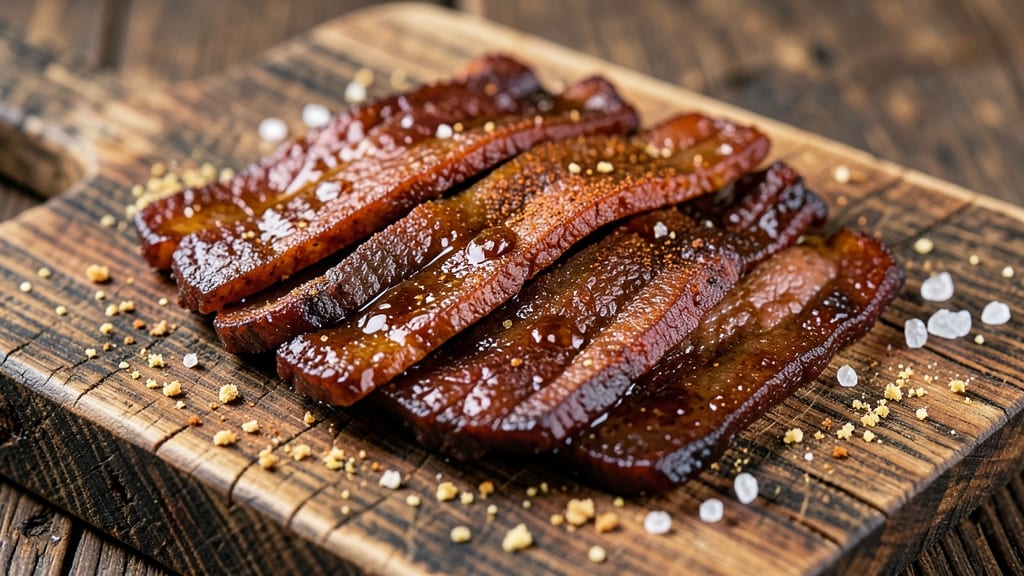
This American harvest beef jerky recipe delivers restaurant-quality results with a perfect balance of sweet and savory flavors that transform tough cuts into chewy, flavorful perfection. The secret lies in precise slicing, a well-balanced marinade, and proper drying techniques—whether you use a dehydrator, oven, or traditional smoke method.
I've perfected this recipe over years of testing, ensuring every bite is tender yet firm, with deep, smoky undertones that make it irresistible.
The process begins with selecting the right cut of beef—top round or flank steak—and slicing it against the grain for that signature chewy texture.
A marinade of soy sauce, brown sugar, Worcestershire, and a blend of spices (smoked paprika, garlic powder, onion powder) infuses the meat with bold flavors while tenderizing it. Safety is critical, so we'll follow USDA guidelines for proper curing times and storage to ensure your jerky stays fresh and delicious.
What sets this recipe apart is its versatility—you can achieve that classic American harvest taste using traditional methods like hardwood smoke or modern shortcuts like pre-marinated blends.
Whether you're drying your jerky in a dehydrator for even heat or using your oven with careful temperature control, the result is the same: perfectly balanced, sweet-savory strips that are ideal for snacks, camping trips, or gifting. The key is patience and precision to avoid over-drying or under-seasoning.
Once fully cured, your jerky will keep for months in the fridge or pantry, making it a perfect make-ahead project. Store it in airtight containers or vacuum-sealed bags to preserve its flavor and texture.
This recipe isn't just about the process—it's about creating a product that rivals store-bought versions but tastes infinitely better. Let's get started on making your own batch of premium beef jerky.
Ingredients for american harvest beef jerky
Sweet, smoky, and perfectly balanced ingredients for jerky that rivals store-bought.
| Ingredient | Amount | Notes |
|---|---|---|
| Top Round Beef 🥩 | 1 ½ lb | Thinly sliced against grain |
| Soy Sauce 🍶 | ½ cup | Low-sodium preferred |
| Brown Sugar 🍚 | ½ cup | Packed for accuracy |
| Worcestershire Sauce 🍯 | 2 tbsp | Classic Lea & Perrins brand |
| Smoked Paprika 🌶️ | 2 tbsp | For deep smoky flavor |
| Garlic Powder 🧄 | 1 tbsp | Freshly ground preferred |
| Onion Powder 🧅 | 1 tbsp | Adds savory depth |
| Black Pepper 🌶️ | 1 tsp | Freshly cracked |
| Ground Cumin 🌿 | 1 tsp | Earthy warmth |
| Salt 🧂 | 1 ½ tsp | Diamond Crystal preferred |
| Lemon Juice 🍋 | 1 tbsp | Brightens flavors |
| Water 💧 | ½ cup | For marinade consistency |
The beef is everything here. Top round or flank steak from a trusted butcher gives you that classic chewy texture—Costco or Whole Foods carry pre-sliced options if you're short on time. Look for cuts with good marbling, not too lean. I always buy extra and freeze it because jerky keeps for months. Slice against the grain, about 1/8-inch thick—use a sharp knife or meat slicer for even strips. If your slices are uneven, don't stress; just adjust drying time accordingly. The key is patience—rushing leads to tough jerky.
No Worcestershire? Substitute with 1 tbsp soy sauce plus 1 tsp liquid smoke—it's a game-changer for that authentic smoky depth. Running out of smoked paprika? Regular paprika plus a pinch of cayenne works in a pinch. The brown sugar can be swapped for coconut sugar if you're avoiding refined sugar, but it'll taste slightly different. For the lemon juice, bottled works fine, but fresh is brighter. If you're making a big batch, double the marinade ingredients and split them between two containers—it's easier to stir and coat the beef evenly. And trust me, measure that salt carefully—too much ruins everything.
Marinade keeps in the fridge for 5 days, so make extra if you're prepping ahead. Once your jerky is fully dried, store it in airtight containers or vacuum-sealed bags—it'll stay fresh for up to 6 months in the pantry or 12 months in the freezer. For gifting, portion into small bags with a handwritten tag. Pro tip: Label your containers with the date—jerky loses flavor over time, even when stored properly. And if you're using a dehydrator, rotate trays halfway for even drying.
Why You'll Love This Recipe
- Five-Ingredient Magic: I swear by this combo—top round beef gets a serious upgrade with just soy, brown sugar, Worcestershire, and smoked paprika. No fancy marinades or weird additives, just pure, bold flavor that sticks.
- Oven-Friendly Simplicity: Honestly, it’s one of those recipes where you set it and forget it. Slice the beef thin, toss in the marinade, and let the oven do the work while you handle the rest of your day.
- Trail-Ready Protein: Between us, this jerky lasts for weeks in the pantry or on the go. Perfect for hikes, road trips, or even sneaking into lunches when you’re too busy to cook.
- Sweet-Savory Balance: That brown sugar caramelizes into something addictive, while the smoked paprika adds a deep, smoky kick. It’s the kind of flavor that makes you reach for seconds—no matter how full you are.
Step-by-step instructions for American harvest beef jerky
Here's the method I've perfected for jerky that's perfectly tender, deeply flavorful, and ready in just a few hours.
Prepare the Beef for Maximum Flavor
Start by slicing the 1.5 lb Top Round Beef against the grain into strips about ¼-inch thick and 2-3 inches long. I use a sharp boning knife for clean cuts—this ensures even cooking and that satisfying chewy texture. Pat the strips dry with paper towels to remove any surface moisture, which helps the marinade cling better and prevents a soggy jerky.
Arrange the beef strips in a single layer on a baking sheet and place them in the freezer for 30 minutes. This chilling step firms up the meat slightly, making it easier to handle when you're ready to marinate. While it's freezing, you'll have time to mix up the marinade—no wasted steps here.
Mix the Sweet and Savory Marinade
In a large bowl, combine the 0.5 cup Soy Sauce, 0.5 cup Brown Sugar (packed), 2 tbsp Worcestershire Sauce, 2 tbsp Smoked Paprika, 1 tbsp Garlic Powder, 1 tbsp Onion Powder, 1 tsp Black Pepper, 1 tsp Ground Cumin, 1.5 tsp Salt, and 1 tbsp Lemon Juice. I use a whisk to break up any clumps in the brown sugar and ensure the spices are evenly distributed throughout the marinade.
Add the 0.5 cup Water and stir until everything is fully incorporated. The marinade should be thick but pourable—this consistency ensures the beef absorbs maximum flavor. Taste it now and adjust the salt if needed (I usually find this blend is spot-on, but every kitchen varies).
Marinate the Beef Thoroughly
Remove the chilled beef from the freezer and transfer it to a resealable plastic bag. Pour the marinade over the beef, making sure every strip is well coated. Seal the bag tightly, then massage it gently with your hands to distribute the marinade evenly. This step is crucial—don't skip it, or you'll end up with dry, flavorless jerky.
Refrigerate the bagged beef for at least 4 hours, but I prefer to let it marinate overnight (up to 24 hours) for maximum flavor penetration. The longer it marinates, the more tender and flavorful the jerky will be. Just make sure to keep it in the fridge—never leave it out at room temperature.
Dry the Jerky to Perfection
Preheat your oven to 175°F—this low and slow temperature is key to preventing the jerky from drying out too quickly on the outside while staying raw on the inside. Line two baking sheets with parchment paper and arrange the marinated beef strips in a single layer, leaving about ½-inch between each piece. This spacing allows air to circulate and ensures even drying.
Place the baking sheets in the oven and bake for 3-4 hours, flipping the strips halfway through the cooking time. You'll know they're ready when they're completely dry to the touch and no longer pink in the center. For extra crispiness, you can finish them under a broiler for 1-2 minutes on each side—just watch them closely so they don't burn.
Cool and Store for Long-Lasting Enjoyment
Remove the jerky from the oven and let it cool completely on a wire rack. This cooling step is important—it prevents condensation from forming, which can make the jerky soggy. Once fully cooled, transfer the jerky to an airtight container or resealable bag. Store it in the refrigerator for up to 2 weeks or freeze it for up to 6 months to preserve its freshness.
When you're ready to enjoy, simply tear off a piece and savor that perfect balance of sweet, smoky, and savory flavors. The jerky should be tender yet chewy, with a deep, caramelized crust from the brown sugar and smoky paprika. This method guarantees jerky that's always perfect—no guesswork, no disappointments.
Pro Tips For Making American Harvest Beef Jerky
- Trim Thin, Not Ragged: Use a sharp knife and cut against the grain at a 45-degree angle—this keeps the jerky tender and chewable. I learned the hard way that slicing too thin or unevenly turns it into tough, brittle strips, especially with top round.
- Marinate Overnight, Covered: The soy sauce and Worcestershire need time to penetrate, so let the meat soak for at least 12 hours in the fridge. I used to rush it, and the flavor was always half-hearted—like skipping the intro of a good song.
- Dry Before Smoking: Pat the beef dry with paper towels before applying the rub—wet meat steams instead of crisps. After burning a batch of soggy jerky, I now make sure it’s bone-dry, even if it feels obsessive.
- Smoke Low and Slow: Keep the dehydrator or oven at 160°F (71°C) max—any hotter and the sugar caramelizes into burnt bits. I was impatient once and ended up with jerky that tasted like a campfire mishap. Patience pays off.
Storing and reheating your american harvest beef jerky
Refrigerator Storage
Store your homemade jerky in an airtight container or vacuum-sealed bag to preserve its texture and flavor. I recommend Mason jars with tight-sealing lids or FoodSaver bags—they prevent moisture and air from spoiling your jerky.
Keep it in the fridge for up to 2 weeks, where it maintains its chewy perfection. For best results, portion it into smaller containers so you can grab exactly what you need without exposing the rest to air. 🥫
Freezer Preservation
For long-term storage, freeze your jerky in vacuum-sealed bags or heavy-duty freezer bags—this extends its shelf life to 6 months without losing quality. Squeeze out excess air before sealing to prevent freezer burn. I like to portion jerky into 1-ounce servings for easy grab-and-go snacks.
Label each bag with the date so you can track freshness. When ready to use, thaw overnight in the fridge—no need for microwave reheating! ❄️
Room Temperature Safety
Once fully dried, jerky is safe to store at room temperature in a cool, dark pantry for up to 3 months. Use glass jars with tight lids or resealable mylar bags to block light and moisture. Avoid humid areas like basements, as excess moisture can make jerky soggy.
If you're gifting your jerky, portion it into small bags with a parchment-lined box to keep it fresh during shipping. Always check for any signs of spoilage before eating. 📦
Reheating Tips
Jerky doesn’t need reheating—it’s best enjoyed cold or at room temperature—but if you prefer it warm, use a toaster oven or microwave for 10-15 seconds on low. Avoid high heat, which can dry it out further.
For a smoky twist, lightly toast it in a skillet over medium heat for 30 seconds—just enough to reactivate the spices. I like to serve warmed jerky with sharp cheddar cheese for a quick trail-mix snack. 🔥
Reviving Dry Jerky
If your jerky loses its chewiness over time, revive it by placing strips in a resealable bag with 1 tsp warm water per ounce of jerky. Seal and let it sit for 10 minutes, then pat dry with a paper towel.
This trick restores moisture without making it soggy. Store it back in an airtight container to prevent future dryness. Works like a charm for jerky that’s been sitting too long! 💧
Portion Control
Pre-portion your jerky into single-serving bags or small containers to avoid repeated opening and closing of larger storage containers. This keeps it fresh longer and makes snacking convenient.
I use 1-ounce portions—perfect for a quick energy boost. If you’re meal prepping, store portions in divided containers with a silicone lid for easy grab-and-go access. 🍴
Nutrition facts
Frequently asked questions
What's the best cut of beef for jerky?
Top round or flank steak work best—they're lean but still flavorful. Avoid fatty cuts like ribeye, as excess fat can make jerky greasy. If you're short on time, pre-sliced beef from Costco or Whole Foods works perfectly. Look for cuts with good marbling but not too much fat.
Can I use a dehydrator instead of an oven?
A dehydrator is ideal for jerky—set it to 160°F and dry for 4-6 hours, flipping halfway. The even heat prevents hot spots that can happen in ovens. If using an oven, prop the door open slightly to allow moisture to escape. Always check for doneness (no pink, completely dry).
How do I know when jerky is fully dried?
Jerky is done when it's completely dry to the touch and has no pink center. Test by bending a strip—it should snap but not be brittle. If it feels moist or sticky, return it to the dehydrator/oven for 30-60 more minutes. Over-drying makes jerky tough, so monitor closely.
Can I make jerky without soy sauce?
Yes! Replace ½ cup soy sauce with ½ cup liquid smoke + 1 tbsp vinegar for depth. For a sweeter profile, add 1 extra tbsp brown sugar. If avoiding soy entirely, use coconut aminos (1:1 ratio) or beef broth (reduce by ¼ cup). Taste the marinade before applying to adjust seasoning.
Why did my jerky turn out tough?
Tough jerky usually means over-drying or slicing with the grain. Always slice against the grain (perpendicular to muscle fibers) for chewiness. For drying, aim for 160-175°F—higher temps speed up drying but can make jerky rubbery. Check doneness early to avoid overcooking.