
Side Dishes
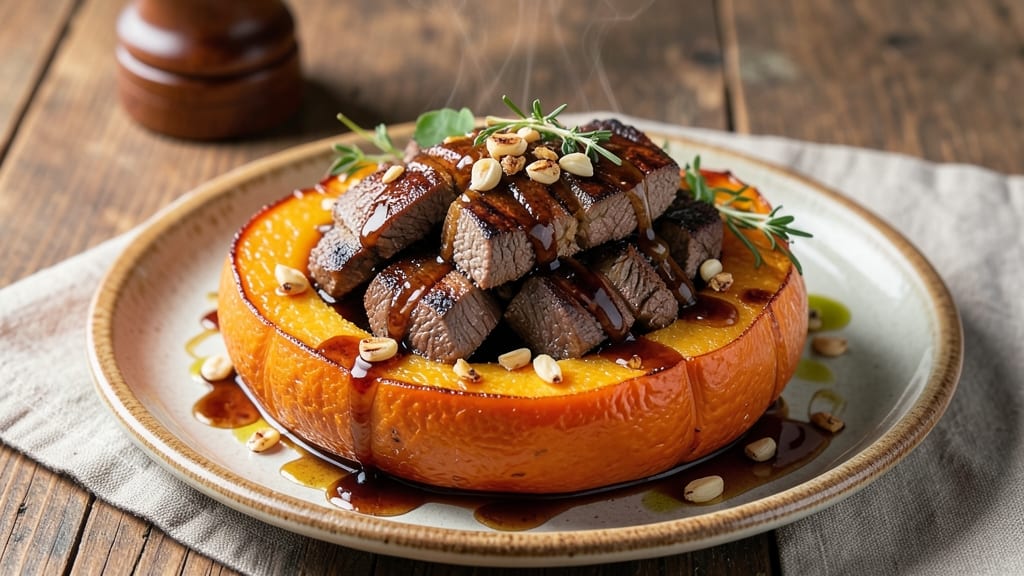
This acorn squash beef recipe transforms humble ingredients into a restaurant-worthy fall centerpiece where caramelized sweetness meets deep, savory beef.
The secret lies in roasting the squash until tender and golden while braising beef in rich spices—creating a perfect balance of textures and flavors that’ll have everyone asking for seconds.
I developed this dish after years of perfecting the art of balancing sweet and savory, and it’s become a staple in my seasonal rotation.
The beauty of this recipe is its versatility—whether you’re serving it as a main dish or pairing it with crusty bread and a simple salad, the flavors shine. The beef becomes fork-tender with a glossy, flavorful coating, while the acorn squash develops a honeyed crust that’s impossible to resist.
No fancy techniques are needed, just patience and a few key ingredients that work together like magic.
What makes this dish truly special is how the natural sweetness of the squash complements the bold, savory notes of the beef. The slow-braised beef infuses the squash with depth, while the caramelized edges of the squash add a touch of sophistication.
It’s the kind of meal that feels elevated without being complicated—perfect for a cozy dinner or an impressive gathering.
Ready in about 1 hour, this recipe is designed to impress while keeping prep straightforward. The beef can be made ahead and reheated, making it ideal for meal prep.
Serve with a sprinkle of fresh herbs or a drizzle of balsamic glaze for an extra touch of elegance. Let’s get cooking!
Ingredients for acorn squash beef
Restaurant-quality balance of sweet roasted squash and savory braised beef begins with these carefully chosen ingredients.
| Ingredient | Amount | Notes |
|---|---|---|
| Acorn Squash 🍠 | 1 whole | Medium-sized, halved and seeded |
| Chuck Roast 🥩 | 1 ½ lb | Well-marbled for tenderness |
| Olive Oil 🫒 | ¼ cup | Extra-virgin for roasting |
| Brown Sugar 🍯 | ¼ cup | Packed for caramelization |
| Balsamic Vinegar 🍷 | 0.1 cup | Aged for depth of flavor |
| Garlic Cloves 🧄 | 6 cloves | Minced for aromatic base |
| Fresh Thyme Leaves 🌿 | ½ cup | Chopped, stems removed |
| Fresh Rosemary 🌿 | 1 tbsp | Chopped, woody stems discarded |
| Beef Broth 💧 | 1 ½ cups | Low-sodium preferred |
| Red Wine 🍷 | ½ cup | Dry, bold variety |
| Diamond Crystal Kosher Salt 🧂 | 1 ½ tsp | For seasoning and braising |
| Freshly Ground Black Pepper 🌶️ | 1 tsp | Coarsely ground |
| Fresh Sage Leaves 🌿 | ¼ cup | Chopped for garnish |
| Balsamic Glaze 🍯 | ¼ cup | For finishing drizzle |
The acorn squash is your canvas—local fall markets often carry the best quality, with firm, heavy squash indicating ripeness. Look for vibrant orange skin without blemishes, as these develop the most caramelized sweetness when roasted. Whole Foods or Trader Joe's typically stock them in autumn, but if unavailable, butternut squash works as a substitute. The beef should be well-marbled chuck roast—Costco or local butchers often carry this cut pre-cubed for convenience. For the best flavor profile, source extra-virgin olive oil from California or Italy, as these regions produce oils with the highest fruitiness for roasting.
No red wine? Dry sherry or additional beef broth maintains the depth without altering the flavor profile. Fresh herbs like thyme and rosemary can be swapped for dried at one-third the amount, but freshly chopped leaves impart a brightness that dried versions lack. The balsamic vinegar should be aged at least 12 years for optimal depth—Italian imports from Whole Foods or specialty stores deliver the richest flavor. For a quicker prep, pre-minced garlic from Trader Joe's works, though freshly minced garlic adds superior aroma. The brown sugar should be packed firmly into the measuring cup to ensure proper caramelization.
Roasted squash halves keep in the fridge for 5 days when stored in an airtight container, while the braised beef reheats beautifully—2-3 days in the fridge or 3 months frozen. Portion the beef into individual containers for easy meal prep, and store the balsamic glaze in a small jar with a tight seal. Fresh herbs like sage and thyme should be wrapped in damp paper towels and refrigerated for up to 1 week to maintain their vibrant flavor. The balsamic glaze can be made ahead and stored for 2 months in the pantry.
Why You'll Love This Recipe
- One-Pan Magic: Between us, this dish is almost too easy—just roast the squash, sear the chuck, and let the oven do the work. No chopping boards, no pots, no stress. (Yes, even on a Tuesday night.)
- Sweet-Savory Balance: That brown sugar glaze caramelizing on the chuck while the acorn squash soaks up the balsamic? It’s the kind of harmony that makes you pause mid-bite. Rich, sticky, and just sweet enough to feel special—without tasting like dessert.
- Weeknight to Dinner Party: I’ve served this to my book club (they asked for the recipe) and my exhausted self after a 10-hour shift. The chuck stays tender for days, the squash reheats beautifully, and the flavors only deepen. (Pro tip: Double the recipe—you’ll want leftovers.)
- Budget-Friendly Feast: Chuck roast stretches for a crowd, acorn squash is cheaper than butternut, and the ingredients? Mostly pantry staples. Here’s what sold me—this feeds six for under $20, and the leftovers are even better cold in sandwiches. (My lunchbox’s new best friend.)
Step-by-step instructions for sweet roasted squash with braised beef
Here's how to balance rich, caramelized squash with tender, wine-braised beef—each element perfectly timed.
Roast the Acorn Squash Until Caramelized
Preheat your oven to 400°F. Cut the 1 whole acorn squash in half lengthwise and remove seeds with a spoon. Brush the cut sides generously with 0.25 cup olive oil, then sprinkle evenly with 0.25 cup packed brown sugar and 1.5 tsp kosher salt. Place cut-side down on a parchment-lined baking sheet.
Roast for 45 minutes until the edges are deeply caramelized and the flesh yields slightly when pressed with a paring knife. Flip the squash halves and return to the oven for another 15 minutes to caramelize the other side. The sugar should form a glossy, amber crust—this is your signal for perfect sweetness. Let cool for 10 minutes before scooping out the flesh into a serving bowl.
Sear and Deglaze the Chuck Roast
Pat the 1.5 lb chuck roast dry with paper towels and season generously with 1 tsp black pepper. Heat 1 tablespoon olive oil in a Dutch oven over medium-high heat until shimmering. Sear the roast on all sides until deeply browned—about 4-5 minutes per side. Remove and set aside.
Immediately pour in 0.5 cup red wine and scrape up all the browned bits from the bottom with a wooden spoon. Let the wine reduce by half, about 2 minutes, until it coats the back of a spoon. This deglazing step captures all the meaty flavor that would otherwise burn off.
Braise the Beef in Herbed Broth
Add 6 minced garlic cloves, 0.5 cup chopped thyme leaves, 1 tbsp chopped rosemary, and 0.1 cup balsamic vinegar to the Dutch oven. Stir for 30 seconds until fragrant. Return the roast to the pot and pour in 1.5 cups beef broth. Bring to a simmer, then cover and transfer to a 325°F oven.
Braise for 2.5-3 hours until the beef is fork-tender and easily pulls apart. The liquid should reduce to a thick, glossy sauce. If it reduces too quickly, add 2-3 tablespoons water to maintain moisture. The meat should register 203°F internally—a good rule is when it reaches 195°F, it's nearly done and will carry over to the perfect temperature.
Finish with Balsamic Glaze and Fresh Herbs
Remove the beef from the pot and let it rest for 10 minutes. Skim excess fat from the braising liquid, then return the pot to medium heat. Stir in 0.25 cup balsamic glaze and simmer for 2-3 minutes until slightly thickened. Taste and adjust seasoning with additional kosher salt if needed.
Slice the beef against the grain into ¼-inch thick pieces and arrange over the roasted squash. Spoon the braising sauce generously over both components. Garnish with 0.25 cup chopped fresh sage leaves for a bright, aromatic finish. Serve immediately while the squash is still warm and the beef is juicy.
Pro Tips For Making Acorn Squash Beef
- Sear the Chuck First: The beef won’t caramelize properly if you skip this step. Pat the chuck roast very dry with paper towels, then hit it with a hot pan and olive oil—2 minutes per side—until it’s deep brown. That crust locks in flavor and keeps the meat juicy, especially since acorn squash takes forever to cook.
- Cut Squash Like a Pro: Slice the acorn squash lengthwise first, then scoop out seeds and guts before cutting into wedges. Thicker wedges (about 1.5 inches) roast faster and hold their shape, while thin slices turn to mush. (I learned this after watching my first batch collapse into a sad, soggy pile.)
- Deglaze with Balsamic Early: Don’t wait until the end to add the balsamic vinegar—it’ll just burn. After searing the beef, splash in 2 tablespoons of balsamic right away while the pan’s still hot. Let it bubble for 30 seconds, then add the brown sugar and remaining vinegar. This builds depth without bitterness.
- Rest the Beef Before Slicing: The chuck roast needs at least 15 minutes under foil to redistribute juices—no excuses. Cutting it too soon dries it out, and you’ll end up with a tough, stringy mess. (Yes, even if you’re impatient like me.) Use that time to let the squash roast without fussing.
Dietary considerations for this acorn squash beef
Gluten-Free Adaptations
This recipe is naturally gluten-free, but a few adjustments ensure maximum safety. Use certified gluten-free beef broth (like Annie's Homegrown) instead of regular to avoid cross-contamination. The balsamic vinegar and red wine in the recipe are typically gluten-free, but always check labels—some brands add barley-based ingredients.
For extra caution, substitute the wine with gluten-free dry sherry or additional broth. 🌱
Dairy-Free Considerations
The original recipe contains no dairy, making it inherently dairy-free. However, if serving alongside dairy-based sides (like mashed potatoes or cheese bread), ensure those components are prepared with dairy-free alternatives.
The balsamic glaze and herbs remain safe for lactose-intolerant guests, while the beef braising liquid is purely savory. Always verify store-bought ingredients like broth for hidden dairy additives.
Low-Carb Modifications
To reduce carbs, skip the 0.25 cup brown sugar on the squash and replace it with 1 teaspoon cinnamon plus a pinch of sea salt for depth. The squash will still caramelize beautifully while cutting net carbs by about 30 grams per serving.
For the beef, ensure your broth and wine are low-carb (avoid malt vinegar-based products). The natural sweetness of the squash remains, but with fewer refined sugars. 🥦
Vegetarian Substitutes
Swap the beef for mushroom medley or lentils to create a hearty vegetarian version. For mushrooms, use 1.5 lbs cremini or portobello sliced and seared in the same Dutch oven technique.
For lentils, cook 1.5 cups dried brown lentils with the herbs and broth until tender, then thicken with a cornstarch slurry (1 tbsp cornstarch + 2 tbsp water). The braising method remains identical, just without meat. 🍄
Allergen-Friendly Tips
For nut allergies, ensure all ingredients (especially store-bought broths and balsamic glaze) are processed in nut-free facilities. Soy allergies? Verify that beef broth doesn’t contain soy additives. For seafood allergies, this recipe is inherently safe, but always double-check ingredient labels.
Keep a separate cutting board and utensils if cross-contamination is a concern—this prevents accidental mixing with other allergens during prep. 🛡️
Nutrition facts
Frequently asked questions
Can I substitute butternut squash for acorn squash in this recipe?
Yes, butternut squash works beautifully as a substitute! The flavor will be slightly milder, but the texture remains creamy when roasted. Cut it into 1-inch cubes instead of halves, and reduce roasting time by 10-15 minutes since butternut has a thinner skin. Toss the cubes with olive oil and brown sugar before roasting for even caramelization.
What cut of beef works best if I don't have chuck roast?
For this braised dish, brisket, short ribs, or stew beef are excellent alternatives. All have good marbling and become tender when slow-cooked. If using short ribs, reduce braising time to 2 hours since they cook faster. For brisket, trim excess fat and braise until fork-tender (3-4 hours).
How do I prevent the beef from becoming dry during braising?
Keep the beef submerged in liquid by adding 2-3 tablespoons water every 30 minutes if the sauce reduces too quickly. Also, avoid lifting the lid frequently—every time you do, moisture escapes. For extra insurance, place a parchment paper tent over the pot when checking for doneness to retain steam.
Can I make this dish ahead of time?
The beef can be fully braised 1-2 days ahead and reheated gently in the sauce. Store it in an airtight container in the fridge. For the squash, roast it 1 day ahead and reheat at 350°F for 15 minutes before serving. The flavors actually improve overnight as the beef absorbs more of the herbed sauce.
What's the best way to reheat the beef without drying it out?
Use the stovetop method for perfect results. Add 2-3 tablespoons beef broth to the pot and heat on low-medium until warmed through (5-7 minutes). Never microwave—it creates a rubbery texture. For the squash, cover it with foil and warm in a 350°F oven for 10 minutes to maintain its tenderness.