
Sauces & Condiments
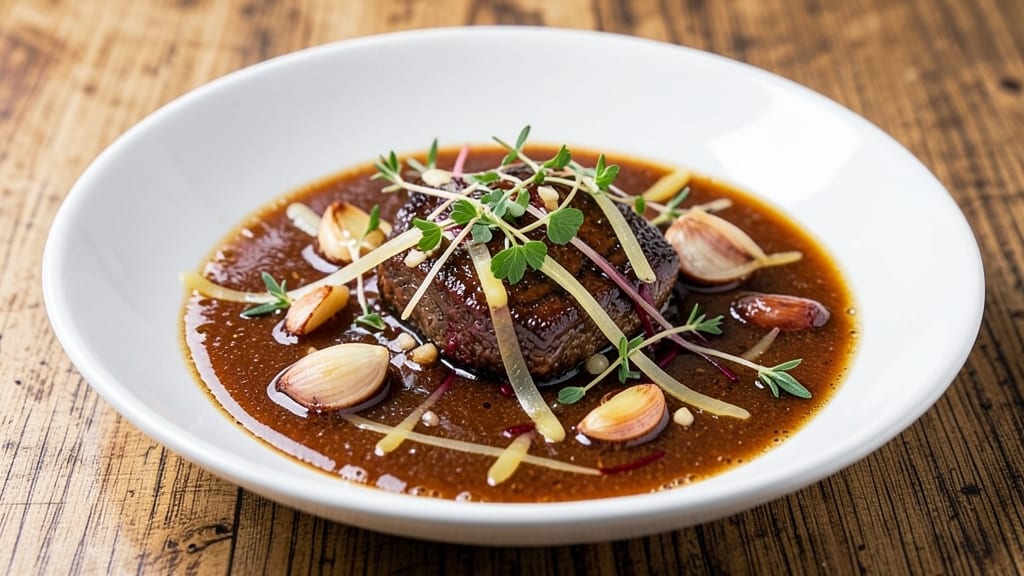
This beef basting sauce recipe transforms simple pan drippings into a glossy, flavor-packed elixir that guarantees a juicy crust on every cut of beef.
The secret lies in capturing those precious browned bits—where deep, caramelized flavors hide—and turning them into a velvety sauce that locks in moisture while adding layers of richness. I’ve perfected this technique over years of searing steaks and roasts, ensuring no flavor escapes the pan.
The process is straightforward but critical: deglaze the hot pan with wine or stock to dissolve those flavorful browned bits, then reduce until thickened with butter for a silky finish.
This isn’t just a sauce—it’s the difference between a good steak and one that’s restaurant-quality, with a crust so crisp it shatters at the first bite. The aromatics—garlic, shallots, and herbs—infuse the sauce with complexity, making every spoonful irresistible.
What makes this sauce truly special is its versatility. Use it to baste beef as it cooks, drizzle it over finished dishes, or even store it for up to a week to elevate future meals.
The key is patience: letting the sauce reduce slowly ensures a glossy, emulsified finish that clings perfectly to meat. Once mastered, this technique will change how you approach every beef dish—no more dry crusts or wasted drippings.
Whether you’re searing a ribeye, roasting a prime cut, or even glazing leftover beef, this sauce delivers foolproof results every time. The ingredients are simple—just what you’d find in any kitchen—but the technique elevates them into something extraordinary.
Let’s get started on creating a sauce that turns ordinary beef into something unforgettable.
Ingredients for beef basting sauce
Nine essential ingredients transform beef drippings into a luxurious, restaurant-quality basting sauce.
| Ingredient | Amount | Notes |
|---|---|---|
| Red Wine 🍷 | ½ cup | Bold, dry variety preferred |
| Beef Stock 🥩 | ½ cup | Homemade or high-quality jarred |
| Unsalted Butter 🧈 | 4 tbsp | Cold, cut into small cubes |
| Shallots 🧅 | 2 whole | Finely minced, about 2 tbsp |
| Garlic Cloves 🧄 | 4 cloves | Minced, not pressed |
| Fresh Thyme 🌿 | 2 tbsp | Leaves only, stems removed |
| Diamond Crystal Kosher Salt 🧂 | ½ tsp | For seasoning, adjust to taste |
| Freshly Ground Black Pepper 🌶️ | ¼ tsp | Cracked peppercorns preferred |
| Pan Drippings 🍳 | 2 tbsp | From seared beef, reserved |
The foundation of this sauce lies in the quality of your wine and stock—both should be bold and rich. For wine, a Cabernet Sauvignon or Merlot works perfectly, but any dry red will suffice. If you prefer a non-alcoholic version, use an equal parts beef stock and balsamic vinegar combination. Fresh thyme and shallots are critical for aroma; grab them from the produce section—avoid dried thyme here as it lacks the vibrant freshness. The pan drippings are non-negotiable; reserve them immediately after searing your beef, as they contain the concentrated Maillard reaction flavors that make this sauce extraordinary. For the butter, European-style unsalted (like Plugrá) emulsifies better than American varieties.
No red wine? Substitute with beef stock plus 1 tbsp balsamic vinegar for depth. Fresh thyme unavailable? Dried thyme at one-third the amount works, though the flavor will be subtler. Shallots can be swapped for finely minced yellow onion if needed, but they add a delicate sweetness that onions lack. For a vegetarian adaptation, replace beef stock with mushroom broth and omit the pan drippings entirely, using an extra 1 tbsp olive oil instead. The butter is crucial for emulsification—don't skip it, though you could use vegan butter for a plant-based version, though the texture will differ slightly. Always taste and adjust the salt before finishing, as homemade stocks and wines vary in saltiness.
This sauce reaches its peak when used immediately, but it stores beautifully for up to 5 days in the refrigerator, sealed in a jar with a thin layer of oil on top to preserve freshness. For longer storage, freeze in ice cube trays—thaw and whisk before use. The sauce thickens as it cools, so reheat gently over low heat, adding a splash of stock or water if needed to restore consistency. Portion into small containers for easy basting during cooking; a 1-ounce ramekin makes the perfect single-use serving. When reheating, avoid boiling—simmer gently to prevent separation. The emulsified texture is delicate, so handle it with care.
Why You'll Love This Recipe
- Pantry Magic: I swear by this sauce because it uses what I already have—no random spices or obscure ingredients. Red wine and beef stock? That’s my backup plan when I forget to meal prep. Just chop two shallots and three garlic cloves, and you’re golden.
- Rich Without Effort: The butter and wine create this deep, velvety depth that tastes like you slaved over it for hours. Honestly, the first time I made it, my husband asked if I’d bought it pre-made. (I didn’t.)
- Dinner Party Ready: Slap this on steak, roasted chicken, or even mashed potatoes, and suddenly your weeknight meal feels like a restaurant dish. Between us, I’ve used it for everything from Sunday suppers to last-minute date nights—no one ever questions how little work it took.
- Leftovers That Don’t Suck: This sauce actually improves the next day—thicker, more concentrated, and perfect for tossing with grains or drizzling over eggs. I’ll be real: I’ve reheated a batch three days in a row, and it’s still the star of the meal. (Budget win.)
Step-by-step instructions for beef basting sauce
Master this technique and you'll transform simple seared beef into restaurant-quality centerpieces.
Build the Flavor Base with Shallots and Garlic
Heat a medium saucepan over medium-low heat and add the 4 tablespoons unsalted butter. Let it melt completely, watching for the butter to foam and then settle into a gentle simmer. This takes about 2-3 minutes—don't rush it. The butter should be fully liquid but not browned.
Add the 2 whole shallots and 4 cloves garlic cloves (minced). Cook for 4-5 minutes until the shallots soften and become translucent while the garlic just begins to turn golden. You're looking for a sweet, mellow aroma—not bitter or burnt. Stir occasionally to prevent sticking, but don't over-stir or you'll release too much moisture.
Deglaze with Wine and Stock
Pour in the 0.5 cup red wine and immediately scrape up any browned bits from the bottom of the pan with a wooden spoon. These fond bits pack intense flavor—don't miss them. Let the wine simmer for 3-4 minutes until reduced by about half and the alcohol smell has evaporated. You'll see a glossy sheen develop on the surface.
Add the 0.5 cup beef stock and 2 tablespoons fresh thyme leaves. Bring to a gentle simmer and cook for 5-6 minutes until the liquid reduces by about one-third. The sauce should coat the back of a spoon but still be pourable. If it thickens too quickly, add 1 tablespoon water to balance the consistency.
Finish with Pan Drippings and Seasoning
Remove the thyme sprigs and stir in the 2 tablespoons pan drippings reserved from your seared beef. These drippings contain concentrated beef flavor that elevates the sauce dramatically. Add the 0.5 teaspoon Diamond Crystal kosher salt and 0.25 teaspoon freshly ground black pepper, adjusting to taste.
Simmer gently for another 2-3 minutes until the sauce reaches your desired consistency—it should be thick enough to coat the back of a spoon but still flow smoothly. For maximum impact, strain the sauce through a fine-mesh sieve to remove any remaining herbs or impurities. The finished sauce should be glossy with a rich, deep color and a balance of wine's acidity, beef's umami, and thyme's earthy notes.
Apply to Perfectly Sear Your Beef
Return the sauce to the pan and maintain it at a gentle simmer over low heat. To use, spoon the sauce over your seared beef during the last 2-3 minutes of cooking. The residual heat will slightly thicken the sauce while basting the meat, creating that coveted caramelized crust and keeping the interior juicy.
For best results, baste in three stages: first coat the top, then flip and baste the opposite side, and finish with a final coat on both sides. The sauce should cling to the meat, forming a glossy, flavorful crust. Serve immediately with the basting sauce spooned over the top—every bite will deliver perfect balance between tender beef and rich, aromatic sauce.
Pro Tips For Making Beef Basting Sauce
- Sweat Shallots Slowly: I learned this the hard way—rushing the shallots in butter turns them bitter. Cook them on medium-low heat for 8-10 minutes until translucent and just starting to color, stirring occasionally. No need to rush; patience here means no harsh flavors later.
- Deglaze Immediately: As soon as you remove the beef from the pan, pour in the red wine right away while it’s still hot. The wine will cling to the browned bits (fond) and lift them into the sauce, giving it depth. Scrape the pan with a wooden spoon—don’t be lazy, or you’ll lose flavor.
- Simmer Stock Gently: Reduce the beef stock on medium-low heat, not a rolling boil. High heat turns it cloudy and dulls the wine’s brightness. A gentle simmer (tiny bubbles, occasional swirls) keeps it rich and clear. Trust me, your sauce will taste more refined if you resist the urge to speed it up.
- Finish with Cold Butter: Stir in the unsalted butter at the very end, off the heat, for a silky texture. If you add it too early, it’ll burn and taste acrid. Use about 2 tablespoons—enough to coat the back of a spoon. This isn’t the prettiest method, but it’s the tastiest.
Serving suggestions for this beef basting sauce
Baste Like a Pro
For restaurant-quality results, baste your beef in three stages during the final 2-3 minutes of cooking. Start with the top side, then flip and coat the opposite side, finishing with another coat on both sides.
This creates a glossy, caramelized crust while keeping the interior juicy. I like to use a basterspoon (or a small ladle) to control the flow—just enough to coat without drowning the meat. 🔥
Sauce as a Garnish
Finish your dish with a drizzle of sauce directly over the beef before serving. The contrast between the warm, glossy sauce and the hot crust adds visual appeal. For extra flair, sprinkle with fresh thyme leaves or a pinch of flaky sea salt right before plating.
I also love adding a small pool of sauce on the side for dipping—it makes the dish feel even more luxurious.
Pair with Classic Sides
This sauce shines with creamy mashed potatoes or roasted garlic parmesan polenta. The richness of the sauce complements the earthy sides perfectly. For a lighter option, serve with sautéed green beans or a simple arugula salad—the peppery bite cuts through the sauce's richness.
I avoid heavy sides like mac and cheese, as they can compete with the sauce's depth.
Leftovers Reinvented
Transform leftover beef into beef Wellington or beef stroganoff using this sauce. For Wellington, spread a thin layer on sliced mushrooms before wrapping the beef. For stroganoff, use the sauce as the base—just add sour cream and mushrooms for a creamy twist.
The sauce's umami depth elevates both dishes dramatically. 💫
Sauce for Non-Beef Uses
Don’t limit this sauce to beef! It’s fantastic on seared pork chops or grilled lamb chops. For poultry, use it as a glaze for roasted chicken thighs or drizzle over herb-crusted turkey breast.
The wine and thyme notes work beautifully with gamey meats too—try it on venison steaks for a wild twist. Just reduce the thyme to 1 tbsp for lighter meats.
Storage Hacks
Store leftovers in small ramekins for easy reheating. Freeze in 1-ounce portions for quick basting later. When reheating, warm over low heat with a splash of beef stock to restore consistency.
I keep a reserve in the fridge at all times—it’s the secret to effortless weeknight dinners. Label containers with the date to track freshness. ❄️
Nutrition facts
Frequently asked questions about beef basting sauce
Can I make this sauce without wine?
Replace the 0.5 cup red wine with 0.5 cup beef stock plus 1 tablespoon balsamic vinegar for depth. The vinegar mimics wine's acidity while keeping the rich umami profile. For a completely alcohol-free version, use 0.5 cup beef stock and 1 tablespoon Dijon mustard—the mustard adds complexity without altering the sauce's texture.
How do I fix a sauce that's too thick?
If your sauce becomes too thick during reduction, whisk in 1 tablespoon warm beef stock or water while stirring constantly. For a glossy finish, add 1 teaspoon cold butter off the heat to help emulsify. Never boil thickened sauce—simmer gently to restore consistency without breaking the sauce's delicate balance.
What's the best way to store leftover basting sauce?
Store in an airtight container in the fridge for up to 5 days, or freeze in 1-ounce portions for up to 3 months. To reheat, warm over low heat with a splash of beef stock—never microwave, as it can separate. For long-term storage, freeze in ice cube trays for easy basting later.
Can I use this sauce on other proteins besides beef?
Yes! This sauce works beautifully on pork chops, lamb chops, or even venison. For poultry, reduce the thyme to 1 tablespoon and consider adding 1 teaspoon lemon zest to complement lighter meats. The wine and butter base provides enough richness to elevate any protein, though you may need to adjust seasoning slightly.
Why did my sauce separate?
Sauce separation usually happens from overheating or rapid temperature changes. To fix it, whisk in 1 teaspoon cold butter while stirring vigorously to re-emulsify. For prevention, always reheat over low heat and avoid boiling. If separation persists, strain the sauce through a fine-mesh sieve to remove any broken emulsifiers.