
Sauces & Condiments
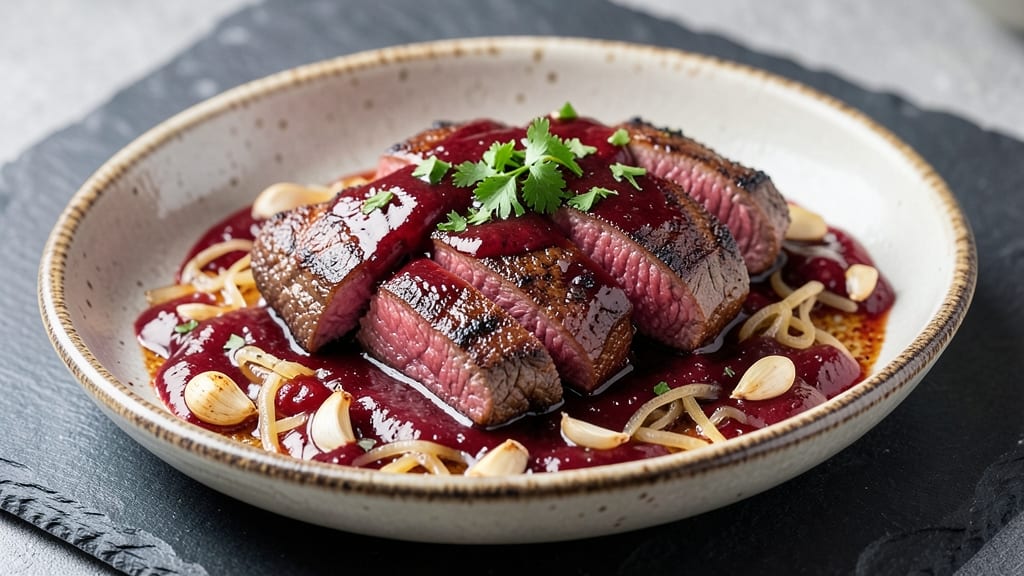
A rich beef and red wine sauce transforms simple proteins into restaurant-worthy masterpieces. This deep umami reduction captures all the caramelized fond from seared beef, then melds it with red wine for layers of complexity that elevate any dish.
The slow simmering process develops intense flavors while naturally thickening the sauce into a velvety consistency that clings beautifully to pasta, meats, or roasted vegetables.
The foundation of this sauce begins with properly deglazing the pan after searing beef—those browned bits contain concentrated flavor that forms the sauce's backbone. Red wine adds acidity and depth, while aromatics like shallots and garlic build aromatic complexity.
A touch of cream or butter at the end creates luxurious mouthfeel without overpowering the beef's natural richness.
What you'll end up with is a sauce that's both sophisticated and versatile—deep red in color with a glossy sheen, carrying intense beefy notes balanced by wine's acidity and sweetness.
The texture is silky yet clings perfectly, making it ideal for drizzling over steak, tossing with pasta, or spooning over grilled vegetables. Every spoonful delivers that restaurant-quality depth you crave at home.
This sauce keeps well for up to 5 days in the refrigerator, with flavors actually improving as they meld. For best results, reheat gently on the stove and stir in a pat of butter just before serving to restore that silky texture.
The possibilities for using this sauce are endless—let's create it step by step.
Ingredients for beef and red wine sauce
Eight ingredients. One pan. Restaurant-worthy sauce in under an hour.
| Ingredient | Amount | Notes |
|---|---|---|
| Beef Fond (Caramelized Bits) 🥩 | 2 tbsp | From seared beef, reserved |
| Dry Red Wine 🍷 | 1 cup | Bold, dry variety like Cabernet |
| Shallots 🧅 | 2 whole | Minced, not chopped |
| Garlic Cloves 🧄 | 4 cloves | Peeled, thinly sliced |
| Beef Broth 💧 | 1 cup | Low-sodium preferred |
| Tomato Paste 🍅 | 1 tbsp | Smooth, not chunky |
| Heavy Cream 🥛 | ¼ cup | Full-fat for richness |
| Unsalted Butter 🧈 | 2 tbsp | Cold, cubed for finishing |
| Diamond Crystal Kosher Salt 🧂 | 1 ½ tsp | Adjust to taste |
| Fresh Thyme Leaves 🌿 | ¼ cup | Stems removed |
The beef fond is where the magic happens—those caramelized bits pack more flavor than anything else. Sear your beef in a heavy-bottomed pan first, then scrape up every last bit with a wooden spoon. Trader Joe's has great pre-cubed chuck for this, but any beef with good marbling works. The red wine? Cabernet Sauvignon or Merlot—whatever's open in your fridge. Avoid sweet wines like Zinfandel. Shallots add delicate sweetness, so buy them fresh and mince them finely for even distribution. The tomato paste might seem like overkill, but it bridges the wine's acidity with the beef's richness.
No red wine? Beef broth with a splash of balsamic vinegar works in a pinch, though it won't have the same depth. Fresh thyme is ideal, but dried thyme at one-third the amount gets you close. Pre-shredded cheese? Skip it—it's full of anti-caking agents. The heavy cream is non-negotiable for that velvety finish, but if you're watching calories, half-and-half works too. For extra umami, add a dash of fish sauce (just a teaspoon—it disappears but adds layers). The butter at the end? Use European-style if you can find it—it has a higher fat content that emulsifies beautifully.
This sauce tastes even better the next day as flavors meld. Store in an airtight container in the fridge for up to 5 days. For freezing, portion into ice cube trays with a bit of butter on top—thaw in the fridge overnight before reheating. To restore that silky texture after reheating, whisk in a cold pat of butter just before serving. The sauce thickens as it cools, so thin with a splash of broth if needed. Leftovers make killer pasta sauce, steak drizzle, or even a dip for crusty bread.
Why You'll Love This Recipe
- Fond Magic Shortcut: I swear by that beef fond—it’s basically free flavor. Just toss those caramelized bits into the pan with the wine, and boom, instant depth without extra effort. No fancy techniques, just a pantry staple doing all the heavy lifting.
- Wine’s Rich Umami: That first splash of red wine? It cuts through the richness while adding layers of earthy, fruity complexity. The shallots and garlic caramelize right into the sauce, making every bite taste like a restaurant-worthy bite.
- Weeknight to Dinner Party: Same sauce, endless uses. Slather it over pasta for a quick weeknight meal, or drizzle it on grilled steaks when company’s coming. The fond keeps it budget-friendly, and the wine makes it feel special—no one will guess it’s this easy.
- Leftovers That Don’t Suck: Between us, most sauces turn into glue after reheating. Not this one. The wine and broth balance out perfectly, so even the next-day portions taste like you just made them. Store it in the fridge for up to five days—no Tupperware shame here.
Step-by-step instructions for beef and red wine sauce
This rich sauce builds layer upon layer of flavor—start with the beef fond and finish with velvety cream.
Bloom the Shallots and Garlic in Beef Fond
Heat a heavy-bottomed saucepan over medium-low heat and add the 2 tablespoons beef fond. Swirl to coat the bottom evenly—those caramelized bits are pure flavor gold. Add the 2 whole minced shallots and cook for 3-4 minutes until they soften and turn translucent.
Here's the thing—don't rush this step. The fond needs time to melt into the shallots, creating a sweet, nutty base. Add the 4 cloves thinly sliced garlic and cook for another 30 seconds until fragrant. You'll smell that deep, savory aroma building—this is where the sauce's soul begins.
Deglaze with Red Wine and Reduce
Pour in the 1 cup dry red wine and immediately scrape up every last bit from the bottom of the pan with a wooden spoon. This deglazing captures all those precious browned bits that would otherwise burn. Let the wine simmer uncovered for 5-6 minutes until reduced by half—you're looking for a syrupy consistency that coats the back of a spoon.
The alcohol will cook off, leaving behind concentrated wine flavor. If the sauce starts to stick, add 1 tablespoon beef broth to help it along. This is where the sauce transforms from simple to sophisticated—patience here makes all the difference.
Build Depth with Tomato Paste and Broth
Stir in the 1 tablespoon tomato paste and cook for 1 minute until it darkens slightly and loses its raw taste. Pour in the remaining 1 cup beef broth and bring to a gentle simmer. Reduce heat to medium-low and let it bubble away for 10-12 minutes until the sauce thickens noticeably.
This is the sauce's backbone—tomato paste adds umami depth while the broth carries all the flavors together. Taste and adjust seasoning with 1 teaspoon diamond crystal kosher salt (remember, you'll add more later). The sauce should be rich but not cloying, with a balance of wine acidity and meaty sweetness.
Finish with Cream and Thyme
Reduce heat to low and whisk in the 0.25 cup heavy cream. Let it warm through for 2-3 minutes—just until the cream is fully incorporated but not boiling. Stir in the 0.25 cup fresh thyme leaves and the remaining 0.5 teaspoon kosher salt. The thyme will infuse its herbal brightness while the cream adds luxurious body.
For the final touch, remove from heat and whisk in the 2 tablespoons cold cubed butter until melted and silky. This step elevates the sauce from good to restaurant-quality. The butter adds richness without making the sauce heavy, and the thyme leaves can be strained out if you prefer a smoother texture.
Rest and Serve
Let the sauce rest for 5 minutes off the heat—this allows flavors to meld completely. The sauce will thicken slightly as it cools, so if it's too thick for your liking, whisk in 1-2 tablespoons hot water to adjust consistency. Serve immediately over your choice of protein—this sauce pairs beautifully with steak, roasted chicken, or even hearty pasta.
Real talk: this sauce tastes even better the next day as the flavors continue to develop. Store leftovers in the fridge for up to 3 days or freeze for 3 months. When reheating, warm gently over low heat and add a splash of water if it thickens too much. Every spoonful should deliver that perfect balance of wine brightness, meaty richness, and herbal freshness.
Pro Tips For Making Beef And Red Wine Sauce
- DEGLAZE IMMEDIATELY: The second that beef fond hits the pan, pour in the red wine while it’s still sizzling—don’t wait for it to cool. I used to let it sit for a minute, thinking it would "settle," but that just means you’re scraping burnt bits off the bottom later instead of dissolving them into flavor.
- MINCE SHALLOTS FINE: No, "chopped" isn’t good enough—aim for a paste so fine it nearly disappears when cooked. I learned this the hard way when my sauce had visible shallot chunks that didn’t soften. A food processor works, but if you’re doing it by hand, pile them high and hack aggressively with a sharp knife.
- REDUCED WINE FIRST: Simmer the wine down by half before adding broth—this concentrates the alcohol’s sharpness and deepens the sauce’s richness. I was skeptical until I tried it; now I double-check the pan isn’t boiling dry, but letting it reduce slowly keeps the sauce from tasting raw or thin.
- SALT THE BROTH: Add a pinch of salt to the beef broth before pouring it into the wine reduction. The fond and wine already pack a punch, but the broth needs its own seasoning to balance the acidity. Trust me, you’ll taste the difference when you’re left with a flat, one-note sauce.
Dietary considerations for this dish
Gluten-Free Adaptations
This sauce is naturally gluten-free as written, but always double-check your ingredients—especially the beef broth. I recommend Swanson Organic Low-Sodium Beef Broth or Pacific Foods Gluten-Free Beef Broth for worry-free cooking.
The tomato paste and wine also need verification, as some brands contain hidden gluten. When in doubt, choose certified gluten-free versions like Muir Glen Organic Tomato Paste. 🌾
Dairy-Free Options
For a dairy-free version, replace the heavy cream with full-fat coconut milk (like Thai Kitchen brand) or cashew cream (blend ½ cup soaked cashews with ½ cup water). The butter can be swapped for vegan butter or olive oil, though the texture will be slightly lighter.
Taste as you go—you may need to reduce the sauce longer to achieve the same consistency. 🥥
Lower-Calorie Adjustments
To cut calories without sacrificing flavor, reduce the heavy cream to 2 tablespoons and use ½-and-half instead. Replace 1 tablespoon butter with 1 teaspoon olive oil at the end for richness.
The sauce will still be velvety but with fewer calories. For extra depth, add 1 teaspoon nutritional yeast—it adds a cheesy, umami note without dairy. 💪
Vegetarian Substitutions
Swap the beef fond for 2 tablespoons mushroom powder (like Anthony's Good Mushroom Powder) or 1 tablespoon soy sauce for umami. Use vegetable broth instead of beef broth, and consider adding 1 teaspoon miso paste for complexity.
The wine and tomato paste remain the same, but the sauce will have a more vegetal, earthy profile. 🍄
Allergen-Friendly Tips
For nut allergies, avoid cashew cream and stick to coconut milk or dairy-free creamers. If thyme is an issue, substitute with fresh rosemary or basil—both work beautifully. Always check wine labels for sulfite warnings if you're sensitive.
I keep King Arthur Flour All-Purpose Gluten-Free Flour on hand for thickening if needed, though this sauce rarely requires it. 🚫🥜
Nutrition facts
Frequently asked questions
Can I use any red wine for this sauce?
For best results, choose a dry, medium-bodied red wine like Cabernet Sauvignon or Merlot. These wines have good acidity and tannins that complement the beef's richness. Avoid sweet wines like Zinfandel or Port—the sugar can make the sauce taste cloying. If you're using a cheaper wine, opt for one with at least 12-14% alcohol to ensure proper reduction.
What if I don't have beef fond?
No problem! You can create fond by searing 2 tablespoons finely chopped beef in a dry pan until deeply browned, then scraping up the bits. Alternatively, use 1 tablespoon soy sauce or 1 teaspoon mushroom powder for umami depth. The sauce will still be delicious, though slightly less concentrated in beef flavor.
How do I fix a sauce that's too thin?
If your sauce is too thin, simmer it uncovered for 5-10 more minutes to reduce further. For a quicker fix, mix 1 teaspoon cornstarch with 1 tablespoon cold water, stir into the sauce, and cook for 1-2 minutes until thickened. Avoid over-thickening—you want a velvety consistency that coats the back of a spoon, not a glue-like texture.
Can I make this sauce ahead of time?
This sauce tastes even better the next day as flavors meld. Store in an airtight container in the fridge for up to 5 days. For freezing, portion into ice cube trays with a bit of butter on top—thaw in the fridge overnight. When reheating, warm gently over low heat and whisk in a cold pat of butter to restore silkiness.
What's the best way to use leftover sauce?
This versatile sauce works beautifully over steak, roasted chicken, or pasta. For extra richness, toss with fettuccine and top with grated Parmesan. It also makes a stunning dip for crusty bread or a glaze for grilled vegetables. The sauce's depth pairs especially well with hearty dishes that need a flavor boost.