
Main Courses
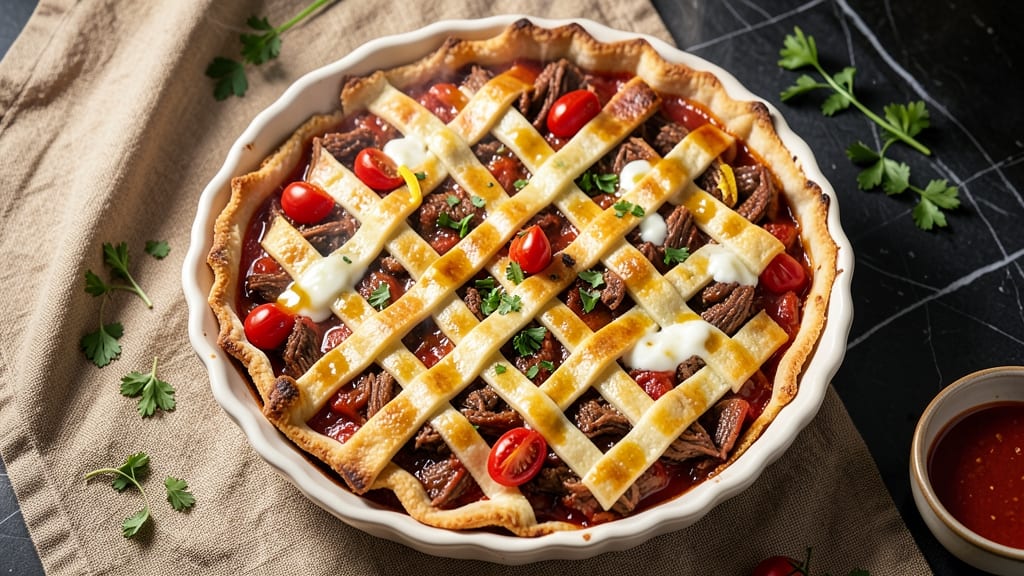
This beef and tomato pie recipe delivers the comforting flavors of a classic British pub dish with a flaky pastry crust that shatters at every bite. The secret lies in the tender beef filling—rich with tomatoes, herbs, and slow-cooked spices—that transforms simple ingredients into something hearty and deeply satisfying.
I've perfected this recipe over years of testing, ensuring the filling stays moist while the crust achieves that golden, crisp perfection.
The beauty of this dish is its versatility—whether you're serving it as a weeknight family meal or the centerpiece of a holiday gathering, the combination of savory beef, sweet tomatoes, and aromatic herbs creates a filling that's impossible to resist.
The pastry isn't just an afterthought; it's a crucial part of the experience, with layers of buttery, crispy goodness that contrast perfectly with the soft filling inside.
What makes this recipe truly special is how it balances tradition with approachability. You don't need advanced baking skills to achieve that flaky crust—just a few key techniques and quality ingredients.
The result is a pie that looks impressive enough for company but comes together with the simplicity of a home-cooked meal. Each slice offers a perfect harmony of textures and flavors, making it a dish worth savoring.
Pair it with a crisp green salad or buttery mashed potatoes to round out the meal. The rich, savory filling stands up beautifully to lighter sides, creating a balanced plate that feels both comforting and refined.
Ready to master this classic? Let's get started with the ingredients and techniques that make it shine.
Ingredients for beef and tomato pie
Quality ingredients transform simple techniques into a restaurant-worthy beef and tomato pie.
| Ingredient | Amount | Notes |
|---|---|---|
| Chuck Roast 🥩 | 2 lb | Trimmed of excess fat, cut into 1-inch cubes |
| All-Purpose Flour 🌾 | 3 cups | For pastry crust, sifted before mixing |
| Unsalted Butter 🧈 | 1 cup | Cold, cubed for pastry, softened for filling |
| Heavy Cream 🥛 | ½ cup | Full-fat for richness in filling |
| Canned Tomato Sauce 🍅 | 1 ½ cups | San Marzano preferred for sweetness |
| Beef Stock 💧 | 1 ½ cups | Homemade or high-quality store-bought |
| Red Wine 🍷 | ½ cup | Bold dry red like Cabernet Sauvignon |
| Yellow Onion 🧅 | 1 whole | Medium size, finely diced |
| Garlic Cloves 🧄 | 4 cloves | Peeled and minced |
| Fresh Thyme 🌿 | 2 tbsp | Leaves only, chopped |
| Fresh Parsley 🌿 | ¼ cup | Chopped, for garnish |
| Worcestershire Sauce 🍶 | 1 tbsp | For umami depth |
| Diamond Crystal Kosher Salt 🧂 | 1 ½ tsp | Divided for crust and filling |
| Ground Black Pepper 🌶️ | ½ tsp | Freshly cracked |
| Bay Leaves 🍃 | 2 whole | For aromatic depth |
| Cold Water 💧 | ¼ cup | Plus ice cubes for pastry |
| Granulated Sugar 🍚 | 1 tbsp | For balancing acidity |
The chuck roast is non-negotiable for this recipe—its marbled fat renders during cooking, creating a rich, moist filling. Look for well-marbled cuts from your butcher or grocery store's meat department. If using pre-cubed beef, opt for 80/20 lean-to-fat ratio for optimal flavor and tenderness. The pastry flour should be sifted before measuring to ensure a light, flaky texture; King Arthur or Gold Medal brands work exceptionally well. For the butter, Plugrá or Land O'Lakes unsalted are reliable choices, but any high-quality unsalted butter will suffice if kept cold throughout the process.
Substitutions can be made thoughtfully without compromising flavor. No red wine? Beef stock with a splash of balsamic vinegar replicates the depth. Fresh thyme unavailable? Dried thyme at one-third the amount works, though fresh is preferred for its vibrant aroma. The tomato sauce can be swapped for crushed tomatoes with a pinch of sugar if preferred. For those avoiding gluten, Bob's Red Mill 1:1 baking flour can replace all-purpose flour in the crust. The Worcestershire sauce is essential for umami—if unavailable, soy sauce or a dash of fish sauce (ensure no cross-contamination for vegetarians) can substitute, though results may vary slightly.
The pastry dough should be handled minimally to prevent gluten development, which can make the crust tough. Wrap it tightly in plastic and refrigerate for at least 1 hour before rolling to ensure easy handling. The filling can be prepared up to 2 days ahead and stored in the refrigerator, allowing flavors to meld beautifully. For the crust, freeze the rolled-out pastry for 30 minutes before transferring to the pie dish to prevent shrinking. Once assembled, the pie reheats beautifully—350°F for 20-25 minutes restores its golden perfection. Leftovers keep for 4 days in the fridge or 3 months frozen.
Why You'll Love This Recipe
- One-Pot Magic: I swear by this recipe when I’m too tired to dirty three pans. The chuck roast slow-cooks right in the pie’s juices, while the crust forms on top—no separate baking dish needed. Just dump, bake, and walk away.
- Rich, Deep Umami: That canned tomato sauce might sound simple, but when it simmers with the chuck roast until it’s thick and glossy, it becomes something else. Add a splash of heavy cream at the end, and suddenly you’ve got a sauce that’s savory, slightly sweet, and impossible to resist.
- Weeknight to Dinner Party: Honestly, I make this for lazy nights, but it’s also the star of my holiday potlucks. The crust holds up well, the filling stays warm for hours, and it’s got that hearty, comforting vibe that makes it feel special—without requiring a 10-course menu.
- Budget-Friendly Feast: A chuck roast stretches for days, and the ingredients won’t break the bank. I’ve made this for six people for under $20, and the leftovers? Even better the next day, reheated with a sprinkle of fresh herbs. (Yes, even on a Tuesday night.)
Step-by-step instructions for beef and tomato pie
Mastering this pie requires precision in both pastry and filling—here's how to achieve that signature flaky crust and rich, savory filling.
Prepare the Flaky Pastry Crust
In a large bowl, combine the 3 cups all-purpose flour with 1.5 teaspoons diamond crystal kosher salt. Cut in the 1 cup cold, cubed unsalted butter using a pastry cutter or your fingers until the mixture resembles coarse crumbs with pea-sized butter pieces. This texture is crucial for achieving that signature flaky layer.
Add 0.25 cup cold water plus ice cubes one at a time while mixing gently with a fork until the dough just comes together. Avoid overmixing—just until it forms a shaggy mass that holds when pressed. Divide the dough into two equal portions, flatten into discs, wrap in plastic, and chill in the refrigerator for at least 30 minutes. This resting period relaxes the gluten, preventing tough pastry.
Brown the Chuck Roast for Depth of Flavor
Heat a large Dutch oven over medium-high heat. Working in batches, sear the 2 lb chuck roast cut into 1-inch cubes until deeply browned on all sides—about 4-5 minutes per batch. This caramelization builds the foundation for your filling's rich flavor profile. Transfer the browned meat to a plate and set aside.
In the same Dutch oven, add the 1 whole yellow onion and 4 cloves garlic cloves (minced). Cook for 5-6 minutes until softened and golden. Stir in the 2 tbsp fresh thyme and 2 whole bay leaves, letting the aromatics bloom for 30 seconds. This step develops the complex flavor base that will infuse your filling.
Build the Hearty Filling
Return the browned chuck roast to the Dutch oven. Deglaze with the 0.5 cup red wine, scraping up any browned bits from the bottom—these contain concentrated flavor. Add the 1.5 cups beef stock, 1.5 cups canned tomato sauce, 1 tbsp worcestershire sauce, and 1 tbsp granulated sugar. The sugar balances the acidity in the tomatoes while enhancing their natural sweetness.
Bring to a simmer, then reduce heat to low and cover partially. Let it cook for 1.5 hours until the beef is fork-tender and the sauce has thickened. Stir occasionally and add a splash of water if the filling becomes too dry. The filling should be rich, slightly reduced, and cohesive enough to hold its shape when spooned into the pie.
Assemble and Bake the Pie
Preheat your oven to 375°F. Roll out one of the chilled pastry discs to fit the bottom of a 9-inch pie dish, leaving a 1-inch overhang. Trim and crimp the edges with a fork. Spoon the beef filling into the crust, mounding it slightly in the center. Roll out the second pastry disc and place it over the filling, sealing the edges by pressing them together.
Cut 4-5 small slits in the top crust to allow steam to escape. Brush the top crust with 0.5 cup heavy cream for a golden finish. Bake for 40-45 minutes until the crust is deep golden brown and the filling is bubbling through the slits. For extra browning, broil for 2-3 minutes at the end, watching closely to prevent burning.
Rest and Serve for Perfect Texture
Remove the pie from the oven and let it rest for 15-20 minutes before slicing. This resting period allows the filling to set slightly and the juices to redistribute, ensuring each bite is moist and flavorful. The crust should be crisp and flaky, contrasting beautifully with the tender beef and rich tomato sauce.
Garnish with 0.25 cup chopped fresh parsley just before serving. The parsley adds a bright finish that cuts through the richness of the beef and tomato filling. Serve with a simple green salad or crusty bread to complement the hearty flavors of this classic pie.
Pro Tips For Making Beef And Tomato Pie
- SEAR THE ROAST FIRST: Chuck roast is forgiving, but a quick sear in a screaming-hot pan with butter before slow cooking builds layers of flavor you’ll taste in every bite. I used to skip this, and the pie just tasted like braised beef—now it’s got depth. Two minutes per side, no crowding, until deep brown.
- DEGLAZE WITH TOMATO SAUCE: After searing, don’t just add liquid—scrape up those browned bits with a spoon, then pour in the canned tomato sauce. That crust packs umami that cuts through the richness of the cream later. (Yes, even if it looks messy—it’s the thing that matters most.)
- SKIP THE PRE-COOKED ROAST: I learned this the hard way—pre-shredding or pre-cooking the chuck roast turns it into dry, stringy filler. Cook it whole in the pie until tender, then shred it right in the dish. The moisture stays locked in, and the texture is actually juicy.
- USE COLD BUTTER FOR PASTRY: Cold, cubed butter in the pie dough creates flaky layers that hold up to the creamy filling. I used to melt it for convenience, and the crust turned into a sad, greasy blanket. Cut it into ½-inch pieces, toss with flour, and keep everything chilled until the last minute.
Perfect pairings for this beef and tomato pie
Classic Side Dishes
Nothing complements this rich pie better than a crisp, bright green salad with a tangy vinaigrette. I love tossing 4 cups mixed greens (arugula, romaine, and baby spinach) with 2 tbsp red wine vinegar, 3 tbsp olive oil, 1 tsp Dijon mustard, and a pinch of salt.
The acidity cuts through the beef's richness beautifully. 🥗
Crusty Bread Pairing
A warm, homemade baguette or sourdough loaf is perfect for soaking up any extra filling. Toast slices lightly until golden, then rub with a cut garlic clove for extra flavor.
For a gourmet touch, serve with a small bowl of garlic herb butter (mix ¼ cup softened butter with 1 minced garlic clove and 1 tbsp chopped parsley).
Vegetable Harmony
Roasted root vegetables add a hearty, seasonal contrast. Toss 2 cups diced carrots, parsnips, and potatoes with 2 tbsp olive oil, 1 tsp smoked paprika, and ½ tsp salt. Roast at 400°F for 30 minutes until tender and caramelized. The natural sweetness balances the savory pie perfectly.
Wine Pairings
A bold Cabernet Sauvignon or Syrah complements the beef's depth while standing up to the tomato's acidity. For a lighter option, try a Pinot Noir—its red fruit notes harmonize with the thyme and bay leaves in the filling. Avoid heavy tannins that might overpower the dish. 🍷
Beer Complements
A malty amber ale or brown ale bridges the gap between the pie's richness and the beer's caramel notes. For a crisp option, a Belgian witbier with its citrusy coriander finish provides refreshing contrast. Avoid overly hoppy IPAs that could clash with the dish's savory profile.
Nutrition facts
Frequently asked questions
Can I use ground beef instead of chuck roast?
While it's possible, chuck roast is ideal because its fat content renders beautifully during cooking, creating a rich, moist filling. If using ground beef, opt for 80/20 blend and add 1 tablespoon of beef fat or olive oil to compensate for the lost richness. The texture will be slightly different but still delicious.
How do I prevent a soggy bottom crust?
The key is pre-baking the bottom crust for 8-10 minutes at 375°F before adding the filling. This creates a barrier to prevent moisture from seeping in. For extra insurance, sprinkle 1/4 cup crushed cornflakes or breadcrumbs between the crust and filling—it absorbs excess liquid beautifully.
Can I make this pie ahead of time?
Prepare the filling up to 2 days ahead and refrigerate it. Assemble the pie 4-6 hours before baking and refrigerate uncovered to prevent condensation. Bake straight from the fridge (add 5-10 minutes to baking time). For best results, reheat leftovers at 350°F for 20-25 minutes to restore the crust's crispness.
What's the best way to reheat slices?
Wrap individual slices in foil and reheat at 350°F for 10-12 minutes to maintain the crust's flakiness. For a crispier finish, place slices on a baking sheet and broil for 2-3 minutes at the end. Microwaving is possible but will make the crust rubbery—avoid it if you want that perfect texture.
Can I use frozen pastry dough instead?
Yes! Most store-bought frozen puff pastry or pie crusts work well. Follow package instructions for thawing and handling. For best results, chill the dough 15 minutes longer than recommended to prevent shrinking during baking. The flavor won't be homemade, but the convenience makes it a great shortcut.