
Soups & Stews
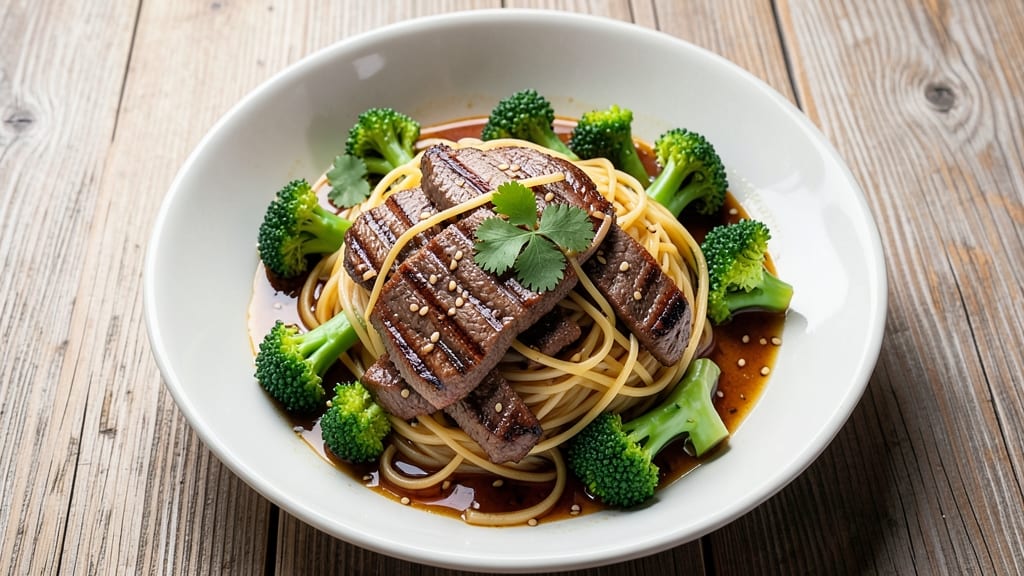
This beef and broccoli noodle stir fry delivers restaurant-quality results with crisp-tender beef, silky noodles, and vibrant broccoli—all coated in a silky soy-ginger sauce that balances sweet, savory, and umami flavors.
The secret lies in proper beef prep: thinly sliced against the grain and marinated just long enough to tenderize without overpowering the natural beef taste. I perfected this technique after years of stir-fry experiments, ensuring every bite delivers that perfect texture contrast between crisp edges and tender centers.
The foundation of this dish is a two-step cooking process that guarantees foolproof results. First, the beef gets a quick sear in a hot wok or skillet to lock in juices, then finishes cooking with the broccoli and noodles for even heat distribution.
Meanwhile, the sauce simmers just until it thickens enough to coat everything without becoming gluey—a common mistake that turns stir-fry into mushy chaos. This method transforms simple ingredients into a restaurant-worthy meal in under 30 minutes.
What you'll end up with is a boldly flavored dish where each component shines: crisp-tender beef with caramelized edges, bright green broccoli that stays crisp, and silky noodles that soak up the sauce perfectly.
The soy-ginger glaze adds depth without overpowering, creating a sauce that's rich yet balanced. This isn't just another stir-fry—it's a complete, satisfying meal that comes together faster than takeout but tastes infinitely better.
Perfect for weeknight dinners or meal prep, this recipe scales easily for crowds while maintaining its restaurant-quality texture and flavor. The key is keeping everything hot and moving quickly—once you master that, you'll never order takeout again. Let's get cooking!
Ingredients for beef and broccoli noodle stir fry
Restaurant-quality beef and broccoli noodle stir fry starts with these carefully chosen ingredients.
| Ingredient | Amount | Notes |
|---|---|---|
| Flank Steak 🥩 | 1 lb | Thinly sliced against grain |
| Linguinine Noodles 🍜 | 8 oz | Fresh or high-quality dried |
| Broccoli Florets 🥦 | 3 cups | Cut into bite-sized pieces |
| Sesame Oil 🫒 | 1 tbsp | For aroma, not cooking |
| Soy Sauce 🥢 | ½ cup | High-quality, low-sodium preferred |
| Ginger Root 🌿 | 1 tbsp | Freshly grated, not powdered |
| Garlic Cloves 🧄 | 4 cloves | Minced, not pre-minced jarred |
| Brown Sugar 🍯 | 1 tbsp | Light or dark, packed |
| Cornstarch 🌾 | 1 tbsp | For sauce thickening |
| Vegetable Oil 🫒 | 2 tbsp | High smoke point |
| Green Onion 🧅 | 3 whole | Thinly sliced for garnish |
| Sesame Seeds 🌰 | 1 tbsp | Toasted lightly |
| Red Pepper Flakes 🌶️ | ½ tsp | Adjust to taste |
| Diamond Crystal Kosher Salt 🧂 | 1 tsp | For seasoning |
| Black Pepper 🌶️ | ¼ tsp | Freshly cracked |
The flank steak is non-negotiable for this dish—its lean yet tender texture becomes crisp-tender when sliced thinly against the grain. Look for USDA Choice or Prime at your local butcher shop or well-marbled cuts from Costco or Whole Foods. Avoid pre-sliced packages at the grocery store; those often have tougher fibers. For the broccoli, choose bright green florets with tightly packed buds—Trader Joe's or local farmers markets consistently carry the freshest. The linguinine noodles should be fresh if possible, but high-quality dried like De Cecco works beautifully. If using dried, cook them al dente—they'll finish in the stir-fry.
No sesame oil? Toasted peanut oil works in a pinch, though the flavor profile shifts slightly. Substituting powdered ginger for fresh? Use half the amount, but fresh is worth the extra minute to grate. The soy sauce should be high-quality—Kikkoman or Lee Kum Kee are reliable choices. For a lower-sodium version, reduce the amount by half and add an extra pinch of Diamond Crystal kosher salt at the end. The cornstarch is critical for the sauce—Bob's Red Mill is my go-to brand. If you're avoiding gluten, arrowroot powder works perfectly as a 1:1 substitute.
Store the flank steak in the coldest part of your fridge, wrapped in parchment paper, for up to 3 days. The broccoli keeps for 5-7 days in a sealed container with a paper towel to absorb moisture. Fresh ginger lasts 2 weeks unpeeled in the fridge, while garlic stays fresh for 3 months in a cool, dark place. The prepared sauce (soy, ginger, garlic, sugar, cornstarch) can be made 2 days ahead and stored in an airtight container. Reheat gently on the stove with a splash of water to restore its silky texture—never microwave, as it breaks down the starch.
Why You'll Love This Recipe
- No Chopping Nightmare: I swear by the "cut broccoli in half" trick—no small florets, no fuss. The steak slices itself against the grain, and the linguine cooks in minutes. Honestly, my busiest nights just got a lifeline.
- Umami Bomb Combo: That first hit of sesame oil hitting the hot pan? Instant flavor upgrade. The soy sauce and steak create this deep, savory punch, while the broccoli adds freshness—like a tiny flavor party in every bite.
- Lunchbox Hero: Between us, this is my go-to for meal prep. Pack the leftovers in containers, and you’ve got a satisfying lunch that doesn’t taste like "last night’s dinner." My kids actually eat their veggies this way.
- Budget Powerhouse: A single flank steak feeds four, and the rest? Pantry staples. I’ve made this for under $12 total, and it still feels like a restaurant meal. Not the prettiest, but the taste makes up for it every time.
Step-by-step instructions for beef and broccoli noodle stir fry
Master the perfect balance of crisp-tender beef and silky sauce with this precise technique.
Prepare the Flank Steak for Maximum Tenderness
Begin by slicing the 1 lb flank steak thinly against the grain using a sharp knife. I like to make cuts about ¼-inch thick—this ensures each bite will be tender. Place the sliced steak in a bowl and season immediately with 1 tsp Diamond Crystal kosher salt and ¼ tsp black pepper, tossing gently to coat. Let it sit at room temperature for 10-15 minutes while you prep the remaining ingredients. This resting period guarantees even cooking and prevents tough, chewy results.
The reason we slice against the grain is simple: the muscle fibers run parallel to the grain, and cutting perpendicularly shortens them, making each bite more tender. Don't skip this step—it's the foundation of your dish. While the steak rests, you'll notice it softens slightly, which helps it cook more evenly in the hot pan.
Cook the Beef to Crisp-Tender Perfection
Heat 2 tbsp vegetable oil in a large wok or skillet over high heat until shimmering. Add the seasoned steak slices in a single layer and cook undisturbed for 1-2 minutes until the edges begin to brown and crisp. Here's the thing—you want the steak to develop a golden crust while remaining tender inside. Once the first side is browned, gently flip the steak and cook for another 30-60 seconds until it reaches 145°F internally. Remove the beef from the pan and set it aside on a plate.
Don't overcrowd the pan—this prevents proper browning. If you have multiple batches, work in 30-second intervals to maintain high heat. The steak should be just cooked through but still slightly pink in the center. If it releases easily from the pan and has a caramelized crust, you're on the right track. This quick cook time is crucial for maintaining tenderness.
Build the Silky Soy-Ginger Sauce
Reduce the heat to medium and add 1 tbsp freshly grated ginger root and 4 minced garlic cloves to the same pan. Stir for 30 seconds until fragrant—this releases their aromatic oils. Pour in the ½ cup soy sauce, 1 tbsp brown sugar, and 1 tbsp cornstarch, stirring constantly to combine. Let the mixture simmer for 1-2 minutes until it thickens slightly and coats the back of a spoon. This is where the magic happens—the sauce should be glossy and slightly syrupy.
The cornstarch acts as a natural thickener, creating that signature silky texture. If the sauce thickens too quickly, add 1-2 tablespoons of water to loosen it. Taste and adjust seasoning—you might need a touch more soy sauce or sugar to balance flavors. The sauce should be sweet, salty, and aromatic, with a hint of ginger heat.
Cook the Broccoli and Combine Ingredients
Return the cooked beef to the pan and add the 3 cups broccoli florets. Stir-fry for 2-3 minutes until the broccoli turns bright green and just begins to soften—it should still have a slight crunch. The residual heat from the pan and beef will finish cooking the broccoli without overcooking it. Pour in 1 tbsp sesame oil and toss everything together for 30 seconds to distribute the oil evenly.
Here's where it gets fun—the broccoli should be vibrant and slightly crisp, not mushy. If it's still too firm, cook for another 30 seconds until tender-crisp. The sesame oil adds depth of flavor and a nutty aroma that complements the beef and sauce. Taste the mixture and adjust seasoning if needed—this is your final chance to balance flavors.
Finish with Noodles and Garnishes
In a separate pot, cook the 8 oz linguine noodles according to package instructions until al dente. Drain and rinse briefly under cold water to stop the cooking process. Add the noodles to the beef and broccoli mixture, tossing gently to coat everything in the sauce. Divide the stir fry among 4 plates and garnish each serving with thinly sliced green onion and 1 tbsp toasted sesame seeds. A sprinkle of ½ tsp red pepper flakes adds a subtle kick for those who prefer heat.
Serve immediately while the noodles are still warm and the sauce is silky. The dish should be vibrant with deep flavors—sweet from the brown sugar, umami from the soy sauce, and a bright finish from the ginger and garlic. Each bite should deliver tender beef, crisp broccoli, and perfectly al dente noodles coated in that glossy sauce. This is the moment that matters: where all the elements come together in perfect harmony.
Pro Tips For Making Beef And Broccoli Noodle Stir Fry
- Slice Thin, Then Rest: I learned this the hard way—flank steak is tough when cold. Cut it against the grain into ¼-inch slices, then let them sit uncovered on a plate for 10 minutes before cooking. The residual heat keeps them from shrinking into jerky, and the surface dries just enough for a better sear.
- Blanch Broccoli First: Broccoli releases water like a faucet left running. Toss florets in boiling water for 30 seconds, then shock in ice water to stop cooking. Pat dry with a towel before stir-frying—wet broccoli turns your sauce into soup, and nobody wants that.
- Start Hot, Finish Low: Crank the wok or pan to max heat for the beef—it needs to hit 145°F fast to stay tender. Once the steak’s browned and the broccoli’s halfway done, lower the heat and add the sauce. High heat at the end burns soy sauce into bitterness, and we’re not making charred sludge here.
- Toss Noodles Last: Cook linguine al dente (1 minute less than package says), drain, and immediately toss with a splash of sesame oil while hot. Add them to the pan just before serving—linguine absorbs sauce like a sponge, and you’ll end up with mushy noodles if you mix too early. Save the sauce for the final toss.
Best sauces and condiments for this dish
Classic Soy-Ginger Base
The foundation sauce uses ½ cup soy sauce, 1 tbsp brown sugar, and 1 tbsp cornstarch for that signature glossy texture. I always use Kikkoman soy sauce for its balanced umami depth, but Lee Kum Kee works beautifully too.
The cornstarch creates that silky finish—never skip it! For a lighter version, reduce soy sauce by 2 tbsp and add ½ tsp Diamond Crystal kosher salt to compensate. 💛
Sweet and Spicy Variations
Craving heat? Add 1 tsp sriracha or ½ tsp red pepper flakes to the sauce. For sweetness lovers, swap brown sugar for 1 tbsp honey or 1 tsp maple syrup.
I love a honey-ginger twist—simmer the sauce with 1 tbsp honey and 1 tsp grated ginger for 30 seconds before adding beef. The broccoli stays crisp while the sauce becomes irresistibly glossy.
Umami Boosters
Elevate the flavor with 1 tsp fish sauce or ½ tsp oyster sauce for deeper umami. I keep Red Boat fish sauce on hand—just ½ tsp adds complexity without overpowering.
For a vegetarian option, use 1 tbsp mushroom powder (like Bob's Red Mill) or 1 tbsp tomato paste for richness. The sauce should still coat the back of a spoon but remain vibrant.
Nutty Sesame Finish
Toast 1 tbsp sesame seeds in a dry pan for 30 seconds until golden, then sprinkle over the dish. For extra depth, add 1 tsp toasted sesame oil to the sauce at the end—it enhances the nutty aroma.
If you're avoiding gluten, replace soy sauce with ½ cup coconut aminos (like Annie Chun's) and add 1 tsp rice vinegar for brightness.
Quick Sauce Shortcuts
Short on time? Use 2 tbsp hoisin sauce (like La Choy) mixed with 1 tbsp soy sauce and 1 tsp cornstarch for instant depth. For a smoky twist, stir in ½ tsp smoked paprika or ¼ tsp liquid smoke (like Coltman's) into the sauce.
The broccoli and beef will absorb the flavors beautifully, even with minimal prep.
Nutrition facts
Frequently asked questions
Can I use a different cut of beef instead of flank steak?
Sirloin or ribeye work beautifully—just slice them ¼-inch thick against the grain like flank steak. Avoid tougher cuts like chuck or round, as they won't achieve the same tender texture. For extra-lean options, marinate the beef for 15-20 minutes in 1 tbsp soy sauce and 1 tsp cornstarch before cooking.
How do I keep the broccoli crisp-tender instead of mushy?
Cook the broccoli for only 2-3 minutes over high heat—it should stay bright green with a slight crunch. Start with fresh florets (not frozen) and cut them into even-sized pieces so they cook uniformly. Add them to the pan after the beef has browned, when the pan is already hot. Overcrowding the pan steams the broccoli instead of stir-frying it.
Can I make this dish ahead of time?
Yes, but with a few key adjustments. Cook the beef and broccoli completely, then store them in the fridge for up to 2 days in an airtight container. Reheat gently in a skillet with 1 tsp sesame oil over medium heat. Cook fresh noodles separately and toss them with the reheated beef mixture just before serving. The sauce may thicken when reheated—add 1 tsp water to restore its silky texture.
What's the best way to prevent the sauce from getting gluey?
Cornstarch is your secret weapon—it needs to dissolve completely in the sauce. Whisk the 1 tbsp cornstarch with 2 tbsp cold water first, then stir it into the simmering sauce. Cook for exactly 1-2 minutes until it thickens to a glossy consistency. If it starts looking too thick, add 1 tsp water to loosen it. Never let the sauce boil after adding cornstarch, or it will break and turn gluey.
How can I make this dish gluten-free?
Replace the ½ cup soy sauce with ½ cup coconut aminos (like Annie Chun's) and add 1 tsp rice vinegar for brightness. Use arrowroot powder instead of cornstarch (same amount) as your thickener. Check all other ingredients for hidden gluten—some sesame oils and broths contain wheat. The flavor will be slightly different but still delicious and balanced.