
Sauces & Condiments
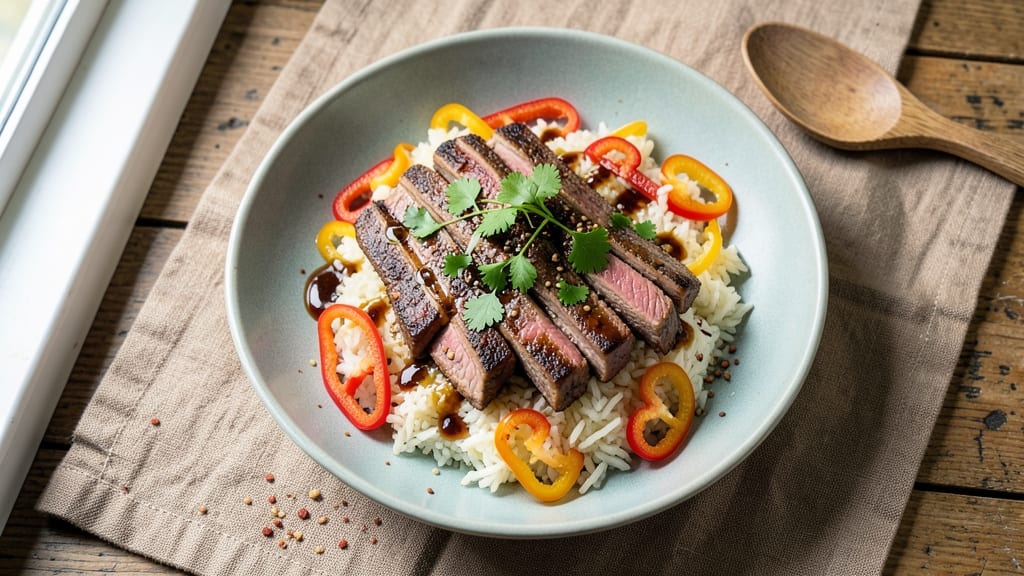
This beef and pepper rice bowl with hoisin sauce delivers a perfect balance of wok-fired crunch and silky hoisin gloss in every bite.
The secret lies in high-heat searing of tender beef strips and crisp bell peppers, then tossing everything together with perfectly cooked jasmine rice and a glossy hoisin glaze. Professional-level flavor comes from a simple technique: quick stir-frying preserves the vegetables' crunch while developing deep umami in the sauce.
The result is a restaurant-quality bowl where each component shines - tender beef with caramelized edges, crisp-tender peppers, and aromatic rice all coated in that signature sticky-sweet hoisin sauce. For extra dimension, I recommend adding quick-pickled cucumbers for acidity and toasted sesame seeds for nutty crunch.
This complete dish comes together in under 30 minutes with minimal prep, making it ideal for weeknight dinners that feel special.
Ingredients for beef and pepper rice bowl with hoisin sauce
High-quality proteins and vibrant vegetables create this restaurant-style rice bowl masterpiece.
| Ingredient | Amount | Notes |
|---|---|---|
| Flank Steak 🥩 | 1 lb | Thinly sliced against grain |
| Red Bell Peppers 🍅 | 2 whole | Sliced into thin strips |
| Yellow Bell Peppers 🍅 | 1 whole | Sliced into thin strips |
| Jasmine Rice 🍚 | 1 ½ cups | Uncooked, long-grain preferred |
| Hoisin Sauce 🍶 | ½ cup | Store-bought or homemade |
| Sesame Oil 🫒 | 1 tbsp | Toasted for aroma |
| Soy Sauce 🍶 | 2 tbsp | Low-sodium preferred |
| Garlic Cloves 🧄 | 4 cloves | Minced finely |
| Fresh Ginger 🌿 | 1 tbsp | Grated finely |
| Vegetable Oil 🫒 | 2 tbsp | High smoke point |
| Green Onions 🧅 | 3 whole | Sliced for garnish |
| Toasted Sesame Seeds 🌾 | 1 tbsp | For garnish |
| Diamond Crystal Kosher Salt 🧂 | ½ tsp | For seasoning |
| Ground Black Pepper 🌶️ | ¼ tsp | Freshly ground |
The flank steak is non-negotiable for this dish—its lean texture holds up perfectly to high-heat searing while developing caramelized edges. Purchase from a butcher or Whole Foods for the best quality, ensuring it's center-cut to avoid connective tissue. Thinly slicing against the grain maximizes tenderness. For the bell peppers, Heirloom varieties from a farmers market offer superior sweetness, but standard grocery store peppers work well. Jasmine rice is essential here—its floral aroma complements the hoisin sauce beautifully, and brands like Lundberg deliver consistent results. When selecting hoisin sauce, Lee Kum Kee remains the gold standard, though homemade versions with fermented soybeans and dates elevate the dish further.
No flank steak? Sirloin or ribeye sliced thinly will work, though texture differs slightly. Substituting yellow bell peppers for red? No problem—they simply offer a different color profile. For the hoisin sauce, plum sauce or sweet chili sauce can mimic the sweet-savory balance, though homemade hoisin (fermented soybeans, garlic, chili, and sugar) is ideal. The sesame oil should be toasted—Kadoya or La Choy are reliable brands. Fresh ginger loses potency quickly, so grate it just before use or store it in the freezer. For extra depth, toasted garlic adds a nutty dimension that pairs beautifully with the hoisin.
Prep the rice first—it takes the longest and benefits from resting after cooking. Store uncooked rice in an airtight container in a cool, dark place for up to 6 months. The hoisin sauce keeps indefinitely in the pantry, but once opened, transfer it to a sealed container to prevent drying. Fresh ginger lasts about 2 weeks in the fridge, while garlic stays fresh longer when stored whole. For leftovers, portion into glass containers—the beef and peppers reheat beautifully, though the rice may dry out slightly. To revive, spritz with water and microwave for 30 seconds.
Why You'll Love This Recipe
- One-Pan Magic: I swear by this recipe because it’s actually one-pan (minus the rice). Sear the flank steak, toss in the bell peppers, drizzle that hoisin—no extra dishes, no stress. The only cleanup is the pan you’d use anyway, and honestly? That’s a win.
- Hoisin Happiness: That sticky-sweet hoisin glaze is the MVP. It caramelizes on the peppers while melting into the beef, giving you this perfect balance of smoky, tangy, and just a little funky. My kids fight over the last bite—no joke.
- Meal Prep Hero: This keeps perfectly for days. I make a big batch on Sundays, and by Wednesday, I’m still grabbing bowls for lunch. The rice stays fluffy, the beef stays tender, and the peppers hold their crunch—no sad, soggy leftovers here.
- Budget Steakhouse Feel: Flank steak is affordable, and a little goes a long way. You’re getting restaurant-quality flavors without the price tag. Plus, the bell peppers add color and crunch for almost nothing—fancy enough for guests, but simple enough for a Tuesday.
Step-by-step instructions for beef and pepper rice bowl with hoisin sauce
Master this wok-fired technique for restaurant-quality texture contrast every time.
Prepare the Flank Steak and Vegetables
Slice the 1 lb flank steak thinly against the grain into ¼-inch strips for maximum tenderness. Place the strips in a bowl and toss with 2 tbsp soy sauce, ½ tsp Diamond Crystal kosher salt, and ¼ tsp ground black pepper. Let marinate for 15-20 minutes while you prep the vegetables.
Slice the 2 whole red bell peppers and 1 whole yellow bell pepper into thin strips—about ¼-inch wide—for even cooking. Finely mince the 4 cloves garlic and grate the 1 tbsp fresh ginger. Keep all prepped ingredients within reach for quick assembly.
Cook the Jasmine Rice to Perfection
Rinse the 1.5 cups jasmine rice thoroughly under cold water until the water runs clear. This removes excess starch and prevents gummy rice. Combine with 3 cups water and ½ tsp Diamond Crystal kosher salt in a pot, then bring to a boil over medium-high heat. Once boiling, reduce to low heat, cover tightly, and simmer for 15 minutes without lifting the lid.
After 15 minutes, remove from heat and let the rice steam undisturbed for 10 minutes. Fluff gently with a fork—it should be tender but still slightly firm. If any liquid remains, drain it through a fine-mesh strainer. This perfectly cooked rice will absorb the hoisin sauce beautifully later.
Wok-Fry the Beef and Peppers
Heat a wok or large skillet over high heat until a drop of water sizzles and evaporates instantly. Add 2 tbsp vegetable oil and swirl to coat. Working in batches if needed, add the marinated flank steak strips and sear for 1-2 minutes until deep brown and just cooked through. Remove and set aside.
In the same wok, add another 1 tbsp vegetable oil if needed, then add the pepper strips. Stir-fry for 3-4 minutes until brightly colored and slightly charred in spots. Add the minced garlic and ginger, cooking for 30 seconds until fragrant. Return the beef to the wok and toss everything together for 1 minute to combine.
Finish with Hoisin Sauce and Garnishes
Reduce heat to medium-low and stir in the ½ cup hoisin sauce, tossing until the sauce coats all ingredients evenly. Add 1 tbsp toasted sesame oil and mix well. Taste and adjust seasoning—add a splash of water if the sauce is too thick. Keep warm while you prepare the final touches.
Slice the 3 whole green onions into ¼-inch pieces and toast the remaining 1 tbsp toasted sesame seeds in a dry skillet over low heat for 1 minute until fragrant. Divide the jasmine rice among bowls, top with the beef and pepper mixture, then garnish with green onions and sesame seeds. Serve immediately for the best texture contrast.
Pro Tips For Making Beef And Pepper Rice Bowl With Hoisin Sauce
- Slice Against the Grain: Flank steak’s tough fibers run lengthwise—cutting perpendicular to them turns chewy meat into tender strips. Use a sharp knife and angle it low; a sawing motion works better than chopping. (Yes, it takes longer, but your rice bowl will thank you.)
- Char Peppers First: Sear the bell peppers in a dry pan for 2–3 minutes before adding oil—this concentrates their sweetness and gives them that smoky edge. Toss them in later when stir-frying, so they don’t turn to mush. (I learned this after serving sad, soggy peppers twice.)
- Rest the Steak Before Slicing: Skip the urge to cut into that sizzling hot steak—let it sit 5 minutes under foil. The residual heat keeps it juicy, and the slices hold up better when tossed with rice. (Your hoisin sauce will cling to them like it’s supposed to.)
- Use Half the Hoisin: Start with 1 tablespoon, not the whole bottle—you can always add more. Hoisin’s sweetness and salt can overpower the beef if you dump it all in at once. (Trust me, you’ll regret it if you’re serving picky eaters.)
Regional styles of beef and pepper rice bowl with hoisin sauce
Chinese-American Fusion
This dish represents the perfect marriage of Chinese stir-fry techniques and American home cooking. The high-heat wok method originates from Cantonese cuisine, where quick cooking preserves crunch and maximizes umami.
However, the hoisin sauce—a staple in Chinese-American restaurants—was traditionally used as a dipping sauce before becoming a bowl component. I first encountered this version at a San Francisco dim sum spot where they elevated it with tender flank steak and crisp peppers. 🌶️
Taiwanese Street Food Roots
The concept traces back to Taiwan's night market culture, where vendors served similar beef and pepper stir-fries over rice. The key difference? Traditional Taiwanese versions often use dark soy sauce instead of hoisin for deeper color.
I adapted this by adding Lee Kum Kee hoisin for that signature sweet-salty balance. For authenticity, some Taiwanese chefs add fermented black beans—about 2 tbsp—for extra depth. The dish became popular in the US through Taiwanese-American restaurants in cities like Los Angeles and New York.
Japanese-Inspired Garnishes
While the core dish is Chinese-American, the finishing touches borrow from Japanese techniques. The toasted sesame seeds and green onion garnish come from Japanese rice bowl culture, where visual presentation matters as much as flavor.
I learned this from a Japanese chef friend who suggested adding pickled ginger (about 1 tsp) alongside the green onions for a bright, tangy contrast. The combination of crisp peppers, tender beef, and aromatic rice creates that perfect umami triangle found in many East Asian dishes.
Modern American Adaptations
Today's version often includes quick-pickled cucumbers (about ½ cup) for acidity—a nod to American comfort food preferences. I like using apple cider vinegar and a pinch of sugar for the pickling liquid. Another modern twist is adding a soft-boiled egg on top, inspired by California-style rice bowls.
For extra crunch, some chefs sprinkle crushed peanuts (about 1 tbsp) instead of sesame seeds. The dish has become a staple in food trucks across the US, especially in cities with large Asian-American communities.
Korean-Influenced Variations
In Korean-inspired versions, the hoisin is sometimes replaced with gochujang (Korean chili paste) for heat. I've experimented with mixing 1 tbsp gochujang into the hoisin for a spicy kick while keeping the sweetness.
Another Korean touch is adding kimchi (about ¼ cup) as a side or mixed into the bowl. The combination of fermented flavors from kimchi and the sweet-savory hoisin creates a complex flavor profile that works beautifully with the beef and peppers.
Vegetarian Twists
For a plant-based version, swap the beef for extra-firm tofu (about 1 lb) pressed and sliced into strips, then marinated in 1 tbsp soy sauce and 1 tsp cornstarch. Stir-fry it just like the beef until crispy.
Some versions use shiitake mushrooms (about 8 oz) for a meatier texture. The hoisin sauce still shines as the star, binding all ingredients together. This vegetarian adaptation works well for weeknight meals and satisfies even meat lovers. 💛
Nutrition facts
Frequently asked questions
Can I use a different cut of beef instead of flank steak?
Yes! Sirloin or ribeye work well—just slice them ¼-inch thick against the grain for tenderness. Flank steak is ideal because it's lean and develops that perfect caramelized crust quickly. If using a thicker cut like chuck roast, slice it extra thin and marinate for 30 minutes to ensure juiciness.
How do I make the hoisin sauce stick to the rice better?
For maximum adhesion, cook the rice to be slightly firm (not mushy) and let it cool slightly before assembling. Warm the hoisin sauce gently before tossing with the beef and peppers—this helps it cling better. A quick trick: Add 1 tsp cornstarch to the hoisin and warm it until slightly thickened before mixing with the other ingredients.
What's the best way to reheat leftovers without drying out the rice?
Reheat in 30-second bursts in the microwave, stirring between each interval. For stovetop reheating, use a steamer basket over boiling water with a splash of water in the bowl to restore moisture. Never microwave uncovered—always use a lid or damp paper towel to trap steam. The beef and peppers reheat beautifully this way!
Can I make this dish ahead of time?
Prep all components separately and store them in airtight containers in the fridge for up to 2 days. Keep the rice, beef, and peppers separate until ready to assemble. Reheat each component separately—rice in the microwave with a damp towel, beef and peppers in a skillet with a splash of water. The hoisin sauce can be warmed separately and tossed in at the end for that fresh restaurant flavor.
What if I don't have a wok? Can I use a regular pan?
Yes, a large skillet or cast-iron pan works perfectly! The key is maintaining high heat and working in batches if needed. For best results, choose a pan with sloped sides to help toss ingredients easily. If your pan isn't wide enough, cook the beef first, then remove it and cook the peppers in the same pan—this carries all the delicious flavors through!