
Soups & Stews
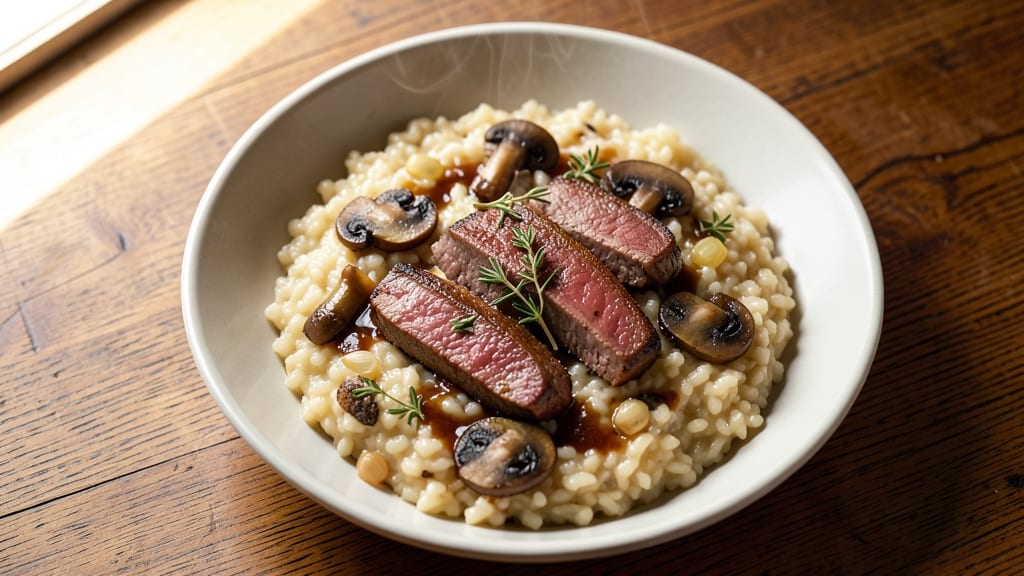
This beef and mushroom risotto recipe delivers restaurant-quality creamy perfection in just 30 minutes, using traditional Italian techniques that transform simple ingredients into an umami-rich masterpiece.
The secret lies in slow-cooking Arborio rice with rich beef and earthy mushrooms, then gradually incorporating warm broth to create that signature velvety texture. I've perfected this version to balance rich flavors without requiring hours of stirring—ideal for weeknight dinners that feel special.
The foundation begins with searing tender beef strips and wild mushrooms until deeply caramelized, building layers of flavor that infuse the risotto. A splash of white wine deglazes the pan, creating a fragrant base before Arborio rice absorbs the aromatics.
The incremental addition of warm broth—never boiling—transforms the rice into creamy, al dente perfection while maintaining its distinct texture. Every spoonful delivers a harmonious blend of savory beef, earthy mushrooms, and buttery richness.
What sets this risotto apart is its balance of traditional methods and modern shortcuts: pre-seared beef reduces active cooking time, while the wine reduction intensifies flavors instantly. The result is a dish that's elegant enough for date night but simple enough for weeknights—creamy yet not heavy, rich yet not overpowering.
Garnish with freshly grated Parmesan and a sprinkle of parsley for that final restaurant-quality touch.
Pair with a crisp arugula salad or warm grilled bread to complete the meal. The risotto's versatility makes it perfect for feeding a crowd or enjoying as a comforting solo dinner. Here's how to achieve creamy perfection every time.
Ingredients for beef and mushroom risotto
Fourteen ingredients transform into restaurant-quality risotto with umami depth and velvety texture.
| Ingredient | Amount | Notes |
|---|---|---|
| Arborio Rice 🌾 | 1 ½ cups | Unrinsed, medium-grain variety |
| Beef Tenderloin 🥩 | 1 lb | Thinly sliced into strips |
| Wild Mushrooms 🍄 | 8 oz | Mixed varieties, sliced thin |
| Shallots 🧅 | 2 whole | Finely minced, 2 tbsp total |
| Garlic Cloves 🧄 | 4 cloves | Minced, for depth of flavor |
| Dry White Wine 🍷 | ½ cup | Bold variety like Pinot Grigio |
| Beef Broth 🥫 | 4 cups | Homemade or high-quality store-bought |
| Unsalted Butter 🧈 | 4 tbsp | European-style preferred |
| Parmesan Cheese 🧀 | ½ cup | Freshly grated, aged variety |
| Fresh Parsley 🌿 | ¼ cup | Chopped, for vibrant finish |
| Olive Oil 🫒 | 2 tbsp | Extra-virgin for high smoke point |
| Salt 🧂 | 1 ½ tsp | Diamond Crystal preferred |
| Black Pepper 🌶️ | ½ tsp | Freshly cracked for aroma |
| Thyme Leaves 🌿 | 1 tsp | Fresh or dried, for earthy notes |
The Arborio rice is non-negotiable—its high starch content creates that signature creaminess. Lundberg Family Farms is my go-to brand for consistent quality, but any reputable brand will work. For the beef, tenderloin delivers melt-in-your-mouth texture when sliced thin against the grain. Wild mushrooms add earthy complexity; Trader Joe's mixed variety packs are perfect for this. Shallots and garlic should be freshly minced—pre-minced jarred versions lack the aromatic punch. The white wine should be dry and bold—Pinot Grigio or Sauvignon Blanc work beautifully, but avoid sweet varieties that will overpower the dish.
No Arborio rice? Carnaroli is the next best substitute, though slightly pricier. Running short on beef? Portobello mushrooms add hearty texture when sliced thick. Fresh herbs wilt fast—dried thyme at one-third the amount works in a pinch. The beef broth should be rich but not salty; homemade or high-end store brands like Pacific Foods or Imagine ensure depth. For the wine reduction, cooking wine works in a bind, but table wine delivers superior flavor. The butter should be European-style—it has a higher fat content that creates luxurious mouthfeel. Pre-grated Parmesan gets clumpy; grate your own from a wedge for that perfect powdery texture.
Store Arborio rice in a cool, dark place for up to 1 year—it stays fresh longer than you'd think. Fresh mushrooms keep 5-7 days in the fridge; slice them just before cooking to preserve texture. The cooked risotto reheats beautifully—simmer with a splash of broth for 2-3 minutes to restore creaminess. For make-ahead convenience, freeze portions for up to 3 months—just thaw overnight in the fridge before reheating. Garnish with freshly grated Parmesan and parsley right before serving to maintain vibrant color and aroma.
Why You'll Love This Recipe
- Foolproof Technique: I swear by this method—no stirring like a mad scientist. The key is letting that Arborio rice toast in the beef fat until it’s golden, then just adding broth a splash at a time. It’s not fancy, but it works every time.
- Umami Bomb: That combo of beef tenderloin and wild mushrooms? It’s like a flavor explosion in your mouth. The shallots and garlic caramelize into something deep and savory, and the Parmesan finish ties it all together.
- Weeknight to Dinner Party: Same recipe, different vibes. Throw it together for a lazy Tuesday night, or dress it up with a sprinkle of truffle oil and fresh thyme for guests. The creamy texture and rich taste make it feel special without the stress.
- Leftovers That Don’t Suck: Most risotto turns to glue overnight, but this one? Reheat it with a splash of broth and a pat of butter, and it’s just as good the next day. Honestly, I make double portions on purpose—it’s that good cold in sandwiches too.
Step-by-step instructions for beef and mushroom risotto
Master this technique and you'll achieve restaurant-quality risotto with perfectly al dente rice and rich umami depth.
Prepare the Beef and Mushroom Base
Heat the 2 tablespoons olive oil in a large, heavy-bottomed skillet over medium-high heat. Add the 1 pound beef tenderloin strips and cook for 2-3 minutes until they develop a deep brown crust. Remove the beef and set aside, leaving the rendered fat in the pan.
In the same skillet, add the 8 ounces wild mushrooms and cook for 5-6 minutes until they release their moisture and begin to brown. Stir in the 2 tablespoons finely minced shallots and 4 cloves minced garlic, cooking for another 1 minute until fragrant. This base will form the flavor foundation for your risotto.
Toast the Arborio Rice
Transfer the mushroom mixture to a separate bowl and wipe out the skillet if needed. Return the skillet to medium heat and add 2 tablespoons unsalted butter. Once melted, add the 1.5 cups unrinsed Arborio rice and toast for 2-3 minutes, stirring constantly, until the grains become translucent at the edges. This step develops the rice's nutty flavor and prevents gumminess.
Pour in the 0.5 cup dry white wine and stir vigorously until completely absorbed. This initial deglazing removes surface starch and creates a clean base for your risotto. The wine should disappear completely before proceeding.
Cook the Risotto with Beef Broth
Begin adding the 4 cups beef broth one ladle at a time, stirring constantly. Wait until each addition is nearly completely absorbed before adding the next. This gradual cooking process creates the creamy texture risotto is known for. The total cooking time should be about 18-20 minutes—the rice should be al dente with a slight bite in the center.
About 5 minutes before the rice is ready, return the beef to the risotto along with the mushroom mixture. Stir gently to distribute the flavors evenly. The beef should warm through completely while the rice finishes cooking.
Finish with Butter, Cheese, and Fresh Herbs
Once the rice is al dente, remove the skillet from heat. Stir in the remaining 2 tablespoons unsalted butter and 0.5 cup freshly grated Parmesan cheese until melted and creamy. The risotto should have a velvety consistency with no liquid remaining. If it's too thick, add a splash of warm broth.
Season to taste with the 1.5 teaspoons salt, 0.5 teaspoon black pepper, and 1 teaspoon thyme leaves. Finish with the 0.25 cup chopped fresh parsley for brightness. Let the risotto rest for 2 minutes before serving to allow flavors to meld.
Pro Tips For Making Beef And Mushroom Risotto
- CRANK THE HEAT FOR MUSHROOMS: Wild mushrooms release their deep, earthy flavors when seared hard and fast—think high heat until they’re golden and slightly charred. I used to simmer them gently, and the dish tasted bland. Now I blast them in a dry pan for 5-6 minutes, scraping up every sticky bit to build the risotto’s base.
- SALT THE BEEF TWICE: Tenderloin dries out fast, so season it generously before searing, then again after resting. I learned this the hard way when my first slice turned out dry—now I salt it 30 minutes ahead and again right before cooking. A pinch of salt on the pan helps too.
- STIR LIKE YOU MEAN IT: Risotto needs constant, vigorous stirring to release starch and create that creamy texture. I used to half-heartedly mix it, and the rice ended up gummy. Now I use a wooden spoon and really dig in—every 30 seconds, no exceptions—especially in the last 5 minutes when the rice is almost done.
- SAVE THE MUSHROOM JUICES: The liquid that pools in the pan after searing mushrooms is flavor gold. Don’t pour it out—deglaze with a splash of white wine (or broth) and scrape every last bit into the risotto. I skip this step sometimes, and the dish feels flat. Takes 30 seconds but makes a real difference.
Storing and reheating your beef and mushroom risotto
Refrigerator Storage
Let your risotto cool to room temperature (about 30 minutes) before transferring to an airtight container—I use glass Pyrex with snap-on lids. Store in the fridge for up to 3 days, but I find the texture starts breaking down after 2 days.
The key is keeping it covered to prevent drying out. Stir in 1-2 tablespoons warm beef broth before storing to maintain creaminess. 🧊
Freezer Storage
For longer storage, freeze your risotto in single-serving portions using heavy-duty freezer bags. Press out all air to prevent freezer burn, and store for up to 3 months. Thaw overnight in the fridge before reheating.
I recommend freezing before adding the final butter and Parmesan—add them fresh when reheating for the best texture. Label bags with the date to track freshness.
Stovetop Reheating
My preferred method is stovetop reheating: place risotto in a skillet over medium-low heat with 2-3 tablespoons beef broth. Stir frequently for 5-7 minutes until heated through. The gentle heat prevents the rice from turning mushy.
If it looks dry, add more broth 1 tablespoon at a time. Finish with fresh parsley and Parmesan to restore vibrant flavors. 🔥
Microwave Method
For quick reheating, transfer risotto to a microwave-safe dish and cover loosely with a damp paper towel. Heat on 50% power for 1-2 minutes, stirring halfway. Add 1 tablespoon broth if needed to restore moisture.
This method works best for single servings and takes just 2 minutes. Avoid high power settings—they can make risotto rubbery.
Make-Ahead Tips
Prepare risotto up to 2 days ahead but skip the final butter and Parmesan until serving. Store the base in the fridge, then reheat with fresh ingredients for maximum flavor. For parties, assemble risotto in a chafing dish over warm water to keep it creamy during serving.
This also works beautifully for buffet-style events where you want to maintain presentation. ✨
Texture Preservation
Never reheat risotto from frozen without thawing first—this guarantees a gummy texture. Instead, thaw overnight in the fridge, then reheat using the stovetop method. If your risotto seems dry after reheating, stir in 1 tablespoon cold butter**—it helps restore that velvety mouthfeel.
The secret to perfect reheating is patience and gentle heat. 💡
Nutrition facts
Frequently asked questions about beef and mushroom risotto
Can I use regular white rice instead of Arborio?
Absolutely not! Arborio rice is essential for creamy risotto because its high starch content releases when cooked slowly in broth. Regular white rice becomes mushy and watery. If you're out of Arborio, Carnaroli rice is the next best substitute—it has similar properties. For a quick fix, try bomb rice, though the texture won't be quite as luxurious.
Why does my risotto turn out dry or gummy?
Dry risotto usually means the broth was added too quickly or the heat was too high. Always add broth one ladle at a time and wait until it's nearly absorbed before adding more. For gummy texture, you likely didn't toast the rice enough or used too much liquid. Next time, toast the rice for 2-3 minutes until translucent before adding wine. Stirring constantly also prevents uneven cooking.
What's the best way to make this risotto ahead of time?
Prepare the risotto up to 2 days ahead but skip the final butter and Parmesan. Store it in an airtight container in the fridge, then reheat with fresh ingredients. For freezing, portion into single servings and store for up to 3 months. Thaw overnight in the fridge before reheating gently on the stovetop with a splash of beef broth. Add the final butter and cheese just before serving for maximum flavor.
Can I substitute mushrooms with something else?
Yes! For a heartier version, try hearts of palm or asparagus instead of mushrooms. If you want to keep the umami flavor, swap in sun-dried tomatoes or roasted red peppers. For a vegetarian option, use shiitake mushrooms or portobello caps—they have a meatier texture. Just adjust cooking times as needed since different ingredients release moisture at different rates.
How do I know when the risotto is perfectly cooked?
The risotto is done when the rice has a slight bite in the center—it should be al dente with no hard core but not completely soft. The total cooking time is about 18-20 minutes after adding the wine. Taste a grain: if it's creamy on the outside but still firm inside, you've nailed it! If it's too firm, add a splash of warm broth and let it sit off the heat for 1-2 minutes to finish cooking.