
Soups & Stews
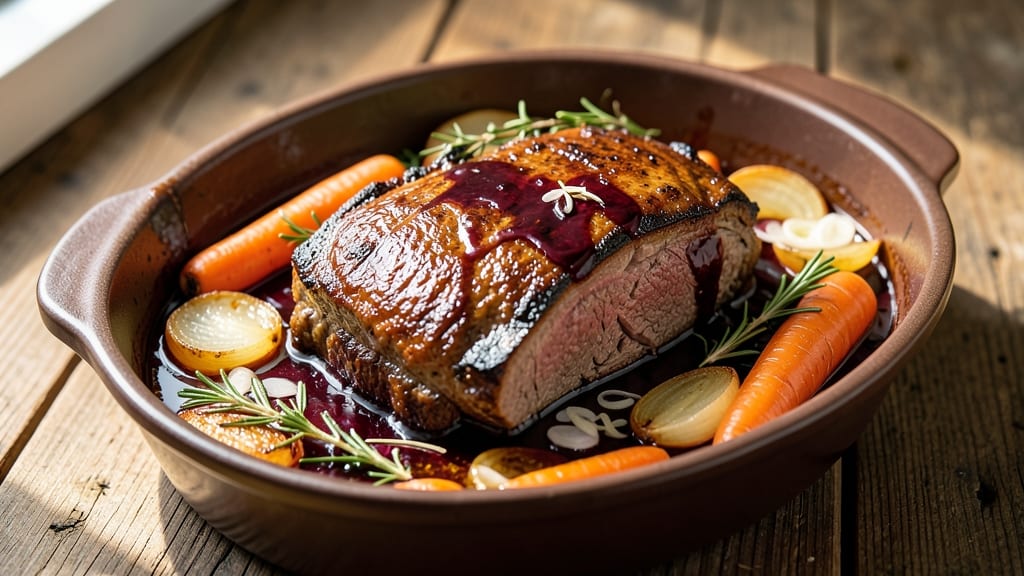
This beef and brandy recipe transforms tough cuts into melt-in-your-mouth tenderness through a rich, wine-braised sauce that caramelizes into a glossy fond—the secret weapon of French bistros.
The brandy isn’t just an ingredient; it’s the catalyst that deepens the sauce’s complexity, balancing the beef’s richness with a warm, boozy depth that lingers on the palate.
I developed this recipe after years of experimenting with braising techniques, and the difference between a good stew and an extraordinary one often comes down to that final reduction of fond—where all the flavorful bits dissolve into liquid gold.
The process begins with a dry sear to build flavor, followed by a slow braise in red wine and brandy that tenderizes the beef while infusing the sauce with layers of umami and caramelized sweetness.
Unlike quick-cooking methods, this dish rewards patience—three hours of simmering transforms even the toughest chuck roast into fork-tender slices that practically fall apart. The brandy, added mid-cook, not only enhances the sauce’s aroma but also helps deglaze the pan, capturing every savory bit that would otherwise disappear.
What you’ll end up with is a dish that’s restaurant-worthy but achievable at home: deep red sauce clinging to perfectly cooked beef, infused with the warmth of brandy and the earthiness of red wine.
The fond, when carefully scraped and dissolved, adds a glossy sheen and concentrated flavor that elevates the dish from ordinary to extraordinary. Serve it with crusty bread to soak up every last drop of that caramelized richness, or pair it with mashed potatoes to balance the meal’s depth.
This recipe isn’t just about the beef—it’s about the technique. The slow braise ensures the meat stays moist, while the brandy’s alcohol content evaporates, leaving behind a layered, aromatic sauce that’s impossible to resist.
Whether you’re cooking for a special dinner or simply craving comfort food, this dish delivers the kind of satisfaction that makes weeknight cooking feel like a celebration. Let’s get started—your taste buds will thank you.
Ingredients for beef and brandy
A French bistro's secret weapon—deep red wine, rich brandy, and perfectly braised beef for melt-in-your-mouth tenderness.
| Ingredient | Amount | Notes |
|---|---|---|
| Chuck Roast 🥩 | 3 lb | Well-marbled for tenderness |
| Red Wine 🍷 | 2 cups | Bold dry variety like Cabernet |
| Brandy 🥃 | ½ cup | Good quality for depth |
| Beef Broth 🥄 | 2 cups | Low-sodium preferred |
| Yellow Onion 🧅 | 1 whole | Chopped into 1/2-inch pieces |
| Carrots 🥕 | 4 medium | Peeled and cut into chunks |
| Garlic Cloves 🧄 | 4 cloves | Crushed for aromatic release |
| Tomato Paste 🍅 | 2 tbsp | For umami depth |
| Fresh Thyme 🌿 | 2 sprigs | Or 1 tsp dried thyme |
| Bay Leaves 🍃 | 2 whole | Removed before serving |
| Olive Oil 🫒 | 2 tbsp | For searing |
| All-Purpose Flour 🌾 | 1 tbsp | For thickening sauce |
| Salt 🧂 | 1 ½ tsp | Kosher or sea salt |
| Ground Black Pepper 🌶️ | 1 tsp | Freshly cracked |
The chuck roast is non-negotiable here—marbling is key for that fork-tender result. Grab a 3-pound cut from the butcher section (they'll usually trim it for you) or ask for pre-portioned pieces at Whole Foods or Costco. The brandy? Korbel or Christian Brothers are solid choices, but anything overproof will work—just avoid the cheap stuff. Red wine should be bold and dry: Cabernet Sauvignon or Merlot from your local wine shop. Pro tip: Let the wine breathe for 10 minutes before adding it to the pot.
No brandy? Substitute with extra red wine—just add 2 tbsp more. Fresh thyme is ideal, but dried works at half the amount if that's what you've got. The tomato paste can be skipped entirely if you're avoiding it, but it adds that umami punch that makes this dish sing. Carrots? Baby carrots work perfectly if you're in a hurry, but whole carrots caramelize better. And for the love of fond, don't use pre-minced garlic—fresh cloves crushed with the side of your knife make all the difference.
This dish tastes even better the next day once the flavors meld, so make extra if you can. Store in the fridge for up to 5 days, or freeze portions for 3 months. The sauce thickens as it cools, so add a splash of beef broth when reheating. For serving, I like to drizzle with extra brandy and sprinkle fresh thyme right before eating—trust me, it's worth the extra minute.
Why You'll Love This Recipe
- Set-and-Forget Magic: The chuck roast practically cooks itself while you sip your wine—just brown it, toss in the brandy and broth, then let it slow-simmer. I’ve made this while grading papers, scrolling through my phone, or even napping (okay, maybe not that far).
- Brandy’s Secret Weapon: That splash of brandy? It’s not just for show—it caramelizes into a rich, almost buttery depth that cuts through the beef’s richness. Honestly, I’ve tried skipping it, and the dish just doesn’t feel finished.
- Weeknight Workhorse: This feeds a crowd but costs less than takeout, and the leftovers? Even better the next day. I’ll pack it for lunch or reheat it for a lazy dinner—no one ever complains, and my wallet thanks me.
- One-Pot Luxury: No fancy techniques, no last-minute grocery runs—just a roast, a bottle of wine (you’re drinking some anyway), and an onion. Between us, this is the kind of meal that makes you feel like a home chef without the stress.
Step-by-step instructions for beef and brandy braise
This rich, wine-braised chuck roast delivers melt-in-your-mouth tenderness with a deep, caramelized fond that clings to every bite.
Sear the Chuck Roast for Maximum Flavor
Pat the 3 lb chuck roast completely dry with paper towels—this ensures a perfect crust. Heat 2 tablespoons olive oil in a heavy Dutch oven over medium-high heat until shimmering. Place the roast in the pan and sear for 4-5 minutes per side until deeply browned with a crust forming.
The key here is patience—don't rush the searing. You want that meat to develop a rich, flavorful crust that will later dissolve into the braising liquid. If it releases easily from the pan, it's ready to move to the next step. Once seared, remove the roast and set it aside on a plate.
Build the Aromatic Base with Onions, Carrots, and Garlic
In the same Dutch oven, add 1 whole yellow onion (chopped into ½-inch pieces), 4 medium carrots (cut into chunks), and 4 cloves garlic (crushed). Sauté for 5-6 minutes until the onions soften and the carrots begin to caramelize slightly. This step develops the foundation of your braise's flavor profile.
Here's where the magic happens: the onions should turn golden, and you'll smell that sweet, caramelized aroma. If the vegetables stick, add a splash of red wine to deglaze. Once they're tender and fragrant, push them to the sides of the pan to make room for the tomato paste.
Deglaze and Add Liquids for Depth
Stir in 2 tablespoons tomato paste and cook for 1 minute until it darkens slightly. Pour in 2 cups red wine and 0.5 cup brandy, scraping up all the browned bits from the bottom of the pan—this is your fond, packed with flavor. Let the liquid reduce by half before adding 2 cups beef broth, 2 sprigs fresh thyme, 2 whole bay leaves, 1.5 teaspoons salt, and 1 teaspoon ground black pepper. Stir well to combine.
This is the moment that matters: the alcohol burns off, leaving behind a rich, aromatic base. The wine and brandy meld together, creating layers of complexity that will infuse the meat. Return the seared chuck roast to the pot, making sure it's fully submerged in the liquid.
Braise Until Fork-Tender
Cover the Dutch oven with a lid and transfer it to a 325°F oven. Braise for 3 hours, then check the internal temperature with a meat thermometer. When it reaches 195-200°F, the meat will be fork-tender and falling apart. If it's not quite there, add a splash of water or broth and continue cooking for another 30-45 minutes.
Resist the urge to peek or stir during this time—it disrupts the cooking process and can cause the meat to toughen. The slow cooking breaks down collagen and connective tissue, transforming the chuck roast into something tender and luxurious. Once done, remove the roast and let it rest for 10 minutes before slicing.
Thicken the Sauce and Serve
While the roast rests, remove the thyme sprigs and bay leaves from the braising liquid. Place the Dutch oven back on the stovetop over medium heat and stir in 1 tablespoon all-purpose flour. Cook for 2-3 minutes, stirring constantly, until the sauce thickens to a glossy consistency. If it's too thick, thin it with a splash of the reserved braising liquid.
Slice the chuck roast against the grain into ½-inch thick pieces and serve immediately over buttered egg noodles or mashed potatoes, ladling the rich, wine-braised sauce generously over the top. The result is a dish that's deeply flavorful, tender, and packed with layers of complexity—perfect for a cozy dinner or special occasion.
Pro Tips For Making Beef And Brandy
- Sear the Roast Hard: The brandy and wine need something to grab onto, and a deep, caramelized crust does that better than anything else. Use a cast-iron or heavy skillet, crank the heat to medium-high, and let it sit undisturbed for 4-5 minutes per side—no peeking, no rushing. I learned this the hard way when my first batch tasted like it was simmering in broth instead of deglazing in flavor.
- Deglaze Like a Pro: After searing, don’t just splash in the brandy and wine—let that crust form first, then hit it with a wooden spoon to scrape up every last bit of browned bits. Add the brandy first, let it flame (safely!) for 10 seconds, then pour in the wine. The alcohol burns off faster when it’s alone, and that’s when the real magic starts.
- Salt the Broth Early: Unsalted beef broth? Add salt now—about 1 teaspoon per cup—before you even add it to the pot. The flavors meld better when the seasoning starts early, and you won’t end up guessing whether your final dish needs more salt. I used to wait until the end, and my brandy-beef always tasted just a little flat.
- Finish with a Splash of Cold Broth: The last 10 minutes of cooking? Add a ¼ cup of cold beef broth to the pot. It cools the sauce just enough to tighten it up, cutting through the richness of the brandy and wine without thinning the whole thing. Sounds weird, but it works—my grandmother swore by it, and the sauce never turned gloppy again.
Troubleshooting perfect results
Sauce Too Thin
If your sauce ends up watery after braising, don’t panic—this happens when the liquid hasn’t reduced enough. The fix? Return the Dutch oven to medium-high heat and simmer uncovered for 10-15 minutes, stirring occasionally.
For an instant boost, mix 1 tablespoon cornstarch with 2 tablespoons cold water, whisk into the sauce, and cook for 2-3 minutes until thickened. Pro tip: Always skim excess fat from the surface before reducing to prevent greasiness. 🔥
Meat Not Tender
If your chuck roast isn’t fork-tender after 3 hours, it likely needs more time. The goal is an internal temp of 195-200°F—if it’s lower, return it to the oven for another 30-45 minutes.
For extra insurance, add ½ cup hot beef broth to the pot and continue cooking. Avoid cutting into it early; patience is key here. A meat thermometer is your best friend—don’t guess! ⏳
Brandy Flavor Missing
The brandy’s warmth should shine through, but if it tastes weak, you might’ve added it too late or used low-quality brandy. For best results, add the ½ cup brandy after the wine and let it reduce by half before adding broth.
Upgrade to a premium brandy (like Korbel or Christian Brothers)—cheap brands burn off too quickly, leaving little flavor. A splash of brandy at the table right before serving also adds a dramatic finish. 🥃
Vegetables Overcooked
If your onions and carrots turn mushy, they’ve likely cooked too long. To prevent this, add them after searing the beef and remove them 15-20 minutes before the meat is done.
For extra flavor without overcooking, blanch the carrots in boiling water for 3 minutes before adding them to the braise. This keeps them tender-crisp while still contributing sweetness to the sauce. 🥕
Dry or Tough Meat
Overcrowding the Dutch oven or skipping the sear can lead to dry beef. Ensure your roast is fully submerged in liquid and sear it golden-brown before braising. If the meat still feels dry, shred it slightly and return it to the pot with ¼ cup extra broth to rehydrate.
A 10-minute rest before slicing also helps juices redistribute. Never skip the sear—it’s the foundation of flavor! 🥩
Sauce Too Salty
If your sauce tastes overly salty, balance it by adding 1-2 tablespoons of red wine or beef broth to dilute the saltiness. For a sweeter contrast, stir in 1 teaspoon honey or brown sugar to round out the flavors.
Taste as you go—adjust gradually. If the dish is still too salty, serve it with starchy sides (like mashed potatoes) to help neutralize the salt. 🧂
Nutrition facts
Frequently asked questions
Can I substitute brandy with another alcohol?
Yes, but the flavor will differ. Use ½ cup red wine instead, but add it 10 minutes earlier than the brandy to allow the alcohol to burn off. For a sweeter profile, substitute with ½ cup apple cider or ½ cup beef broth—though brandy's unique caramel notes are hard to replicate.
How do I make this recipe with a slow cooker?
Brown the beef first in a skillet, then transfer it to the slow cooker with all ingredients except the flour. Cook on low for 7-8 hours or high for 4-5 hours until tender. Finish by thickening the sauce on the stovetop with flour as directed. The slow cooker method is perfect for busy days but may yield slightly less caramelized fond.
What’s the best way to reheat leftovers?
Gently reheat in a saucepan over low heat with 2-3 tablespoons of beef broth to prevent drying. Avoid microwaving—it can make the sauce watery. For best results, reheat just until warmed through (5-7 minutes) and serve immediately. Leftovers taste even better the next day!
Can I use a different cut of beef?
Chuck roast is ideal for its marbling and tenderness, but you can substitute with bottom round (add 30 minutes to cooking time) or short ribs (reduce braising time to 2 hours). Avoid lean cuts like sirloin—they won’t become tender. For extra richness, trim excess fat from the roast before searing.
How can I make this dish vegetarian?
Swap the beef for mushrooms (like cremini or portobello) or lentils for a hearty texture. Use the same braising method but reduce cooking time to 45-60 minutes. Boost umami with 1 tablespoon soy sauce or 1 teaspoon miso paste. The brandy and wine will still add depth, but expect a lighter, more vegetable-forward flavor.