
Main Courses
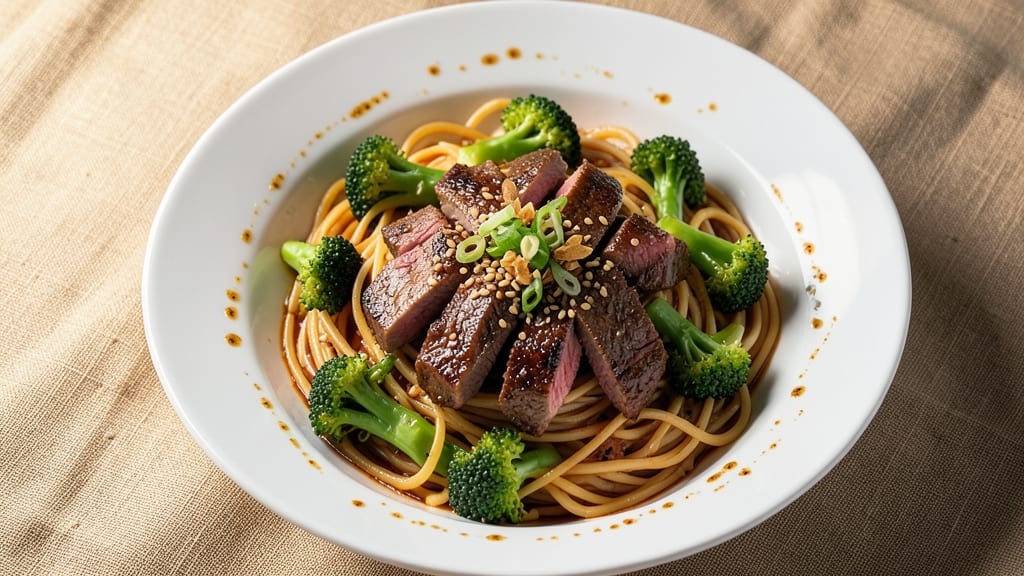
This beef and broccoli pasta recipe delivers crispy wok-seared beef and tender broccoli tossed with silky noodles in under 30 minutes. The secret lies in high-heat searing that creates a caramelized crust on the beef while keeping the broccoli vibrant and slightly charred.
I developed this recipe after years of perfecting stir-fry techniques, and it's now my go-to weeknight dinner that feels like a restaurant-quality meal.
The foundation of this dish is perfectly cooked pasta—al dente and still holding its shape when tossed with the beef and broccoli. We'll use a simple soy-ginger sauce that balances rich beef flavors with bright, fresh vegetables, creating a harmonious blend that's both comforting and exciting.
The beef is marinated briefly in soy sauce and cornstarch before searing, which ensures that crispy texture you can't get from slow cooking.
By the time you're done, you'll have a plate of golden-brown beef with perfectly tender centers, bright green broccoli florets, and silky noodles coated in a savory sauce. Each bite delivers that satisfying contrast of textures—crispy beef, tender broccoli, and smooth pasta—all coming together in one perfect forkful.
This dish scales beautifully for feeding a crowd or meal prepping for the week.
The best part? This recipe offers flexibility—use it as a quick stir-fry or bake it in the oven for a heartier pasta dish. Garnish with sesame seeds and red pepper flakes for extra flavor and visual appeal. Let's get started on this restaurant-quality meal that's simple enough for any weeknight.
Ingredients for beef and broccoli pasta
These 14 ingredients transform into restaurant-quality beef and broccoli pasta in 30 minutes.
| Ingredient | Amount | Notes |
|---|---|---|
| Flank Steak 🥩 | 1 lb | Thinly sliced against grain |
| Spaghetti Noodles 🍝 | ½ lb | Al dente preferred |
| Broccoli Florets 🥦 | 4 cups | Fresh, cut into bite-size |
| Low-Sodium Soy Sauce 🍶 | ⅓ cup | For marinade and sauce |
| Cornstarch 🌾 | 2 tbsp | For crispy coating |
| Sesame Oil 🫒 | 1 tbsp | For aroma, not cooking |
| Fresh Ginger 🧄 | 1 tbsp | Grated finely |
| Garlic Cloves 🧄 | 4 cloves | Minced finely |
| Vegetable Oil 🫒 | 2 tbsp | High smoke point |
| Red Pepper Flakes 🌶️ | ½ tsp | Optional for heat |
| Toasted Sesame Seeds 🌾 | 1 tbsp | For garnish |
| Green Onions 🧅 | 3 whole | Sliced thinly |
| Salt 🧂 | 1 tsp | Kosher preferred |
| Black Pepper 🌶️ | ½ tsp | Freshly ground |
The flank steak is non-negotiable—it's lean, affordable, and slices beautifully against the grain. Trader Joe's or Costco usually have it pre-sliced, but if you're buying whole, ask the butcher to slice it thinly. For the broccoli, fresh florets stay vibrant longest—avoid pre-cut bags that wilt fast. Spaghetti noodles should be al dente when cooked, so don't overcook. I always grab De Cecco brand (if available) for that authentic texture, but any good-quality pasta works. The soy sauce matters too—low-sodium gives you more control over seasoning.
No flank steak? Sirloin or ribeye work too, but slice extra thin. Short on broccoli? Snow peas or snap peas add a nice crunch. The cornstarch is key for that crispy sear—don't skip it. If you're avoiding gluten, swap spaghetti for rice noodles. For the sauce, Kikkoman soy sauce is reliable, but any good-quality brand works. Fresh ginger and garlic? Frozen works in a pinch, but fresh has way more flavor. The sesame oil adds aroma, but don't cook with it—just stir it in at the end. Want more heat? Add extra red pepper flakes or a dash of Sriracha.
Cook the pasta al dente, then shock it in ice water to stop cooking—keeps it from getting mushy when tossed. The beef and broccoli can be prepped ahead and stored separately in the fridge for up to 2 days. For meal prep, toss everything together and refrigerate in airtight containers for 3-4 days. The flavors actually improve overnight as everything melds. Garnish with sesame seeds and green onions right before serving—they add that fresh pop of color and crunch. Leftovers reheat beautifully in a skillet with a splash of water to loosen the sauce.
Why You'll Love This Recipe
- One-Pan Magic: I swear by this when I’m too tired to wash dishes—just sear the steak, toss in the broccoli and noodles, and let the soy sauce work its magic. The cornstarch slurry thickens everything right in the pan, so no extra bowls or strainers needed.
- Umami Bomb: That low-sodium soy sauce and a quick sear on the flank steak? It’s the kind of flavor that makes you pause mid-bite. The broccoli stays crisp-tender, and the sauce clings to every noodle like it’s been kissed by a wok.
- Lunchbox Hero: Between us, this is my go-to for meal prep—packs perfectly cold or reheats like a dream. The steak stays tender, the broccoli doesn’t turn to mush, and honestly? My kids would rather eat this than anything else I make for school lunches.
- Budget Power Move: Flank steak is affordable, and a single package stretches across two meals—no wasted leftovers gathering dust. Plus, using low-sodium soy sauce means I can control the salt, so it’s healthier without sacrificing that rich, savory punch.
Step-by-step instructions for wok-seared beef and broccoli pasta
Here's how to create restaurant-quality wok-seared beef with perfectly crispy edges and tender noodles.
Prep and Marinate the Flank Steak
Slice the 1 lb flank steak thinly against the grain into ¼-inch thick strips. This ensures tender bites that cook quickly in the wok. Place the sliced steak in a bowl and add the 0.33 cup low-sodium soy sauce, 1 tbsp sesame oil, 1 tbsp finely grated fresh ginger, 4 minced garlic cloves, 0.5 tsp red pepper flakes, 1 tsp salt, and 0.5 tsp black pepper. Mix gently to coat evenly, then let it marinate for at least 15 minutes—this infuses the beef with deep flavor.
While the steak marinates, cut the 4 cups broccoli florets into bite-sized pieces and slice the 3 whole green onions thinly. The broccoli should be fresh and crisp—this will contrast beautifully with the tender beef. Keep these prepped ingredients nearby so you can cook them in quick succession.
Cook the Spaghetti Noodles Al Dente
Bring a large pot of water to a rolling boil and add the 0.5 lb spaghetti noodles. Cook them for 1 minute less than the package instructions (usually about 9-10 minutes for al dente). The noodles will finish cooking in the wok with the beef and sauce, so they should be slightly underdone.
Reserve ½ cup of pasta water before draining the noodles—this starchy liquid is essential for creating a silky sauce later. Drain the noodles and toss them with a drizzle of the 1 tbsp sesame oil to prevent sticking. Keep the noodles covered while you prepare the beef and broccoli.
Wok-Sear the Beef for Maximum Crispiness
Heat a wok or large skillet over high heat until it's smoking hot. Add the 2 tbsp vegetable oil and swirl to coat the pan. Working in batches (to avoid overcrowding), add the marinated beef strips and sear for 1-2 minutes per side until they're deep golden brown and slightly charred on the edges. This high-heat searing creates that signature crispy texture.
Transfer the crispy beef to a plate and set aside. If you notice the beef sticking, don't force it—just add a splash of water and scrape up those flavorful browned bits. These bits (fond) are packed with flavor and will help build your sauce later. Keep the wok heat high for the next step.
Stir-Fry Broccoli and Combine Ingredients
Add the 4 cups broccoli florets to the wok in a single layer. Stir-fry for 2-3 minutes until they're bright green and just tender-crisp—they should still have a slight bite. Add the 2 tbsp cornstarch and toss to coat the broccoli evenly. This creates a light, crispy coating that adds texture to the dish.
Return the beef to the wok along with the cooked spaghetti noodles. Pour in the reserved ½ cup pasta water and toss everything together. The starch in the pasta water will help create a glossy, silky sauce that clings beautifully to the noodles and beef. Cook for another 1-2 minutes until everything is heated through and well combined.
Finish and Garnish for Perfect Presentation
Remove the wok from heat and stir in the 1 tbsp toasted sesame seeds and sliced green onions. These add a nutty crunch and fresh contrast to the rich flavors. Taste and adjust seasoning if needed—you might want to add a splash more of the low-sodium soy sauce for extra umami.
Serve immediately while everything is hot. The dish should have perfectly crispy beef, tender noodles, and vibrant broccoli all coated in a glossy, savory sauce. Garnish with extra sesame seeds and green onions for that restaurant-quality finish. This wok-seared beef and broccoli pasta is a flavor-packed, satisfying meal that comes together faster than you'd expect!
Pro Tips For Making Beef And Broccoli Pasta
- Slice Thin, Then Rest: Flank steak’s tough when thick—cut it against the grain into ¼-inch slices, then hit it with a quick sear in a screaming-hot pan. After cooking, wrap it in foil and let it rest 5 minutes (yes, even if you’re starving). I learned this the hard way when my first batch turned chewy instead of tender.
- Steam Broccoli First: Skip the raw, sad broccoli florets—blanch them in boiling water for 30 seconds, then shock in ice water. They’ll hold their color and texture better when you toss them in the sauce later. My grandmother swore by this, and she was right: the crunch stays, but the bitterness fades.
- Cornstarch Slurry Saves Days: Mix 1 tablespoon cornstarch with 2 tablespoons cold water, then whisk it into your sauce after the beef is cooked. This thickens the sauce instantly without lumps, and it’s the thing that matters most when you’re short on time. (I used to add it dry and end up with a gluey mess.)
- Cook Pasta Al Dente, Then Toss: Pull the spaghetti out of the pot before it’s fully tender—aim for 1 minute less than package instructions. Toss it straight into the beef-broccoli sauce while it’s still hot, and the residual starch will help the sauce cling. I skip this when I’m lazy, but the dish is noticeably better when I don’t.
Best sauces and condiments for this recipe
Soy-Ginger Sauce
The star of this dish is the simple yet flavorful soy-ginger sauce that binds everything together.
I combine 0.33 cup low-sodium soy sauce, 1 tbsp sesame oil, 1 tbsp grated fresh ginger, 4 minced garlic cloves, and ½ cup reserved pasta water to create a glossy, silky sauce.
The soy sauce provides deep umami, while the ginger and garlic add bright, aromatic notes that cut through the richness of the beef. 💛
For extra depth, I sometimes add 1 tsp honey or 1 tsp brown sugar to balance the saltiness, especially if using regular soy sauce. The sauce should coat the back of a spoon—if it's too thick, add more pasta water.
This sauce works perfectly with the wok-seared beef and broccoli, creating a harmonious blend of textures and flavors.
Sesame Oil Finish
The final touch is a drizzle of 1 tbsp sesame oil stirred into the hot pasta just before serving. This adds a nutty aroma and subtle toasty flavor that elevates the dish.
Unlike cooking oil, sesame oil should never be heated—it burns easily and loses its delicate flavor. I always add it at the very end to preserve its aromatic qualities. 🌟
Spicy Kick
For those who love heat, a sprinkle of red pepper flakes or a dash of Sriracha adds a fiery contrast to the rich beef and creamy sauce.
I like to add ½ tsp red pepper flakes directly to the marinade, but you can also serve them on the side for customization. If you're feeling adventurous, a few drops of chili crisp or gochujang can add layers of spicy-sweet complexity.
Umami Boosters
To deepen the savory profile, I sometimes stir in 1 tsp fish sauce or 1 tsp oyster sauce when combining the beef, broccoli, and pasta. These ingredients add a rich, briny depth that complements the soy sauce beautifully.
For a vegetarian twist, swap fish sauce for 1 tsp mushroom sauce or 1 tsp nutritional yeast. The key is to balance the flavors so the beef remains the star.
Fresh Garnishes
No dish is complete without fresh garnishes that add color and crunch. I always finish with 1 tbsp toasted sesame seeds and 3 sliced green onions, but you can also try cilantro or thinly sliced scallions for a different freshness.
These toppings not only enhance the visual appeal but also provide a refreshing contrast to the rich, savory flavors of the pasta. A squeeze of lime adds brightness, especially if you've added heat.
Nutrition facts
Frequently asked questions
Can I use ground beef instead of flank steak?
Ground beef works wonderfully for a quicker, more hands-off version. Use 1 lb lean ground beef (85/15 blend) and brown it first in the wok before adding the marinade. The texture will be different—less crispy on the edges—but still delicious. For extra flavor, add 1 tsp Worcestershire sauce to the marinade.
How do I make this dish gluten-free?
Swap the spaghetti for gluten-free noodles like brown rice or chickpea pasta. Use tamari (gluten-free soy sauce) instead of regular soy sauce, and check all ingredients (like cornstarch) for gluten-free labels. The rest of the recipe stays the same—just ensure your tamari is low-sodium for balanced seasoning.
Why is my beef tough instead of tender?
This usually happens when beef isn't sliced thinly against the grain or cooked too long. For tender results, slice the steak into ¼-inch strips and sear for only 1-2 minutes per side—it should be deep golden brown but still pink inside. If using ground beef, cook it until just browned (not gray) to avoid dryness.
Can I make this ahead of time?
Yes! Cook the beef and broccoli separately, then store them in airtight containers in the fridge for up to 2 days. When ready to serve, reheat everything in a skillet with a splash of water to revive the sauce. For the best texture, add fresh sesame seeds and green onions right before serving to keep them crisp.
What can I add for extra protein?
Try adding ½ cup edamame or ½ cup shrimp to the stir-fry. For a heartier dish, toss in ½ cup cooked quinoa or ½ cup chickpeas after cooking the pasta. Just adjust the sauce slightly—add 1 extra tbsp soy sauce if using chickpeas (they absorb flavor well).