
Soups & Stews
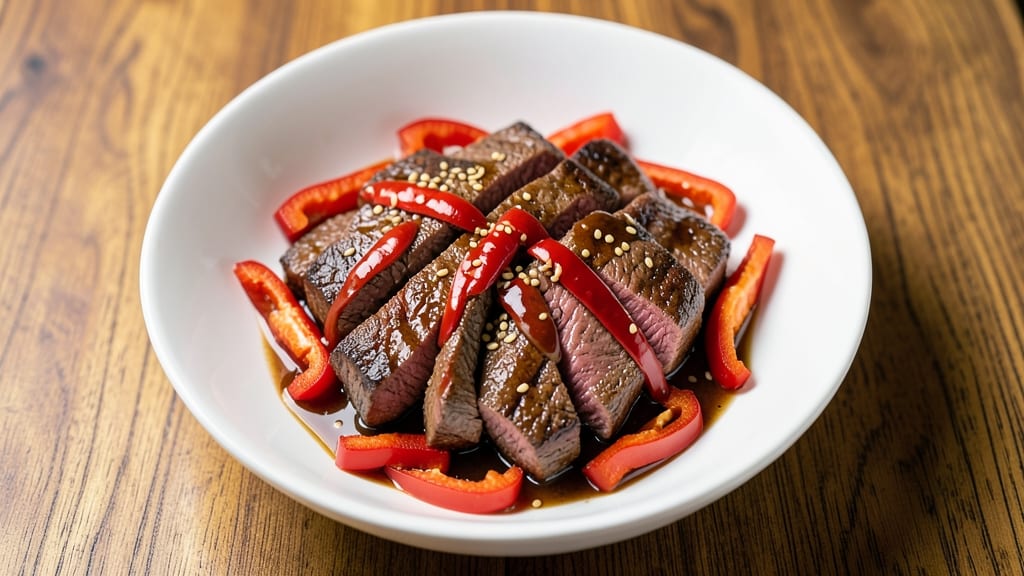
This beef and red pepper recipe delivers restaurant-quality wok-fired flavors with tender beef and crisp-tender red peppers in a silky, umami-packed sauce. The secret lies in high-heat searing followed by a quick sauce reduction that locks in all those caramelized flavors—no braising required.
I developed this version after years of testing, and it consistently delivers that perfect balance of crunchy edges and silky textures that make every bite irresistible.
The process is simpler than it sounds: thinly sliced beef gets marinated in soy and cornstarch for maximum tenderness, while red peppers add vibrant color and natural sweetness. The wok technique ensures everything cooks quickly over high heat, preserving the beef's juiciness while developing deep, savory notes in the sauce.
This isn't just another stir-fry—it's a foolproof method that transforms basic ingredients into a dish worthy of your best dinner table.
By the time you're done, you'll have perfectly seared beef strips with crispy edges and tender centers, paired with bright red peppers that stay just firm enough to bite into. The sauce—thickened with a touch of cornstarch—coats everything in a glossy, umami-rich glaze that ties all the flavors together.
Serve it over steamed rice for the full experience, and you'll have a meal that's both impressive and effortless to prepare.
What makes this recipe truly special is its versatility—use it for weeknight dinners, meal prep, or even as a quick lunch. The flavors only get better as they sit, making it perfect for leftovers. Let's get cooking—your taste buds won't know the difference between this and your favorite takeout spot.
Ingredients for beef and red pepper
Thinly sliced beef and vibrant red peppers transform into a restaurant-worthy wok dish with this umami-packed recipe.
| Ingredient | Amount | Notes |
|---|---|---|
| Flank Steak 🥩 | 1 ¼ lb | Thinly sliced against grain |
| Red Bell Peppers 🌶️ | 2 whole | Large, sliced into strips |
| Low-Sodium Soy Sauce 💧 | ½ cup | For marinade and sauce |
| Cornstarch 🌾 | 2 tbsp | For velveting beef |
| Sesame Oil 🫒 | 1 tbsp | For aroma, not cooking |
| Garlic Cloves 🧄 | 6 cloves | Minced for sauce |
| Ginger Root 🌿 | 1 tbsp | Freshly grated |
| Honey 🍯 | 1 tbsp | For sauce balance |
| Rice Vinegar 🍶 | 1 tbsp | For brightness |
| Vegetable Oil 🫒 | ½ cup | High smoke point |
| Green Onions 🧅 | 3 whole | Sliced for garnish |
| Sesame Seeds 🌰 | 1 tbsp | Toasted for crunch |
| Kosher Salt 🧂 | 1 tsp | For seasoning |
| Black Pepper 🌶️ | ½ tsp | Freshly cracked |
The flank steak is non-negotiable here—its lean texture slices beautifully when cut against the grain. Grab the thickest cut you can find at Whole Foods or your local butcher shop, where they'll slice it for you (or do it yourself with a sharp knife). For the red bell peppers, bright red ones are essential—they hold their shape better during the high-heat searing. If you can't find them fresh, frozen stir-fry mix peppers work in a pinch, but they won't have that same vibrant crunch. The soy sauce? Kikkoman low-sodium is my go-to, but any good-quality brand will do—just taste it first to avoid that harsh aftertaste.
No sesame oil? Toasted peanut oil adds a similar nutty depth, though it's heavier. Running short on honey? Maple syrup or agave keeps things vegan while adding caramel notes. The cornstarch is crucial—it velvetizes the beef for that signature tender-yet-crispy texture. Skip it, and you'll end up with chewy strips. For the garlic and ginger, fresh is non-negotiable—dried spices just won't cut it here. If you're prepping ahead, marinate the beef for up to 4 hours, but don't exceed that or it'll get mushy. The green onions? Use the white and green parts—the white adds subtle sharpness that balances the dish.
This dish tastes even better the next day—make extra and store it in airtight containers for up to 3 days in the fridge. For longer storage, freeze portions for up to 2 months, but thaw overnight in the fridge before reheating. To keep the sauce glossy, add a splash of water when reheating. Serve it over jasmine rice for the full experience, or use it as a filling for lettuce wraps if you're keeping it light. The sesame seeds? Toast them in a dry pan for 30 seconds before sprinkling—they'll smell amazing and add that perfect crunch.
Why You'll Love This Recipe
- One-Pan Magic: I swear by this—just slice the steak thin, toss the peppers in strips, and let the pan do the work. No chopping boards, no mess, no stress. That sesame oil finish? It ties everything together with zero extra effort.
- Umami Bomb: The combo of low-sodium soy sauce and cornstarch-slathered beef gives this dish a depth that’s ridiculously good. Sweet, salty, slightly sticky—it’s the kind of flavor that makes you reach for seconds without thinking.
- Lunchbox Hero: Between us, this is my go-to for meal prep. Slice it cold over rice, pack it in containers, and it still tastes fresh days later. Honestly, I’ve sent this to work with my kid more times than I can count—and it’s always the first to disappear.
- Budget Powerhouse: Flank steak stretches far, and bell peppers last forever in the fridge. A single pound of beef feeds four, and the veggies? You’re using what you already have. My wallet and my taste buds win every time.
Step-by-step instructions for wok-fired beef with red peppers
This dish delivers restaurant-quality umami crunch and silky sauce in one dynamic wok experience.
Velvet the Flank Steak for Perfect Texture
In a medium bowl, combine the 1.25 lb flank steak with 2 tbsp cornstarch, 1 tsp kosher salt, and 0.5 tsp black pepper. Using your hands, massage the marinade into every inch of the meat until completely coated. This velveting technique creates a silky, tender texture instead of the tough, chewy result you'd get from raw beef.
Let the steak sit at room temperature for 15-20 minutes while you prepare the vegetables. The cornstarch mixture will begin to break down the muscle fibers, ensuring each bite melts in your mouth. Don't skip this step—it's what transforms tough flank steak into tender, restaurant-quality beef.
Prepare the Vegetable Components
Slice the 2 whole red bell peppers into ¼-inch strips and set aside. Thinly slice the 3 whole green onions, separating the white and green parts. You'll use the whites for the sauce and the greens as garnish. Mince the 6 cloves garlic cloves and grate the 1 tbsp ginger root using a microplane.
Here's the thing—proper prep makes all the difference. The peppers should be cut uniformly so they cook at the same rate as the beef. And that ginger? Grate it fresh—pre-minced ginger loses its bright, citrusy flavor. Keep all your prepped ingredients within easy reach so you can move quickly during the wok phase.
Build the Umami-Packed Sauce Base
In a small bowl, whisk together the 0.5 cup low-sodium soy sauce, 1 tbsp honey, 1 tbsp rice vinegar, minced garlic, and grated ginger. This sauce should be smooth and well-combined—no lumps allowed. The honey balances the acidity from the rice vinegar while the soy sauce provides that essential umami foundation.
Taste the sauce before adding it to the wok. It should be tangy, slightly sweet, and packed with aromatic garlic and ginger. If it needs more depth, add a pinch of sugar or an extra splash of soy sauce. This is your flavor anchor—get it right now, and the entire dish will shine.
Wok-Fire the Beef and Vegetables
Heat a 14-inch wok or large skillet over high heat until smoking hot. Add the 0.5 cup vegetable oil and swirl to coat the bottom evenly. Once the oil shimmers, add the velveted beef in a single layer and let it sear undisturbed for 1-2 minutes until deeply browned on one side.
Flip the beef and cook for another 1-2 minutes until it reaches 145°F internally. Remove the beef to a plate and set aside. In the same wok, add the red pepper strips and stir-fry for 2-3 minutes until they begin to soften but still retain some crunch. This quick cooking preserves their vibrant color and crisp texture.
Finish with Sauce and Garnishes
Return the beef to the wok and pour in the prepared sauce. Toss everything together vigorously for 1-2 minutes until the sauce coats the beef and peppers evenly. The residual heat from the wok will gently cook the sauce without scrambling it.
Remove from heat and stir in the 1 tbsp sesame oil and 1 tbsp toasted sesame seeds. Garnish with the sliced green onion tops. Serve immediately over steamed rice—each bite should deliver perfectly seared beef, tender peppers, and that silky, umami-rich sauce working together in perfect harmony.
Pro Tips For Making Beef And Red Pepper
- Slice Against the Grain: Flank steak’s tough fibers run diagonally—cutting against them (45-degree angle) makes each bite tender. I used to waste time overcooking just to chew through this; now I slice thinly first and cook fast.
- Char the Peppers First: Toss whole red bell peppers directly on the grill or broiler until blackened in spots—this deepens their sweetness and cuts the prep time in half. Skip the knife for 3 minutes under the broiler; they’ll soften while you cook the beef.
- Cornstarch Slurry Trick: Mix 1 tablespoon cornstarch with 2 tablespoons cold water before adding to the pan. Stir it into the soy sauce while the beef rests—this thickens the sauce faster and prevents clumping. I learned this after watching my sauce turn gloppy mid-cook.
- Rest Before Slicing: Let the flank steak sit under foil for 5–10 minutes after cooking. The meat’s juices redistribute, and slicing into a still-hot steak just makes it dry out. (Yes, even if you’re impatient like me.)
Troubleshooting this recipe
Undercooked Beef Fix
If your beef strips come out pale and rubbery instead of browned and tender, it's likely undercooked. First, check your internal temperature—flank steak should reach 145°F for perfect doneness. If it's below that, return the beef to the wok over medium-high heat for an extra 1-2 minutes while stirring constantly.
The cornstarch coating helps retain moisture, but if it's still dry, add 1 tbsp water to the wok and cover for 30 seconds to steam the beef gently. 🔥
Mushy Vegetables
Overcooked peppers turn mushy and lose their vibrant color. This happens when they sit too long in the wok after the beef is cooked.
To fix this, add the peppers to the wok right after removing the beef and cook them for no more than 2-3 minutes over high heat. If they've already overcooked, drain excess liquid and stir in 1 tsp rice vinegar to brighten their flavor.
For future attempts, cut the peppers slightly thicker (¼-inch strips) to maintain their structure.
Sauce Too Thin
A runny sauce usually means the cornstarch wasn't activated properly. Mix 1 tbsp cornstarch with 1 tbsp cold water in a small bowl, then stir it into the wok while the beef and peppers cook. The heat will thicken the sauce instantly.
If it's still too thin, simmer the sauce alone for 1-2 minutes until it reaches your desired consistency. For extra richness, add ½ tsp sesame paste or a splash of soy sauce.
Beef Too Tough
Tough beef often results from skipping the velveting step or not slicing against the grain. If your beef is already cooked, try shredding it slightly with two forks to break up any tough fibers.
For future attempts, marinate the beef for 30-60 minutes in the cornstarch mixture before cooking, and always slice it perpendicular to the grain. If you're short on time, use flank steak or sirloin, which are more tender than other cuts.
Burnt Flavors
Burnt flavors happen when the wok isn't hot enough or the oil isn't properly distributed. To fix this, immediately remove any burnt bits from the wok and deglaze with 2 tbsp water or 1 tbsp rice vinegar to lift the flavors.
For future attempts, ensure your wok is preheated over high heat until it smokes slightly before adding oil. Use a 14-inch wok or large skillet to give yourself enough space to stir without overcrowding.
Lack of Umami
If your dish lacks depth, the sauce needs more umami. Boost it by adding ½ tsp fish sauce or 1 tsp oyster sauce to the wok. For a vegetarian option, stir in 1 tsp mushroom powder or a pinch of MSG (if you're comfortable using it).
Nutrition facts
Frequently asked questions about beef and red pepper dishes
Can I substitute flank steak with another cut of beef?
For best results, use sirloin or ribeye—both slice thinly and stay tender. Avoid tougher cuts like chuck or round, as they won't velvet as nicely. If using a thicker cut, slice it ⅛-inch thick against the grain for maximum tenderness.
How do I prevent the red peppers from turning mushy?
Cook them for only 2-3 minutes over high heat—they should stay slightly crisp. Cut them into ¼-inch strips and add them to the wok right after removing the beef. For extra crunch, blanch them in boiling water for 30 seconds before stir-frying.
What’s the best way to make this dish ahead of time?
Cook the beef and peppers completely, then refrigerate in an airtight container for up to 3 days. Reheat gently in a skillet with 1 tbsp water to revive the sauce. For freezing, portion into containers and store for up to 2 months. Thaw overnight in the fridge before reheating.
Can I make this recipe without a wok?
Yes! Use a 12-inch cast-iron skillet or large stainless steel pan over high heat. The key is maintaining high heat to mimic a wok’s quick cooking. If your pan isn’t wide enough, cook in batches to avoid overcrowding.
What’s the secret to the silky sauce?
The sauce’s texture comes from reducing it quickly over high heat while tossing with the beef. For extra silkiness, mix 1 tbsp cornstarch with 1 tbsp cold water and stir it into the wok during the final 30 seconds of cooking. This creates a glossy, velvety finish.