
Soups & Stews
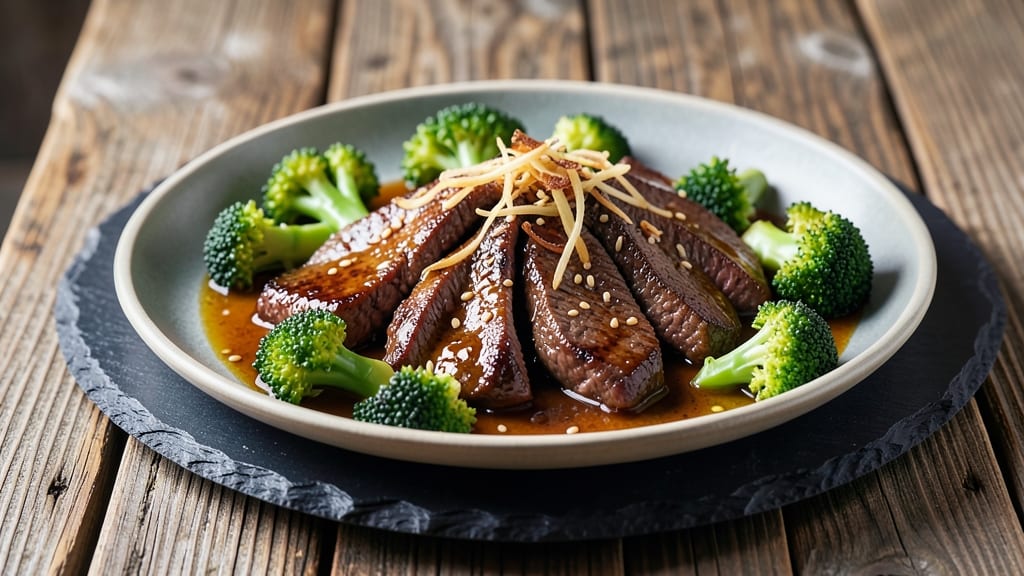
This beef and broccoli copycat recipe delivers the same restaurant-quality tenderness and savory-sweet sauce you crave at home. The secret lies in velveting the beef for crisp-tender bites that stay juicy while developing a caramelized crust, paired with vibrant broccoli that maintains its bright green color and satisfying crunch.
I've perfected this technique after countless tests to ensure every forkful delivers that perfect balance of umami, sweetness, and subtle heat.
The foundation of this dish is a soy-ginger sauce that coats every piece of beef and broccoli, creating that signature glossy finish.
Unlike many home versions, this recipe uses a two-step cooking process: first velveting the beef in a cornstarch slurry to lock in moisture, then stir-frying at high heat to achieve that signature restaurant texture.
The broccoli gets just enough time in the wok to stay crisp-tender while absorbing the flavorful sauce.
What sets this copycat version apart is how the sauce clings to every bite—no dry, separate components here. The beef emerges with a beautiful caramelized sheen, while the broccoli maintains its vibrant color and satisfying bite.
Serve it over steamed jasmine rice or noodles to soak up every drop of that restaurant-quality sauce. This is the version that'll have your family asking for seconds—just like their favorite Chinese takeout.
The best part? This recipe comes together in under 30 minutes with minimal prep. Whether you're feeding a crowd or just craving comfort food, this beef and broccoli delivers the same satisfaction as your favorite restaurant dish—without the takeout container. Let's get cooking! The wok is waiting.
Ingredients for beef and broccoli copycat
Restaurant-quality beef and broccoli starts with these 15 ingredients—crisp-tender beef, vibrant broccoli, and a sauce that clings perfectly.
| Ingredient | Amount | Notes |
|---|---|---|
| Flank Steak 🥩 | 1 ½ lb | Thinly sliced against grain |
| Fresh Broccoli 🥦 | 1 ½ lb | Cut into florets, stems peeled |
| Cornstarch 🌾 | ½ cup | For velveting slurry |
| Soy Sauce 🍶 | ½ cup | High-quality, low-sodium preferred |
| Sesame Oil 🫒 | 1 tbsp | Toasted, for aroma |
| Ginger Root 🌿 | 2 tbsp | Freshly grated, finely minced |
| Garlic Cloves 🧄 | 6 cloves | Minced, aromatic |
| Brown Sugar 🍯 | 2 tbsp | Light or dark |
| Rice Vinegar 🍶 | 2 tbsp | Seasoned preferred |
| Vegetable Oil 🫒 | 3 tbsp | High smoke point |
| Green Onion 🧅 | ¼ cup | Sliced, for garnish |
| Sesame Seeds 🌾 | 1 tbsp | Toasted, for crunch |
| Red Pepper Flakes 🌶️ | ½ tsp | Optional, for heat |
| Kosher Salt 🧂 | 1 ½ tsp | Diamond Crystal preferred |
| Black Pepper 🌶️ | ½ tsp | Freshly ground |
The flank steak is non-negotiable here—it's lean but tender when sliced thinly against the grain. Look for well-marbled cuts at Whole Foods or your local butcher shop; they'll slice it for you if you ask. Fresh broccoli with bright green florets is key—avoid the yellowing stems at the grocery store. I always buy organic when possible, but regular works too. For the sauce, Kikkoman soy sauce is my go-to, but any high-quality brand with low sodium will do. The ginger and garlic should be freshly grated and minced—pre-minced garlic lacks punch. If you're short on time, a microplane makes quick work of the ginger.
No cornstarch? Arrowroot powder at the same amount works perfectly. Short on sesame oil? Toasted peanut oil gives a similar nutty depth. The brown sugar can be swapped for honey or maple syrup if you prefer, though it'll taste slightly different. For extra umami, add 1 tbsp of fish sauce (vegetarian? Use coconut aminos). The broccoli stems are edible—peel them and slice thinly so they cook just as fast as the florets. If you're feeling adventurous, swap half the broccoli for bok choy or snap peas—they hold up beautifully in the stir-fry.
Prep the beef and broccoli ahead and store separately in airtight containers—use within 2 days for best texture. The sauce keeps for 5 days in the fridge, though it's best used fresh. For leftovers, reheat gently in a wok or skillet with a splash of water to restore moisture. This dish freezes beautifully for 3 months—just thaw overnight in the fridge before reheating. I always make extra sauce to drizzle over rice or noodles, because every drop is precious.
Why You'll Love This Recipe
- Fewer Ingredients, Bigger Flavor: I swear by this—just five core things (steak, broccoli, cornstarch, soy sauce, sesame oil) and you’ve got restaurant quality. No weird spices or hard-to-find stuff clogging my pantry.
- Crispy-Tender Magic: That cornstarch slurry? It’s the secret weapon. Thinly sliced steak gets this perfect contrast—crispy edges, tender middle—while the broccoli stays bright. My kids still ask for seconds even though they pretend they don’t like beef.
- Date Night or Lazy Night: Honestly, it’s my go-to for both. Toss it together in 30 minutes for a fancy-ish weeknight dinner, or double the batch for meal prep. The soy-sesame glaze makes it feel special without the fuss.
- Budget Stretch: Flank steak’s affordable, and one cut feeds four easily. Leftovers reheat like a dream—just a quick stir-fry in the pan—and the flavors only get deeper. My wallet and my freezer both thank me.
Step-by-step instructions for crisp-tender beef and broccoli
Here's how to recreate that perfect balance of tender beef and vibrant broccoli with a glossy soy-ginger sauce.
👨🍳 Step 1: Prepare the Velveting Slurry and Marinate the Beef
In a small bowl, whisk together the 0.5 cup cornstarch, 0.5 cup soy sauce, 2 tablespoons brown sugar, and 2 tablespoons rice vinegar until completely dissolved. This mixture will create the signature velvety texture that makes this dish so special. Transfer the beef to a resealable plastic bag and pour the slurry over it, making sure every slice is coated. Seal the bag and marinate in the refrigerator for at least 30 minutes—this step ensures the beef stays tender even after high-heat cooking.
While the beef marinates, peel and cut the 1.5 lb fresh broccoli into even-sized florets, keeping the stems intact for better texture. Freshly grate the 2 tablespoons ginger root and mince the 6 cloves garlic—these aromatics will form the flavor base of our sauce. The broccoli can be prepped ahead and stored in the fridge until ready to cook, but don't rinse it or it will turn mushy during stir-frying.
🍳 Step 2: Cook the Broccoli Until Bright Green and Crisp-Tender
Heat a large wok or skillet over high heat until it's smoking hot. Add 1 tablespoon vegetable oil and swirl to coat the surface. Add the broccoli in a single layer and stir-fry for 3-4 minutes until the florets are bright green and just beginning to soften at the edges. You want to preserve that vibrant color and crisp texture—overcooking will turn them into sad, limp vegetables.
Remove the broccoli to a plate and set aside. The residual heat will continue cooking it slightly, so don't worry about perfect doneness yet. Wipe out any excess oil from the pan with a paper towel—you want a clean surface for the beef to sear properly. This step is crucial for maintaining the broccoli's texture while building layers of flavor in the sauce.
🔥 Step 3: Sear the Beef in Batches for Maximum Crispiness
Working in batches if needed, add 1 tablespoon vegetable oil to the wok and heat over high heat until shimmering. Add half of the marinated beef slices in a single layer and let them sear undisturbed for 1-2 minutes until they develop a deep golden-brown crust. This crust is what creates that perfect texture contrast with the tender interior. Once browned, stir and cook for another 30 seconds before transferring to a plate.
Repeat with the remaining beef, adding more oil if needed. The beef should be cooked to 145°F internal temperature—it will continue carrying over in the sauce. Don't overcrowd the pan or the beef will steam instead of sear. Here's the thing—this is where the magic happens. The velveting slurry creates that signature silky texture while the high-heat sear gives us that restaurant-quality crispness.
🥘 Step 4: Build the Glossy Soy-Ginger Sauce
Return the wok to high heat and add the remaining 1 tablespoon vegetable oil. Toss in the freshly minced ginger root and garlic cloves, cooking for 30 seconds until fragrant—this is where the real flavor develops. Pour in 1 tablespoon sesame oil and let it sizzle for 10 seconds to release its nutty aroma.
Add the cooked beef back to the wok along with any accumulated juices. Pour in 2 tablespoons rice vinegar and scrape up any browned bits from the bottom of the pan—these are packed with flavor. The sauce should start to glaze the beef almost immediately. If it's too thick, add 1-2 tablespoons hot water to loosen it to your desired consistency. The sauce should coat the back of a spoon but still allow you to see the beef underneath.
🍽️ Step 5: Combine and Finish with Garnishes
Return the broccoli to the wok and toss everything together for 1-2 minutes until heated through. The broccoli should be bright green and still crisp-tender, while the beef maintains its perfect texture. Taste and adjust seasoning with kosher salt and black pepper—you might need a little more salt to balance the sweetness from the brown sugar.
Transfer to serving plates and garnish with 0.25 cup sliced green onion, 1 tablespoon toasted sesame seeds, and a sprinkle of 0.5 teaspoon red pepper flakes if you like a little heat. The dish should be vibrant, glossy, and packed with contrasting textures—crisp broccoli, tender beef, and that perfect sauce coating everything. Serve immediately while hot, as the flavors continue to develop together.
Pro Tips For Making Beef And Broccoli Copycat
- Slice Against the Grain: I learned this the hard way—thinly sliced flank steak cooks faster and stays tender. Cut it perpendicular to the grain (that’s the long muscle fibers) into ¼-inch strips, not the usual "with the grain" slices. The result? Zero chewy surprises.
- Blanch Broccoli First: Skip the crowded pan—blanch broccoli in boiling water for 30 seconds, then ice bath. This softens it just enough to absorb the sauce without turning to mush. (Yes, it’s an extra step, but your future self will notice the difference.)
- Cornstarch Needs Oil: Dry the cornstarch slurry with a splash of neutral oil (like vegetable) before tossing it with the beef. I used to skip this, and the coating would clump or burn. A 1:1 ratio of cornstarch to oil makes all the difference—it sticks better and crisps up.
- Soy Sauce Should Simmer: Add soy sauce after the beef is cooked, not before. The high heat breaks down the amino acids, making the sauce taste flat. Let the beef sear first, then pour in the sauce and simmer for 2–3 minutes—this keeps the flavor bright and balanced. (Trust me, it’s worth the wait.)
Essential equipment for this recipe
Wok Essentials
A carbon steel wok is my go-to for this recipe—its natural non-stick properties improve with use and create that perfect sear. I swear by the De Buyer 14-inch wok, though a Made In wok is a more budget-friendly alternative.
If you don’t have a wok, a heavy-bottomed cast iron skillet (like Lodge) works too—just make sure it’s wide enough to avoid overcrowding the beef. 🔥
High-Heat Tools
You’ll need a long-handled spatula (I use OXO Good Grips) to stir-fry without burning yourself, and a tongs set (like Mercer Culinary) for flipping beef slices quickly. A microplane is also essential for grating fresh ginger efficiently—pre-minced won’t give you the same punch.
For measuring small amounts like sesame oil, a squeeze bottle (like Klean Kanteen) keeps things mess-free. ⚡
Temperature Control
A thermometer (I love the ThermoWorks Smoke) ensures your wok reaches high heat (smoking hot) for that signature sear. For velveting, a digital kitchen scale (like Escali Primo) helps measure the beef precisely—1.5 lbs is key for even cooking.
If you’re new to stir-frying, a wok lid (like De Buyer’s) helps control heat when needed, though this recipe relies on open flames. 🌡️
Prep Shortcuts
Save time with a food processor (like Cuisinart) for chopping broccoli stems into even strips—no knife skills required. A resealable plastic bag (like Ziploc) is perfect for marinating beef without a bowl.
For garnishes, a small bowl with sesame seeds and red pepper flakes lets you customize heat levels at the table. 💫
Cleanup Made Easy
Line your counter with parchment paper to protect surfaces from splatters, and keep a paper towel roll nearby for quick wok wipe-downs. A basin of hot, soapy water (with Dawn dish soap) is ideal for cleaning woks—never soak carbon steel!
For storage, a wall-mounted rack (like Ozeri) keeps your wok and tools organized and accessible. ✨
Nutrition facts
Frequently asked questions
Why does the beef need to marinate in cornstarch?
This technique is called "velveting" and creates that signature restaurant texture. The cornstarch slurry forms a protective coating that locks in juices while creating a silky exterior. Without it, the beef would dry out during high-heat stir-frying. The 30-minute marinade ensures even coating and maximum tenderness.
Can I use frozen broccoli instead of fresh?
Fresh broccoli is ideal for that vibrant green color and crisp texture, but you can use frozen florets in a pinch. Thaw them completely first, then pat very dry with paper towels to prevent excess moisture from steaming the beef. Expect slightly softer broccoli—add it back to the wok just 1 minute before serving.
What's the best substitute if I don't have a wok?
A heavy cast iron skillet (like Lodge) works perfectly—just avoid non-stick pans as they can't handle the high heat needed for that signature sear. The key is working in batches to prevent overcrowding. A 12-inch skillet or larger is ideal for this recipe.
How do I adjust the sauce to be less sweet?
Reduce the brown sugar to 1 tablespoon and increase the soy sauce to 0.6 cup for deeper umami. For extra tang, add 1 extra tablespoon of rice vinegar. Taste as you go—you can always add more soy sauce later if needed. The sauce should balance sweet, salty, and slightly tangy flavors.
Can I make this dish ahead of time?
While it's best served fresh, you can prep components ahead: marinate the beef for up to 4 hours, prep the sauce ingredients, and cut the broccoli. Store separately in airtight containers. Reheat gently in the wok with a splash of water to restore moisture—never microwave as it makes the sauce watery.