
Main Courses
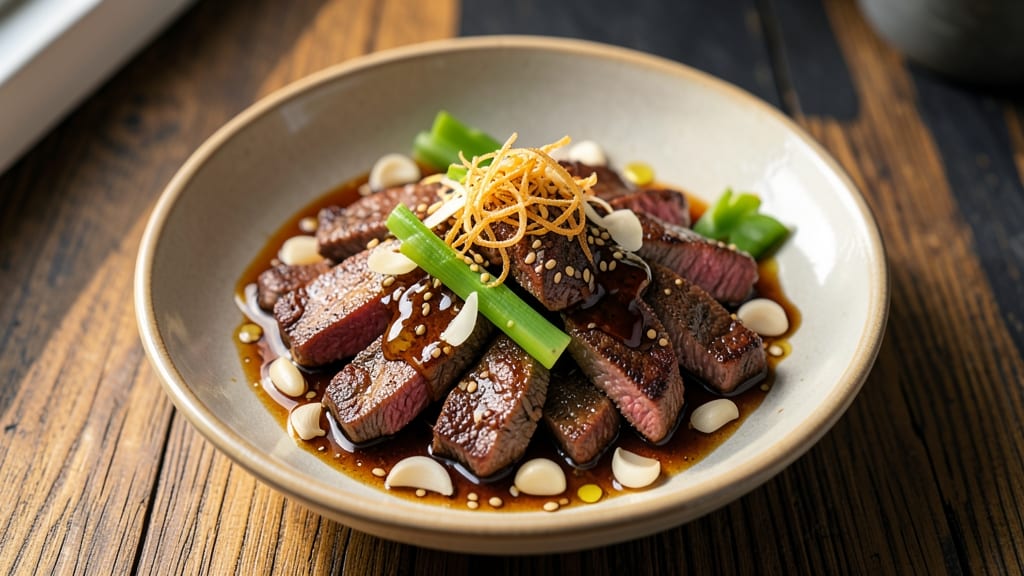
This Asian Mongolian beef recipe delivers restaurant-quality results with its signature sweet soy-ginger glaze that caramelizes edges into crispy perfection. The secret lies in properly browning the beef before simmering it in the aromatic sauce until tender yet still holding its shape.
This technique transforms tough cuts into melt-in-your-mouth bites that balance sweet, savory, and umami flavors in every bite.
What sets this dish apart is the marinade's dual-purpose nature - it tenderizes the beef while infusing it with ginger's bright aroma and garlic's depth. The sauce reduction creates a glossy glaze that clings beautifully to the beef, creating those coveted caramelized edges that make this dish so irresistible.
Professional chefs know this is where the magic happens, and you can achieve it at home with just a few key techniques.
By the time your Mongolian beef emerges from the pan, you'll have perfectly browned beef with a glossy, sticky glaze that's both sweet and savory. The sauce's perfect balance of soy sauce, brown sugar, and ginger creates a flavor profile that's addictive yet sophisticated.
This dish pairs beautifully with steamed jasmine rice to soak up every last drop of that delicious sauce.
The best part? This recipe scales effortlessly from weeknight dinners to crowd-pleasing meals. Serve it over rice with steamed vegetables or noodles for a complete meal that will have everyone asking for seconds.
The combination of textures - tender beef, crispy edges, and silky sauce - makes this one of those dishes that feels like a restaurant experience at home.
Ingredients for asian mongolian beef
Pantry staples plus a few fresh ingredients for that signature caramelized glaze everyone loves.
| Ingredient | Amount | Notes |
|---|---|---|
| Flank Steak 🥩 | 1 ½ lb | Cut into 1-inch strips |
| Soy Sauce 🥢 | ½ cup | High-quality, low-sodium preferred |
| Brown Sugar 🍯 | ¼ cup | Packed, light or dark |
| Fresh Ginger 🌿 | 2 tbsp | Finely grated, aromatic |
| Garlic Cloves 🧄 | 4 cloves | Minced, fresh preferred |
| Sesame Oil 🫒 | 1 tbsp | Toasted, for aroma |
| Vegetable Oil 🫒 | 2 tbsp | High smoke point |
| Cornstarch 🌾 | 1 tbsp | For sauce thickening |
| Water 💧 | ¼ cup | Room temperature |
| Green Onions 🧅 | 3 whole | Sliced thin, for garnish |
| Sesame Seeds 🌰 | 1 tbsp | Toasted, for garnish |
| Salt 🧂 | 1 tsp | Kosher or sea salt |
| Black Pepper 🌶️ | ½ tsp | Freshly ground |
| Rice Vinegar 🍶 | 1 tbsp | For balance |
The beef is everything here. Flank steak is your best bet—it's lean but tender when sliced thin, and those caramelized edges? That's where the magic happens. Grab the thinnest cut you can find at Costco or your local butcher shop. If you're using pre-sliced beef from the grocery store, pat it dry with paper towels before cooking—it makes all the difference. For the soy sauce, Kikkoman is a safe bet, but anything labeled 'high-quality' will work. Fresh ginger and garlic are non-negotiable though—dried just won't cut it.
No sesame oil? Toasted peanut oil works in a pinch, but it's not the same. Running out of cornstarch? Arrowroot powder at half the amount thickens just as well. The rice vinegar might seem like an afterthought, but it's what balances the sweetness—substitute with apple cider vinegar if that's what you've got. For the sauce, don't rush the reduction. Let it simmer until it's glossy and coats the back of a spoon. That's when you know you've hit the sweet spot. And if you're feeling fancy, toast your sesame seeds in a dry pan for 30 seconds—they'll be so much more flavorful.
This sauce keeps for 5 days in the fridge, and honestly, it tastes even better the next day once the flavors meld. The beef? Use it within 2 days if you're not freezing it. I always make extra sauce—it's perfect for drizzling over rice or noodles later. If you're prepping ahead, freeze the beef and sauce separately. Just reheat the sauce first, then toss in the beef to warm through. Game-changer for busy weeknights.
Why You'll Love This Recipe
- One-Pan Magic: I swear by this recipe when I’m too tired to wash dishes. Just slice the steak thin, toss it in a hot pan with garlic and ginger, and let the soy and brown sugar caramelize into that glossy, sticky sauce. No extra pots, no fuss—just pure, satisfying simplicity.
- Umami Bomb: That first bite? The soy sauce and brown sugar create this perfect balance of salty-sweet with a deep, savory punch. The ginger and garlic add a bright kick that makes it feel like a restaurant dish without the pretension.
- Weeknight Workhorse: Between us, this is my go-to when I need something fast but still impressive. Serve it over rice for a quick dinner, or pile it onto noodles for a lazy Sunday lunch. Honestly, it’s the kind of dish that disappears faster than I can say “second helping.”
- Budget-Friendly Feast: Flank steak stretches far when sliced thin, and the pantry staples (soy, sugar, garlic) make this one of my most economical meals. Plus, leftovers reheat beautifully—just toss them in a pan with a splash of water to keep that tender bite. My wallet and taste buds thank me every time.
Step-by-step instructions for Asian Mongolian beef
Here's how to make tender, caramelized beef with a glossy glaze that sticks to every bite.
Prep the Beef and Make the Marinade
Cut the 1.5 lb flank steak into 1-inch strips against the grain for maximum tenderness. Place them in a large bowl and set aside. In a small bowl, whisk together the 0.5 cup soy sauce, 0.25 cup brown sugar, 2 tbsp finely grated fresh ginger, 4 minced garlic cloves, 1 tbsp sesame oil, 1 tsp salt, and 0.5 tsp black pepper until the sugar dissolves completely.
Pour the marinade over the beef strips and toss gently to coat evenly. Let it marinate for at least 30 minutes at room temperature—this ensures the flavors penetrate deeply and the beef stays tender. I like to press the marinade into the meat with my fingers to make sure every strip gets coated.
Cook the Beef to Perfect Tenderness
Heat 1 tbsp of the vegetable oil in a large skillet over medium-high heat until shimmering. Add half of the beef strips in a single layer and cook undisturbed for 2-3 minutes until the edges are golden brown and the meat releases easily from the pan. This prevents overcrowding, which would steam the beef instead of searing it.
Transfer the cooked beef to a plate and repeat with the remaining strips, adding more vegetable oil if needed. The beef should be cooked to medium doneness—it'll finish cooking in the sauce. Don't worry if it's not fully done yet, as the residual heat from the sauce will carry it through.
Build the Glossy Sauce
Reduce the heat to medium and add the remaining 1 tbsp vegetable oil to the same skillet. Pour in the 0.25 cup water and scrape up any browned bits from the bottom of the pan with a wooden spoon—these bits are packed with flavor. Let it simmer for 1-2 minutes until slightly reduced.
In a small bowl, whisk together the 1 tbsp cornstarch and 1 tbsp rice vinegar until smooth. Slowly pour this mixture into the skillet while stirring constantly. The sauce will thicken immediately, creating a glossy, caramelized coating. If it's too thick, add 1-2 tablespoons of water to reach your desired consistency.
Finish and Serve
Return all the beef strips to the skillet and toss to coat them evenly in the sauce. Cook for an additional 1-2 minutes until the sauce clings to the beef and the edges are beautifully caramelized. The beef should be tender and juicy with a glossy glaze that makes every bite irresistible.
Remove from heat and transfer the beef to a serving platter. Garnish with sliced green onions and toasted sesame seeds for added color and crunch. Serve immediately over steamed rice or noodles to soak up that delicious sauce.
Pro Tips For Making Asian Mongolian Beef
- Slice Against the Grain: Flank steak’s tough fibers run lengthwise, so cut it perpendicular to those lines—about ¼-inch thick strips. Thinner slices caramelize faster and stay tender when tossed in the sauce. (Yes, it takes patience, but your fork will thank you later.)
- Brown the Sugar First: Skip the raw sweetness shock: melt the brown sugar in the pan before adding oil. It’ll deepen the caramel flavor and prevent clumping when the sauce thickens. (I learned this the hard way—lumpy sauce is a mood killer.)
- Don’t Overcrowd the Pan: Cook the beef in batches if needed—even if it means an extra minute. Crowding steams the meat instead of searing it, and you’ll end up with soggy edges. (Your future self will curse you if you ignore this.)
- Use Garlic Oil: Mince the garlic super fine (or pulse it in a food processor) and bloom it in the oil for 30 seconds before adding the steak. This creates a fragrant base that won’t burn into bitterness. (Sounds weird, but it works—trust the process.)
Troubleshooting great asian mongolian beef
Beef Too Tough?
If your beef turns out chewy instead of tender, you likely sliced it against the grain incorrectly or didn’t marinate long enough. Always cut strips perpendicular to the muscle fibers—this should take about 10 minutes with a sharp knife.
For extra tenderness, let the beef marinate for up to 4 hours at room temperature, not refrigerated. I’ve found that flank steak works best when thinly sliced and marinated properly. 💡
Sauce Too Thin?
The sauce should coat the back of a spoon when finished. If it’s too thin, whisk in 1 tsp cornstarch mixed with 1 tsp cold water and simmer for 1-2 minutes until thickened.
For a glossier finish, reduce the sauce longer—5-7 minutes on medium heat will deepen the caramelization. Avoid overcrowding the pan when cooking the beef to prevent steaming, which dilutes the sauce. 🔥
Glaze Not Caramelized?
For that signature glossy, caramelized look, reduce the sauce until it’s syrupy and coats the beef evenly. If your sauce isn’t sticking, try this: After tossing the beef in the sauce, cover the skillet for 1 minute to let the steam help the glaze cling.
A splash of rice vinegar (just ½ tsp) can also help balance sweetness and improve adhesion. 🌟
Beef Overcooked?
Mongolian beef should be medium-rare to medium when finished—130-140°F internal temp. If yours is dry, you likely overcooked it in the pan. Start with medium-high heat and reduce to medium once the beef is browned.
The residual heat from the sauce will carry it to perfection. For thicker cuts, remove beef from the pan when it reaches 125°F and let the sauce finish cooking. ⚡
Sauce Too Sweet?
Balance the sweetness with acidity. Add 1 tsp rice vinegar or a pinch of red pepper flakes to cut through the sugar. If the sauce is already made, stir in 1 tsp soy sauce or a splash of water to dilute slightly.
For future batches, reduce the brown sugar by 1 tbsp and increase the ginger to 3 tbsp for depth without overpowering sweetness. 🌶️
Garnish Not Sticking?
Toast your sesame seeds in a dry pan for 30 seconds until fragrant—they’ll cling better to the glaze. For green onions, slice them paper-thin and toss them in the sauce for 30 seconds before plating.
A quick spray of water on the garnish also helps it adhere. Pro tip: Sprinkle the garnish right before serving so it stays fresh and vibrant. ✨
Nutrition facts
Frequently asked questions
Can I use flank steak substitutes for this recipe?
Yes! Sirloin or ribeye work well, but slice them thinner (¼-inch) since they're more tender. For budget-friendly options, try chuck roast (cut into ½-inch strips) and marinate for 6-8 hours to break down the fibers. Avoid round steak—it's too tough even when sliced thin.
How do I make this dish spicier?
Add 1 tbsp gochujang or 1 tsp chili flakes to the marinade for heat. For a smoky kick, stir in ½ tsp smoked paprika with the cornstarch slurry. If you prefer fresh heat, toss in 1 tbsp chopped Thai chilies with the green onions at the end. Start with ½ tsp and adjust to taste—spice builds as the sauce reduces!
Can I make this in a slow cooker?
Brown the beef first in a skillet, then transfer to your slow cooker with all marinade ingredients (except cornstarch). Cook on LOW for 4-5 hours or HIGH for 2-3 hours. In the last 30 minutes, stir in the cornstarch-water slurry to thicken. The slow cooker keeps the beef incredibly tender—perfect for meal prep!
What's the best way to reheat leftovers?
Reheat in a skillet over medium heat with 1 tbsp water to prevent drying. Toss for 2-3 minutes until warmed through. For microwave reheating, cover with a damp paper towel and heat in 30-second bursts, stirring between each. Never reheat above 165°F—this keeps the beef juicy and the sauce glossy.
How do I adjust this for a sugar-free version?
Replace brown sugar with ¼ cup sugar-free maple syrup or 2 tbsp monk fruit sweetener. For extra umami, add 1 tbsp fish sauce or 1 tsp coconut aminos to the marinade. The sauce will be less caramelized but still delicious. Balance sweetness with 1 extra tbsp rice vinegar in the slurry.