
Main Courses
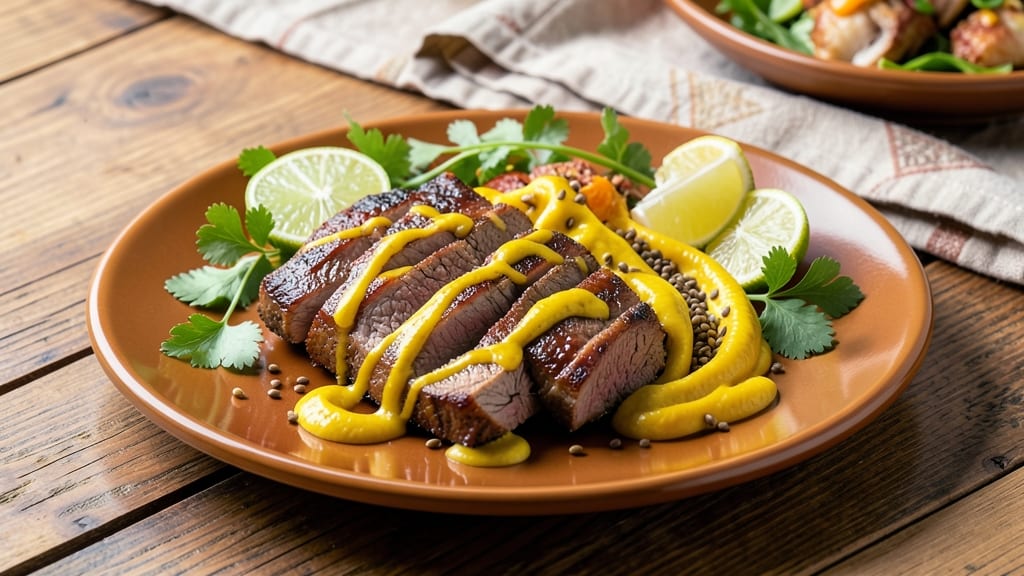
This beef alambre recipe transforms tough beef into melt-in-your-mouth perfection with a bright citrus marinade and slow cooking. The secret lies in tenderizing the meat overnight, then braising it until fork-tender—a technique that delivers restaurant-quality results at home.
Every bite combines rich beef with zesty lime and ají amarillo, creating a balance that’s both comforting and vibrant.
The process starts with a marinade of citrus juices, garlic, and spices that infuse the beef deeply, while slow cooking breaks down connective tissue for unmatched tenderness.
Whether you follow the traditional Peruvian method or adapt it with Colombian influences, the result is a dish that’s as impressive as it is satisfying. This recipe serves as the centerpiece of any meal, demanding only patience and attention to detail.
By the time you serve it, you’ll have perfectly sliced beef that stays tender yet holds its shape, bathed in a sauce that’s tangy, aromatic, and just slightly sweet. The aroma alone will draw everyone to the table, while the first bite delivers the promise of a meal worth celebrating.
Serve with rice, beans, or plantains to complete the experience.
This method transforms a simple cut of beef into something extraordinary, proving that slow cooking isn’t just about time—it’s about transforming ordinary ingredients into something truly special. Let’s get started on a dish that’s as rewarding to make as it is to eat.
Ingredients for beef alambre
Sixteen ingredients, one extraordinary dish—where citrus marinade meets slow-cooked beef perfection.
| Ingredient | Amount | Notes |
|---|---|---|
| Beef Chuck Roast 🥩 | 3 lb | Tough cut, well-marbled preferred |
| Lime Juice 🍋 | ¾ cup | Freshly squeezed, seeds removed |
| Lemon Juice 🍋 | ½ cup | Freshly squeezed, no pulp |
| Ají Amarillo Paste 🌶️ | 2 tbsp | Peruvian yellow chili, or sub roasted red pepper |
| Garlic Cloves 🧄 | 8 cloves | Peeled, roughly chopped |
| Cumin Seeds 🌿 | 1 tbsp | Toasted lightly for depth |
| Ground Cinnamon 🌱 | 1 tsp | Warmth without overpowering |
| Black Peppercorns 🌶️ | 1 tsp | Freshly cracked, not ground |
| Olive Oil 🫒 | ½ cup | Extra-virgin for richness |
| Beef Broth 💧 | 2 cups | Low-sodium, homemade preferred |
| Red Wine 🍷 | 1 cup | Dry, bold red like Cabernet Sauvignon |
| Onion 🧅 | 1 whole | Yellow, roughly chopped |
| Tomato Paste 🍅 | 2 tbsp | High-quality, no sugar added |
| Bay Leaves 🌿 | 2 whole | Fresh, for aromatic depth |
| Salt 🧂 | 1 ½ tsp | Diamond Crystal preferred |
The beef selection is non-negotiable for this recipe. Chuck roast is essential—its fat marbling ensures tenderness, while leaner cuts like sirloin will stay tough. Look for a piece with visible fat streaks at Whole Foods or your local butcher shop; they’ll often trim it to your preference. If using frozen beef, thaw overnight in the fridge for even marinade penetration. The ají amarillo paste is the soul of this dish—La Costeña or Mamacita brands are top-tier, but a blend of roasted red pepper and a pinch of smoked paprika works in a pinch. Toast your cumin seeds in a dry pan for 30 seconds to release their aroma before grinding.
No ají amarillo? Roast 2-3 red bell peppers, blend with a splash of lime juice, and strain for a substitute. Substituting wine? Dry sherry or extra beef broth maintains depth without altering the flavor profile. For a vegetarian adaptation, replace beef with mushroom caps (like portobello) or hearts of palm, but increase marinade time to 24 hours. The tomato paste can be omitted entirely if you prefer a lighter sauce, though it adds a subtle sweetness that balances the acidity. If using pre-minced garlic, toast it first to mellow its sharpness—this makes a noticeable difference in the final dish.
Marinated beef keeps 3 days in the fridge, but the flavor deepens with time. Store in a sealed container with the marinade to prevent drying. The braised beef reheats beautifully—simmer gently for 10-15 minutes to restore moisture. For meal prep, portion the beef into single-serving containers with a ladle of sauce; it reheats perfectly for up to 4 days. The sauce alone freezes for 3 months, making it ideal for batch cooking. Always cool components completely before freezing to prevent ice crystals.
Why You'll Love This Recipe
- One-Pot Magic: I swear by this recipe—just sear the beef, toss in the citrus and ají paste, then let the slow cooker or oven do the work. No chopping, no fuss, and the house smells like heaven by the end.
- Tangy, Smoky Kick: That ají amarillo paste and lime juice combo? It’s bright, bold, and lingers just right—not too sweet, not too sour, but ridiculously good. The garlic cloves roasted right in the pan add this deep, caramelized edge that makes everything better.
- Leftovers That Beg for More: This beef stays tender for days, so I always make extra. Shred it into tacos, mix it into rice, or serve it cold in sandwiches—it’s the kind of dish that gets better the next day, and my family fights over the last piece.
- Budget-Friendly Protein Power: A chuck roast stretches for a crowd, and the citrus and paste cost pennies. I’ve fed eight people for under $20 with this, and they all leave happy. Plus, the flavors make it feel special without breaking the bank.
Step-by-step instructions for beef alambre
Transform tough beef chuck into melt-in-your-mouth perfection using this slow-cooked method.
Prepare the Marinade and Sear the Beef
In a small saucepan, combine the 0.75 cup lime juice, 0.5 cup lemon juice, 2 tbsp ají amarillo paste, 8 cloves garlic cloves (roughly chopped), 1 tbsp toasted cumin seeds, 1 tsp ground cinnamon, 1 tsp freshly cracked black peppercorns, and 1.5 tsp salt. Simmer gently for 5 minutes until the spices bloom and the mixture becomes fragrant. Remove from heat and stir in the 0.5 cup olive oil to create a silky marinade.
Pat the 3 lb beef chuck roast dry with paper towels—this ensures maximum browning. Rub the marinade all over the beef, pressing it into the surface. Let it sit at room temperature for 30 minutes before cooking. This step is crucial for developing deep flavor and preventing the beef from drying out during the long cook.
Sear the Beef for Depth of Flavor
Heat a Dutch oven over medium-high heat until smoking. Add the beef and sear on all sides until deeply browned, about 5-7 minutes total. This caramelization creates the rich foundation for your dish. Once browned, remove the beef and set it aside.
In the same Dutch oven, add the 1 whole onion (roughly chopped) and cook until softened and golden, about 3-4 minutes. Stir in the 2 tbsp tomato paste and cook for 1 minute to deepen its flavor. Deglaze the pan with the 1 cup red wine, scraping up any browned bits from the bottom—this step captures all the flavor locked in the sear.
Slow-Cook Until Fork-Tender
Return the beef to the Dutch oven and add the 2 cups beef broth and 2 whole bay leaves. Bring to a simmer, then reduce heat to maintain a gentle bubble. Cover and cook for 3 hours at 325°F, or until the beef is fork-tender. The key here is patience—this slow cooking breaks down the tough connective tissue, transforming the chuck into tender, pull-apart perfection.
Check the liquid level occasionally and add a splash of water or broth if it reduces too much. The beef should be so tender that a fork slides in with minimal resistance. If the sauce thickens too much, thin it with a little of the cooking liquid to maintain a glossy, velvety consistency.
Finish with Citrus and Serve
Once the beef is tender, remove it from the pot and let it rest for 10 minutes before slicing. Skim any excess fat from the sauce and adjust the seasoning if needed. The beef should have absorbed the citrusy, spiced marinade, resulting in a vibrant, aromatic dish.
Slice the beef against the grain into ¼-inch thick pieces and serve immediately with the sauce spooned generously over the top. The combination of tender beef, bright citrus, and rich spices makes this a standout dish for any occasion. Pair it with crusty bread or a simple green salad to balance the richness.
Pro Tips For Making Beef Alambre
- SEAR THE ROAST FIRST: High heat changes everything. After slicing the chuck roast thinly (against the grain), sear each piece in batches for 2-3 minutes per side in a screaming-hot skillet—this locks in juices and builds flavor before the citrus and ají amarillo take over. (Yes, it takes longer, but the difference in texture is worth it.)
- SQUEEZE THE AJÍ PASTE: Don’t just dollop that ají amarillo paste—press it through a fine-mesh sieve or run it under warm water to dissolve the clumps first. I learned this the hard way when I ended up with a sauce full of gritty bits instead of smooth, velvety heat. A splash of warm water or stock does the trick.
- DON’T BOIL THE CITRUS: Simmer the lime and lemon juice gently—just enough to infuse, not reduce. If you let it boil, the acid sharpens into something harsh, and you’ll taste nothing but sourness. Keep the heat low and let the paste and garlic work their magic without turning the liquid into vinegar.
- REST THE SLICES BEFORE SERVING: After cooking, pile the sliced beef on a plate and tent it loosely with foil for 5 minutes. Skipping this step means juices will pool on your plate instead of soaking into the meat. (Trust me, your first bite will be soggy if you don’t.)
Dietary considerations for this dish
Gluten-Free Adaptations
This beef alambre recipe is naturally gluten-free, but always double-check your ingredients. The ají amarillo paste and tomato paste brands you choose should be certified gluten-free, as some contain hidden wheat. I recommend La Costeña or Mamacita pastes, which are typically safe.
For extra caution, use a dedicated gluten-free tomato paste like Muir Glen—just ensure it’s labeled gluten-free. The marinade and braising liquid remain safe as long as you avoid cross-contamination with gluten-containing utensils or surfaces. 🌱
Dairy-Free Considerations
The original recipe contains no dairy, making it inherently dairy-free. However, if you’re serving alongside traditional sides like queso fresco or sour cream, opt for dairy-free alternatives like cashew cream or coconut yogurt.
For garnishes, fresh herbs (cilantro, parsley) and pickled onions add vibrant contrast without dairy. The beef’s natural richness stands alone, so no substitutions are needed in the main dish itself.
Low-Carb Modifications
To make this dish lower in carbs, skip the traditional rice or plantain sides and serve with a cauliflower rice blend or zucchini noodles. The beef’s natural sweetness and citrus marinade shine without starchy accompaniments.
For extra flavor, sauté mushrooms or bell peppers in the Dutch oven after removing the beef—this adds texture without carbs. The sauce remains rich and satisfying on its own, so no adjustments are needed there. 🥦
Allergen-Friendly Swaps
For nut allergies, avoid garnishes like toasted almonds or peanut-based sauces. If using ají amarillo paste with garlic, ensure it’s processed in a nut-free facility. For soy allergies, skip soy-based thickeners (though this recipe doesn’t require them).
The beef and citrus marinade are inherently allergen-free, so focus on safe sides like roasted sweet potatoes or grilled asparagus. Always verify labels on spices and pastes.
Protein-Packed Boost
This dish is already high in protein, but you can amplify it further by adding black beans or lentils to the braising liquid during the final 30 minutes of cooking. They absorb the citrusy flavors beautifully while adding fiber.
For a vegetarian twist, replace the beef with extra-firm tofu or tempeh, but marinate it for 24 hours to ensure tenderness. The sauce remains the star, so no other adjustments are needed—just swap the protein source. 💪
Nutrition facts
Frequently asked questions about beef alambre
Why does beef alambre need such a long cooking time?
Slow cooking is essential to transform tough chuck roast into tender, melt-in-your-mouth beef. The 3-hour braise at 325°F breaks down collagen in the meat, creating that signature fork-tender texture. This method also allows the citrus marinade to deeply infuse the beef, resulting in layers of flavor that quick cooking can't achieve.
Can I use a different cut of beef instead of chuck roast?
While chuck roast is ideal for its fat marbling, you can substitute with brisket or short ribs for similar results. Avoid lean cuts like sirloin or flank steak—they won't become tender enough. If using brisket, increase cooking time by 30-60 minutes to ensure full tenderness. The key is choosing a well-marbled cut with connective tissue that needs time to break down.
What's the best way to slice beef alambre?
Always slice against the grain into ¼-inch thick pieces for maximum tenderness. Use a sharp knife and cut at a slight angle to create uniform, restaurant-quality slices. For easier serving, arrange the slices on a platter before spooning the sauce over them. The proper slicing technique ensures each bite is perfectly tender and flavorful.
How can I make this recipe ahead of time?
Beef alambre reheats beautifully! Cook the beef completely, then refrigerate in an airtight container with some of the cooking liquid. Reheat gently in a skillet with a splash of broth or water until warmed through (10-15 minutes). The sauce can be made 3 days ahead and stored separately. For best results, slice just before serving to maintain texture.
What sides pair best with beef alambre?
Traditional pairings include white rice, black beans, and fried plantains to complement the dish's rich flavors. For a lighter option, serve with a fresh mango or papaya salad to balance the meal. The citrus notes in the beef also work beautifully with grilled vegetables or a simple green salad with lime dressing.