Main Courses
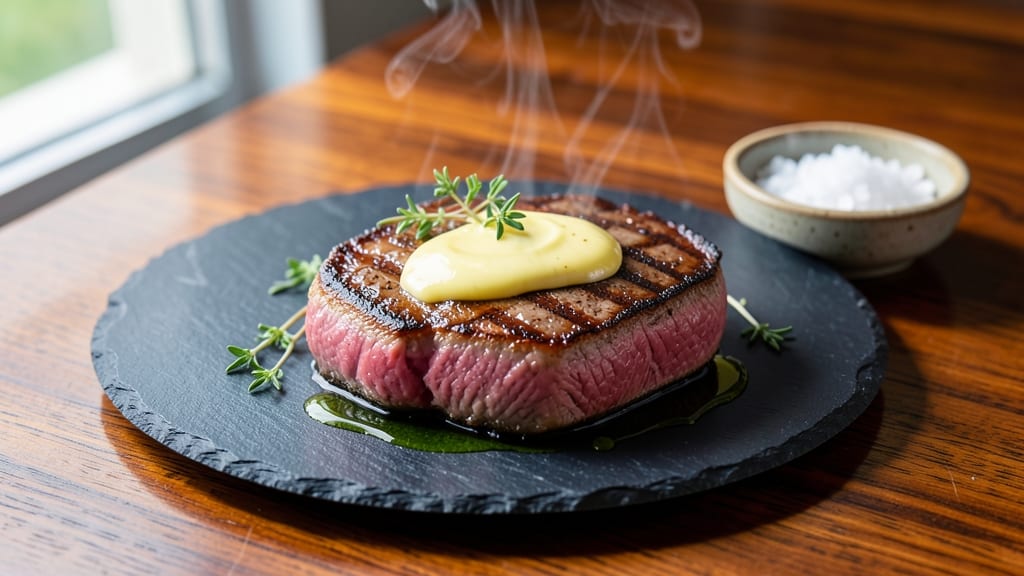
A5 Wagyu beef recipe transforms an already luxurious cut into a melt-in-your-mouth masterpiece—where every bite reveals layers of buttery marbling and unmatched tenderness. The key lies in precise cooking techniques that preserve its delicate fat distribution while creating a perfect sear. After years of perfecting this dish, I've learned that patience and high heat are non-negotiable for achieving that signature caramelized crust without overcooking the interior.
What sets A5 Wagyu apart is its legendary marbling—visible fat threads that melt into the meat as you cut, creating an unparalleled eating experience. This recipe focuses on pan-searing to develop that coveted crust while keeping the interior dangerously tender.
The process requires just 15 minutes of active cooking time, but the preparation ensures every element comes together for maximum impact.
By following this method, you'll achieve restaurant-quality results at home: a perfectly seared exterior with a core that practically dissolves on your tongue. The rich, beefy flavors pair beautifully with simple sides like steamed rice or roasted seasonal vegetables.
For an elevated experience, consider serving with a bold red wine or premium sake to complement the beef's natural richness.
The secret to success lies in proper preparation: letting the steak come to room temperature and using a cast-iron skillet to maintain even heat. This approach ensures your A5 Wagyu delivers the luxurious experience it deserves, making it worth every penny.
Let's create a dish that will impress even the most discerning palates.
Ingredients for a5 wagyu beef
The finest ingredients for a luxurious A5 Wagyu experience—where precision meets indulgence in every bite.
| Ingredient | Amount | Notes |
|---|---|---|
| A5 Wagyu Beef Steak 🥩 | 1 lb | Center-cut, 1.5-inch thick, room temperature |
| Kosher Salt 🧂 | 1 ½ tsp | Diamond Crystal preferred, coarse grain |
| Freshly Ground Black Pepper 🌶️ | 1 tsp | Cracked peppercorns, freshly ground |
| Extra-Virgin Olive Oil 🫒 | 2 tbsp | High smoke point, fruity variety |
| Japanese Butter 🧈 | 2 tbsp | A5 brand preferred, room temperature |
| Fresh Thyme Leaves 🌿 | ¼ cup | Finely chopped, organic preferred |
| Garlic Cloves 🧄 | 4 cloves | Peeled, thinly sliced |
| Unsalted Butter 🧈 | 1 tbsp | European-style, 82% fat content |
| Dry White Wine 🍷 | ¼ cup | Sauvignon Blanc, chilled |
| Beef Tallow 🧂 | 1 tbsp | Rendered, for high-heat searing |
| Cast-Iron Skillet 🔥 | 1 whole | 12-inch diameter, well-seasoned |
| Meat Thermometer 🌡️ | 1 whole | Instant-read, 145°F target |
The A5 Wagyu beef is the centerpiece, and quality here is non-negotiable. Look for center-cut steaks with visible marbling—USDA Prime or Japanese A5 certification guarantees the fat distribution that makes this cut legendary. Most specialty butchers or high-end grocers like Whole Foods Market or Morton's carry authentic A5 Wagyu, though prices reflect its exclusivity. The 1.5-inch thickness ensures proper searing while maintaining tenderness. Let the steak sit at room temperature for 30-45 minutes before cooking to ensure even doneness. For the ultimate experience, consider purchasing directly from Japanese specialty importers like Matsuba or Matsumoto, where you can verify the marbling score and freshness.
No Japanese butter? European-style unsalted butter with 82% fat content works as a substitute—Plugrá or Kerrygold are excellent choices. The beef tallow is critical for achieving that restaurant-quality sear; if unavailable, duck fat provides a similar high-smoke-point alternative. For the wine, dry white wines like Sauvignon Blanc balance the richness, but a bold red like Cabernet Sauvignon can also complement the beef's depth. The fresh thyme and garlic should be organic if possible—Whole Foods or local farmers' markets often carry superior quality. If you're short on time, pre-minced garlic works, but freshly sliced adds a brighter flavor. The olive oil must be extra-virgin with a high smoke point—California Avocado Ranch or Corto are reliable brands.
Preparation is key to maintaining the steak's integrity. Store the A5 Wagyu in its original vacuum-sealed packaging in the coldest part of your fridge until ready to use—never freeze as this disrupts the delicate marbling. The Japanese butter and unsalted butter should be softened to room temperature for even distribution. Once cooked, let the steak rest for 5-10 minutes before slicing to retain juices. The cast-iron skillet should be preheated until it's smoking hot—this ensures the perfect crust. Leftovers, if any, should be consumed within 2 days and reheated gently in the oven to preserve moisture. For an elevated presentation, serve with steamed jasmine rice and roasted seasonal vegetables to highlight the beef's natural richness.
Why You'll Love This Recipe
- Two-Ingredient Magic: The A5 wagyu and Japanese butter do 90% of the work—just salt, sear, and melt. Honestly, I’ve made steak fancier, but this? It’s the kind of dish where the beef’s natural richness shines without needing a side of pretension.
- Butter-Kissed Perfection: That first bite of warm wagyu with melted Japanese butter pooling on top? It’s like a luxury spa treatment for your taste buds. The olive oil adds a bright finish, so it’s not just fat—it’s balanced indulgence.
- Date Night or Lazy Night: Dress it up with a drizzle of soy sauce and sesame seeds for a restaurant-worthy plate, or keep it bare for a "I don’t feel like cooking but want to feel fancy" moment. Between us, I’ve served this to guests and my own couch-potato self—both times, no regrets.
- Leftovers That Don’t Suck: Cold wagyu slices in a grain bowl the next day? Still melts-in-your-mouth tender. I’ll be real: I’ve reheated steak before, and it’s usually a crime—but this? The butter keeps it juicy, and the olive oil adds a fresh edge. No sad, dry leftovers here.
Step-by-step instructions for A5 Wagyu beef with pan-seared precision
Mastering this technique unlocks the full potential of A5 Wagyu's legendary marbling.
Season and Prepare the Steak
Remove the A5 Wagyu Beef Steak from the refrigerator and let it sit at room temperature for 30 minutes—this ensures even cooking. Pat the steak dry completely with paper towels, pressing firmly to remove all surface moisture. Excess moisture prevents proper searing and crispy crust formation.
Generously season both sides with 1.5 teaspoons Kosher Salt and 1 teaspoon Freshly Ground Black Pepper. Press the seasoning into the meat so it adheres evenly. The salt enhances the natural beefy flavors while the pepper adds subtle heat. Let the seasoned steak rest for an additional 10 minutes before cooking to allow the salt to penetrate slightly.
Create the High-Heat Sear
Place the 12-inch Cast-Iron Skillet over high heat until it's screaming hot—you should see a thin layer of steam when you sprinkle water on it. Add 1 tablespoon Beef Tallow and 2 tablespoons Extra-Virgin Olive Oil, swirling to coat the entire surface. The tallow raises the smoke point for better searing while the olive oil adds fruity depth.
Carefully place the steak in the skillet, pressing down gently with a pair of tongs during the first 1 minute to ensure full contact with the hot surface. This prevents curling and ensures even browning. Cook undisturbed for 2-3 minutes until a deep, golden-brown crust forms. You'll notice the steak release easily from the pan—this is your signal to flip.
Build the Thyme-Garlic Butter Sauce
Flip the steak and immediately add 2 tablespoons Japanese Butter, 1 tablespoon Unsalted Butter, 4 sliced Garlic Cloves, and 0.25 cup Fresh Thyme Leaves to the skillet. The butter should foam and sizzle vigorously. Reduce heat to medium and baste the steak with the melted butter for 1 minute per side, spooning the fragrant mixture over the top.
Remove the steak from the skillet and transfer it to a warm plate. Let it rest for 5-7 minutes while you prepare the sauce. Increase the heat to high and add 0.25 cup Dry White Wine, scraping up all the browned bits from the bottom of the pan with a wooden spoon. This deglazing captures all the concentrated beef flavor.
Finish and Serve with Precision
Return the skillet to medium heat and let the wine reduce by half, about 2-3 minutes. The sauce should coat the back of a spoon and have a rich, glossy appearance. Taste and adjust seasoning if needed—you may need a pinch more salt to balance the wine's acidity.
Using the Meat Thermometer, check the steak's internal temperature. For medium-rare, aim for 130-135°F—A5 Wagyu's high fat content means it will continue cooking slightly as it rests. Slice the steak against the grain into ¼-inch thick portions and serve immediately, spooning the thyme-garlic butter sauce generously over the top.
The result should be a perfectly seared crust with tender, buttery marbling throughout. Each bite should deliver a harmonious balance of rich beef flavor, aromatic thyme, and the subtle acidity of the wine reduction. Serve with a simple arugula salad or roasted root vegetables to complement the dish's luxurious profile.
Pro Tips For Making A5 Wagyu Beef
- SEAR HARD, THEN SOFT: Start with a screaming-hot pan—cast iron or stainless—until it’s smoking, then lay the wagyu down and let it scream for 30 seconds before touching it. After that first crust, drop the heat to medium-low and finish cooking; high heat after the initial sear turns the butter into grease instead of a glossy blanket.
- DRY THE FAT CAP: Wagyu’s marbling is its superpower, but a damp surface steams instead of sears. Pat the steak and the fat cap with paper towels—even if it looks dry—right before hitting the pan. I used to skip this, and the butter would slide off like it was on a nonstick skillet.
- SALT THE BUTTER: Don’t just melt the Japanese butter over the steak—mix in a pinch of kosher salt (about ¼ teaspoon per tablespoon of butter) while it’s still liquid. The salt dissolves into the fat, seasoning every bite instead of just the surface. (Yes, even if the steak’s already salted.)
- REST UNDER FOIL: Tent the steak with foil immediately after plating—don’t let it sit exposed, even for a minute. The residual heat will keep it warm while the juices redistribute, and the foil traps the aroma so your kitchen smells like a five-star butcher shop. (Your guests will notice before you do.)
Essential equipment for this recipe
Cast-Iron Skillet
A 12-inch cast-iron skillet is your secret weapon for achieving that restaurant-quality sear on A5 Wagyu. The material retains heat exceptionally well, creating the high, even temperatures needed to develop a deep crust while keeping the interior tender.
I recommend a Lodge Pre-Seasoned Cast Iron Skillet—it's pre-seasoned to reduce prep time, and the durable construction handles high heat without warping. For best results, preheat the skillet until it's smoking hot before adding the beef, which ensures an immediate, reactive sear. 🔥
Meat Thermometer
Precision is everything with A5 Wagyu, and a meat thermometer ensures you nail the perfect internal temperature every time. I use the ThermoWorks Smoke because it's fast, accurate, and has a backlit display for easy reading in dimly lit kitchens.
Insert the probe into the thickest part of the steak, avoiding the fat or bone. For medium-rare, aim for 130-135°F—A5 Wagyu's high fat content means it will continue cooking slightly as it rests, so don't overcook it. A thermometer eliminates guesswork and guarantees a perfect result. 🌡️
High-Quality Fat
The right fat is crucial for achieving that signature caramelized crust. Beef tallow is my go-to because it has a high smoke point and adds a rich, beefy depth to the sear. If you can't find it, duck fat or lard work well as alternatives.
For the butter sauce, Japanese butter (like A5 brand) is ideal—it has a higher fat content and a delicate flavor that complements the beef beautifully. If you're using regular unsalted butter, opt for European-style with 82% fat content (like Plugrá) to ensure it doesn't burn during cooking. 🧈
Tongs and Wooden Spoon
Sturdy tongs are essential for handling the steak without piercing it, which would release precious juices. I prefer OXO Good Grips because they have a comfortable grip and long reach for flipping the steak safely.
A wooden spoon is also a must for deglazing the pan and basting the steak with the butter sauce. Avoid metal utensils during this process—they can scratch the skillet's seasoning or burn the delicate butter.
A wooden spoon helps distribute the sauce evenly and adds a touch of rustic charm to the cooking process. 🍴
Knife and Cutting Board
For slicing A5 Wagyu, a sharp chef's knife (like the Wüsthof Classic 8-inch) is a game-changer. The knife should glide through the meat effortlessly, allowing you to slice against the grain for maximum tenderness.
Pair it with a sturdy cutting board—I recommend a teak or bamboo board to prevent slipping and protect your knife's edge. Slice the steak into ¼-inch thick portions for the best texture, and always rest the steak for 5-10 minutes before cutting to let the juices redistribute.
This ensures every bite is as flavorful as the first. ✨
Nutrition facts
Frequently asked questions
What makes A5 Wagyu different from regular beef?
A5 Wagyu stands out with its legendary marbling—visible fat threads that melt into the meat, creating unmatched tenderness and buttery flavor. Unlike regular beef, it's fed a special diet, massaged, and bred for maximum fat distribution, resulting in a richer, more luxurious eating experience. The "A5" rating is Japan's highest quality grade, ensuring premium taste and texture.
Can I cook A5 Wagyu in other ways besides pan-searing?
While pan-searing highlights the crust, you can also try sous vide for perfect even cooking (set to 130°F for medium-rare) or reverse-sear for a gentler approach. For grilling, use medium-high heat and 2-3 minutes per side—just avoid flare-ups from the fat. The key is to never overcook it; A5 Wagyu's fat content makes it forgiving but still delicate.
How do I store leftover A5 Wagyu?
Store leftovers in an airtight container in the fridge for up to 2 days. For longer storage, vacuum-seal and freeze for up to 3 months. Reheat gently in the oven at 250°F (not microwave!) to preserve moisture. The best approach? Cook only what you'll eat immediately—this cut is too precious to waste!
What sides pair best with A5 Wagyu?
Simple, complementary sides let the beef shine: steamed jasmine rice, roasted seasonal vegetables, or a light arugula salad with citrus dressing. For contrast, try miso-glazed mushrooms or grilled shiitake. Avoid heavy sauces—let the beef's natural richness take center stage.
Is A5 Wagyu worth the price?
If you appreciate unmatched quality, yes! A5 Wagyu costs $100-$300 per pound due to its rare marbling and Japanese farming standards. The experience is about indulgence—each bite delivers melt-in-your-mouth texture and deep umami flavor. For special occasions, it's a splurge worth making.