
Main Courses
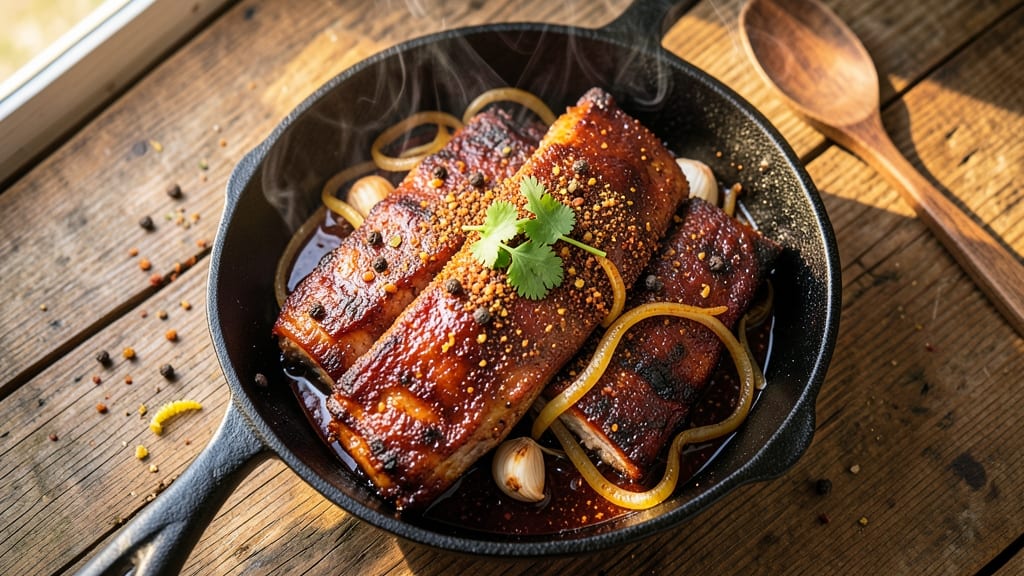
This Bandera beef ribs recipe delivers the legendary Texas-style fall-apart tenderness that makes them legendary. Slow-smoked with a signature blend of spices and a touch of apple cider vinegar, these ribs transform tough cuts into melt-in-your-mouth perfection.
The key lies in patience—low-and-slow cooking over hours until the meat practically slips off the bone.
What sets Bandera-style ribs apart is their deep, smoky flavor profile, achieved through a dry rub of chili powder, garlic, and brown sugar. Unlike other regional styles, these ribs rely on minimal sauce, letting the natural beef flavor shine while the bark develops a beautiful mahogany crust.
The process requires attention to temperature—maintaining 225°F for hours ensures tender meat without drying it out.
By the time you serve these ribs, you’ll have achieved restaurant-quality results at home: rich, meaty, and so tender they’ll disappear from the plate. The aroma alone will draw everyone to the table, and the first bite delivers that perfect balance of smoky, spicy, and sweet notes.
This is Texas comfort food at its finest, best enjoyed with classic sides like buttery cornbread or tangy coleslaw.
The beauty of this recipe lies in its flexibility—whether you’re smoking them low and slow or grilling over indirect heat, the technique ensures consistent results. With proper resting time, the meat becomes so tender it falls apart at the touch, making every bite worth the wait.
Let’s get started on creating your own legendary Bandera-style ribs.
Ingredients for bandera beef ribs
Six ingredients make the legendary Bandera rub—plus ribs that'll melt in your mouth.
| Ingredient | Amount | Notes |
|---|---|---|
| Beef Ribs 🥩 | 4 lb | Bone-in, meaty cuts preferred |
| Yellow Onion 🧅 | 1 whole | Chopped for dry rub |
| Garlic Cloves 🧄 | 6 cloves | Minced for spice blend |
| Chili Powder 🌶️ | ½ cup | Smoked variety preferred |
| Brown Sugar 🍚 | ¼ cup | Light or dark works |
| Ground Black Pepper 🌶️ | 1 tbsp | Freshly cracked preferred |
| Ground Cumin 🌿 | 1 tbsp | Toasted for deeper flavor |
| Apple Cider Vinegar 🍎 | ¼ cup | For tenderizing spray |
| Wood Chips 🌳 | 2 cups | Hickory or oak preferred |
| Kosher Salt 🧂 | 1 tbsp | Diamond Crystal preferred |
| Black Peppercorns 🌶️ | ½ tsp | Crushed for extra texture |
| Paprika 🌶️ | 1 tbsp | Smoked for color depth |
| Water 💧 | ½ cup | For soaking wood chips |
The ribs are everything here. Look for meaty, bone-in cuts—the more connective tissue, the better. Local butchers often have the best selection, or grab them from the meat counter at H-E-B or Whole Foods. The bark develops best on thicker ribs, so don't trim too much fat. If you're using frozen ribs, thaw them overnight in the fridge—they'll cook more evenly. And trust me, don't skip the bone-in. That's where all the flavor hides.
No smoked paprika? Regular paprika plus a pinch of liquid smoke works in a pinch. Running short on brown sugar? White sugar plus extra molasses gets you close. The apple cider vinegar is non-negotiable though—it's what breaks down those tough collagen fibers. No wood chips? Smoked salt at half the amount adds some depth, but you'll miss that real smoke flavor. And if you're grilling instead of smoking, wrap the ribs in aluminum foil with wood chips for that authentic Bandera taste.
Store your dry rub in an airtight container for up to 3 months—it's perfect for other projects too. The ribs reheat beautifully: 350°F for 20 minutes wrapped in foil. I always make a double batch—leftovers freeze perfectly for up to 3 months. Just thaw overnight before reheating. And if you've got extra bark from the ribs? Crush it up—it's amazing on tacos or eggs.
Why You'll Love This Recipe
- Five-Ingredient Magic: I swear by this recipe—just ribs, onion, garlic, chili powder, and brown sugar. That’s it. No fancy marinades or hours of prep; the spices do all the heavy lifting while I sip my coffee.
- Sweet-Heat Balance: Between the smoky chili powder and caramelized brown sugar, these ribs hit just right—tender with a sticky, slightly sweet edge that makes me reach for seconds. Honestly, my kids think I’m a genius for how easy it is to please everyone.
- Tailgate or Tuesday: I’ve served these at backyard BBQs with zero stress, and they’re just as welcome on a lazy Sunday as they are during football season. The leftovers? Even better cold in tacos the next day.
- Budget-Friendly Feast: A full rack of ribs costs less than takeout, and the ingredients stretch across multiple meals. I’ll be real: my grocery bill drops when I batch-cook these—plus, the chili powder and sugar are pantry staples I already own.
Step-by-step instructions for Bandera beef ribs
Here's how to transform tough beef ribs into melt-in-your-mouth Texas-style perfection.
Prepare the Dry Rub and Tenderizing Spray
In a medium bowl, combine the 0.5 cup chili powder, 0.25 cup brown sugar, 1 tablespoon ground black pepper, 1 tablespoon ground cumin, 1 tablespoon kosher salt, 0.5 teaspoon crushed black peppercorns, and 1 tablespoon paprika. Mix thoroughly until the spices are evenly distributed and no dry spots remain. This blend is what gives Bandera ribs their signature deep, smoky flavor profile.
In a separate small bowl, whisk together the 0.25 cup apple cider vinegar and 0.5 cup water. This mixture will be used to spray the ribs before cooking, helping to tenderize the meat and create that beautiful bark. The acidity in the vinegar breaks down muscle fibers, while the water helps distribute the spices evenly.
Season and Rest the Beef Ribs
Pat the 4 lb beef ribs dry with paper towels—this is crucial for developing that crispy bark. Generously coat all sides of the ribs with the dry rub mixture, pressing it into the meat so it adheres well. Then, using a spray bottle, lightly mist the ribs with the apple cider vinegar mixture, making sure to coat them evenly on all sides. Place the ribs on a wire rack set over a baking sheet and let them rest at room temperature for 30 minutes.
This resting period allows the spices to penetrate the meat and the vinegar to work its tenderizing magic. Don't skip this step—it makes a world of difference in both texture and flavor. While the ribs rest, soak the 2 cups wood chips in the 0.5 cup water for at least 30 minutes to prevent them from burning during smoking.
Smoke the Ribs Low and Slow
Set up your smoker to maintain a consistent temperature of 225°F. Once the smoker reaches this temperature and you see clean, blue smoke (not thick white smoke), place the ribs in the smoker, bone-side down. Smoke the ribs for 5-6 hours, or until the internal temperature reaches 165°F. This low-and-slow method is key to achieving tender, fall-apart meat.
Resist the urge to peek or adjust the ribs during this time—every time you open the smoker, you lose heat and moisture, which can set back your cooking time. The ribs are ready when they probe tender with a meat thermometer and the bark is dark and crispy. Here's the thing—this is where patience pays off. If you rush it, you'll end up with tough, chewy ribs instead of the tender masterpiece you're aiming for.
Wrap and Finish Cooking
When the ribs reach 165°F, remove them from the smoker and wrap them tightly in heavy-duty aluminum foil. This step, known as the "Texas crutch," helps the ribs push through the stall and continue cooking without drying out. Return the wrapped ribs to the smoker and continue cooking until the internal temperature reaches 203°F, which should take an additional 2-3 hours.
During this time, the ribs will become fork-tender and pull apart easily. The foil trap creates steam, which breaks down collagen and connective tissue, turning tough meat into something so tender it practically melts in your mouth. Check the ribs periodically to ensure they're cooking evenly and adjust the smoker temperature if needed to maintain that 225°F range.
Rest and Serve
Once the ribs reach 203°F and are fork-tender, remove them from the smoker and let them rest for 15-20 minutes. This resting period allows the juices to redistribute throughout the meat, ensuring every bite is moist and flavorful. During this time, you can prepare your favorite sides or make a quick pan sauce using the juices that have accumulated in the foil.
To serve, unwrap the ribs and slice them between the bones for easy eating. The meat should pull apart effortlessly, with a dark, smoky bark on the outside and a tender, juicy interior. Serve the ribs with extra sauce, sliced yellow onion, and crusty bread to soak up all those delicious juices. You've just made some of the most tender, flavorful beef ribs you'll ever taste—worth every minute of the slow cook!
Pro Tips For Making Bandera Beef Ribs
- CRACK THE BONE FIRST: I learned this the hard way—skipping the bone crack step means uneven cooking and tough spots. Use a meat mallet or rolling pin to gently break the ribs between the bones; this lets the chili powder and brown sugar penetrate deeper, giving you tender meat that falls off the bone.
- CHAR THE ONIONS LOW: High heat turns onions bitter fast, and bitter onions ruin the sweet-spicy balance of bandera ribs. Sauté them on medium-low until they’re golden and caramelized—about 12-15 minutes—so they melt into the sauce instead of overpowering it.
- DON’T SKIP THE BROWN SUGAR MELT: The recipe calls for brown sugar, but resist the urge to add it all at once. Sprinkle it in thin layers while the ribs cook, letting it caramelize into a glossy glaze. This isn’t just for flavor—it’s what makes the ribs sticky and irresistible.
- REST THE RIBS AFTER SEARING: I used to rush this step, but giving the ribs 5-10 minutes under foil after searing makes all the difference. It keeps them juicy when they hit the oven or braise, and the chili powder sticks better without burning. (Yes, even if you’re impatient like me.)
Creative variations of this dish
Texas-Style Dry Rub
The classic Bandera dry rub relies on smoked chili powder as its foundation, but you can adjust the heat level. For a milder version, reduce chili powder to 3 tbsp and add 1 tbsp sweet paprika.
For extra kick, swap in 1 tbsp cayenne pepper—just be warned, this will make your ribs spicy! I always keep a small bowl of extra rub on hand to refresh the bark if needed during cooking. 🌶️
Apple Cider Vinegar Variations
While apple cider vinegar is traditional, white vinegar works in a pinch for tenderizing. For a fruitier twist, try 1 tbsp lemon juice mixed with ¼ cup water—it adds brightness that pairs beautifully with the smoky flavors.
I’ve also experimented with ½ cup beer (like Shiner Bock)—the maltiness complements the ribs perfectly when reduced into a glaze.
Wood Chip Alternatives
Hickory and oak are the Texas classics, but don’t limit yourself. Pecan wood chips add a sweeter, nuttier smoke that’s fantastic with the brown sugar in the rub. For a bolder flavor, try mesquite—it’s intense but pairs surprisingly well with beef.
If you’re grilling instead of smoking, soak wood chips in water and toss them on hot coals for natural smoke infusion. 🌳
Sauce Options
Bandera ribs traditionally go sauce-free, but if you crave extra flavor, try a light drizzle of Texas-style BBQ sauce (like Stubb’s Original) or a honey-mustard glaze (mix 2 tbsp honey with 1 tbsp Dijon mustard).
For a tangy kick, brush on a mix of ½ cup apple cider vinegar and 1 tbsp hot sauce during the last 30 minutes of cooking. Just don’t overdo it—the bark is the star!
Slow Cooker Adaptation
No smoker? No problem! Place ribs in a large slow cooker with ½ cup apple cider vinegar and 1 cup beef broth. Cook on low for 8-10 hours, then wrap in foil and return for another 2-3 hours.
The bark won’t be as crispy, but the meat will still be incredibly tender. Spritz ribs with apple cider vinegar every 2 hours to mimic the smoker’s moisture loss. ⏰
Serving Suggestions
Serve Bandera ribs with classic Texas sides like buttery cornbread (use Jiffy mix for quick prep) or a creamy coleslaw (try Kraft Classic dressing). For a modern twist, pair with grilled peach slices (their sweetness cuts through the smokiness) or pickled red onions (adds a tangy crunch).
I love setting out warm tortillas for DIY tacos—just pile ribs high and top with crumbled queso fresco and fresh cilantro. 🌟
Nutrition facts
Frequently asked questions
Why do Bandera beef ribs need to cook so long?
The low-and-slow method (5-8 hours at 225°F) is essential because it breaks down tough collagen in the meat. This transforms connective tissue into gelatin, creating that legendary fall-apart tenderness. The 203°F internal temperature ensures maximum tenderness—rushing it results in chewy ribs. Patience pays off with melt-in-your-mouth results!
Can I grill Bandera ribs instead of smoking them?
For grill versions, use indirect heat and maintain 225°F by positioning the ribs away from flames. Wrap them in foil with soaked wood chips for smoke flavor. Spritz with apple cider vinegar every hour to mimic smoker moisture. Grilling works best on gas grills or charcoal setups with a water pan. The bark will be slightly different but still delicious!
What's the best way to store leftover Bandera ribs?
Store ribs in an airtight container with any leftover juices or sauce. They keep well in the fridge for 3-4 days or freeze for up to 3 months. For reheating, wrap ribs in foil and bake at 300°F for 20-30 minutes until warmed through. The texture stays tender, though the bark may soften slightly. Perfect for sandwiches or tacos!
Why does the recipe call for bone-in ribs?
Bone-in ribs are crucial because the bones help regulate cooking temperature and add flavor. The connective tissue around bones contains more collagen, which breaks down into gelatin during cooking. This creates richer, more flavorful meat. Plus, the bones act as natural handles for serving—no forks needed! If using boneless, expect slightly less tenderness.
Can I make the dry rub ahead of time?
Yes! Store the dry rub in an airtight container for up to 3 months—it's perfect for other projects too. For best results, let it sit at room temperature for 10 minutes before applying to ensure even distribution. The spices intensify over time, making the rub even more flavorful. Just don't store it near moisture or it may clump.