
Tips
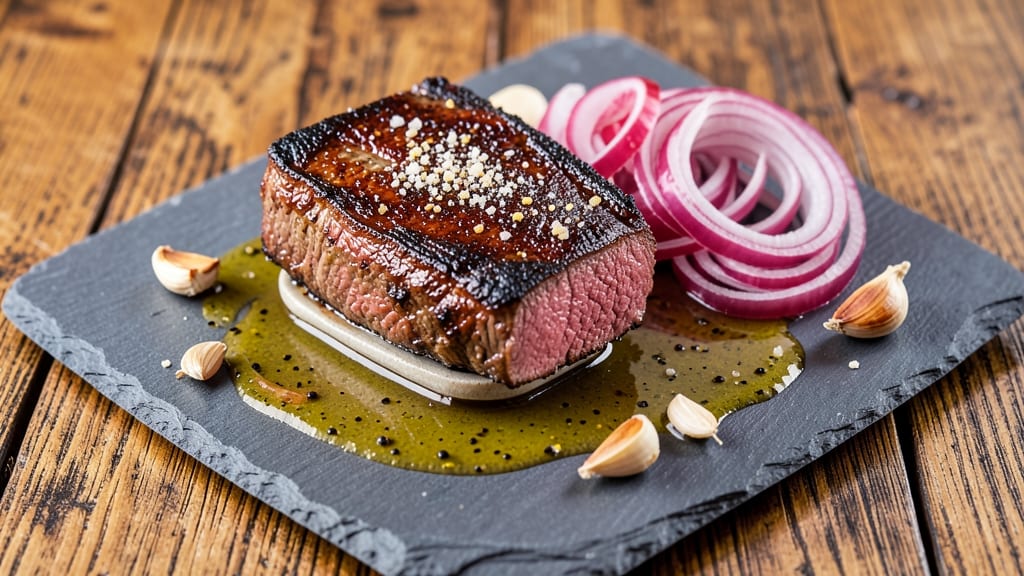
This baked beef tri tip recipe delivers the perfect balance of crispy crust and juicy core—no grill required. The secret lies in reverse-searing: baking first to tenderize the meat, then finishing with a quick sear for that coveted caramelized exterior.
I've perfected this method after countless experiments, ensuring every bite stays moist while developing that irresistible crust.
The beauty of this recipe is its simplicity—just a handful of pantry staples and 30 minutes of active time (plus resting). A dry rub of coarse salt, black pepper, and garlic powder forms a flavorful crust, while baking at 400°F ensures even cooking without overcooking the exterior.
The key? Patience—letting the meat rest for 15 minutes before slicing guarantees that first cut is juicy and tender.
What you'll end up with is a restaurant-quality tri tip that's rich, flavorful, and impossible to resist. The crust is deep golden and crackly, while the interior remains tender and pink—no dryness here.
This recipe is ideal for weeknight dinners or special occasions, and it pairs beautifully with roasted potatoes, grilled vegetables, or a fresh salad.
For those who love leftovers, this tri tip reheats exceptionally well—just warm it gently in the oven or air fryer to preserve its texture. Whether you're feeding a family or hosting a dinner party, this method delivers consistent results every time. Let's get started on creating your perfect tri tip.
Ingredients for baked beef tri tip
Reverse-seared tri tip demands quality cuts and precise seasoning for that perfect crust-juicy core balance.
| Ingredient | Amount | Notes |
|---|---|---|
| Beef Tri Tip Roast 🥩 | 2 lb | Center-cut, 1.5-inch thickness preferred |
| Coarse Kosher Salt 🧂 | 1 ½ tbsp | Diamond Crystal preferred for even distribution |
| Freshly Ground Black Pepper 🌶️ | 1 ½ tsp | Cracked peppercorns for optimal texture |
| Garlic Powder 🧄 | 1 tsp | Freshly ground preferred for depth |
| Extra-Virgin Olive Oil 🫒 | 1 tbsp | For crust development and searing |
| Yellow Onion 🧅 | 1 whole | Sliced into 1/4-inch rounds for garnish |
| Fresh Rosemary 🌿 | ¼ cup | Finely chopped sprigs for aroma |
| Fresh Thyme Leaves 🌿 | ¼ cup | Stripped from stems for bright flavor |
| Red Wine 🍷 | ½ cup | Bold Cabernet Sauvignon recommended |
| Beef Broth 💧 | ½ cup | Low-sodium preferred for balance |
| Cornstarch 🌾 | 1 tbsp | For pan-searing clarity |
| Balsamic Vinegar 🍶 | 1 tbsp | For finishing drizzle |
The tri tip cut is non-negotiable here—center-cut roasts from USDA Choice or Prime yield the best marbling and tenderness. Local butchers or high-end grocery stores like Whole Foods carry superior cuts, though Costco's pre-trimmed tri tip works well for convenience. Look for roasts with 1.5-inch thickness to ensure even cooking, and avoid anything with excessive fat cap—trim to 1/4-inch if needed. Freshly ground spices elevate the rub; Penzeys Spices offers excellent pre-ground options, but grinding your own black pepper and garlic powder makes a noticeable difference. The olive oil should be extra-virgin with peppery notes—California Olive Ranch or Colavita are reliable choices.
No red wine? Substitute with beef broth and a splash of balsamic vinegar—the acidity remains crucial for balancing the rich beef flavors. Fresh herbs can be swapped for dried at a one-third ratio, but the aroma won't be the same. For the cornstarch, Argo brand is ideal due to its fine texture, though any food-grade cornstarch will work. If you're short on time, pre-made herb blends from McCormick suffice, though fresh is always superior. The tri tip should rest at room temperature for 30-45 minutes before cooking to ensure even heat penetration—never rush this step, as it's critical for juiciness.
This tri tip reheats beautifully—wrap slices in foil and warm in a 275°F oven for 10-15 minutes to preserve moisture. Store leftovers in an airtight container for 3-4 days in the fridge, or freeze for up to 3 months by wrapping tightly in butcher paper. For special occasions, double the recipe—the leftovers make incredible sandwiches or salads. The crust develops best when sliced against the grain, so mark the grain direction before cooking. Garnish with fresh herbs and a drizzle of balsamic reduction for restaurant-quality presentation.
Why You'll Love This Recipe
- Five-Ingredient Magic: I swear by this—just beef, salt, pepper, garlic powder, and olive oil. That’s it. The crust forms while it bakes, locking in flavor without needing fancy rubs or hours of marinating.
- Crispy-Creamy Payoff: The outside gets this golden, crackly crust while the inside stays juicy—like a steakhouse cut but with half the effort. Honestly, I’ll take that over a dry, overcooked roast any day.
- Leftovers That Work: Slice it thin for sandwiches, dice it for tacos, or serve it cold in salads. My lunchbox gets packed with this for days, and no one complains (even my picky teen).
- Weeknight Hero: One pan, 45 minutes, and zero stress. I’ve pulled this off after soccer practice, during last-minute dinner saves, and even when I forgot to thaw the meat—it still comes out solid.
Step-by-step instructions for reverse-seared beef tri tip
Master this technique for a perfect crust over tender beef every time.
👨🍳 Step 1: Prep and Season the Tri Tip
Remove the beef tri tip roast from the refrigerator and pat it completely dry with paper towels. This step is critical—any moisture on the surface will prevent proper crust formation. Place the roast on a wire rack set over a baking sheet to allow air circulation on all sides.
In a small bowl, combine the 1.5 tablespoons coarse kosher salt, 1.5 teaspoons freshly ground black pepper, and 1 teaspoon garlic powder. Rub this mixture evenly over all surfaces of the beef, pressing firmly so the seasoning adheres. Let the seasoned roast sit at room temperature for 30 minutes before cooking. This resting period ensures even cooking and prevents cold spots in the center.
🔥 Step 2: Low-Temperature Roast to Medium Rare
Preheat your oven to 275°F. Place the seasoned tri tip roast on the wire rack and roast for 1 hour 45 minutes to 2 hours, depending on your preferred doneness. For medium rare, aim for an internal temperature of 125°F at the thickest part of the roast. Use a meat thermometer to monitor progress—insert it horizontally into the thickest section to get an accurate reading.
Don't open the oven door during this time. Each time you open it, you lose heat and extend the cooking time. The tri tip is done when it reaches the target temperature and the meat feels slightly springy when pressed gently with your fingers. Remove the roast from the oven and let it rest on a cutting board for 10 minutes before searing.
🍳 Step 3: Create the Crust with High-Heat Searing
While the tri tip rests, heat a large oven-safe skillet over high heat until it's very hot. Add the 1 tablespoon extra-virgin olive oil and let it shimmer for 1 minute. Place the rested tri tip in the skillet, fat-side down, and sear for 3-4 minutes until a deep golden-brown crust forms. Flip the roast and sear the other side for another 3-4 minutes. The crust should be dark and crispy, with visible grill marks.
Transfer the skillet to a preheated 450°F oven and roast for an additional 5-7 minutes. This final step ensures the crust sets while keeping the interior juicy. Remove the tri tip from the oven and let it rest for another 10 minutes before slicing. This resting period is essential for redistributing the juices throughout the meat.
🥘 Step 4: Prepare the Red Wine Reduction
While the tri tip rests, return the skillet to the stovetop over medium heat. Add the sliced 1 whole yellow onion and cook for 3-4 minutes until softened. Sprinkle in the 1 tablespoon cornstarch and stir to coat the onions evenly. Pour in the 0.5 cup red wine and scrape up any browned bits from the bottom of the skillet with a wooden spoon.
Simmer the mixture for 3-4 minutes until it reduces by half. Add the 0.5 cup beef broth and continue simmering until the sauce thickens to a glossy consistency. Stir in the 0.25 cup fresh rosemary and 0.25 cup fresh thyme leaves, then remove from heat. The sauce should coat the back of a spoon with a velvety texture. Stir in the 1 tablespoon balsamic vinegar just before serving.
🍽️ Step 5: Slice and Serve with Sauce
Slice the tri tip against the grain into ¼-inch thick slices for maximum tenderness. Arrange the slices on a warm platter and drizzle generously with the red wine reduction. Garnish with additional rosemary and thyme leaves for a touch of elegance.
Serve immediately, ensuring each guest gets a portion of the juicy, flavorful meat and the rich, aromatic sauce. The contrast between the crispy crust and the tender interior, paired with the tangy-sweet reduction, creates a dish that's both impressive and deeply satisfying. Enjoy with roasted vegetables or a fresh salad to round out the meal.
Pro Tips For Making Baked Beef Tri Tip
- CRANK THE HEAT FIRST: I learned this the hard way—starting tri tip at 375°F (190°C) guarantees a dull, gray crust. Crank your oven to 450°F (230°C) for the first 20 minutes with the fat cap up. That’s when the Maillard reaction kicks in and turns your meat from bland to sizzle-worthy.
- SALT LIKE IT’S 1985: Coarse kosher salt isn’t just for garnish—it’s your crust’s best friend. Generously coat the tri tip at least 45 minutes before baking (yes, even if you’re impatient like me). The salt dissolves into the surface, locking in moisture and creating that coveted caramelized bark.
- SKIP THE CROWDED PAN: Tri tip isn’t a crowd-pleaser—it needs space to breathe. If your baking sheet’s too small, the meat will steam instead of sear. Use a half-sheet pan and place the tri tip fat-side up, giving it room to crisp without turning into a soggy brick.
- UPGRADE THE FINISH: Olive oil alone won’t cut it for that restaurant-quality sheen. After searing, brush the tri tip with a mix of 1 part olive oil and 1 part melted butter (yes, even if you’re avoiding dairy). The butter adds richness, while the oil ensures a glossy, golden crust that’ll make your guests think you’ve been doing this for years.
Troubleshooting your baked beef tri tip
Uneven Crust Issues
If your crust isn't forming evenly, your tri tip may be too wet or the heat isn't consistent. First, ensure you pat the meat completely dry with paper towels before seasoning—any moisture prevents proper browning.
For the sear, use a heavy cast-iron skillet (like Lodge) preheated for 5 minutes on high heat before adding oil. If your oven runs hot, try searing on the stovetop over medium-high heat instead of transferring to the oven. 🔥
Overcooked Interior
Tri tip is forgiving, but overcooking turns it tough. Use a meat thermometer to monitor the internal temp—125°F for medium rare. If you pull it out too early and the crust isn't set, finish in a 450°F oven for 5-7 minutes to crisp it up.
For thicker cuts (>1.75"), extend the low-and-slow bake by 15-20 minutes and check temps frequently. Never skip the 10-minute rest before slicing—this redistributes juices and prevents dryness.
Sauce Too Thin or Thick
If your red wine reduction is watery, simmer it longer—it should reduce by half before adding broth. For a thicker sauce, whisk in 1 extra teaspoon cornstarch mixed with 1 tablespoon cold water at the end. If it's too thick, thin with 1 tablespoon beef broth.
Pro tip: Deglaze the pan immediately after searing with ¼ cup red wine to capture all those flavorful browned bits—this adds depth without extra effort. 💫
Tri Tip Sticking to Pan
Sticking happens when the meat isn't dry enough or the pan isn't hot. Always pat the tri tip dry and let it sit at room temp for 30 minutes before cooking. For extra insurance, sear over high heat for 2 minutes before flipping, then add oil.
If it still sticks, your pan isn't hot enough—wait another minute before trying again. A well-seasoned cast iron or nonstick skillet (like Calphalon) helps too.
Dry or Tough Meat
Dry tri tip usually means it was overcooked or didn't rest long enough. First, never cook past 130°F internal temp—medium rare is ideal. If it's still dry after cooking, try adding 1 tablespoon olive oil to the pan during the low-and-slow bake to baste the meat.
For reheating leftovers, wrap slices in foil and warm in a 275°F oven for 10 minutes—microwaving dries it out. Always slice against the grain for maximum tenderness. 💡
Weak Flavor Profile
If your tri tip tastes bland, your seasoning or herbs might need a boost. Use freshly ground black pepper and garlic powder (not pre-ground) for depth. For extra flavor, add 1 teaspoon smoked paprika or ½ teaspoon onion powder to the dry rub.
If using dried herbs, double the amount (e.g., ½ cup dried rosemary/thyme). For a richer finish, deglaze the pan with 2 tablespoons red wine after searing and reduce it into a glaze before serving.
Nutrition facts
Frequently asked questions
Can I bake tri tip without the reverse-sear method?
Yes, but you'll miss the perfect crust! Baking alone at 400°F for 20-25 minutes will give you tender meat, but the exterior won't develop that coveted caramelized crust. For best results, always use the reverse-sear technique—low-and-slow bake first, then high-heat sear to create that restaurant-quality texture.
What's the best way to slice tri tip for maximum tenderness?
Always slice against the grain into ¼-inch thick slices. This cuts through the muscle fibers, making each bite more tender. Before slicing, mark the grain direction with a knife by running it lightly along the surface. The grain runs diagonally across the roast, so slicing perpendicular to those lines is key.
How long can I keep cooked tri tip in the fridge?
Store cooked tri tip in an airtight container for 3-4 days in the fridge. For best quality, wrap slices individually in foil or plastic wrap before refrigerating. To reheat, warm gently in a 275°F oven for 10-15 minutes or use an air fryer at 350°F for 5 minutes. Never microwave—it'll dry out the meat.
Can I substitute red wine in the sauce with something else?
Use ½ cup beef broth plus 1 tablespoon balsamic vinegar for depth, or substitute with ½ cup apple cider for a sweeter profile. For a non-alcoholic option, try ½ cup cranberry juice reduced with 1 tablespoon cornstarch. The key is maintaining acidity to balance the rich beef flavors.
What's the ideal internal temperature for medium-rare tri tip?
For perfect medium-rare, aim for 125°F internal temperature at the thickest part of the roast. Use a meat thermometer inserted horizontally into the center. If you prefer medium, cook to 135°F, and for medium-well, 145°F. Remember, the meat will rise 5-10°F while resting, so pull it out slightly before it reaches your target temp.