
Main Courses
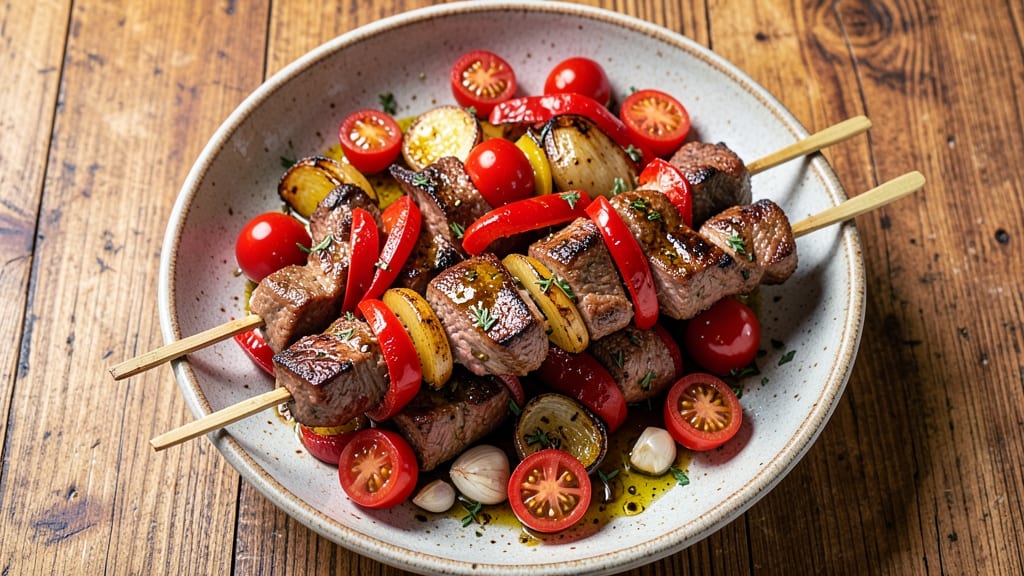
This baked beef kabob recipe delivers restaurant-quality results with juicy centers and perfectly charred edges—no grill required. I developed this method after years of perfecting kabobs, and it’s become my go-to for weeknight dinners or entertaining.
The secret lies in a simple marinade that tenderizes the beef while adding bold flavors, followed by a baking technique that ensures even cooking and crispy edges.
The recipe starts with tender cuts of beef like sirloin or flank steak, marinated in a blend of olive oil, garlic, lemon juice, and spices. Skewering the beef with vegetables like bell peppers and onions adds color and texture, while baking at 400°F ensures a perfect sear.
This approach is foolproof—no flare-ups, no constant monitoring, and no need for a grill.
What you’ll end up with is juicy, flavorful beef that holds its shape on the skewer, paired with slightly charred vegetables that add a satisfying crunch. The marinade infuses every bite with a balance of garlic, citrus, and herbs, making these kabobs irresistible.
Serve with a side of rice, a fresh salad, or a tangy tzatziki sauce for the full experience.
This method is perfect for busy weeknights or when you want to impress guests without spending hours in the kitchen. The recipe scales easily, so you can make just a few skewers for a light meal or double the batch for a crowd.
Let’s get started on creating kabobs that taste like they came from a high-end restaurant.
Ingredients for baked beef kabob
Juicy beef, vibrant veggies, and bold flavors—all you need for perfect baked kabobs.
| Ingredient | Amount | Notes |
|---|---|---|
| Beef Sirloin 🥩 | 1 ½ lb | Cut into 1-inch cubes |
| Yellow Onion 🧅 | 1 whole | Cut into 1-inch chunks |
| Red Bell Pepper 🌶️ | 1 whole | Cut into 1-inch chunks |
| Cherry Tomatoes 🍅 | 1 pint | Halved, stems removed |
| Extra-Virgin Olive Oil 🫒 | ½ cup | For marinade and brushing |
| Fresh Garlic Cloves 🧄 | 6 cloves | Minced for marinade |
| Fresh Lemon Juice 🍋 | ¼ cup | From 1-2 lemons |
| Dried Oregano 🍃 | 1 tbsp | Or 1 tsp fresh |
| Ground Black Pepper 🌶️ | 1 tsp | Freshly ground preferred |
| Kosher Salt 🧂 | 1 ½ tsp | Adjust to taste |
| Wooden Skewers 🪵 | 8 whole | Soaked in water 30 mins |
The beef cut matters most here. Sirloin gives you that perfect balance of tenderness and flavor, but flank steak works too if it's on sale. Look for cuts with good marbling—Costco or Whole Foods usually have excellent quality. Cut the beef into even 1-inch cubes so they cook uniformly. The vegetables should be cut to similar size too—bell peppers and onions hold up best to baking. For cherry tomatoes, grab the heirloom variety if you can find them—they're sweeter and more flavorful than the standard red ones.
No sirloin? Flank steak or ribeye are great alternatives, but trim any large fat deposits. Running short on bell peppers? Zucchini or eggplant work beautifully too. The marinade is flexible—swap lemon juice for lime juice if you prefer. For extra depth, add 1 tsp smoked paprika to the marinade. If you don't have wooden skewers, metal or soaking bamboo skewers work just as well. The key is soaking them for at least 30 minutes to prevent burning. For the olive oil, Trader Joe's or Whole Foods carry excellent extra-virgin options that make a noticeable difference.
Marinate the beef for at least 2 hours (overnight is best), covered in the fridge. The vegetables can marinate for just 30 minutes before assembling. Skewer the beef first, then add vegetables—this keeps them from falling off during baking. These kabobs reheat beautifully, so make extras. Store leftovers in an airtight container for up to 3 days in the fridge. For longer storage, freeze uncooked skewers for 2 months. Thaw overnight in the fridge before baking.
Why You'll Love This Recipe
- No Chopping Chaos: I swear by this—just slice the beef into chunks, toss with olive oil, and let the oven do the work. The onions and peppers stay intact, so no tiny pieces flying everywhere. My kids even help thread them now (mostly because they love the cherry tomatoes).
- Smoky Sweet Crisp: That caramelized onion and pepper combo? Chef’s kiss. The beef gets tender but holds its shape, and the cherry tomatoes burst with juicy sweetness. Honestly, I’ve had people ask if I grilled it—until I tell them it’s all baked.
- Leftovers? Yes, Please: These keep perfectly in the fridge for days. I’ll bake a big batch on Sunday, then grab a skewer for lunch or toss them into salads. The flavors only get better as they sit—no sad, dry beef here.
- Budget Meal for Guests: Sirloin’s affordable, and the veggies stretch it into a full meal. Serve with rice or crusty bread, and suddenly you’ve fed a crowd without breaking the bank. (Yes, even on a Tuesday night.)
Step-by-step instructions for baked beef kabobs recipe
Master these techniques and you'll achieve perfectly charred kabobs with tender beef every time.
Marinate the Beef for Maximum Flavor
In a large bowl, combine the 0.5 cup extra-virgin olive oil, 0.25 cup fresh lemon juice, 6 minced fresh garlic cloves, 1.5 teaspoons kosher salt, 1 teaspoon ground black pepper, and 1 tablespoon dried oregano. Whisk until the oregano dissolves completely and the mixture is well blended.
Add the 1.5 lb beef sirloin cubes to the marinade, turning them to coat evenly. Cover the bowl with plastic wrap and refrigerate for at least 4 hours, or overnight for deeper flavor penetration. The acidity from the lemon juice will tenderize the beef while the olive oil keeps it moist during baking.
Prepare the Vegetables and Skewers
While the beef marinates, cut the 1 whole yellow onion into 1-inch chunks and the 1 whole red bell pepper into similar-sized pieces. Halve the 1 pint cherry tomatoes and remove the stems. Soak the 8 wooden skewers in water for at least 30 minutes to prevent burning during baking.
Drain the marinated beef and pat it dry with paper towels. This step is crucial—excess moisture can cause the kabobs to steam instead of brown. Arrange the soaked skewers on a plate and begin threading the beef, vegetables, and tomatoes alternately onto each skewer. Start and end with beef to ensure even cooking.
Bake the Kabobs to Juicy Perfection
Preheat your oven to 400°F and position a rack in the center position. Place the assembled kabobs on a foil-lined baking sheet, leaving space between them for air circulation. Brush the tops of the kabobs lightly with any remaining marinade to add extra flavor and moisture.
Bake for 15-18 minutes until the beef reaches an internal temperature of 145°F and the vegetables are tender but still vibrant. The beef should be browned on the edges with a pink center. If the skewers are crowded, rotate them halfway through baking to ensure even browning.
Rest and Serve with Confidence
Transfer the kabobs to a cutting board and let them rest for 5 minutes before serving. This resting period allows the juices to redistribute throughout the beef, preventing them from running out when you cut into the kabobs. The vegetables will continue to soften slightly during this time.
Serve immediately with a squeeze of fresh lemon juice and a sprinkle of chopped fresh herbs if desired. Each bite should offer perfectly charred edges on the beef, tender vegetables, and a bright, herby flavor from the marinade. The kabobs should be juicy throughout, with no dry spots in the beef.
Pro Tips For Making Baked Beef Kabob
- USE THICK CUTS OF SIRLOIN: I learned this the hard way—thin slices dry out in the oven, no matter how much oil you drizzle on them. Go for 1.5-inch chunks (about 1-inch thick when skewered) so the beef stays juicy while the edges caramelize. If your sirloin is pre-sliced thin, ask the butcher for a thicker cut or freeze it briefly to firm up before slicing.
- CHAR THE ONIONS FIRST: Skip the raw onion flavor by searing the yellow onion slices in a dry skillet for 3-4 minutes per side until deeply browned. The sweetness mellows and the texture becomes almost jammy when baked—plus, it prevents the kabobs from turning mushy in the oven. (Yes, even if you're impatient like me.)
- SKEWER IN THIS ORDER: Bell peppers and cherry tomatoes first, then beef, then onion last. The veggies act as a barrier so the beef doesn’t overcook while the onions get their time to soften. And resist the urge to pack everything tightly—leave ½-inch gaps so the heat circulates and the oil doesn’t pool.
- BAKE AT 425°F FOR 15 MINUTES, THEN CRANK TO 475°F: The first 15 minutes at 425°F let the beef and veggies cook through without burning, while the final 8-10 minutes at 475°F (with the broiler on high) give you that blistered, restaurant-worthy crust. Sounds weird, but it works—and the tomatoes won’t turn to mush.
Best sauces and condiments for these flavors
Classic Garlic-Herb Sauce
My go-to sauce for these kabobs is a simple garlic-herb blend that enhances the marinade flavors. Mix 2 tablespoons extra-virgin olive oil with 1 tablespoon minced garlic, 1 tablespoon fresh parsley, 1 teaspoon lemon zest, and a pinch of red pepper flakes.
Drizzle over the finished kabobs and let it soak in for 2-3 minutes before serving. This sauce adds a fresh, aromatic finish that complements the charred edges beautifully. 🌿
Creamy Tzatziki Dip
For a cooling contrast, serve with homemade tzatziki. Blend 1 cup Greek yogurt (like Fage 2%), ½ cucumber (peeled and grated), 2 tablespoons fresh dill, 1 tablespoon lemon juice, 1 clove garlic, and ½ teaspoon salt.
Chill for 1 hour before serving. The creamy texture balances the smoky, charred flavors of the kabobs perfectly. 🥒
Spicy Peanut Sauce
Add an Asian-inspired twist with a spicy peanut sauce. Combine ½ cup creamy peanut butter, 2 tablespoons soy sauce, 1 tablespoon rice vinegar, 1 tablespoon honey, 1 teaspoon sriracha, and 1 clove garlic (minced).
Thin with 2 tablespoons warm water until smooth. This sauce brings a rich, nutty depth that pairs wonderfully with the beef’s savory notes. 🥜
Lemon-Herb Butter
For a luxurious touch, melt ¼ cup unsalted butter with 1 tablespoon lemon juice, 1 tablespoon chopped fresh parsley, and a pinch of kosher salt. Drizzle over the kabobs in the final minute of baking.
The butter bastes the beef, creating a golden crust while infusing it with bright citrus and herbaceous notes. Perfect for special occasions! 🍋
Mango-Habanero Glaze
Bring tropical heat to your kabobs with a sweet-spicy glaze. Simmer ½ cup mango purée, 1 tablespoon lime juice, 1 tablespoon honey, and ½ teaspoon habanero paste for 5 minutes.
Brush over the kabobs in the last 3 minutes of baking. The caramelized glaze adds a fruity contrast to the smoky beef. 🌶️🍍
Nutrition facts
Frequently asked questions
Can I use pre-cut kabob meat from the store?
Pre-cut kabob meat works in a pinch, but fresh cuts like sirloin or flank steak give you better flavor and texture. If using pre-cut, pat it very dry before skewering—excess moisture can make the kabobs steam instead of brown. For best results, marinate even pre-cut beef for at least 2 hours.
Why are my baked kabobs dry?
Overcooking is the most common cause. Remove kabobs when the beef reaches 145°F—don't rely on time alone. Also check your oven temp with a thermometer (many run hot). For extra juiciness, baste with marinade during baking or add 1 tablespoon olive oil to the marinade.
What's the best way to make kabobs ahead of time?
Marinate the beef overnight for maximum flavor, then assemble skewers up to 24 hours ahead. Store uncooked kabobs in an airtight container in the fridge. For make-ahead baking, cook them 10 minutes less than directed (they'll finish cooking when reheated). Reheat at 350°F for 5-7 minutes or until warmed through.
Can I bake these kabobs on a grill pan?
Yes! A grill pan gives you those coveted grill marks without a real grill. Heat the pan over medium-high heat until very hot, then cook kabobs for 3-4 minutes per side until charred. For extra flavor, add 1 tablespoon butter to the pan while cooking to baste the kabobs.
What vegetables work best with beef kabobs?
Sturdy vegetables hold up best to baking: bell peppers, onions, zucchini, mushrooms, and cherry tomatoes are all excellent choices. Avoid delicate veggies like lettuce or cucumbers—they'll turn mushy. For extra flavor, marinate veggies separately in olive oil, salt, and pepper before skewering.