
Main Courses
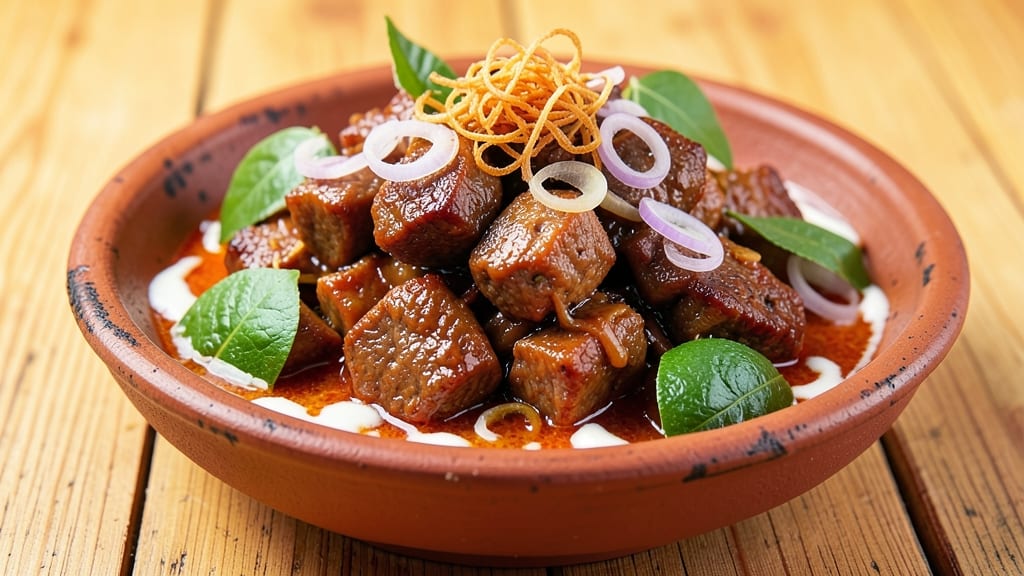
This authentic Malaysian beef rendang recipe transports you to the spice-rich kitchens of West Sumatra, where slow-cooked coconut milk and aromatic spices transform tough beef into melt-in-your-mouth perfection.
The dish, a UNESCO-listed culinary treasure from Minangkabau culture, requires patience—its deep caramelized sauce develops over hours of gentle simmering, creating a harmonious balance of sweet, spicy, and umami flavors.
What makes this rendang truly special is the layered complexity of its spice paste, which forms the soul of the dish.
The process begins with grinding fresh turmeric, lemongrass, galangal, and chili into a vibrant paste, then frying it until fragrant before adding coconut milk and beef. The key to success lies in the slow braising—low heat ensures the beef becomes fork-tender while the sauce reduces to a glossy, clinging consistency.
Unlike quicker versions, this authentic method delivers restaurant-quality depth that store-bought rendang simply can't match. Every bite reveals the careful balance of spices and the richness of coconut milk.
By the time you serve this rendang, you'll have a dish that's as visually stunning as it is flavorful—deep red sauce clinging to tender beef, served over fragrant steamed rice with a side of sambal for heat.
The aroma alone will draw everyone to the table, and the first bite will confirm why this dish holds UNESCO recognition. This isn't just a recipe; it's a culinary journey through Malaysia's heartland.
Perfect for special occasions or weekend projects, this rendang rewards your effort with a dish that tastes like home. The slow cooking makes it ideal for meal prep, and the flavors only deepen as it sits.
Whether you're serving guests or treating yourself, this authentic rendang will leave everyone asking for seconds—and the recipe to recreate it.
Ingredients for authentic malaysian beef rendang
Six aromatic spices, tender beef, and hours of simmering create this UNESCO-listed masterpiece.
| Ingredient | Amount | Notes |
|---|---|---|
| Beef Chuck Roast 🥩 | 3 lb | Cut into 2-inch cubes |
| Full-Fat Coconut Milk 🥥 | 2 cans | 13.5 oz each, no substitutes |
| Yellow Turmeric Root 🌿 | 1 whole | Fresh, peeled and grated |
| Lemongrass Stalks 🌿 | 6 whole | Bruised and cut into 2-inch pieces |
| Galangal Root 🌿 | 1 whole | Fresh, peeled and sliced |
| Bird's Eye Chili Peppers 🌶️ | 4 whole | Seeds removed for less heat |
| Shallots 🧅 | 4 whole | Peeled and roughly chopped |
| Garlic Cloves 🧄 | 8 cloves | Peeled and roughly chopped |
| Kaffir Lime Leaves 🍋 | 4 whole | Bruised and torn |
| Cinnamon Sticks 🌿 | 2 whole | 2-inch pieces |
| Star Anise Pods 🌿 | 2 whole | Lightly crushed |
| Ground Coriander Seeds 🌿 | 2 tbsp | Freshly ground preferred |
| Ground Cumin Seeds 🌿 | 1 tbsp | Freshly ground preferred |
| Brown Sugar 🍚 | ½ cup | Light or dark |
| Tamari or Soy Sauce 🍶 | ¼ cup | Gluten-free preferred |
| Vegetable Oil 🫒 | ½ cup | For frying spice paste |
| Salt 🧂 | 1 ½ tsp | Kosher or sea salt |
The spice paste is the heart of rendang, so don't skimp. Fresh turmeric, lemongrass, and galangal make all the difference—Asian markets are your best bet for these. I always grab extra turmeric since it's the star. Bird's eye chilies? Trader Joe's has them in the frozen section if you can't find fresh. The beef should be chuck roast—it stays tender through the long cooking. Costco sells it pre-cubed, which saves time. If you can't find galangal, ginger is a decent swap, but it won't be authentic. The kaffir lime leaves? Look for them in the produce section of Asian grocery stores—they smell amazing and add a citrusy depth.
No fresh lemongrass? Dried works at double the amount, but it won't be as vibrant. Short on coconut milk? Light coconut milk plus a splash of cream gets you close. The spice paste needs to fry until it's deeply fragrant—don't rush this step. If you can't find tamari, regular soy sauce plus a pinch of sugar works. The brown sugar caramelizes beautifully, but coconut sugar adds a more authentic flavor. For the spices, Penzeys Spices has great whole seeds if you want to grind them fresh. The key is patience—the longer it simmers, the deeper the flavors.
This rendang tastes even better the next day, so make extra. Store in an airtight container in the fridge for up to 5 days—the flavors meld beautifully. Freezes for 3 months, though the texture changes slightly. I always reheat portions in a pot with a splash of water to keep it moist. Serve with jasmine rice and sambal for the full experience. The sauce clings to the beef, so use a fork to scrape up every last bite
Why You'll Love This Recipe
- No Chopping Nightmare: I swear by this—just slice the beef into chunks, no dicing, no mincing. The galangal and turmeric get pounded (or chopped roughly) with the lemongrass, and the coconut milk does all the heavy lifting. Honestly, my slow cooker handles most of the work while I’m scrolling through my phone.
- Deep, Slow Magic: That first bite? Rich, caramelized beef with a sauce so complex it’s like a flavor explosion. The turmeric gives it that golden hue, the galangal adds a peppery kick, and the coconut milk keeps it velvety. It’s not just a dish—it’s an experience that lingers for days.
- Leftovers That Shine: This isn’t one of those meals that turns dry or sad after day two. The sauce thickens beautifully, and the beef stays tender. I’ve reheated portions for lunch, packed it in bento boxes, or even thrown it into fried rice. My freezer’s always stocked with it—because why not?
- Budget-Friendly Luxury: Beef chuck roast is affordable, and a single pot yields enough for a week. The spices are minimal but pack a punch, and the coconut milk stretches far. Between us, this is the kind of meal that makes me feel fancy without breaking the bank. (Yes, even on a Tuesday night.)
Step-by-step instructions for authentic Malaysian beef rendang
Here's how to create this rich, aromatic dish with deep flavors and tender beef.
Prepare the Spice Paste
In a food processor, combine the 4 whole shallots, 8 cloves garlic, 4 whole bird's eye chili peppers (seeds removed), 4 whole kaffir lime leaves, 2 whole cinnamon sticks, and 2 whole star anise pods. Pulse until finely chopped but not completely puréed—you want a coarse texture. Add the 2 tablespoons ground coriander seeds and 1 tablespoon ground cumin seeds, then pulse again until fully incorporated.
Transfer the spice mixture to a small skillet and heat with 0.5 cup vegetable oil over medium heat for 5-7 minutes, stirring constantly until the spices release their aromatic oils and turn a deep golden brown. This step is crucial for developing the complex flavors that define authentic rendang. Remove from heat and let cool slightly—it will thicken as it sits.
Sear the Beef and Build the Base
Heat a large Dutch oven over medium-high heat. Add the 3 lb beef chuck roast, cut into 2-inch cubes, and sear until deeply browned on all sides, about 8-10 minutes. This step caramelizes the beef and adds depth of flavor. Remove the beef and set aside.
In the same Dutch oven, add the cooled spice paste and cook for 2-3 minutes, stirring constantly, until fragrant. Pour in 1 can of full-fat coconut milk and scrape up any browned bits from the bottom of the pot. Bring to a gentle simmer, then return the beef to the pot. Add the 0.5 cup brown sugar, 0.25 cup tamari or soy sauce, and 1.5 teaspoons salt. Stir well to combine.
Slow-Cook Until Tender and Rich
Cover the Dutch oven and transfer to a preheated 300°F oven. Cook for 3 hours, stirring occasionally, until the beef is fork-tender and the sauce has thickened. If the sauce reduces too quickly, add a splash of water or the second can of full-fat coconut milk to maintain moisture.
Here's the key: the longer it cooks, the more concentrated and complex the flavors become. After 3 hours, remove the lid and increase the oven temperature to 350°F. Continue cooking uncovered for another 1-2 hours, stirring occasionally, until the sauce has thickened into a glossy, caramelized glaze and the beef is falling apart tender. The edges should be slightly crispy, and the aroma should be intensely aromatic and rich.
Finish with Fresh Aromatics
Once the rendang reaches the desired consistency, stir in the 1 whole yellow turmeric root (peeled and grated), 6 whole lemongrass stalks (bruised and cut into 2-inch pieces), and 1 whole galangal root (peeled and sliced). Simmer uncovered for an additional 10-15 minutes to allow the fresh aromatics to infuse the dish. These ingredients add brightness and depth, balancing the richness of the coconut and caramelized sauce.
Taste and adjust the seasoning if needed. The rendang should be rich, slightly sweet, and deeply aromatic with a balance of spice and umami. Serve immediately with steamed jasmine rice to soak up every last drop of that luscious sauce. The beef should be fork-tender, and the sauce should coat the back of a spoon with a velvety, caramelized texture.
Pro Tips For Making Authentic Malaysian Beef Rendang
- Char the Spices First: Toss your ground spices (coriander, cumin, turmeric) into a dry, smoking-hot pan for 30 seconds before adding oil—this deepens their flavor. I used to skip this, and the dish always tasted flat until I tried it. Works best with a heavy-bottomed pan so you don’t burn them instantly.
- Peel and Slice Galangal Thin: Use a mandoline or sharp knife to shave galangal into paper-thin slices—this releases its citrusy punch without bitterness. Thick chunks just sit there; thin slices melt into the sauce. (Yes, even if it looks like you’re making confetti.)
- Simmer Slow and Uncovered: Let the rendang reduce uncovered on low heat after adding coconut milk—this prevents a greasy film and concentrates the flavors. I learned this the hard way after a batch turned out watery because I rushed it. Patience here makes all the difference.
- Blend Turmeric with Coconut Milk: Grate the yellow turmeric root and whisk it directly into the coconut milk before adding it to the pot. This ensures even color and flavor distribution instead of clumpy, bitter pockets. (Your sauce will thank you.)
Regional styles of this dish
Minangkabau Roots
The rendang we're making today traces its origins to the Minangkabau people of West Sumatra, where it's considered a sacred dish for celebrations like weddings and religious ceremonies. This community, known for their matrilineal traditions, perfected rendang as a way to preserve meat using slow cooking and spices.
The dish's UNESCO recognition as part of Indonesia's intangible cultural heritage highlights its global significance—it's not just food, but a cultural symbol. 🗺️
What makes Minangkabau rendang unique is its layered preparation: the spice paste is traditionally ground using a stone mortar, and the beef is often cooked in a clay pot over charcoal for hours.
While we're using a Dutch oven, the principle remains the same—low, slow heat is non-negotiable for authentic texture and flavor. The dish's name "rendang" comes from the Minangkabau word "rendo," meaning "to cook with coconut milk," which perfectly describes its creamy, caramelized essence.
Indonesian Variations
While Malaysian rendang is famous, Indonesia has its own regional twists that are worth exploring. In Padang, the capital of West Sumatra, rendang is often made with lamb instead of beef, and the spice paste includes more cinnamon and cloves for warmth.
The Javanese version tends to be sweeter, using palm sugar instead of brown sugar, and sometimes includes cardamom for floral notes. I've made both—Javanese rendang has a lighter, almost dessert-like quality that pairs beautifully with sticky rice. 🌶️
For a spicier kick, some Indonesian cooks add dried shrimp paste (terasi) to the spice paste, which adds umami depth. In Bali, rendang is sometimes served with jackfruit or tofu for a vegetarian adaptation.
The key difference? Balinese rendang often includes turmeric leaves instead of just root, giving it a brighter, almost citrusy aroma. These variations show how rendang adapts while keeping its core identity intact.
Singapore's Street Food Twist
Singapore's hawker culture put its own spin on rendang, creating a faster, richer version that's a staple in places like Chomp Chomp and Hill Street Tai Hwa.
Singaporean rendang often uses more coconut milk (sometimes even three cans) and extra sugar to create a thicker, glossier sauce that clings dramatically to the beef.
The beef is also typically marinated overnight in a mix of soy sauce, lime juice, and spices before cooking, which adds an extra layer of tenderness. 🍜
What sets Singaporean rendang apart is its bold, smoky flavor—many vendors add a charred lemongrass stalk directly to the pot while cooking, which infuses the dish with a campfire-like aroma. It's also common to see dried chilies tossed on top at the table for an extra heat boost.
While it's not as slow-cooked as the Malaysian original, the result is a restaurant-quality dish that's perfect for busy weeknights. The trade-off? Less depth, but more convenience.
Modern Malaysian Adaptations
Today's Malaysian rendang often incorporates modern techniques while staying true to tradition. Many home cooks use pressure cookers to cut cooking time from 6+ hours to just 90 minutes, though purists argue this sacrifices some depth of flavor.
I've tested both methods—the pressure cooker version is still delicious, but the oven-braised version has that unmatched caramelized richness. Some chefs also add a splash of palm sugar syrup at the end for extra gloss and sweetness. 💫
Another modern twist? Rendang bowls—a fusion concept where shredded rendang beef is served over quinoa or cauliflower rice, topped with avocado, pickled onions, and a drizzle of lime crema. It's a great way to make the dish lighter and more adaptable to different diets.
For a vegetarian version, many Malaysian chefs use mushrooms or tofu marinated in the same spice paste. The key is keeping the spice-to-coconut milk ratio balanced—too much spice can overwhelm the dish.
Regional Spice Blends
One of the most fascinating aspects of rendang is how spice blends vary by region. In Kelantan, Malaysia, rendang often includes more galangal and kaffir lime leaves, giving it a citrusy, herbal brightness.
The Penang version leans into fennel seeds and star anise for a slightly sweeter, more aromatic profile. Meanwhile, Johor's rendang is known for its darker, smokier flavor, achieved by adding charred shallots to the spice paste. 🌿
For this recipe, we're using a classic Malaysian blend, but
Nutrition facts
Frequently asked questions
Why does authentic Malaysian beef rendang need such a long cooking time?
The slow cooking (5-7 hours total) is essential for developing the dish's signature caramelized depth and tender texture. The low heat allows the spices to meld gradually, while the coconut milk reduces into a rich, clinging sauce. This traditional method creates the complex, layered flavors that make rendang so special—it's what transforms tough beef into melt-in-your-mouth perfection.
Can I substitute any of the hard-to-find ingredients like galangal or kaffir lime leaves?
For galangal, ginger is the closest substitute (though less authentic), while kaffir lime leaves can be omitted if unavailable—they add citrusy aroma but aren't critical. For bird's eye chilies, reduce to 2-3 whole peppers or use 1 tbsp chili flakes. The key is maintaining the spice-to-coconut milk balance. Asian grocery stores are your best source for these ingredients.
How do I know when the beef is fully tender in rendang?
The beef should be fork-tender with no resistance when pierced—it should fall apart easily. Look for deep caramelization on the sauce edges and a glossy, reduced consistency. The aroma should be intensely rich with notes of coconut, spices, and caramel. If the sauce reduces too quickly, add 1/4 cup water or coconut milk to maintain moisture.
Can I make beef rendang in a slow cooker or Instant Pot?
Yes! For a slow cooker, brown the beef first, then cook on low for 6-8 hours with all ingredients. For an Instant Pot, use the high pressure setting for 45 minutes, then natural release. However, oven-braising creates the most authentic caramelized depth. The slow cooker version will be more tender but slightly less complex in flavor.
What's the best way to reheat leftover rendang?
Reheat gently in a pot with 2-3 tbsp water or coconut milk over low heat to prevent drying. Avoid microwaving—it can make the sauce watery. Leftover rendang actually tastes better the next day as flavors meld further. Store in an airtight container for up to 5 days or freeze for 3 months.