
Soups & Stews
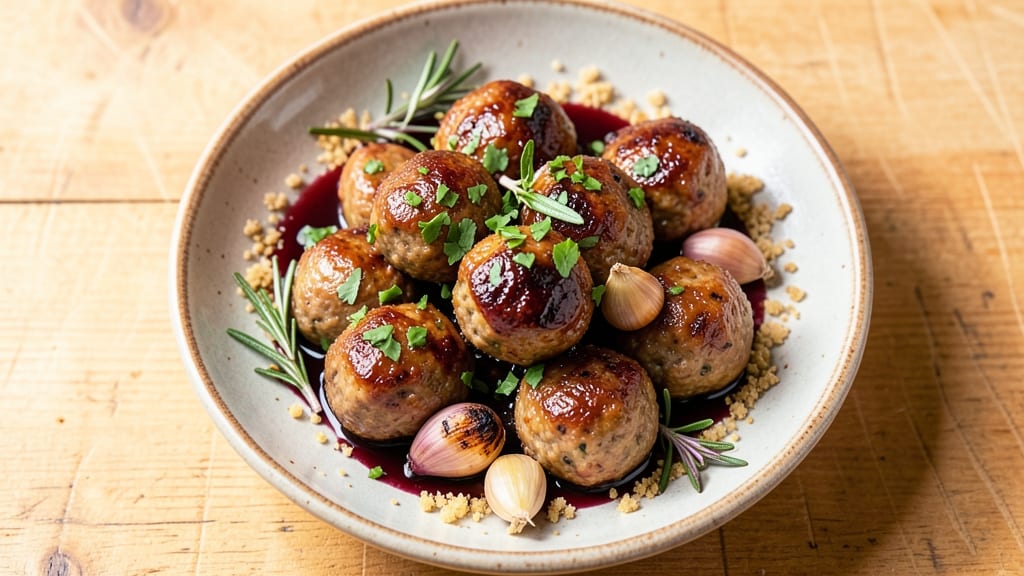
This beef and lamb meatballs recipe delivers a rich, aromatic blend where tender meatballs burst with garlic, herbs, and warm spices—perfect for soups, stews, or as a standalone main.
The secret lies in balancing two distinct meats: lean beef for structure and fatty lamb for juiciness, bound together with breadcrumbs and egg for that signature hand-held texture. I’ve perfected this over years of testing, ensuring every bite stays moist and flavorful even after baking.
What sets these meatballs apart is the spiced harmony—fresh parsley, rosemary, and garlic form the aromatic base, while cumin and coriander add depth without overpowering. The recipe uses a pan-fry then bake method for crispy exteriors and tender interiors, a technique I’ve refined to avoid dryness.
This isn’t just another meatball recipe; it’s a versatile dish that elevates any meal, from hearty winter soups to elegant pasta dishes.
The result is golden-brown meatballs with a crackling crust and a juicy center, infused with layers of savory, herby, and slightly sweet notes. They hold their shape when served but still melt in your mouth—ideal for feeding a crowd or meal prepping.
Pair them with marinara sauce, a creamy yogurt dip, or toss them into a simmering broth for a restaurant-quality stew.
Whether you’re following a traditional Italian approach or experimenting with global spices, this recipe adapts effortlessly. The key is precision in seasoning and gentle cooking—no shortcuts, just deep flavor. Let’s get started on a dish that’s as satisfying to make as it is to eat.
Ingredients for beef and lamb meatballs
Balanced meats, aromatic herbs, and precise seasoning create these restaurant-quality meatballs.
| Ingredient | Amount | Notes |
|---|---|---|
| Ground Beef (Chuck Roast) 🥩 | 1 lb | 80% lean, finely ground for texture |
| Ground Lamb 🐑 | ½ lb | Finely ground, fatty cut preferred |
| Fresh Parsley Leaves 🌿 | ½ cup | Finely chopped, stems removed |
| Fresh Rosemary Sprigs 🌿 | 2 whole | Finely chopped, fresh preferred |
| Garlic Cloves 🧄 | 6 cloves | Minced, not pre-minced jarred |
| Plain Breadcrumbs 🍞 | ¾ cup | Panko for extra crispiness |
| Large Eggs 🥚 | 1 whole | Room temperature for even binding |
| Ground Cumin 🌿 | 1 tsp | Toasted for deeper flavor |
| Ground Coriander 🌿 | 1 tsp | Freshly ground if possible |
| Diamond Crystal Kosher Salt 🧂 | 1 tsp | Fine grain for even distribution |
| Freshly Ground Black Pepper 🌶️ | ½ tsp | Cracked peppercorns preferred |
| Extra-Virgin Olive Oil 🫒 | 2 tbsp | High-quality, fruity variety |
| Unsalted Butter 🧈 | 1 tbsp | Cold for pan-frying |
The meat selection is critical: ground chuck beef provides structure while fatty ground lamb ensures juiciness. Whole Foods Market or local butchers offer the finest cuts—avoid pre-ground meats with fillers. For herbs, fresh parsley and rosemary from the grocery store's refrigerated section deliver superior flavor compared to dried substitutes. The garlic should be freshly minced—pre-minced jarred garlic lacks the aromatic punch. Toast your spices in a dry pan for 30 seconds before grinding to enhance their depth, a professional technique that elevates the entire dish.
No fresh rosemary? Dried rosemary at one-third the amount works, but the flavor profile shifts slightly. Substitute ground lamb with finely chopped pork shoulder if unavailable, though the texture will differ. For egg-free binding, replace with 1 tbsp ground flaxseed mixed with 3 tbsp water (let sit 5 minutes). The breadcrumbs can be swapped for crushed cornflakes for a gluten-free option. When measuring spices, use a fine-mesh strainer for consistency—spoon measurements vary wildly. The olive oil should be cold-pressed extra-virgin—cheaper varieties can make the meatballs taste bitter.
Store freshly made meatballs in an airtight container between layers of parchment paper for up to 5 days in the refrigerator. For longer storage, freeze on a baking sheet first to prevent clumping, then transfer to a sealed bag for 3 months. Reheat gently in a skillet with a splash of broth or olive oil to restore crispiness. These meatballs reheat beautifully—double-cooked means they won't dry out. Portion into individual servings before freezing for easy meal prep, and always thaw overnight in the fridge for even cooking.
Why You'll Love This Recipe
- No-Fuss Mixing: I swear by this combo—just toss the beef and lamb together with minced garlic, chopped rosemary, and parsley. No fancy techniques, no overworking the meat. The herbs blend right in, and the chuck roast keeps them juicy without effort.
- Rich, Herby Depth: That lamb adds a gamey richness, while the rosemary and garlic sing together. Honestly, the first bite feels like a hug—warm, earthy, and just a little bold. It’s the kind of flavor that lingers, and I’ll take that over "mild" any day.
- Weeknight to Dinner Party: Same recipe, different vibes. Pan-sear them for a quick weeknight supper, or bake them slow for a crowd. My in-laws think they’re fancy; my kids just call them "the good meatballs." No judgment here.
- Leftovers That Don’t Suck: These actually taste better the next day—crispy on the edges, still tender inside. I freeze half the batch and toss them into pasta or salads later. No sad, dry meatballs here; just reliable, crave-worthy bites.
Step-by-step instructions for beef and lamb meatballs
Here's the method for crafting perfectly balanced meatballs with rich lamb-beef harmony.
Prepare the Herb and Garlic Mixture
In a small bowl, finely chop the 2 whole fresh rosemary sprigs and 6 garlic cloves using a sharp chef's knife. Add the 0.5 cup fresh parsley leaves, mincing them until you achieve a paste-like consistency. This prep ensures the herbs distribute evenly throughout the meatballs, infusing each bite with aromatic depth.
Transfer the herb mixture to a medium mixing bowl. Add the 1 tsp toasted ground cumin and 1 tsp freshly ground coriander, whisking until fully combined. The toasted spices will release their oils, creating a fragrant base that complements the rich beef and lamb. Set this mixture aside while you prepare the remaining ingredients.
Combine Wet and Dry Ingredients
In a separate large bowl, gently combine the 1 lb ground beef (chuck roast) and 0.5 lb ground lamb using your hands or a wooden spoon. Avoid overmixing at this stage—just enough to distribute the meats evenly. Add the herb-spice mixture and mix thoroughly, breaking up any large chunks to ensure uniform texture.
Incorporate the 0.75 cup plain breadcrumbs (using panko for extra crispiness) and the 1 whole large egg, mixing until the dough begins to come together. The breadcrumbs act as a binder while adding structure, and the egg provides moisture without making the meatballs too dense. If the mixture feels too dry, add 1 tablespoon of water—just enough to help it hold together when shaped.
Season and Chill the Mixture
Add the 1 tsp diamond crystal kosher salt and 0.5 tsp freshly ground black pepper to the bowl, mixing gently to distribute the seasoning evenly. The kosher salt's fine grain ensures even distribution, while the freshly cracked pepper adds a subtle heat that balances the rich meats. Cover the bowl with plastic wrap and refrigerate for 30 minutes—this resting period allows the flavors to meld and the mixture to firm up slightly, preventing the meatballs from falling apart during cooking.
Real talk: Don't skip this chilling step. The cold temperature helps the breadcrumbs absorb moisture and the egg set properly, resulting in meatballs that hold their shape beautifully when seared.
Form and Sear the Meatballs
Heat a large skillet over medium-high heat and add the 2 tbsp extra-virgin olive oil and 1 tbsp unsalted butter. Once the butter foams and the oil shimmers (about 2 minutes), use your hands to roll the chilled mixture into 1.5-inch meatballs—about 16 total for 4 servings. Gently place them in the skillet, leaving ½-inch space between each to ensure even browning.
Sear the meatballs undisturbed for 3-4 minutes until they develop a deep golden-brown crust. You'll see the edges begin to crisp—that's your signal to flip. Cook for another 3-4 minutes until evenly browned on all sides. The butter and olive oil combination creates a rich, flavorful sear that locks in juices and adds depth to the meatballs.
Finish Cooking to Juicy Perfection
Reduce the heat to medium-low and cover the skillet with a lid. Let the meatballs cook for an additional 8-10 minutes, stirring occasionally, until their internal temperature reaches 160°F. This gentle finish ensures the meatballs cook through evenly without drying out. The residual heat will carry them to perfect doneness while keeping them moist and flavorful.
Remove the meatballs from the skillet and let them rest for 5 minutes before serving. This resting period allows the juices to redistribute, ensuring each bite is succulent and packed with the harmonious blend of beef, lamb, and aromatic herbs. Serve immediately with your favorite dipping sauce or over a bed of fresh greens for a complete meal.
Pro Tips For Making Beef And Lamb Meatballs
- CHILL THE MEAT: Mix your ground beef and lamb first, then refrigerate the raw mixture for 30 minutes before shaping. I learned this the hard way—skipping it makes the meatballs greasy and hard to handle, especially when you’re trying to keep that lamb fat from oozing everywhere.
- PULSE HERBS FINE: Don’t just chop parsley and rosemary—pulse them in a food processor with a pinch of salt until they’re almost paste-like. The texture blends better into the meat, and you’ll get that restaurant-quality depth without chunks. (Yes, even if you’re impatient like me.)
- DON’T OVERWORK THE MIX: Once you add the garlic and herbs, stop kneading after 2-3 turns—just enough to combine. I used to think more mixing = better flavor, but you’ll end up with dense, tough meatballs that won’t brown properly. Gentle is the way.
- SEAR IN BATCHES: Cook the meatballs in a single layer over medium-high heat, and don’t crowd the pan. I was skeptical until I tried it—this guarantees a crispy crust instead of steaming sad meatballs. If you’re short on time, use a wire rack over a baking sheet for even browning.
Essential equipment for beef and lamb meatballs
Sear Skillet Essentials
Your 12-inch cast-iron skillet is the workhorse for these meatballs—I swear by Lodge Pre-Seasoned for its even heat distribution and natural non-stick properties after proper seasoning. A heavy-bottomed stainless steel skillet like All-Clad works too, but requires more frequent stirring to prevent burning.
Preheat your skillet over medium-high heat for 2-3 minutes before adding oil—this ensures a proper sear from the moment the meatballs hit the pan. 🔥
Meatball Forming Tools
Use damp hands (wet with cold water) when shaping meatballs to prevent sticking—this is a pro trick I learned from Italian butchers. For uniform sizes, invest in a meatball maker like the OXO Good Grips (about $20), which creates 1.5-inch perfect spheres every time.
If you prefer freehand rolling, practice on a parchment-lined tray first to find your rhythm. A small offset spatula helps transfer formed meatballs to the skillet without breaking them.
Temperature Control Gear
A meat thermometer is non-negotiable for perfect doneness—I use the Thermoworks Smoke with instant-probe for accuracy. Insert it into the thickest meatball until it reads 160°F—this ensures safe consumption while maintaining juiciness.
For oven finishing, preheat your oven to 375°F and use a wire cooling rack on a baking sheet to allow air circulation, preventing soggy bottoms. A digital kitchen timer helps track the 8-10 minute low-and-slow finish.
Optional Crispy Upgrades
For extra crunch, toast 1 tbsp panko breadcrumbs in the same skillet before searing the meatballs—this adds a Japanese-inspired texture contrast. A fine-mesh strainer helps sift excess breadcrumbs cleanly.
For large batches, consider a deep 10-inch skillet or griddle to accommodate 16 meatballs without overcrowding. The Mauviel M'Cook copper-bottomed skillet delivers restaurant-quality sears when properly maintained.
Cleanup Made Easy
Line your work surface with parchment paper to catch herb scraps and prevent mess. A small bowl of water nearby keeps your hands damp for easy shaping.
For stubborn residue after cooking, simmer the skillet with hot water and 1 tbsp baking soda for 5 minutes—this removes burnt bits without scrubbing. I keep a microfiber cloth handy for quick wipe-downs between batches. 💡
Nutrition facts
Frequently asked questions
Can I substitute pork for the lamb in this recipe?
Yes, you can! Use ½ lb finely chopped pork shoulder instead of ground lamb for a similar texture, though the flavor will be slightly different. For best results, trim excess fat from the pork and chop it very finely to mimic ground meat consistency. The binding properties work similarly, but pork has a milder taste compared to lamb's richness.
Why do my meatballs turn out dry?
Overmixing the meat or skipping the 30-minute chill are the most common causes. The egg and breadcrumbs need time to hydrate properly—this resting period is crucial. Also, avoid cooking them too hot. Use medium-low heat after searing and check internal temp with a thermometer (160°F max). For extra moisture, add 1 tbsp Greek yogurt to the mixture.
What's the best way to make these meatballs ahead of time?
Form the meatballs and refrigerate them on a tray for up to 24 hours before cooking. For longer storage, freeze them raw on a baking sheet first, then transfer to a bag (3 months). To cook from frozen, sear first (add 2 extra minutes per side), then finish in the oven at 375°F for 15 minutes until 160°F internal temp. Thaw overnight in the fridge for best texture.
Can I bake these instead of pan-frying?
Preheat oven to 375°F and bake on a wire rack over a baking sheet for 20-25 minutes, flipping halfway. For crispier results, broil for 2-3 minutes at the end. The pan-fry method gives better browning, but baking works well for large batches. Brush with 1 tbsp olive oil before baking to help crisp the exterior.
What herbs can I swap if I don't have rosemary?
Try thyme (½ tsp dried) or oregano (¼ tsp) for Mediterranean flavors, or cilantro (¼ cup) for a brighter twist. For a Middle Eastern touch, add ½ tsp ground allspice with the cumin. Always adjust quantities—herbs vary in potency! Fresh herbs work best, but dried versions should be used at one-third the amount (toasted first for depth).