
Main Courses
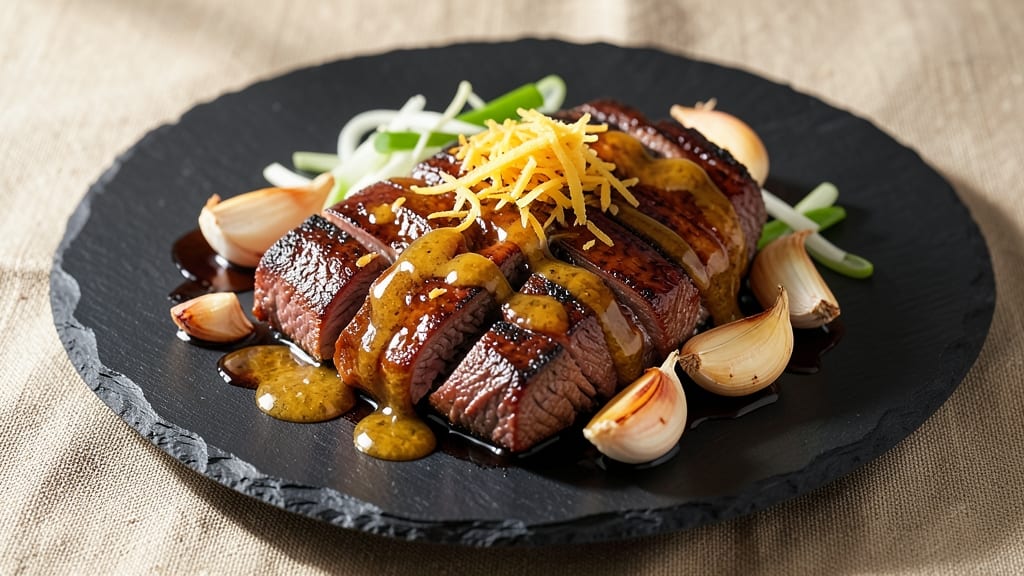
This authentic ginger beef recipe delivers the bold, fragrant flavors of wok-fired Chinese cuisine right to your kitchen. The secret lies in marinating the beef with fresh ginger, garlic, and aromatic spices for deep flavor infusion, followed by a quick, high-heat sear that locks in tenderness.
I've perfected this method to balance ginger's sharp heat with sweet and savory notes, creating a dish that's both restaurant-worthy and perfectly approachable for home cooks.
The recipe begins with a simple yet transformative marinade—fresh ginger, soy sauce, and a touch of honey—that tenderizes the beef while building complex layers of flavor.
What sets this apart is the cooking technique: a fast, hot stir-fry in a well-heated wok or cast-iron skillet, which creates those signature caramelized edges while keeping the interior juicy. The result is beef that's tender yet slightly charred, with a sauce that clings perfectly to each bite.
By the time you plate this dish, you'll have a restaurant-quality meal that's fragrant with ginger's warmth and balanced by the umami depth of soy and garlic. The dish pairs beautifully with steamed jasmine rice or fluffy mantou buns, making it ideal for family dinners or special occasions.
Every element comes together in a way that feels both authentic and effortless.
Whether you're serving this for a weeknight meal or a weekend feast, the key is confidence in the technique—trust the marinade, control the heat, and let the flavors shine. This recipe isn't just about following steps; it's about capturing the soul of a classic Chinese stir-fry in your own kitchen.
Ingredients for authentic ginger beef
Fresh ginger, tender beef, and aromatic spices—this wok-fired dish captures authentic Chinese flavors in every bite.
| Ingredient | Amount | Notes |
|---|---|---|
| Flank Steak 🥩 | 1 ½ lb | Thinly sliced against grain |
| Fresh Ginger Root 🌿 | 3 tbsp | Finely grated, peeled |
| Garlic Cloves 🧄 | 6 cloves | Minced, aromatic |
| Light Soy Sauce 🍶 | ½ cup | High-quality brand preferred |
| Dark Soy Sauce 🍶 | 1 tbsp | For color depth |
| Honey 🍯 | 2 tbsp | Pure, mild variety |
| Sesame Oil 🫒 | 1 tbsp | Toasted sesame oil |
| Cornstarch 🌾 | 2 tbsp | For tenderizing |
| Neutral Oil 🫒 | 2 tbsp | Vegetable or canola |
| Scallions 🧅 | 3 whole | Thinly sliced, green parts |
| Red Chili Flakes 🌶️ | 1 tsp | Adjust to heat preference |
| Salt 🧂 | 1 tsp | Kosher or sea salt |
| Black Pepper 🌶️ | ½ tsp | Freshly ground |
| Jasmine Rice 🍚 | 1 ½ cups | Uncooked, for serving |
The flank steak is non-negotiable here—it stays tender when sliced thin against the grain. Look for marbled cuts at your local butcher or Costco for the best quality. Fresh ginger is a must; the bright, fibrous root from Asian markets has the most punch. If you can't find fresh, powdered ginger works at half the amount, but it won't have that same vibrant kick. The soy sauces should be light and dark varieties—Lee Kum Kee is a reliable brand, but any high-quality Asian market option will do. Toast your sesame oil gently before adding to deepen its aroma—just a few seconds in a dry pan is all it takes.
No fresh ginger? Powdered ginger at half the amount gets you close, but you'll lose that signature freshness. Swap honey for maple syrup if needed, though the flavor will shift slightly. Cornstarch is key—it tenderizes the beef while keeping it juicy, so don't skip it. For extra heat, add Sichuan peppercorns (toasted and crushed) or doubled the chili flakes. The scallions can be subbed with green onions, but the milder flavor won't pack the same punch. If you're short on time, marinate the beef for just 15 minutes—it still works, though 30-60 minutes yields deeper flavor. The neutral oil should have a high smoke point—avocado or grapeseed oil are great choices if you want to splurge.
Marinated beef keeps 2-3 days in the fridge, but use it within 24 hours for best texture. The sauce thickens as it cools, so reheat gently with a splash of water if it seems too stiff. For leftovers, store in an airtight container with a layer of plastic wrap pressed against the sauce to prevent a skin from forming. This dish reheats beautifully—microwave in 30-second bursts or warm in a skillet over medium heat. Pair with steamed jasmine rice or mantou buns for an authentic experience. The flavors actually improve the next day as the ginger mellows and the soy sauce deepens.
Why You'll Love This Recipe
- No-Fuss Marinade: I swear by the 10-minute marinade trick—just slice the ginger thin, mash those garlic cloves, and let the soy sauces do the work. No fancy techniques, no waiting hours. Honestly, I’ve made this on days I forgot to defrost the steak.
- Umami Bomb: That combo of light and dark soy sauce? Absolute magic. The dark soy adds depth while keeping it bright, and the fresh ginger cuts through the richness like a zesty wake-up call. Between us, my picky eaters actually finish their plates with this.
- Leftovers That Shine: It tastes better the next day—yes, really. I’ll pack up half for lunch, and the slices stay tender, not dry. My lunchbox gets jealous of how good it is cold, too. (Pro tip: toss with rice and quick-pickled veggies for a full meal.)
- Budget Steakhouse Vibes: Flank steak is affordable, and this recipe stretches it like a pro. I’ve fed four people for under $15, and no one complains about the price. It’s the kind of dish that makes you sound fancy without breaking the bank.
Step-by-step instructions for wok-fired ginger beef
This method delivers restaurant-quality ginger beef with perfect tenderness and bold aromatics.
🔪 Step 1: Prep the Flank Steak for Maximum Tenderness
Remove the flank steak from the package and pat it dry thoroughly with paper towels. Place it between two sheets of plastic wrap and pound it gently but firmly with a meat mallet to an even ¼-inch thickness. This ensures even cooking and prevents chewy bites.
Slice the flank steak thinly against the grain into ¼-inch thick strips. The grain runs diagonally across the meat, so cutting perpendicular creates tender, bite-sized pieces. Place the sliced beef in a large bowl and sprinkle with 2 tablespoons cornstarch. Toss gently to coat evenly—this helps tenderize the meat during cooking.
🍳 Step 2: Build the Flavor Base with Ginger and Garlic
Heat a wok or large skillet over high heat until it's smoking hot. Add 2 tablespoons neutral oil and swirl to coat the bottom. Add the sliced flank steak in a single layer and let it sear undisturbed for 1-2 minutes until deeply browned on one side.
Remove the beef and set it aside. In the same wok, add 3 tablespoons finely grated fresh ginger root and 6 minced garlic cloves. Stir-fry for 30 seconds until the ginger becomes fragrant and the garlic turns golden. This aromatic base is the foundation of the dish's authentic flavor.
🥘 Step 3: Combine Sauce Ingredients for Perfect Balance
Return the seared beef to the wok and add ½ cup light soy sauce, 1 tablespoon dark soy sauce, 2 tablespoons honey, 1 tablespoon sesame oil, 1 teaspoon red chili flakes, 1 teaspoon salt, and ½ teaspoon black pepper. Stir everything together vigorously for 1-2 minutes until the sauce coats the beef evenly.
Add 3 whole scallions, sliced thinly, and toss for another 30 seconds. The scallions add freshness that cuts through the richness of the beef. Taste the mixture and adjust seasoning if needed—authentic ginger beef should balance sweet, salty, and spicy flavors harmoniously.
⏰ Step 4: Cook to Perfect Doneness and Finish
Continue cooking over high heat for 2-3 minutes until the beef is cooked through but still retains its tenderness. The sauce should thicken slightly and cling to the beef. If it's too thin, reduce heat to medium and cook for another 30 seconds to let the sauce reduce naturally.
Once the beef is perfectly cooked, transfer it to a serving platter. The beef should be tender with a slightly caramelized exterior, and the sauce should be glossy with visible ginger and garlic flecks. Serve immediately over 1.5 cups cooked jasmine rice to soak up the flavorful sauce.
Pro Tips For Making Authentic Ginger Beef
- Slice Against the Grain: Cut your flank steak perpendicular to the muscle fibers—this keeps it tender when sliced. I used to ignore this and ended up with chewy strips every time, even with perfect cooking.
- Grate, Don’t Mince Ginger: Use a box grater for the ginger—it releases more aroma than mincing. My grandmother swore by this, and she was right: the texture stays bright, not mushy, and the flavor punches harder.
- Brown Before Marinating: Sear the steak first, then marinate—this locks in juices and builds flavor. I learned this the hard way after a batch turned out bland because I skipped the sear.
- Balance the Soy Sauces: Use twice as much light soy as dark—dark soy adds color but can overpower. I was skeptical until I tried it: the dish stayed bright and balanced, not salty or bitter.
Essential equipment for great authentic ginger beef
Wok Essentials
A carbon steel wok is my top recommendation for authentic ginger beef—it heats up quickly and retains even heat distribution. I use a 14-inch wok from Made In for its sturdy construction and natural non-stick surface when properly seasoned.
For beginners, a cast iron skillet (like Lodge) works almost as well, especially if you don't have a wok stand. 🔥
Heat Control Tools
High heat is crucial for this dish, so a propane burner or electric induction burner gives you the most control. If using gas, I recommend the Weifang burner for its intense, even flame.
For electric stoves, a wok ring elevates the wok to the perfect height for proper heat circulation. Avoid low heat—it steams the beef instead of searing it.
Meat Prep Gear
Pounding the beef requires a meat mallet—I prefer the Victorinox 8-inch for its durability. For slicing, a sharp chef's knife (like Wüsthof) and a cutting board with a non-slip mat prevent accidents.
A fine grater (I use Microplane) is essential for fresh ginger, as pre-grated ginger loses flavor quickly. Store these tools near your cooking station for efficiency.
Sauce Thickening Aids
Cornstarch is key for tenderizing, but a small whisk (like OXO Good Grips) helps create a smooth sauce. For extra thickness, I keep arrowroot powder on hand as a backup—it works better than flour for Asian sauces.
A fine-mesh strainer removes any unwanted bits if you prefer a silky texture. Keep these tools handy during the cooking process for quick adjustments.
Serving Accessories
Serve the beef over steamed jasmine rice in a wide, shallow bowl (like Norpro bamboo steamers) to showcase the dish. Garnish with thinly sliced scallions and a drizzle of toasted sesame oil for presentation.
For an authentic touch, use lactose-free soy sauce if serving to guests with dietary restrictions—it maintains the same flavor profile without the dairy.
Nutrition facts
Frequently asked questions
Can I substitute flank steak with another cut of beef?
Yes, but choose thinly sliced cuts like sirloin, ribeye, or even tenderloin. The key is ¼-inch thickness and slicing against the grain to ensure tenderness. Avoid tougher cuts like chuck or round—they won't become tender enough in this quick stir-fry method.
How do I make this dish less spicy?
Simply reduce or omit the red chili flakes entirely. For a milder heat, you can also add 1 extra tablespoon of honey or ½ teaspoon of sugar to balance the ginger's sharpness. The dish will still be aromatic and flavorful without the spice.
What’s the best way to store leftovers?
Let the beef cool completely, then store it in an airtight container with a layer of plastic wrap pressed directly on the sauce. This prevents a skin from forming. Leftovers keep well in the fridge for 3-4 days and reheat beautifully—just warm in a skillet over medium heat for 2-3 minutes with a splash of water.
Can I make this recipe without a wok?
A cast iron skillet or large stainless steel pan works perfectly. The key is using high heat and ensuring your pan is well-heated before adding the beef. A wok ring helps if your pan isn’t deep enough for proper heat circulation.
Why does my beef turn out chewy?
This usually happens if the beef isn’t sliced thinly against the grain or if it’s overcooked. Always slice to ¼-inch thickness and cook over high heat for just 2-3 minutes total. Pounding the meat thin before slicing also helps prevent chewiness.