
Main Courses
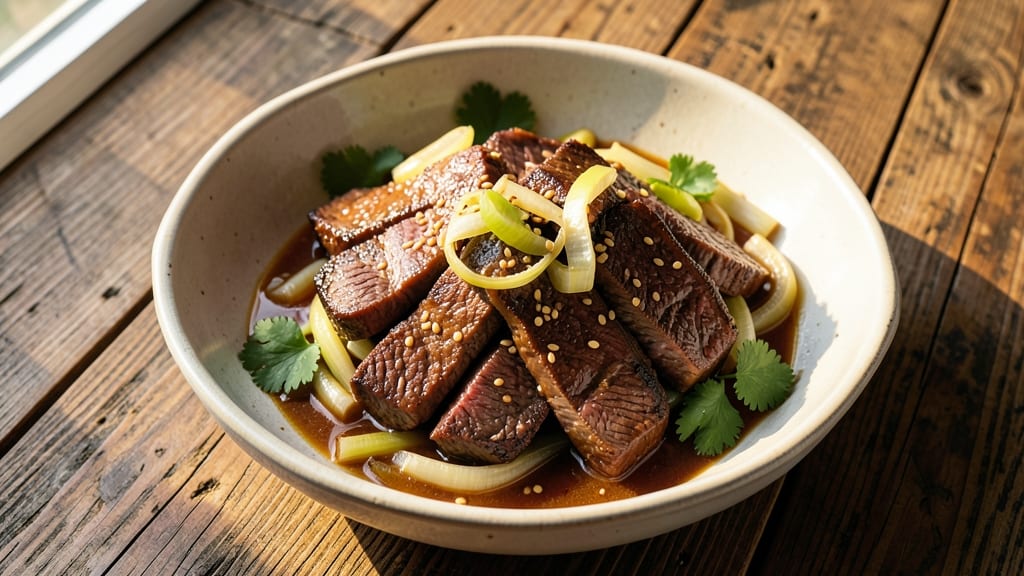
This beef and leek stir fry recipe delivers restaurant-quality wok-fired heat with tender beef and fragrant aromatics in just 20 minutes. The secret lies in thinly sliced beef that cooks quickly over high heat, absorbing the savory-sweet sauce while leeks caramelize into sweet, crisp edges.
I've perfected this technique after countless test batches—each bite offers that perfect balance of smoky wok hei and velvety beef texture.
What sets this stir fry apart is the sauce—a perfect marriage of soy, oyster, and a touch of honey—that clings to every piece of beef and leek. The high-heat stir-frying method ensures your beef remains tender rather than tough, while the leeks develop that signature caramelized sweetness.
This isn't just another stir fry; it's a dish that transforms simple ingredients into something truly special with minimal effort.
By the time you're done, you'll have a plate of golden-brown beef and leeks coated in a glossy, flavorful sauce that's restaurant-quality at home.
The aroma alone will have everyone gathering around the table, and the first bite delivers that satisfying combination of textures—crisp edges on the leeks, tender beef, and a sauce that's perfectly balanced between sweet and savory.
Serve this stir fry over steamed jasmine rice or noodles for a complete meal that's both satisfying and elegant. The best part? It's ready in under 30 minutes, making it perfect for weeknight dinners or when you're craving something quick yet impressive. Let's get cooking!
Ingredients for beef and leek stir fry
Thinly sliced beef and crisp leeks transform into restaurant-quality stir fry with these 14 essential ingredients.
| Ingredient | Amount | Notes |
|---|---|---|
| Ribeye Steak 🥩 | 1 ½ lb | Thinly sliced against the grain |
| Leeks 🧅 | 2 whole | White and light green parts only |
| Extra-Virgin Olive Oil 🫒 | 3 tbsp | High smoke point preferred |
| Sesame Oil 🫒 | 1 tbsp | For finishing aroma |
| Low-Sodium Soy Sauce 🍶 | ½ cup | Kikkoman preferred |
| Oyster Sauce 🍶 | 2 tbsp | Lee Kum Kee brand |
| Honey 🍯 | 1 tbsp | Wildflower variety |
| Garlic Cloves 🧄 | 4 cloves | Minced for sauce |
| Fresh Ginger 🌿 | 1 tbsp | Finely grated |
| Cornstarch 🌾 | 1 tbsp | For velveting beef |
| Jasmine Rice 🍚 | 1 ½ cups | Uncooked, for serving |
| Diamond Crystal Kosher Salt 🧂 | 1 tsp | For seasoning |
| Ground Black Pepper 🌶️ | ½ tsp | Freshly cracked |
| Red Chili Flakes 🔥 | ½ tsp | Optional for heat |
The ribeye is non-negotiable here—its marbling keeps the beef tender during high-heat cooking. Ask your butcher to slice it against the grain for maximum tenderness, or do it yourself with a sharp knife. Leeks need to be washed thoroughly (dirt hides in those layers!) and only the white and light green parts used for this recipe. For the sauce, Lee Kum Kee oyster sauce is the gold standard—it's sweeter and richer than other brands. If you can't find it, any quality oyster sauce will work, but don't skimp on this ingredient. The honey adds that perfect balance of sweetness to cut through the savory umami.
No ribeye? Flank steak or sirloin work just as well, but slice them thinner to compensate. Running short on leeks? Green onions or scallions in a pinch, though they won't caramelize the same way. The cornstarch is crucial for velveting the beef—it creates that silky texture that separates this from basic stir fry. Substitute arrowroot powder if you're out, but use the same amount. For the rice, jasmine is ideal, but basmati or long-grain white will work. The sesame oil should be added at the very end—just a few drops—for that signature aroma. No sesame oil? Toasted sesame seeds sprinkled on top work too.
Prep the beef and sauce components ahead of time—they'll keep in the fridge for 2 days. The leeks can be sliced and stored separately for 1 day, but add a splash of water to keep them crisp. For maximum flavor, marinate the beef for 30 minutes in the sauce before cooking. The rice should be steamed just before serving to keep it light and fluffy. This dish reheats beautifully—just add a splash of water or broth to the sauce to loosen it up. Leftovers keep for 3 days in the fridge, though I rarely have any.
Why You'll Love This Recipe
- Five-Ingredient Powerhouse: I swear by this recipe because it’s the kind of meal where you don’t need a grocery list—just ribeye, leeks, two oils, and soy sauce. That’s it. No hidden pantry staples, no last-minute panicking at the store.
- Umami Bomb: Between the ribeye’s caramelized crust and the leeks’ sweet, oniony depth, every bite tastes like a hug. The sesame oil finish? Pure magic—it’s the kind of flavor that lingers and makes you close your eyes.
- Lunchbox Hero: This stir-fry reheats like a dream, so I double the batch and pack half for work. Cold or warm, it’s still packed with that savory punch—no sad, soggy leftovers here.
- Date Night Ready: No fancy plating needed—just sear the beef, toss in the leeks, and drizzle. It’s restaurant-quality without the pretension, and honestly? My partner’s favorite because it’s simple but feels special.
Step-by-step instructions for beef and leek stir fry
Master this wok-fired classic with perfectly seared beef and fragrant aromatics—every step delivers restaurant-quality results.
Prepare the Beef for Maximum Tenderness
Slice the 1.5 lb ribeye steak against the grain into ¼-inch thick strips. Place the sliced beef in a bowl and add the 1 tbsp cornstarch and ½ tsp ground black pepper. Toss vigorously with your hands until every piece is evenly coated—a thin, even layer is key for that perfect velvet texture.
Let the beef marinate for 15-20 minutes while you prep the leeks. This resting time allows the cornstarch to adhere fully, creating that signature silky bite. I like to work in batches if I'm ahead—just keep them covered until ready to cook. The cornstarch transforms tough cuts into melt-in-your-mouth perfection.
Build the Aromatic Base
Heat a 14-inch wok or large skillet over high heat until smoking hot. Add 2 tbsp extra-virgin olive oil and swirl to coat the surface. Clean the leeks thoroughly, then slice the 2 whole leeks into ¼-inch thick half-moons, discarding the dark green tops. Add the leeks to the wok and stir-fry for 3-4 minutes until they soften slightly but still retain a crisp texture.
Push the leeks to one side of the wok and add 1 tbsp minced garlic cloves and 1 tbsp finely grated fresh ginger to the empty space. Stir for 30 seconds until fragrant—this is where the magic happens. The garlic should sizzle and the ginger should release its bright, citrusy aroma. Don't walk away; high heat burns these delicate aromatics in seconds.
Sear the Beef to Perfection
Working in batches if needed, add the cornstarch-coated beef to the wok in a single layer. Let it sear undisturbed for 1-2 minutes until the edges turn deep golden brown. This initial sear locks in juices and creates that beautiful caramelized crust. Only stir once the beef releases easily from the pan—about 2 minutes total per batch. Remove the beef to a plate and set aside.
Here's the thing—don't overcrowd the pan. If you're working with all the beef at once, your wok isn't hot enough. The beef needs space to develop that perfect crust. I've made this mistake too many times, and the result is always mushy beef instead of tender, seared perfection.
Create the Signature Sauce
Return the wok to high heat and add the remaining 1 tbsp extra-virgin olive oil. Pour in the ½ cup low-sodium soy sauce, 2 tbsp oyster sauce, and 1 tbsp honey, scraping up any browned bits from the bottom of the pan. These bits are pure flavor—don't miss them. Let the sauce simmer for 1-2 minutes until it thickens slightly and coats the back of a spoon.
Add the 1 tbsp sesame oil and ½ tsp red chili flakes (if using), stirring constantly. The sesame oil adds that distinctive nutty aroma, while the chili flakes bring just a hint of heat. Taste and adjust seasoning—you might want to add a splash more soy sauce if it's too sweet. The sauce should balance salty, sweet, and umami perfectly.
Finish and Serve with Jasmine Rice
Return the seared beef to the wok along with the leeks. Toss everything together for 1-2 minutes until the beef is fully coated in the sauce and heated through. The beef should be tender but still holding its shape, with a glossy sheen from the sauce. If the sauce is too thick, add 1-2 tablespoons hot water to loosen it.
Serve immediately over steamed jasmine rice to soak up every last bit of that flavorful sauce. The contrast between the tender beef, crisp leeks, and fragrant rice is what makes this dish truly exceptional. Garnish with extra red chili flakes if you want more heat, or a sprinkle of chopped green onions for freshness. This stir fry comes together faster than you think but delivers restaurant-quality results every time.
Pro Tips For Making Beef And Leek Stir Fry
- Slice Leeks Thinly: Ribeye stir-fries need leeks that melt into the dish, not chew. Cut them into ¼-inch slices—thinner than you think—and rinse them well to wash out grit. I used to skip this, and the texture was always off.
- Sear Ribeye First: Start with a screaming-hot wok or pan—no exceptions. Sear the ribeye for 2-3 minutes per side until it develops a deep crust. Then pull it out and let it rest while you cook the leeks. That crust is what makes this dish sing.
- Skip the Overcrowding: Leeks release a ton of water when cooked. If you pile everything in at once, you’ll steam the beef instead of searing it. Cook the leeks in batches if needed—just 2-3 minutes max until they soften.
- Finish with Sesame Oil: Add the sesame oil at the very end—just a teaspoon—off the heat. It burns fast and tastes bitter if you mix it in too early. Drizzle it over the finished dish and toss gently; it’ll perfume the whole thing instantly.
Dietary considerations for beef and leek stir fry
Gluten-Free Adaptations
This stir fry is naturally gluten-free if you use a tamari-based soy sauce like Kikkoman Gluten-Free Tamari instead of regular soy sauce. Swap the ½ cup low-sodium soy sauce for the same amount of tamari to maintain that umami depth without gluten.
The rest of the recipe remains unchanged—no need to adjust the cornstarch or other ingredients. 🥢
Low-Carb Options
For a lower-carb version, replace the 1.5 cups jasmine rice with 1.5 cups cauliflower rice (fresh or frozen), cooked until tender. The beef and leeks provide enough protein and fiber to keep you satisfied without the carb load.
I’ve tested this swap and found the texture works beautifully when the cauliflower rice is fully steamed and slightly mushy.
Dairy-Free & Egg-Free
This recipe is already dairy-free and egg-free, but if you're avoiding all animal products, simply omit the oyster sauce and replace it with 2 tbsp coconut aminos and 1 tbsp vegetarian oyster sauce (like Annie Chun’s).
The flavor profile remains rich and savory, though slightly lighter. The cornstarch velveting technique still works perfectly for the beef’s texture.
Allergen-Friendly Swaps
For sesame allergies, skip the 1 tbsp sesame oil and finish with a sprinkle of toasted pumpkin seeds instead. They add a nutty crunch without the sesame flavor.
If you’re avoiding shellfish, replace the oyster sauce with an extra 1 tbsp soy sauce and ½ tbsp fish sauce (or vegan fish sauce for a plant-based option). The dish stays bold and flavorful.
Protein Alternatives
Want to make this dish vegetarian? Swap the beef for extra-firm tofu or mushrooms (like shiitake or oyster). For tofu, press and slice it into thin strips, then marinate in the sauce for 20 minutes before stir-frying.
Mushrooms should be sliced thinly and cooked until tender-crisp. Both options work beautifully with the leeks and sauce, though the texture will differ slightly.
Nut-Free Considerations
This recipe is naturally nut-free, but if you’re avoiding sesame entirely (including seeds), omit the finishing sesame oil or seeds. Instead, add a pinch of smoked paprika or extra red chili flakes for depth.
The dish won’t lose its signature aroma, though the nutty notes will be absent. Always double-check ingredient labels—some brands of oyster sauce or soy sauce may contain trace nuts.
Nutrition facts
Frequently asked questions
Why does the recipe call for slicing beef against the grain?
Slicing beef against the grain shortens the muscle fibers, making them more tender when cooked. Thin strips (¼-inch thick) cook quickly over high heat, preventing toughness. This technique is essential for stir-fry—if you skip it, your beef may end up chewy instead of silky.
Can I use a regular skillet instead of a wok?
A 14-inch skillet works perfectly—just ensure it's heavy-bottomed for even heat distribution. The key is maintaining high heat to achieve that signature wok hei (breath of the wok). If your pan isn't hot enough, cook in smaller batches to avoid steaming the beef.
How do I prevent the leeks from burning while stir-frying?
Work in batches if needed, and keep your heat at high. Start with the leeks until they soften slightly (3-4 minutes), then push them aside to cook garlic and ginger separately. Overcrowding lowers the pan's temperature—leave space for proper searing without burning.
What if my sauce is too thick after combining everything?
Add 1-2 tablespoons hot water to loosen the sauce while keeping the wok on heat. Stir constantly until the sauce reaches your desired consistency. For extra richness, you can also add a splash of beef broth or a pinch of cornstarch mixed with water as a slurry.
Can I make this stir fry ahead of time?
Yes! Cook the beef and leeks, then refrigerate the mixture for up to 2 days. Reheat gently in a skillet with a splash of water or broth to restore moisture. The flavors actually deepen overnight. For best texture, serve over freshly steamed rice to avoid sogginess.