
Main Courses
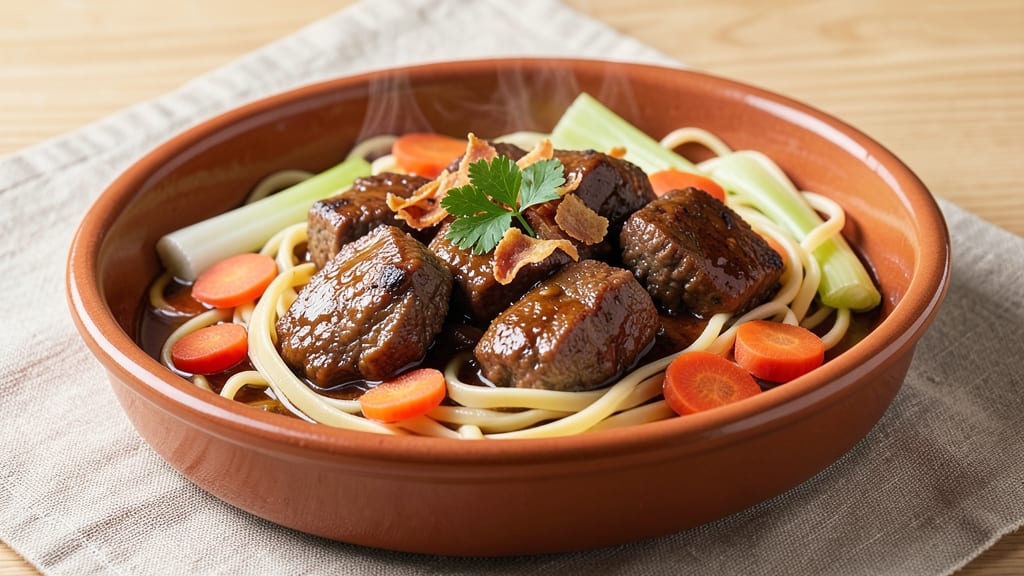
This authentic beef ragu recipe transforms simple ingredients into a deeply flavorful Italian classic that belongs at your dinner table. The secret lies in slow-simmered richness—browning beef to develop depth, then melding tomatoes, wine, and herbs into a velvety sauce that clings to every forkful.
I’ve perfected this method over years of testing, ensuring the balance of acidity, sweetness, and umami that defines traditional Italian cooking.
The process begins with searing chunks of beef until deeply caramelized, then deglazing the pan to capture every last bit of flavor. A splash of red wine cuts through the richness while building layers of complexity, and San Marzano tomatoes add natural sweetness without overpowering.
Simmered low and slow, the sauce thickens into a luxurious consistency that coats pasta perfectly—no lumps, no separation, just pure, restaurant-quality depth.
What sets this ragu apart is its authenticity: no shortcuts, no substitutes. Pancetta adds smoky depth, fresh herbs brighten the finish, and aged Parmigiano-Reggiano ties everything together. The result is a sauce so rich it transforms simple tagliatelle or creamy polenta into an unforgettable meal.
Every bite delivers that perfect harmony of textures and flavors that makes Italian cuisine legendary.
Serve this ragu with al dente pasta, crusty bread for soaking up the sauce, or even over polenta for a heartier dish. The leftovers only improve with time, deepening in flavor as the ingredients meld further.
This is the kind of recipe that turns weeknight dinners into special occasions—without the fuss of a restaurant kitchen.
Ingredients for authentic beef ragu
The cornerstone of authentic Italian richness lies in these carefully chosen ingredients that build depth through slow simmering.
| Ingredient | Amount | Notes |
|---|---|---|
| Chuck Roast 🥩 | 2 lb | Cut into 1.5-inch cubes for even cooking |
| Pancetta 🥓 | ½ lb | Diced into 0.25-inch cubes, not bacon |
| Yellow Onion 🧅 | 1 whole | Medium size, finely chopped |
| Carrot 🥕 | 2 whole | Medium size, peeled and diced |
| Celery Stalks 🥬 | 2 whole | Trimmed, diced into 0.25-inch pieces |
| Garlic Cloves 🧄 | 4 cloves | Peeled, finely minced |
| San Marzano Crushed Tomatoes 🍅 | 28 oz | 400g can, no salt added |
| Dry Red Wine 🍷 | ½ cup | Bold variety like Cabernet Sauvignon |
| Beef Stock 💧 | 2 cups | Homemade or high-quality store-bought |
| Fresh Rosemary 🌿 | ¼ cup | Chopped, not dried |
| Fresh Thyme 🌿 | ¼ cup | Leaves only, finely chopped |
| Fresh Parsley 🌿 | ¼ cup | Flat-leaf, chopped for garnish |
| Extra-Virgin Olive Oil 🫒 | ¼ cup | For searing and finishing |
| Tomato Paste 🍅 | 2 tbsp | Squeeze tube preferred |
| Parmigiano-Reggiano 🧀 | ½ cup | Freshly grated, aged 24 months |
| Kosher Salt 🧂 | 1 ½ tsp | Diamond Crystal preferred |
| Freshly Ground Black Pepper 🌶️ | 1 tsp | Cracked peppercorns preferred |
For the beef, chuck roast is non-negotiable—its connective tissue breaks down beautifully during long cooking, creating that signature velvety texture. Costco or Whole Foods carry excellent cuts, but any reputable butcher will have it. Look for good marbling and avoid pre-cubed meat with excess fat. The pancetta should be thick-cut and cured traditionally; Italian specialty stores often have superior quality compared to standard grocery stores. Fresh herbs are essential here—Trader Joe's sells excellent bundles, but farmers markets offer even better flavor. When selecting tomatoes, San Marzano cans are worth the investment for their natural sweetness and low acidity, though Mutti is a solid alternative if unavailable. The wine should be dry and bold—Caymus or Apothic are reliable choices, but any Italian red like Chianti works beautifully.
No pancetta? Guanciale delivers the same depth, though it's harder to find. Substituting bacon will work in a pinch, but it lacks the authentic smokiness. Fresh herbs unavailable? Dried thyme and rosemary at one-third the amount will suffice, though texture and brightness will differ. Short on red wine? Dry white wine or beef stock with a splash of balsamic vinegar mimics the acidity profile. For tomato paste, Bertolli or Barilla are excellent, but avoid brands with added salt. The Parmigiano-Reggiano must be aged at least 24 months—pre-grated versions lack the proper texture and flavor. If you must use pre-grated, strain it through a fine-mesh sieve to remove anti-caking agents. For the vegetables, carrots and celery can be swapped for fennel or leeks, though they'll alter the sauce's subtle sweetness profile.
The pancetta and herbs should be stored in airtight containers in the refrigerator for up to 1 week. Freshly grated Parmigiano-Reggiano keeps for 3 months when wrapped in parchment and foil. The ragu itself improves with time—3-4 days in the fridge deepens flavors, while freezing extends shelf life to 3 months. For reheating, simmer gently on low heat with a splash of water or stock to restore proper consistency. This sauce is at its peak when served over al dente tagliatelle, but it also elevates creamy polenta or even as a filling for stuffed shells. Portion into containers for easy lunches—just reheat with a splash of water to prevent drying.
Why You'll Love This Recipe
- One-Pot Magic: I swear by this for lazy Sundays—just chop the onion, carrot, and celery (called soffritto in Italy, by the way) into rough chunks, toss them in a Dutch oven with pancetta, and let the beef simmer. No straining, no fussing—just hands-off richness.
- Pancetta Perfection: That salty, crispy pancetta doesn’t just flavor the ragu—it transforms it. When it renders down into the pot, it leaves behind a layer of golden fat that makes every bite taste like a hug. (And yes, I always save the leftovers for pasta the next day.)
- Weeknight to Dinner Party: Same recipe, endless uses. Slap it over egg noodles for a quick weeknight dinner, or serve it with creamy polenta and a sprinkle of Parmesan when company’s over. The chuck roast gets tender enough to shred with a fork—no one will guess it took all day.
- Budget-Friendly Luxury: Chuck roast is cheap, but it tastes like a steakhouse cut when braised low and slow. A single pot feeds six, reheats beautifully, and stretches into multiple meals. Honestly, my freezer’s always stocked with ragu—because why buy takeout when this tastes 10x better?
Step-by-step instructions for authentic beef ragu
This method delivers restaurant-quality ragu with deep tomato flavor and tender beef every time.
Prepare the Meat and Build Flavor Foundation
Cut the 2 lb chuck roast into 1.5-inch cubes for even cooking. In a large Dutch oven, heat 0.25 cup extra-virgin olive oil over medium-high heat. Add the 0.5 lb diced pancetta and cook, stirring occasionally, for 5-6 minutes until golden and crispy. Remove pancetta with a slotted spoon and set aside, leaving the rendered fat in the pot.
In the same pot, add the 1 whole finely chopped yellow onion, 2 whole diced carrots, and 2 whole diced celery stalks. Cook for 8-10 minutes, stirring occasionally, until the vegetables soften and the onion becomes translucent. Add the 4 cloves minced garlic and cook for 30 seconds until fragrant. This aromatic base forms the flavor foundation of your ragu.
Develop the Sauce with Tomatoes and Wine
Stir in the 2 tbsp tomato paste and cook for 2 minutes, allowing it to deepen in color. Pour in the 0.5 cup dry red wine and scrape up any browned bits from the bottom of the pot with a wooden spoon. This deglazing step captures all the concentrated flavors that would otherwise be lost.
Add the 28 oz San Marzano crushed tomatoes, 2 cups beef stock, 1.5 tsp kosher salt, and 1 tsp freshly ground black pepper. Bring to a gentle simmer, then add the reserved pancetta and the 0.25 cup chopped fresh rosemary and 0.25 cup chopped fresh thyme. Return the meat to the pot and stir gently to combine. The liquid should just cover the meat—this ensures proper braising without stewing.
Slow-Simmer for Maximum Tenderization
Cover the Dutch oven and transfer to a 325°F oven (or reduce heat to low on the stovetop). Simmer for 2.5-3 hours, turning the meat occasionally, until it becomes fork-tender. The sauce should thicken noticeably as it reduces, creating that characteristic ragu consistency. Check periodically and add 1-2 tablespoons of water if the sauce becomes too dry.
Here's the key: authentic ragu requires patience. The slow cooking breaks down the meat fibers, creating silky texture while developing deep, complex flavors. When the meat easily pulls apart with a fork and the sauce coats the back of a spoon, it's ready. The ragu should have a rich, velvety texture with visible meat pieces suspended throughout.
Finish with Fresh Herbs and Grated Cheese
Remove the ragu from heat and stir in the 0.25 cup chopped fresh parsley. This final herb addition brightens the dish and adds freshness. Let it rest for 10 minutes to allow flavors to meld. The ragu will continue thickening as it rests, so don't be tempted to rush this step.
Before serving, stir in the 0.5 cup freshly grated Parmigiano-Reggiano. The cheese should melt into the sauce, adding nutty depth and richness. Taste and adjust seasoning if needed—authentic ragu should be balanced with bright acidity from the tomatoes, rich umami from the meat, and herbal notes from the fresh herbs.
Pro Tips For Making Authentic Beef Ragu
- Sear the Pancetta First: Pancetta’s fat renders faster than the chuck roast, so brown it alone in the pot for 5–7 minutes until crisp. This builds flavor foundation—skip it, and your ragu will taste flat, no matter how long you simmer.
- Cut the Roast Against the Grain: Slice the chuck roast thin (¼-inch max) perpendicular to the muscle fibers. Thick slices stay chewy; thin ones melt into the sauce. Use a sharp knife, or the effort will frustrate you later.
- Deglaze with Wine Immediately: As soon as you remove the roast, pour in the wine hot—it loosens stuck bits and stops them from burning. Let it reduce by half before adding tomatoes; rushing this step leaves flavor behind.
- Simmer Low and Covered: After the first hour, drop heat to a bare simmer, cover the pot, and let it cook for 2–3 hours. The lid traps steam, tenderizing the meat without drying it out. I learned this the hard way—my first ragu was a sad, watery mess.
Essential equipment for this recipe
Dutch Oven Essentials
A heavy-gauge Dutch oven is non-negotiable for authentic ragu—it distributes heat evenly and handles the long simmer without burning. I swear by Le Creuset's 6-quart stoneware (holds heat beautifully) or All-Clad's stainless steel (more budget-friendly but equally reliable).
The deep sides prevent spills during deglazing, and the tight lid traps steam for even cooking. 🔥
Deglazing Tools
Never skip the deglazing step—those browned bits are flavor gold! A wooden spoon (like Oxo Good Grips) is ideal for scraping up caramelized fond without scratching your pot.
For stubborn bits, add a splash of red wine or beef stock to help dissolve them completely. I keep a small silicone spatula handy for stubborn corners.
Precision Thermometer
An instant-read thermometer (like Thermoworks Smoke) ensures your ragu hits the perfect 195-203°F internal temperature for tender beef. For oven monitoring, a laser thermometer (such as Kizen) lets you check temperature without opening the door.
Pro tip: Place the probe in the thickest piece of meat—this is where it will take longest to cook.
Herb Storage
Fresh herbs make all the difference—store them properly to preserve flavor. I wrap rosemary and thyme sprigs in damp paper towels and place them in ziplock bags before refrigerating. For parsley, trim the stems and store upright in a glass jar with water like flowers.
This keeps them fresh for up to 10 days, ready to brighten your ragu at the last minute. ✨
Cheese Grater Must-Have
Parmigiano-Reggiano deserves fresh grating—microplane graters (like Barbour Abrasive) give you the finest, most flavorful shavings. Avoid pre-shredded cheese (it contains anti-caking agents that make the sauce grainy).
For maximum efficiency, grate directly over the Dutch oven so every bit lands in your sauce. A small handheld grater works too if you're short on counter space.
Optional Upgrades
For true authenticity, consider a mortar and pestle to crush fresh garlic and black peppercorns—this adds texture and depth. A fine-mesh sieve helps strain any accidental herb stems from the sauce.
And if you love crispy pancetta bits, save some before adding it back to the pot and toast them separately in a skillet for garnish. These extras elevate your ragu from good to extraordinary.
Nutrition facts
Frequently asked questions
Can I substitute pancetta with bacon?
While bacon works in a pinch, it lacks the authentic smoky depth pancetta provides. For best results, use thick-cut bacon and reduce it until crispy, but expect slightly less complexity in flavor. If you must substitute, choose unsmoked bacon to avoid overpowering the delicate tomato base.
How do I know when the beef is fully cooked?
The meat should easily pull apart with a fork and reach an internal temperature of 195-203°F. If it feels slightly firm, continue simmering—it will tenderize further as it rests. Never rush this step; authentic ragu relies on slow cooking for maximum flavor and texture.
Can I make this ragu in a slow cooker?
Yes, but with adjustments! Brown the meat and vegetables first in a skillet, then transfer everything to the slow cooker. Use the low setting for 6-8 hours (high will make the sauce too thin). Add a thickener like 1 tbsp cornstarch mixed with water at the end if needed.
What's the best way to reheat leftover ragu?
Gently reheat on the stovetop over low heat with a splash of water or beef stock to restore moisture. Microwaving can make the sauce grainy. For best texture, simmer for 5-10 minutes until heated through, then adjust seasoning with salt and pepper.
Why does my ragu taste too acidic?
This usually happens when tomatoes overpower the other flavors. Balance it by adding a pinch of sugar or a splash of red wine to mellow the acidity. A sprinkle of Parmigiano-Reggiano also helps round out the flavors. Simmer for 5 more minutes to let the sauce meld.