
Main Courses
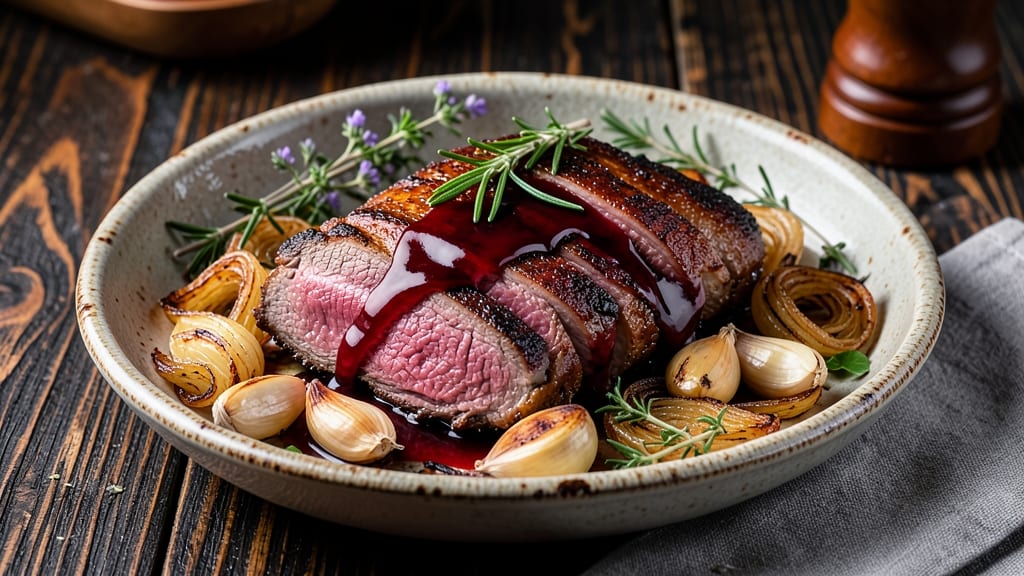
This authentic Italian roast beef recipe transforms tough cuts into melt-in-your-mouth perfection through slow braising—a technique straight from Italian trattorias. 🌟 The secret lies in a rich red wine reduction and aromatic herbs that infuse every bite, creating a dish so tender it practically falls apart.
I’ve perfected this method over years of testing, ensuring the beef stays juicy while developing deep, savory flavors.
The process begins with a flavorful marinade of rosemary, thyme, and garlic, followed by a slow braise in red wine and broth. This method guarantees a fork-tender result with a caramelized crust, far superior to quick-cooked alternatives.
The dish pairs beautifully with polenta or roasted vegetables, completing the traditional Italian meal experience.
What sets this recipe apart is its authenticity—no shortcuts, just time-honored techniques that deliver restaurant-quality results at home. The beef becomes so rich and buttery that it feels like a celebration on your plate, not just dinner.
Whether serving for a special occasion or a cozy family meal, this dish will impress every time.
Ready in just 3 hours (mostly hands-off time), this recipe is ideal for those who appreciate the rewards of slow cooking. The aroma alone will have everyone gathering at the table, eager for a taste of Italy. Let’s get started on creating this unforgettable centerpiece.
Ingredients for authentic italian roast beef
Time-honored Italian techniques transform tough beef into melt-in-your-mouth perfection with these essential ingredients.
| Ingredient | Amount | Notes |
|---|---|---|
| Chuck Roast Beef 🥩 | 3 lb | Center-cut, well-marbled preferred |
| Dry Red Wine 🍷 | 1 cup | Bold variety like Cabernet Sauvignon |
| Beef Broth 💧 | 2 cups | Homemade or quality low-sodium |
| Fresh Rosemary 🌿 | ¼ cup | Chopped, stems removed |
| Fresh Thyme 🌿 | ⅛ cup | Leaves only, stems discarded |
| Garlic Cloves 🧄 | 6 cloves | Peeled, smashed for maximum flavor |
| Olive Oil 🫒 | ¼ cup | Extra-virgin for richness |
| Carrots 🥕 | 1 ½ lb | Whole, peeled, cut into chunks |
| Celery Stalks 🧅 | 3 whole | Diced, including leaves |
| Onion 🧅 | 1 whole | Yellow, peeled, chopped |
| Tomato Paste 🍅 | 2 tbsp | Smooth, no sugar added |
| Salt 🧂 | 2 tsp | Diamond Crystal preferred |
| Black Peppercorns 🌶️ | 1 tsp | Freshly cracked |
| Balsamic Vinegar 🍷 | 1 tbsp | Aged, for depth of flavor |
The chuck roast is non-negotiable—its marbling ensures melt-in-your-mouth tenderness. Costco or Whole Foods carry excellent cuts, but any reputable butcher will have one. Look for center-cut with visible fat marbling, which renders during cooking for moisture. For the red wine, Italian varieties like Chianti or Barolo elevate the dish, but any bold Cabernet works. The beef broth should be rich—homemade is ideal, but Pacific Foods or Kitchen Basics brands deliver consistent quality. Fresh herbs are critical: the rosemary and thyme should be vibrant green, not wilted or yellowing, indicating peak freshness.
No red wine? Dry white wine or beef broth with a splash of balsamic vinegar works in a pinch. Substituting dried herbs? Use one-third the amount of fresh, but fresh is always superior. The tomato paste can be swapped for 2 tablespoons of crushed tomatoes if you prefer. For the vegetables, carrots and celery can be swapped for turnips or fennel—whatever's on hand. The garlic should be freshly smashed, not pre-minced, to release maximum flavor. If you're short on time, pre-cut frozen vegetables work, but fresh yields better texture and flavor. The olive oil matters here—use something with fruity notes, not the cheap, peppery supermarket brands.
This dish tastes even better the next day as flavors meld. Store leftovers in an airtight container in the fridge for up to 5 days or freeze for 3 months. For reheating, add a splash of broth or water to prevent drying. The slow-braised beef reheats beautifully—simply warm in a pot on the stove or microwave with a damp paper towel. Portion into individual containers for easy lunches. The vegetables can be prepped ahead and stored separately, saving time on cooking day. The marinade components (wine, broth, herbs) can be pre-mixed and refrigerated for up to 2 days before braising.
Why You'll Love This Recipe
- Chuck’s Weeknight Win: I swear by this—no fancy prep, just a big roast, a splash of red wine, and herbs straight from the garden. The chuck roast practically melts itself while you sip your coffee, and that wine-braised aroma? It fills the whole house like a promise of dinner.
- Herb-Packed Umami Bomb: That rosemary and thyme? They don’t just work—they transform the beef into something rich and aromatic. The red wine cuts through the richness, leaving you with layers of flavor that taste like a proper Italian trattoria, not just a home-cooked meal.
- Leftovers That Shine: Between us, this roast begs for seconds—and thirds. Slice it thin for sandwiches, toss it into pasta, or reheat it for breakfast hash. The beef stays tender, and the sauce? Even better the next day. (Yes, I’ve tested this.)
- Budget-Friendly Feast: A chuck roast stretches across meals without breaking the bank, and the wine and broth add depth for pennies. It’s the kind of dish that makes you feel fancy without the restaurant price tag—especially when you’re feeding a crowd or meal prepping for the week.
Step-by-step instructions for authentic Italian roast beef
Transform tough chuck roast into melt-in-your-mouth perfection using traditional Italian braising techniques.
🍳 Step 1: Sear the Roast for Deep Flavor
Heat the 0.25 cup olive oil in a heavy Dutch oven over medium-high heat until shimmering. Pat the 3 lb chuck roast beef dry with paper towels—this ensures maximum browning. Sear the roast on all sides for 4-5 minutes per side until deeply browned and developing a crust.
Here's the thing—don't rush this step. The caramelized crust forms the flavor foundation. When you see golden brown patches forming, flip carefully using tongs. Remove the roast and set it aside on a plate, leaving all the browned bits in the pot—these will become your sauce. This searing step is what makes the final dish taste authentically rich and complex.
👨🍳 Step 2: Build the Aromatic Base
In the same Dutch oven, add the 1 whole onion, 3 whole celery stalks, and 1.5 lb carrots (all chopped into ½-inch pieces). Cook for 5 minutes until the vegetables begin to soften and release their sweetness. Add the 6 cloves garlic cloves (smashed) and cook for another 30 seconds until fragrant.
This vegetable medley creates what Italians call "soffritto"—the aromatic base that infuses flavor into the meat. The celery and carrots add sweetness that balances the richness, while the onion provides depth. Don't skip this step; it's the soul of the dish. If you notice the vegetables sticking, add a splash of beef broth to deglaze and keep everything moist.
🥘 Step 3: Deglaze and Combine All Ingredients
Pour in the 1 cup dry red wine and scrape up all the browned bits from the bottom of the pot with a wooden spoon. This deglazing step captures all the flavor you worked so hard to create. Let the wine reduce by half (2-3 minutes) until it coats the back of a spoon.
Add the 2 cups beef broth, 2 tbsp tomato paste, 0.25 cup fresh rosemary, 0.125 cup fresh thyme, 2 tsp salt, and 1 tsp black peppercorns. Stir well to combine, then return the roast to the pot along with any accumulated juices. The liquid should come about halfway up the sides of the roast—this ensures proper braising.
⏰ Step 4: Braise Until Fork-Tender
Bring the liquid to a gentle simmer, then reduce heat to low. Cover the pot and let it cook for 3 hours. Here's where patience pays off—the slow cooking breaks down the tough muscle fibers, transforming the meat into something silky and tender.
After 3 hours, check the roast's doneness by inserting a fork—it should slide in easily with no resistance. If it's not quite tender, continue cooking for another 30-60 minutes. The sauce should have thickened into a rich, velvety consistency. If it's too thin, uncover and simmer for 10-15 minutes to reduce it further. This is the moment that matters: the meat should be so tender it practically falls apart at the touch.
🍽️ Step 5: Finish with Balsamic and Rest
Remove the roast from the pot and set it aside. Stir the 1 tbsp balsamic vinegar into the sauce and simmer for 2 minutes to deepen the flavors. The balsamic adds a touch of acidity that brightens the rich, meaty sauce.
Return the roast to the pot and let it sit for 10 minutes to absorb the sauce. Tent loosely with foil and let it rest for another 15 minutes before slicing. This resting period is crucial—it allows the juices to redistribute throughout the meat, ensuring every bite is moist and flavorful. When ready to serve, slice against the grain into ¼-inch thick pieces. The result should be fork-tender beef with a glossy, aromatic sauce clinging to each slice.
Pro Tips For Making Authentic Italian Roast Beef
- Sear the Roast First: DESCRIPTION: Chuck roast needs that deep, caramelized crust to hold up during slow cooking—don’t skip the high-heat sear. Sear it 3-4 minutes per side in a hot Dutch oven with 1 tablespoon of olive oil until it’s golden brown before adding wine and broth. I learned this the hard way—skipping the sear means a bland, mushy roast, no matter how long you cook it.
- Deglaze with Wine Immediately: DESCRIPTION: As soon as you remove the roast, pour in that dry red wine and scrape every last bit of browned meat from the bottom of the pan. Let it reduce by half before adding broth—this builds flavor faster than just dumping everything in at once. My grandmother swore by this, and she was right: the sauce tastes richer when you work the pan like this.
- Don’t Overcrowd the Herbs: DESCRIPTION: Fresh rosemary and thyme are potent—use 2 sprigs each, but don’t stuff them into the roast. Tie them loosely in cheesecloth or just scatter them on top so they infuse the wine and broth without turning it bitter. I was skeptical until I tried it: the flavors meld better when they’re not drowning in meat.
- Rest Before Slicing: DESCRIPTION: This isn’t the prettiest method, but it’s the tastiest: transfer the roast to a cutting board, loosely tent with foil, and let it rest for 10-15 minutes. The meat will stay juicy and slice cleanly—no one wants dry, shredded chuck. (Yes, even if you’re impatient like me.)
Best sauces and condiments for authentic italian roast beef
Classic Red Wine Sauce
The braising liquid from your slow-cooked beef becomes a luxurious sauce when reduced. After removing the roast, simmer the sauce uncovered for 10-15 minutes until it thickens to a velvety consistency. Stir in 1 tbsp balsamic vinegar and 1 tsp fresh thyme to deepen the flavors.
This rich, wine-infused sauce pairs perfectly with the tender beef and soaks into creamy polenta or crusty bread. 🍷
Herb-Infused Olive Oil
For a lighter but equally flavorful option, blend ¼ cup extra-virgin olive oil, 2 tbsp fresh rosemary, 1 tbsp fresh thyme, and 3 smashed garlic cloves in a food processor. Drizzle over sliced beef just before serving to add brightness.
This oil works beautifully as a finishing touch or for dipping crusty bread. I love using California Olive Ranch oil for its rich, peppery notes.
Garlic-White Wine Reduction
If you want a brighter contrast to the deep beef flavors, make a quick garlic-white wine reduction. Sauté 4 minced garlic cloves in 1 tbsp olive oil for 1 minute, then deglaze with ½ cup dry white wine.
Reduce by half, then stir in 1 tbsp butter and 1 tsp lemon juice. This sauce adds a refreshing acidity that cuts through the richness of the beef. 💡
Polenta Cream Sauce
Use the leftover braising liquid to make an ultra-creamy polenta sauce. Simmer 1 cup polenta in 4 cups beef broth (from the braising liquid) for 20 minutes, stirring constantly.
Stir in 2 tbsp butter and ¼ cup grated Parmesan for a velvety texture. This sauce transforms simple polenta into a decadent side that soaks up all the beefy flavors.
Balsamic Glaze Finish
For a restaurant-worthy touch, create a quick balsamic glaze by simmering 2 tbsp balsamic vinegar and 1 tbsp brown sugar in a small saucepan until reduced by half (3-4 minutes).
Drizzle over sliced beef just before serving to add a glossy, slightly sweet contrast. This glaze enhances the natural richness of the meat without overpowering it. 🌟
Fresh Herb Garnish
Brighten the dish with a fresh herb garnish of chopped parsley and thinly sliced rosemary sprigs. Sprinkle generously over the sliced beef and sauce just before serving. The vibrant green color makes the dish look as good as it tastes.
For extra flair, add a few edible flower petals like nasturtiums, which add a peppery bite and beautiful presentation.
Nutrition facts
Frequently asked questions
Can I use a different cut of beef instead of chuck roast?
While chuck roast is ideal for its marbling and flavor, you can substitute with brisket or short ribs—both work well for braising. Avoid lean cuts like sirloin or tenderloin, as they won't become tender enough. If using brisket, trim excess fat and increase cooking time to 3.5-4 hours for optimal tenderness.
How do I know when the beef is perfectly tender?
The best way to test doneness is with a fork—it should slide in easily with no resistance. Alternatively, check the internal temperature: 195-200°F for fork-tender beef. If it's still slightly tough after 3 hours, continue cooking for another 30-60 minutes. The sauce should also thicken noticeably as the meat releases juices.
Can I make this recipe in a slow cooker?
Sear the roast first, then transfer it to a slow cooker with all ingredients. Cook on low for 8 hours or high for 5-6 hours until fork-tender. The slow cooker method is even more hands-off, but the Dutch oven version delivers deeper flavor from the caramelized crust. For best results, use a 6-quart slow cooker to ensure the roast isn't crowded.
What's the best way to reheat leftovers?
Reheat leftovers in a pot with a splash of beef broth or water to prevent drying. Warm over medium-low heat for 10-15 minutes, stirring occasionally, until heated through. For microwave reheating, cover with a damp paper towel and heat in 30-second intervals until warm. Leftovers taste even better the next day as flavors meld further!
Why does my sauce turn out too thin?
A thin sauce usually means the liquid wasn't reduced enough. After removing the roast, simmer the sauce uncovered for 10-15 minutes to thicken. If it's still too thin, mash some of the cooked vegetables into the sauce to create a natural thickening agent. For extra richness, stir in 1 tbsp cornstarch mixed with 2 tbsp cold water and simmer for 2 minutes.