
Soups & Stews
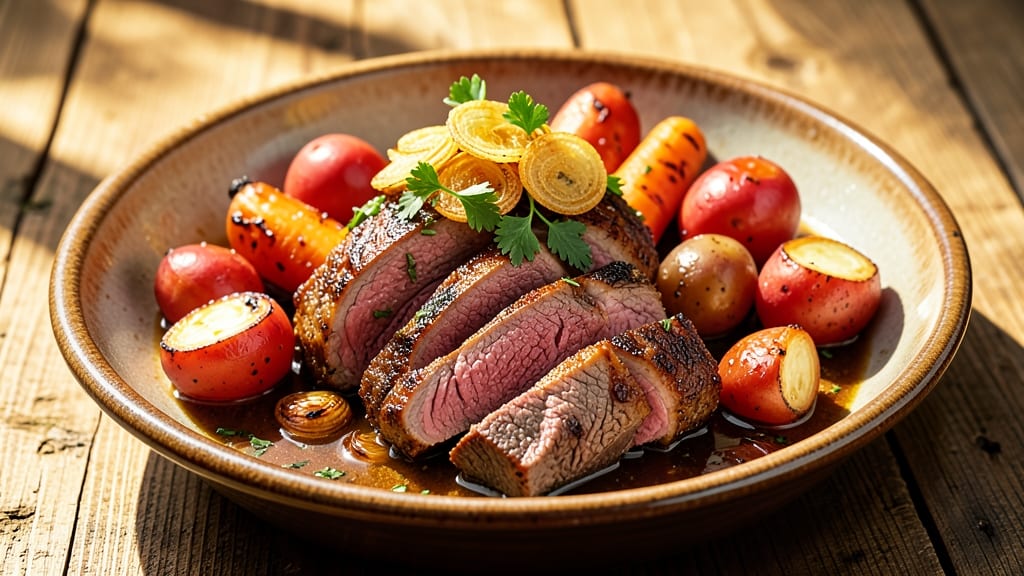
This authentic beef pares recipe brings the rich, comforting flavors of Filipino home cooking to your table. 💛 A hearty beef stew with tender chunks of meat, potatoes, carrots, and sometimes cabbage or green beans, this dish is a staple in Filipino households—perfect for feeding a crowd or savoring a warm, satisfying meal on a chilly evening.
The secret to a truly authentic beef pares lies in the slow simmering process, which transforms tough beef into melt-in-your-mouth tenderness while developing deep, savory flavors from soy sauce, vinegar, and aromatic spices.
Unlike many braised dishes, this recipe relies on simple, wholesome ingredients rather than complex techniques, making it accessible yet deeply flavorful.
What you’ll end up with is a steaming pot of rich, caramelized beef swimming in a velvety sauce, surrounded by perfectly cooked vegetables and potatoes that soak up every bit of flavor.
The aroma alone will have everyone gathering around the table, and the first bite delivers that perfect balance of tangy, savory, and umami-rich goodness.
Serve this comforting stew over steamed white rice, paired with a side of steamed greens or a simple salad to round out the meal. The leftovers reheat beautifully, making it an ideal dish for meal prep or feeding a hungry family. Let’s get cooking!
Ingredients for authentic beef pares
Authentic Filipino beef pares relies on tender chuck roast, aromatic shallots, and bold red wine for depth.
| Ingredient | Amount | Notes |
|---|---|---|
| Chuck Roast 🥩 | 3 lb | Cut into 1.5-inch cubes |
| Yellow Onions 🧅 | 2 whole | Thinly sliced, about 3 cups |
| Shallots 🧅 | 1 cup | Minced, caramelized |
| Garlic Cloves 🧄 | 8 cloves | Minced, peeled |
| Russet Potatoes 🥔 | 2 lb | Cut into 1-inch chunks |
| Carrots 🥕 | 4 whole | Cut into 1-inch pieces |
| Red Bell Pepper 🌶️ | 1 whole | Diced, optional for color |
| Dry Red Wine 🍷 | 1 ½ cups | Bold Cabernet Sauvignon |
| Beef Broth 🥄 | 3 cups | Low-sodium preferred |
| Soy Sauce 🍶 | ½ cup | Kikkoman preferred |
| Cane Vinegar 🍋 | ¼ cup | White vinegar substitute |
| Tomato Paste 🍅 | 2 tbsp | Squeeze tube preferred |
| Bay Leaves 🌿 | 2 whole | Fresh preferred |
| Thyme Sprigs 🌿 | 4 whole | Fresh, stems removed |
| Olive Oil 🫒 | ½ cup | Extra-virgin for richness |
| Salt 🧂 | 1 ½ tsp | Diamond Crystal preferred |
| Black Peppercorns 🌶️ | 1 tsp | Freshly cracked |
| All-Purpose Flour 🌾 | 2 tbsp | For thickening |
The chuck roast is non-negotiable for authentic texture—Costco or Whole Foods carry the best cuts, but any well-marbled roast works. Look for visible fat marbling to ensure tenderness. Shallots elevate this dish; Trader Joe's sells pre-minced ones for convenience, but fresh is superior. For the red wine, bold Cabernet Sauvignon like Apothic or Louis M. Martini delivers rich flavors. The beef broth should be low-sodium to avoid overpowering the dish. Fresh thyme and bay leaves from the grocery store's produce section add complexity—avoid dried if possible.
No red wine? Substitute with beef broth and a splash of balsamic vinegar—it mimics the tang. Short on shallots? Extra onions work in a pinch, though the flavor differs slightly. The tomato paste can be skipped entirely if you prefer a cleaner sauce, but it adds depth. For a vegetarian twist, swap beef with extra-firm tofu or mushrooms. The flour is simply for thickening—arrowroot powder works too if gluten-free is needed. Always taste as you go; adjust salt gradually since the soy sauce and vinegar already contribute.
This braise tastes even better the next day as flavors meld. Store in an airtight container in the fridge for up to 5 days or freeze for 3 months. For meal prep, double the recipe and portion into containers—reheat gently with a splash of broth to restore moisture. The sauce thickens upon cooling, so add extra broth if needed before serving. Leftovers reheat beautifully, making this an ideal make-ahead dish for family gatherings.
Why You'll Love This Recipe
- Foolproof Prep: I swear by this—just sear the chuck roast, toss in onions and shallots, then let the oven do the work. No fancy knife skills needed; even my roommate burned the garlic once and it still turned out fine.
- Deep, Savory Magic: That slow-braised chuck roast with caramelized onions and garlic? It’s the kind of rich, meaty flavor that sticks with you. The potatoes soak up all the juices, making every bite unforgettable.
- Weeknight Workhorse: Between us, this is my go-to for busy nights—feed four or stretch it for six. The leftovers? Even better the next day, especially reheated with a splash of the pan juices.
- Budget-Friendly Feast: Chuck roast and potatoes won’t break the bank, but it feels like a restaurant meal. Here’s what sold me—you get a hearty, satisfying dish that actually tastes expensive without the price tag.
Step-by-step instructions for French market-style beef pares
Master this traditional technique for tender beef and caramelized vegetables bathed in rich red wine sauce.
🍳 Step 1: Sear the Chuck Roast for Deep Flavor
Heat 0.5 cup olive oil in a large Dutch oven over medium-high heat until shimmering. Pat the 3 lb chuck roast dry with paper towels and season generously with 1.5 tsp salt and 1 tsp freshly cracked black peppercorns—this creates the flavor foundation.
Sear the beef in batches for 3-4 minutes per side until deeply browned—this Maillard reaction develops the rich, caramelized crust essential for authentic pares. Work in batches if needed, keeping the seared pieces warm in a clean plate. The meat should be golden brown with visible crust before moving to the next step.
👨🍳 Step 2: Build the Vegetable Base with Caramelized Shallots
In the same Dutch oven, reduce heat to medium and add the 2 whole yellow onions and 1 cup shallots. Cook for 10-12 minutes until the shallots turn golden brown and sweet—this is your signature flavor profile. Stir occasionally to prevent burning while developing that deep caramelization.
Add the 8 cloves minced garlic and cook for 30 seconds until fragrant. Then stir in the 2 tbsp tomato paste and cook for 1 minute to deepen the sauce's richness. This aromatic base forms the soul of authentic beef pares.
🥘 Step 3: Deglaze and Simmer with Red Wine
Pour in the 1.5 cups dry red wine, scraping up all the browned bits from the bottom of the pot with a wooden spoon—this deglazing captures all the concentrated beef flavor. Let it simmer for 5 minutes until reduced by half, until the wine's alcohol burns off and its flavors concentrate.
Add the 3 cups beef broth, 0.5 cup soy sauce, and 0.25 cup cane vinegar. Stir in the 2 whole bay leaves and 4 whole thyme sprigs, then return the seared beef to the pot. Bring to a gentle simmer, then reduce heat to low—this slow cooking transforms tough chuck into meltingly tender beef.
⏰ Step 4: Braise Until Fork-Tender
Cover the Dutch oven and braise for 2.5-3 hours at 300°F until the beef is fork-tender. The meat should pull apart easily with minimal resistance—this is your indicator of perfect doneness. Add the 2 lb russet potatoes, 4 whole carrots, and 1 whole red bell pepper after 1 hour of braising to cook through.
Here's the thing—don't peek or stir during cooking. Each time you open the lid, you lose heat and moisture. The steam and residual heat will finish cooking everything perfectly. The vegetables should be tender but not mushy, and the sauce should coat the back of a spoon.
🍽️ Step 5: Finish with Flour Slurry for Perfect Sauce
Remove the beef and vegetables from the braising liquid and transfer them to a serving platter. Strain the cooking liquid through a fine-mesh sieve into a clean saucepan to remove any impurities.
In a small bowl, whisk together the 2 tbsp all-purpose flour with 2 tablespoons of the braising liquid to create a slurry. Return this to the saucepan and simmer for 3-5 minutes until the sauce thickens slightly. The sauce should coat a spoon but still be silky, not gluey. Taste and adjust seasoning with additional salt if needed.
Pro Tips For Making Authentic Beef Pares
- Sear the Chuck Hard: After browning the roast, don’t rush—let it hit 160°F internally before pulling it from the pan. That deep crust locks in flavor, and I learned this the hard way when my first attempt came out dry. Use a meat thermometer, not guesswork.
- Slice Onions Thinly: Pare those yellow onions paper-thin (⅛-inch or less) and soak them in cold water for 10 minutes first. This keeps them from turning to mush during the long braise—my grandmother swore by it, and she was right.
- Don’t Crowd the Potatoes: When adding the russets, arrange them in a single layer before pouring in the liquid. Stacking them means uneven cooking, and you’ll end up with some mushy, others underdone. Tight quarters = flavor failure.
- Deglaze with Red Wine: After searing the aromatics (shallots, garlic), hit the pan with a splash of red wine right away—don’t let those browned bits sit. Scrape every last drop loose, or you’ll lose half the flavor. (Yes, even if you’re impatient like me.)
Serving suggestions for this authentic beef pares
Classic Filipino Pairings
Serve your beef pares over steamed white rice—this is non-negotiable in Filipino cuisine. The rice acts like a sponge, soaking up the rich, tangy sauce.
I always cook 2 cups jasmine rice per serving to ensure everyone has enough to soak up every last drop of that flavorful liquid. 🍚
For a complete meal, add steamed bok choy or spinach on the side. The mild bitterness of greens balances the richness of the beef perfectly. I like to toss them with a little sesame oil and toasted garlic before serving to keep things light and fresh.
Bread and Dips
Warm Filipino pandesal (a sweet, buttery bread roll) is a must for dipping. Its soft texture contrasts beautifully with the hearty stew. If you can't find pandesal, crusty French baguette works just as well.
I usually slice it into thick pieces and toast it lightly in the oven before serving. 🥖
For extra indulgence, prepare a quick garlic butter dip by mixing 2 tbsp softened butter with 1 minced garlic clove and a pinch of salt. It’s simple but adds a luxurious touch that everyone loves.
Drink Recommendations
A cold San Miguel beer is the traditional choice—its crisp, slightly malty flavor cuts through the richness of the beef pares beautifully. For a non-alcoholic option, calamansi juice (a Filipino citrus fruit) adds a refreshing, tangy contrast.
I make it by mixing ½ cup fresh calamansi juice with 1 cup sparkling water and a touch of honey. 🍹
If you prefer wine, a light Pinot Noir complements the red wine braise without overpowering it. The earthy notes in the wine mirror the thyme and bay leaves in the stew, creating a harmonious pairing that feels intentional.
Leftovers Reinvented
Turn tomorrow’s leftovers into beef pares fried rice—a Filipino comfort food classic. Sauté leftover beef with 2 cups day-old rice, 1 egg, and 1 cup frozen peas, then drizzle with a little soy sauce and calamansi juice.
It’s a quick, satisfying meal that uses up every last bit of your delicious stew. 🍛
For a lighter option, blend the leftover sauce with a little beef broth and serve it as a dipping sauce for spring rolls or egg rolls. The rich, tangy flavors make an amazing appetizer that’s perfect for gatherings.
Nutrition facts
Frequently asked questions
What makes this beef pares recipe authentic?
Authenticity comes from three key elements: chuck roast for tender texture, caramelized shallots for sweet depth, and the perfect balance of soy sauce, vinegar, and red wine for that signature tangy-savory flavor. The slow braising method (2.5-3 hours) is also traditional—it transforms tough beef into melt-in-your-mouth pieces while developing rich, layered flavors.
Can I substitute red wine in this recipe?
Yes! For a non-alcoholic version, use 1.5 cups beef broth plus 1 tbsp balsamic vinegar to mimic the wine's acidity. If you prefer wine, any bold red like Cabernet Sauvignon works best—avoid light whites or rosé, as they won’t provide the same depth of flavor. The wine’s alcohol burns off during cooking, leaving behind concentrated fruitiness.
Why do the vegetables need to be added later?
Adding potatoes, carrots, and bell peppers after 1 hour of braising ensures they cook through without turning mushy. The beef releases its collagen and flavors into the liquid first, creating a richer base for the vegetables to absorb. If you add them too early, they’ll overcook and lose their texture. Think of it like layering flavors—meat first, veggies second!
How do I know when the beef is fully tender?
Use the fork test: The beef should pull apart easily with minimal resistance. If it feels slightly firm, braise for another 30-45 minutes. Overcooking can make it too soft, but 2.5-3 hours at 300°F is the sweet spot for perfectly tender chuck roast. Pro tip: Avoid peeking or stirring—the steam and residual heat will finish cooking everything.
Can I make this recipe in a slow cooker?
Brown the beef first (essential for flavor), then transfer everything to a 6-quart slow cooker. Cook on low for 7-8 hours or high for 4-5 hours. The slow cooker’s gentle heat mimics the oven’s low-and-slow method, keeping the beef tender and the sauce rich. Just skip the flour slurry—slow cookers naturally thicken the sauce over time.