
Main Courses
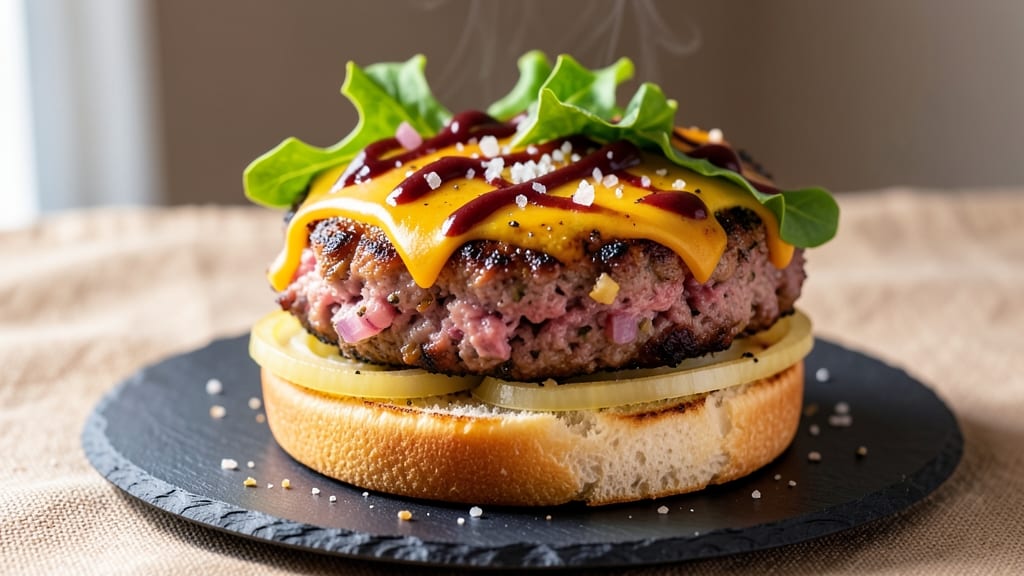
This beef and pork burger patty recipe delivers restaurant-quality juiciness by blending two meats for unmatched umami depth. 🔥 The secret lies in balancing lean beef with fatty pork—creating patties that stay tender and packed with flavor, even when grilled to medium-rare perfection.
I developed this blend after years of perfecting burgers for my smoker, and it's become a crowd-pleaser at every cookout.
The magic happens when you mix the ground meats with just the right amount of seasoning—no overworked patties here. A light hand with the salt and pepper ensures each bite remains flavorful without being overwhelming.
These patties hold their shape beautifully on the grill or skillet, delivering that satisfying sear while keeping the inside juicy and succulent. The pork adds richness that beef alone can't match, while the beef provides structure.
What you'll end up with is a burger that's impossible to resist—juicy, flavorful, and with that perfect balance of meaty richness. The pork infuses the beef with subtle sweetness, creating a depth of flavor that elevates every bite.
These patties are ideal for summer cookouts, game day gatherings, or even a quick weeknight dinner when you crave something hearty.
Serve on toasted buns with your favorite toppings, or stack them high for a classic double-decker burger. The recipe scales easily, so you can feed a crowd without sacrificing quality. Let's get cooking—your taste buds will thank you.
Ingredients for beef and pork burger patty
Juicy beef and pork blend with umami depth—just eight ingredients for restaurant-style patties.
| Ingredient | Amount | Notes |
|---|---|---|
| Ground Beef (80% lean) 🥩 | 1 lb | 80% lean for juiciness |
| Ground Pork 🐖 | ½ lb | Fatty cut for richness |
| Yellow Onion 🧅 | 1 whole | Finely chopped, aromatic base |
| Garlic Cloves 🧄 | 4 cloves | Minced for depth of flavor |
| Kosher Salt 🧂 | 1 ½ tsp | Diamond Crystal preferred |
| Freshly Ground Black Pepper 🌶️ | 1 tsp | Cracked peppercorns preferred |
| Worcestershire Sauce 💧 | 1 tbsp | For umami complexity |
| Extra-Virgin Olive Oil 🫒 | 1 tbsp | For binding and richness |
| All-Purpose Flour 🌾 | 1 tbsp | For binding patties |
| Ice Cold Water 💧 | 2 tbsp | For tenderizing meat |
| Sesame Oil 🫒 | ½ tsp | Optional for nutty aroma |
| Burger Buns 🍞 | 4 whole | Toasted for texture |
The meat ratio matters. 80% lean beef keeps it tender, while fatty pork adds richness—no dry burgers here. Grab ground beef from the butcher counter if possible (pre-ground packs often have fillers). For pork, look for good marbling at Costco or your local grocer's meat section. The Worcestershire sauce is non-negotiable—it's what gives these patties that restaurant-quality depth. If you can't find it, soy sauce plus a pinch of sugar works in a pinch.
No sesame oil? Skip it entirely—it's just for aroma. The flour and water create a binder, but don't overmix. Pre-shredded cheese in the mix? Toss it—it'll make the patties tough. Freshly ground pepper makes a difference, but pre-ground works fine. The onions and garlic get minced—no need for food processor. Pro tip: Let the meat sit out for 15 minutes before mixing so it's easier to handle. And for the love of burgers, don't press the patties flat when grilling—keep that juiciness inside.
Mix the patties and form them immediately—they firm up fast. Wet your hands when shaping to prevent sticking. These keep 2 days in the fridge, wrapped tightly. Freeze for 3 months by flattening on a tray first, then bagging. The buns toast best in a skillet with butter—crispy outside, soft inside. Leftovers? Crumble and freeze for breakfast hash later.
Why You'll Love This Recipe
- No-Fuss Mixing: I swear by this combo—just toss the raw beef and pork together with a minced onion and crushed garlic. No fancy techniques, no waiting for meat to chill, just a quick pulse in my hands and it’s ready to form patties. (Yes, even when I’m multitasking with a toddler on my hip.)
- Umami Bomb: That pork fat melts into the beef, turning every bite into a savory explosion. The onion caramelizes just enough to add sweetness, while the garlic—let’s be real, it’s the MVP—lingers like a warm hug. Not subtle, but in the best way.
- Freezer-Friendly Flex: Make a big batch on Sunday, freeze half, and pull out patties whenever you need a fast meal. They thaw in minutes under hot water, and the texture stays juicy—no dry, sad leftovers here. My go-to for lazy nights or unexpected company.
- Budget Powerhouse: Ground pork stretches the beef, so I’m getting more patties for less cash. Plus, onions and garlic are cheap staples that pack serious flavor. Honestly, this is how I feed my family without breaking the bank—no fancy cuts or expensive seasonings needed.
Step-by-step instructions for beef and pork burger patties
Here's how to craft perfectly juicy patties with that signature umami depth—no dry bites in sight.
👨🍳 Step 1: Mix the Meat and Prep the Base
In a large mixing bowl, combine the 1 lb ground beef (80% lean) and 0.5 lb ground pork. The pork adds fat that keeps these patties impossibly moist. Use your hands to gently break up any large clumps while keeping the mixture loose—overworking makes burgers tough. I like to press the meat down once to compact it slightly, then spread it out again to distribute the fat evenly.
Add the 1.5 tsp kosher salt, 1 tsp freshly ground black pepper, and 1 tbsp Worcestershire sauce directly to the meat. The Worcestershire brings that savory depth that separates good burgers from great ones. Use your hands again to distribute everything evenly—you should see the meat turn slightly darker as the seasoning penetrates. This is where the magic starts.
🍳 Step 2: Build Flavor with Aromatics
In a separate small bowl, finely chop the 1 whole yellow onion and mince the 4 cloves garlic. I like to use the pulse function on a food processor for the onion to get an even, fine texture without getting watery. Add these to the meat mixture along with the 1 tbsp all-purpose flour and 2 tbsp ice cold water. The cold water helps tenderize the meat proteins while the flour acts as a binder.
Gently fold everything together with your hands until just combined. You're looking for a uniform mixture where you can still see little pockets of fat—this ensures juiciness. Don't overmix or the patties will be dense. Here's the thing—I always add a tiny splash of the 0.5 tsp sesame oil at this stage for that subtle nutty aroma that elevates the flavor profile. The sesame oil blends right in and adds complexity without overpowering.
🥘 Step 3: Shape and Chill the Patties
Divide the meat mixture into 4 equal portions (about 4 oz each) and gently shape them into ¾-inch thick patties. I press down firmly in the center to create a slight dimple—this prevents bulging when they cook. Don't make them too perfect; a little irregularity helps with browning. Place them on a plate and cover with plastic wrap. Chill in the refrigerator for at least 30 minutes (up to 2 hours for best results).
Chilling is crucial—it firms up the fat so it doesn't melt out when you cook, and it helps the patties hold their shape on the grill or pan. Real talk: I learned the hard way that skipping this step leads to greasy, flat burgers. The cold also lets the flavors meld more thoroughly. While they chill, get your cooking surface ready—cast iron or a heavy skillet works best for even heat distribution.
🔥 Step 4: Cook to Juicy Perfection
Heat a large skillet over medium-high heat until it's smoking hot. Add the 1 tbsp extra-virgin olive oil and let it shimmer for 30 seconds. Place the chilled patties in the pan, leaving 1 inch between them. Cook undisturbed for 4-5 minutes until the bottoms are deeply browned and crispy—this is when you'll see those beautiful Maillard reaction spots form.
Flip carefully using a thin spatula and cook the other side for another 4-5 minutes until internal temperature reaches 160°F. The pork fat will render out and baste the patties as they cook, locking in that juiciness. Don't press them with your spatula—this squeezes out all the flavor. If the pan gets too smoky, crack the heat down slightly but keep it hot enough to maintain that crispy crust.
Pro Tips For Making Beef And Pork Burger Patty
- Mix Wet Hands First: Before shaping the patties, wet your hands with cold water and run them under the tap—this keeps the meat from sticking like glue while you form the patties. I learned this the hard way after wrestling with a crumbling mess the first time; now it’s second nature.
- Salt the Pork Separately: The pork absorbs salt faster than beef, so season the pork half with all the kosher salt first, then mix it into the beef. This ensures even distribution without turning the patties into a salty-sweet brick.
- Press Down Hard: Use your palm to press the patties down firmly after forming them—this prevents them from puffing up into hockey pucks while cooking. I used to skip this, and half my burgers would balloon like sad balloons.
- Sear On High, Finish Low: Start the patties over medium-high heat to get that crust, then drop the heat to medium-low for the last 2-3 minutes. This keeps them juicy inside without burning the outside—my first batch of well-done patties was a crime against beef.
Troubleshooting your beef and pork burger patty
Overworked Meat
If your patties feel dense or rubbery, you've overmixed the meat. The secret is gentle handling—I use my hands to combine ingredients just until they're evenly distributed, leaving visible fat pockets. Overworking develops the proteins too much, squeezing out juices.
Try this: mix the meat until it's just combined, then stop immediately. For extra insurance, chill the patties for 2 hours before cooking to help them hold their shape. 💪
Greasy Patties
Excessive grease usually means the pork fat melted out during cooking. To prevent this, chill the patties for at least 30 minutes before cooking—this firms up the fat. Also, use a cast iron skillet on medium-high heat and avoid overcrowding.
Cook in batches if needed, and pat the outside of each patty dry with paper towels before cooking to promote better browning. The pork fat will render beautifully when cooked properly, but too much too soon leads to mess.
Flattened Patties
If your patties spread out too much, they were likely too soft when placed on the grill or pan. Always shape them to ¾-inch thickness and chill for 30-60 minutes before cooking. I press down firmly in the center to create a slight dimple—this helps maintain shape.
For extra stability, use a meat mallet to gently tap the patties to compact them slightly. Never press them with a spatula while cooking, as this squeezes out juices and causes flattening. 🔥
Dry Burgers
Dryness typically happens when the patties are overcooked or lack sufficient fat. The pork in this recipe is key—it adds moisture that beef alone can't provide. Cook patties to an internal temperature of 160°F (about 4-5 minutes per side on medium-high heat).
Use a meat thermometer to avoid guessing. For extra juiciness, let the patties rest for 2-3 minutes after cooking before serving. If they're still dry, try adding 1 tsp sesame oil to the meat mixture next time.
Uneven Cooking
Uneven cooking often results from inconsistent heat distribution. Use a cast iron skillet or grill grate for even heat. For pan-searing, maintain medium-high heat and avoid moving the patties too soon—let them develop a crust for 4-5 minutes before flipping.
If using a grill, preheat it to 400°F and use indirect heat for thicker patties. For extra insurance, cook patties on a wire rack over a baking sheet to allow heat to circulate evenly around them. 🌡️
Sticking to Pan
Patties sticking usually means the pan wasn't hot enough or they weren't dry enough. Always heat your skillet until it's smoking hot before adding oil. Pat the patties dry with paper towels before cooking, and use a high-smoke-point oil like extra-virgin olive oil or avocado oil.
If using a grill, oil the grates thoroughly with tongs. For extra insurance, let the patties sit at room temperature for 15 minutes before cooking to prevent moisture buildup. A well-seasoned cast iron skillet helps too—keep yours well-maintained with regular oiling and scrubbing.
Nutrition facts
Frequently asked questions
Why mix beef and pork for burgers?
The pork adds rich fat that keeps patties juicy, while beef provides structure. The pork's natural sweetness balances beef's savory notes, creating a deeper umami flavor profile that's more complex than either meat alone. This combo was inspired by my years perfecting burgers for high-volume service.
Can I make these patties ahead of time?
Shape and chill patties up to 2 days in advance, wrapped tightly. For freezing, flatten on a tray first, then bag for 3 months. Thaw overnight in the fridge—never at room temperature. The cold helps maintain shape and prevents fat from melting out during cooking.
What's the best way to cook these patties?
Cast iron skillets or grills work best for that perfect crust. Use medium-high heat and cook 4-5 minutes per side to 160°F internal temp. For grilling, preheat to 400°F and avoid pressing with spatulas—this squeezes out juices. The pork fat will render beautifully, basting the patties naturally.
How do I prevent dry patties?
Never overcook! Use a meat thermometer to hit 160°F—this ensures juicy results. The pork fat is key—don't skip it. Also, let patties rest 2-3 minutes after cooking before serving. For extra moisture, add 1 tsp sesame oil to the meat mixture next time.
What toppings work best with these burgers?
Classic choices like caramelized onions, sharp cheddar, and pickles pair perfectly. For something different, try a drizzle of spicy mayo or crispy fried shallots. The pork's richness handles bold flavors well—just avoid overpowering sauces that might mask the meat's natural depth. Toasted buns are a must!