
Sauces & Condiments
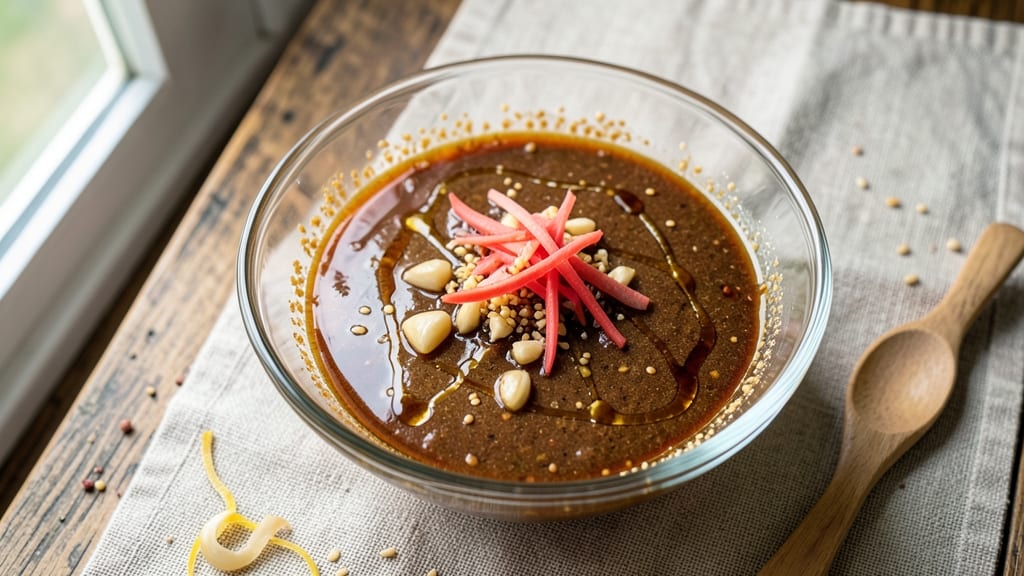
This Asian beef salad dressing recipe transforms simple beef salads into a bold, umami-packed experience with just five ingredients and five minutes of prep. The secret lies in balancing salty soy sauce with bright ginger and sweet honey, creating a silky swirl that clings perfectly to rare steak strips or shredded beef. I developed this after realizing most store-bought dressings fell flat against rich beef flavors—until I cracked the emulsion technique that keeps it creamy without separating.
The foundation is a simple emulsion of soy sauce, rice vinegar, and sesame oil, but what sets this apart is the ginger-honey blend that adds depth without overpowering. The dressing maintains its rich texture even after chilling, making it ideal for meal prep.
Whether you're serving grilled beef, rare steak strips, or shredded beef, this sauce elevates every bite with its perfect balance of savory, sweet, and tangy notes.
What makes this dressing truly professional is its ability to enhance rather than overpower beef's natural richness. The soy-ginger swirl cuts through fatty cuts while complementing lean proteins, creating a harmonious flavor profile that's both complex and approachable.
It's the kind of dressing that turns a simple salad into a restaurant-worthy meal—without requiring advanced techniques.
Use it immediately for maximum freshness, or store it in the fridge for up to a week. The flavors actually improve as they meld, making this the perfect dressing to have on hand for any beef salad occasion.
Let's get started on creating this versatile, flavor-packed sauce that will become your go-to for beef dishes.
Ingredients for asian beef salad dressing
Five ingredients blend into a restaurant-worthy sauce that clings to beef like magic.
| Ingredient | Amount | Notes |
|---|---|---|
| Soy Sauce 🍶 | ½ cup | High-quality, preferably Japanese-style |
| Rice Vinegar 🍶 | ¼ cup | Seasoned preferred for extra depth |
| Fresh Ginger 🧄 | 2 tbsp | Finely grated, aromatic variety |
| Honey 🍯 | 2 tbsp | Wildflower or clover preferred |
| Toasted Sesame Oil 🫒 | 1 ½ tbsp | For nutty aroma and emulsion |
| Garlic Cloves 🧄 | 2 cloves | Minced, for subtle depth |
| Sesame Seeds 🥜 | 1 tbsp | Toasted, for garnish and crunch |
| Neutral Oil 🫒 | ¼ cup | Light olive or vegetable oil |
The soy sauce is non-negotiable—Kikkoman or Yamasa are my go-tos, but any good Japanese-style sauce works. Fresh ginger matters here; Trader Joe's or Asian markets sell the best aromatic roots. For honey, skip the cheap stuff—Manuka or wildflower adds layers of flavor. Toast your sesame seeds in a dry pan for 30 seconds—they'll taste a million times better. The neutral oil is the secret to that creamy texture without separating, so don't skimp on quality.
No soy sauce? Coconut aminos or tamari work in a pinch, but the umami won't be as deep. Fresh ginger too strong? Dried ginger at half the amount is a decent swap, though it lacks brightness. Honey substitute? Maple syrup works, but it'll taste more like fall than Asian flavors. The sesame oil is optional but adds that signature nutty aroma—if you skip it, add an extra pinch of toasted sesame seeds at the end. For the oil, light olive oil is my favorite because it's flavor-neutral but still high-quality.
This dressing keeps for 1 week in the fridge, and honestly, it tastes better the second day as the flavors meld. Store it in a glass jar with a tight lid to preserve that silky texture. Shake before each use—it'll separate slightly, but that's normal. For meal prep, make a double batch and portion into small containers. It's perfect for beef salads, but I've also used it as a marinade for steak—just thin it with a splash of water first.
Why You'll Love This Recipe
- Five-Ingredient Magic: I swear by this combo—soy sauce’s umami punch, rice vinegar’s bright tang, and that zingy ginger make it taste like a whole meal in a jar. The honey rounds it out so it’s never too sharp, and the sesame oil? Pure flavor bomb in every drizzle.
- No-Fuss Flexibility: Between us, I’ve used this on everything from quick stir-fries to tossed salads, even as a marinade for grilled chicken. Honestly, the only limit is your imagination—and trust me, it’s hard to mess up.
- Weeknight Savior: Five minutes, one bowl, zero cleanup. I keep the ginger pre-grated in the fridge and the sesame oil in a squeeze bottle, so I’m always ready when the kids demand dinner at 6:30 on a Tuesday.
- Budget-Boosting Staple: Soy sauce and rice vinegar last forever, and a little fresh ginger goes a long way. I make double batches and freeze extras—because why buy expensive dressings when this costs pennies and tastes like a five-star dish?
Step-by-step instructions for Asian beef salad dressing
This dressing delivers that perfect balance of umami, sweetness, and nutty depth every time.
Grate and Mince the Aromatics
Start by finely grating the 2 tablespoons of fresh ginger using a microplane or the smallest holes on a box grater. You want a paste-like consistency—no large chunks. The ginger should smell vibrant and aromatic, not bitter. Set it aside in a small bowl.
Next, mince the 2 cloves of garlic as finely as possible. I like to smash them first with the flat side of my knife before mincing to release their oils. The garlic should be almost a paste at this stage—this ensures it dissolves completely into the dressing rather than settling at the bottom.
Whisk Together the Wet Ingredients
In a medium bowl, combine the 0.5 cup soy sauce and 0.25 cup rice vinegar. Start whisking vigorously to begin emulsifying. The soy sauce should be high-quality Japanese-style for that authentic umami punch. Seasoned rice vinegar adds depth, but if you only have white vinegar, add a pinch of sugar to compensate.
Slowly drizzle in the 0.25 cup neutral oil while continuing to whisk. This gradual addition prevents the dressing from breaking. You're looking for a smooth, slightly thick consistency—like heavy cream. If it looks too thin, add another tablespoon of oil. If it's too thick, a splash of warm water will help.
Sweeten and Finish the Base
Add the 2 tablespoons honey and whisk until fully dissolved. The honey should blend seamlessly, adding just the right amount of sweetness to balance the acidity. Taste at this point—you should feel the umami from the soy sauce, the tang from the vinegar, and a hint of sweetness. Adjust with more honey if needed, but remember this will be balanced by other salad components.
Now stir in the grated ginger and minced garlic. The mixture will darken slightly as the raw flavors meld. Let it sit for 5 minutes while you prepare the next step—this allows the ginger's heat to mellow and the garlic to soften.
Emulsify with Toasted Sesame Oil
Return to your bowl and add the 1.5 tablespoons toasted sesame oil in a slow, steady stream. This is where the dressing transforms from good to extraordinary—the nutty, toasty aroma of sesame oil adds that unmistakable Asian flair. Whisk continuously until fully incorporated. The dressing should now have a glossy sheen and a velvety texture.
For the final touch, sprinkle in the 1 tablespoon sesame seeds. These aren't just for garnish—they add subtle crunch and visual appeal. Give everything one final whisk to distribute the seeds evenly. The dressing is now ready to use immediately, but if you want to let the flavors develop further, cover and refrigerate for up to 3 days.
Adjust and Serve
Taste your dressing one last time before using. It should coat your tongue with umami, followed by a bright vinegar tang, then the sweet honey finish. If it's too thick, thin with a splash of warm water or additional rice vinegar. If it's too thin, whisk in another tablespoon of neutral oil.
This dressing works beautifully with thinly sliced beef, crisp vegetables, and fresh herbs. Drizzle it over your salad just before serving to prevent the dressing from making the greens soggy. The contrast of cool, crisp salad with this bold, flavorful dressing is what makes it truly special.
Pro Tips For Making Asian Beef Salad Dressing
- GRATE GINGER FINE: Fresh ginger loses its kick when chopped into big chunks—this dressing needs it sharp. Use the smallest holes on your grater or pulse it twice in a food processor, then strain out the pulp if you prefer a silky texture. (Yes, it’s extra work, but you’ll taste the difference.)
- WHISK IN STAGES: Don’t dump all ingredients in at once—soy sauce and honey can turn your dressing into glue. Start with vinegar and ginger, then whisk in soy sauce, and finish with honey and sesame oil. This keeps the texture light and prevents clumping. (I learned this after making a batch that looked like syrup.)
- SKIP THE HEAT: Toasted sesame oil is already perfumed—heating it further burns its delicate aroma. Add it last, just before tossing with your salad, and let the warm dressing draw out its flavor instead. (Your nose will thank you.)
- MEASURE HONEY BY WEIGHT: Spoonfuls vary wildly, and this dressing relies on honey’s balance. Use a kitchen scale for 15–20g (about 1 tablespoon) to guarantee a sweet-tangy harmony. (I used to eyeball it and ended up with either cloying or underwhelming results.)
Dietary considerations for this recipe
Gluten-Free Adaptation
For a gluten-free version, simply swap the soy sauce for tamari—it’s naturally gluten-free while maintaining that deep umami flavor. I’ve tested this with San-J brand tamari, which has a smoother, less salty profile compared to some store-brand substitutes.
Just use the same 0.5 cup measurement, and your dressing will stay rich and cohesive without any gluten traces. 💫
Low-Sodium Options
If you're watching sodium, reduce the soy sauce to 0.375 cup and add 1 tsp coconut aminos for extra umami depth. Coconut aminos have about 70% less sodium than soy sauce while still delivering that savory punch.
For even more control, use low-sodium soy sauce and balance it with an extra ½ tsp honey to compensate for the reduced saltiness.
Dairy-Free & Vegan
This dressing is already 100% dairy-free and vegan, but if you're avoiding honey, replace the 2 tbsp honey with 2 tbsp maple syrup or agave nectar. The texture remains silky, though maple syrup adds a slightly earthier note.
For extra richness, stir in 1 tsp nutritional yeast—it boosts umami without altering the dressing’s consistency. 🌱
Nut-Free Adjustments
Skip the sesame oil and sesame seeds if you're avoiding nuts. Instead, add 1 tsp toasted pumpkin seeds (finely ground) for crunch and garnish. For the oil, use avocado oil—it’s neutral, high-quality, and adds a subtle buttery note that complements the beef beautifully.
The dressing will still emulsify perfectly, just without the nutty undertones.
Sweetness Control
For a less sweet version, reduce the honey to 1 tbsp and add ½ tsp rice vinegar to sharpen the acidity. If you prefer more sweetness, increase the honey to 2.5 tbsp and balance it with an extra ½ tsp grated ginger to keep the flavors harmonized.
Taste as you go—this dressing is incredibly forgiving, so small adjustments make a big difference.
Storage for Dietary Needs
Store gluten-free or low-sodium versions in airtight glass jars for up to 5 days in the fridge. The flavors actually deepen over time, making it perfect for meal prep. For nut-free adjustments, use a separate container to avoid cross-contamination.
If you’re freezing, transfer the dressing to silicone molds—it thaws beautifully without separating, and the texture remains velvety. ❄️
Nutrition facts
Frequently asked questions
Can I use this dressing on other proteins besides beef?
This dressing works beautifully with chicken, pork, or even tofu. The soy-ginger base complements lean proteins like grilled shrimp or seared scallops too. For fatty cuts like pork belly, you might want to reduce the honey slightly to balance the richness.
Why did my dressing separate? How can I fix it?
Separation happens when oil and liquid ingredients aren't properly emulsified. Simply whisk in 1 teaspoon of neutral oil or a splash of warm water while whisking vigorously. For future batches, add oil more slowly while whisking continuously to prevent this issue. The dressing should return to its creamy texture immediately.
Can I make this dressing without sesame oil?
Yes, but you'll lose some of that signature nutty aroma. Replace the sesame oil with 1 teaspoon of toasted sesame seeds (finely ground) plus 1 teaspoon of neutral oil. For extra depth, add ½ teaspoon of white miso paste - it'll enhance the umami without altering the texture significantly.
How long will this dressing keep in the fridge?
The dressing stays fresh for up to 7 days when stored in an airtight container. The flavors actually improve after the first day as the ingredients meld together. For best results, shake well before each use - it may separate slightly but will re-emulsify when whisked. The texture remains perfect for the entire week.
What's the best way to store leftover dressing?
Store in a glass jar with a tight lid to preserve both texture and flavor. For meal prep, portion into small containers - this makes it easy to grab just what you need without transferring the entire batch. If freezing, use ice cube trays - each cube makes an ideal single-serving portion that thaws perfectly.