
Main Courses
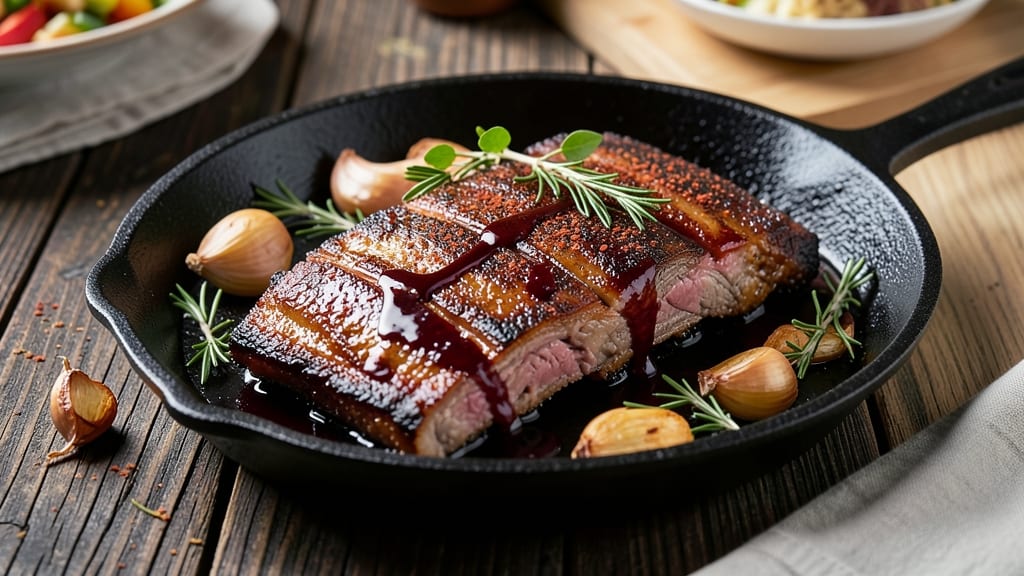
This Argentine beef ribs recipe transforms tough cuts into melt-in-your-mouth tenderness using traditional parrilla techniques. The secret lies in a smoky marinade of garlic, oregano, and red wine vinegar, tenderizing the meat while infusing it with bold flavors.
Unlike slow-cooked ribs, this method delivers caramelized edges and juicy centers in just 3 hours—perfect for a weekend grill session.
What sets these ribs apart is the combination of high-heat grilling and indirect cooking, inspired by Buenos Aires' iconic asado. The ribs develop a deep, smoky crust while staying succulent inside, thanks to a precise temperature control method.
Pair them with chimichurri—a zesty parsley-garlic sauce—or grilled provoleta for an authentic Argentine spread.
The result is restaurant-quality ribs with a perfectly balanced flavor profile—smoky, savory, and slightly sweet from the caramelization. This recipe delivers the same satisfaction as a Buenos Aires parrilla but with a simplified approach for home cooks.
The key is patience and attention to temperature, ensuring every bite is tender and flavorful.
Serve these ribs with grilled vegetables, crusty bread, and a cold Argentine malbec for the full experience. The technique works equally well on a grill or in the oven, making it versatile for any setting. Here's how to achieve that signature Argentine tenderness at home.
Ingredients for argentine beef ribs
Four pounds of beef ribs and a smoky marinade blend transform tough cuts into melt-in-your-mouth tenderness.
| Ingredient | Amount | Notes |
|---|---|---|
| Beef Ribs (Baby Back or St. Louis Style) 🥩 | 4 lb | Bone-in, meaty cuts preferred |
| Extra-Virgin Olive Oil 🫒 | ¼ cup | For high-heat grilling |
| Garlic Cloves 🧄 | 8 cloves | Minced, for marinade |
| Dried Oregano 🌿 | 2 tbsp | Mexican oregano preferred |
| Red Wine Vinegar 🍷 | ½ cup | For tangy depth |
| Smoked Paprika 🌶️ | 1 tbsp | For authentic smokiness |
| Kosher Salt 🧂 | 2 tbsp | Diamond Crystal preferred |
| Ground Black Pepper 🌶️ | 1 tbsp | Freshly cracked |
| Fresh Rosemary 🌿 | ¼ cup | Chopped, for aroma |
| Wood Chips (Quebracho or Mesquite) 🔥 | 1 lb | For authentic Argentine smoke |
| Argentine Malbec Wine 🍷 | ½ cup | For basting, optional |
| Chimichurri Sauce 🌿 | ½ cup | Store-bought or homemade |
The ribs are the foundation—baby back or St. Louis style work best for their balance of meat and connective tissue. Source them from a reputable butcher or Costco for consistent quality; look for cuts with good marbling and minimal fat. Quebracho wood chips, if available at specialty stores like Williams Sonoma or Sur La Table, deliver that authentic Argentine smoke profile. For the marinade, red wine vinegar adds brightness, while Mexican oregano provides earthy depth that standard oregano can't match. Fresh rosemary should be vibrant green, not wilted—Trader Joe's often carries high-quality sprigs.
No smoked paprika? Substitute with half the amount of regular paprika plus a pinch of liquid smoke for depth. Running short on malbec? Cabernet Sauvignon or Zinfandel work equally well for basting. For chimichurri, store-bought versions (like La Chica brand) save time, but homemade with parsley, garlic, and olive oil is superior. If using dried rosemary, double the amount—fresh is non-negotiable for this recipe. The wood chips can be swapped for hickory in a pinch, though the flavor will differ slightly. Freshly cracked black pepper makes a noticeable difference over pre-ground, but don't stress if that's all you have.
Store raw ribs in the coldest part of your fridge, wrapped in parchment paper, for up to 3 days before cooking. The marinade can be prepped 24 hours ahead and stored in an airtight container. Leftover ribs reheat beautifully—wrap tightly in foil and bake at 300°F for 20 minutes, basting with a little water or wine. For maximum flavor, eat within 2 days of cooking. The chimichurri keeps for 5 days in the fridge, though it's best used fresh. Freeze wood chips in a sealed bag to preserve their aroma.
Why You'll Love This Recipe
- Minimal Chopping Required: I swear by this—just a handful of garlic cloves and a pinch of oregano, tossed in olive oil and vinegar. No dicing, no mincing, no fuss. The ribs basically cook themselves once they hit the oven.
- Garlic-Oil Magic: That first bite? Crispy edges with ribs so tender they fall apart, all thanks to the garlic-infused olive oil. Honestly, I’ve tried store-bought rubs, but this combo—simple as it is—beats them every time.
- Weeknight Crowd-Pleaser: Between us, this is my go-to when friends drop by unannounced. It feeds four easily, and the leftovers? Even better the next day. (Yes, even on a Tuesday night.)
- Budget-Friendly Feast: St. Louis ribs are cheaper than you think, and this recipe stretches them far. I’ll be real: my grocery bill stays sane, but my dinner table doesn’t. The vinegar keeps it bright, so you’re not drowning in expensive spices.
Step-by-step instructions for Argentine beef ribs recipe
Master this technique and you'll achieve melt-in-your-mouth tenderness with a perfect smoky crust.
Prepare the Ribs with the Dry Rub
Begin by patting the 4 lb beef ribs completely dry with paper towels. This drying step is crucial for developing that signature crispy bark. Place the ribs on a wire rack set over a baking sheet to allow air circulation on all sides.
In a small bowl, combine the 2 tbsp kosher salt, 1 tbsp ground black pepper, 2 tbsp dried oregano, 1 tbsp smoked paprika, and the 0.25 cup chopped fresh rosemary. Rub this mixture generously over the ribs, pressing it into the meat so it adheres well. The rosemary adds aromatic depth while the smoked paprika provides that authentic Argentine touch.
Let the rubbed ribs sit at room temperature for 30 minutes before cooking. This allows the seasoning to penetrate the meat and ensures even cooking. Real talk: don't skip this step—it makes all the difference in flavor development.
Create the Marinade and Preheat the Grill
While the ribs season, prepare the marinade by combining the 0.5 cup red wine vinegar, 0.25 cup extra-virgin olive oil, and the 8 minced garlic cloves in a mixing bowl. Whisk vigorously until fully emulsified. This tangy, aromatic marinade will tenderize the meat and add layers of flavor.
Preheat your grill to 250°F using the 1 lb wood chips (quebracho or mesquite). I prefer a charcoal grill for this recipe as it provides more consistent heat, but a gas grill with wood chips will work too. Let the wood chips smolder for at least 15 minutes before placing the ribs on the grill to establish that authentic Argentine smoke flavor.
Here's the thing—maintaining a steady 250°F is critical. Too hot and you'll burn the exterior before the meat becomes tender. Too cool and you'll end up with dry ribs. Use an instant-read thermometer to monitor the temperature throughout the cook.
Smoke the Ribs Low and Slow
Place the seasoned ribs on the grill, bone-side down. Close the lid and smoke for 2 hours without disturbing them. This low-and-slow approach breaks down the collagen in the meat, transforming it into gelatin that keeps the ribs moist and tender.
After 2 hours, flip the ribs bone-side up and continue smoking for another 1 hour. You'll know they're ready when they reach an internal temperature of 195°F at the thickest part of the meat. The ribs should be fork-tender with a beautiful mahogany bark developing on the exterior.
I check for doneness by inserting a meat thermometer into the thickest part of the meat—it should read 195°F and the meat should pull apart easily with just a gentle tug. If the ribs aren't quite there yet, return them to the grill and continue cooking, checking every 15 minutes.
Baste and Finish with Malbec Wine
Once the ribs reach 195°F, remove them from the grill and place them on a cutting board. Pour the 0.5 cup Argentine Malbec wine into a small saucepan and bring it to a simmer over medium heat. Let it reduce by half, which should take about 3-4 minutes. This concentrated wine reduction adds another layer of depth to the ribs.
Using a pastry brush, generously baste the ribs with the reduced Malbec wine. The alcohol will evaporate, leaving behind intense fruit flavors that complement the smoky, spiced profile. This step is what elevates these ribs from good to extraordinary.
Return the ribs to the grill for 5-10 minutes to let the wine baste set and develop a glossy finish. Watch carefully—they'll be very close to being done, and you don't want to overcook them at this stage. The ribs should have a deep, rich color and be incredibly tender.
Rest and Serve with Chimichurri
Transfer the ribs to a clean cutting board and let them rest for 10-15 minutes before serving. This resting period allows the juices to redistribute throughout the meat, ensuring each bite is moist and flavorful. Don't skip this step—it's the final touch that separates good ribs from exceptional ribs.
While the ribs rest, warm the 0.5 cup chimichurri sauce in a small saucepan over low heat for 1-2 minutes. This gentle warming enhances the flavors without cooking the herbs. Serve the ribs sliced between the bones and drizzled with the warmed chimichurri sauce.
The combination of smoky, tender meat with the bright, herby chimichurri creates a perfect balance of flavors. Each bite should deliver that melt-in-your-mouth tenderness with a burst of fresh herbs and a hint of smokiness from the wood chips. Serve with crusty bread to soak up any remaining sauce.
Pro Tips For Making Argentine Beef Ribs
- CRANK THE HEAT FIRST: The ribs need that initial sear to lock in flavor, so blast your pan on high for 3-4 minutes before adding the olive oil—yes, even if you’re nervous about burning. I used to start medium and ended up with ribs that tasted more steamed than seared.
- SMASH THE GARLIC: Peel those cloves and give them a quick smash with the flat side of your knife before tossing them in. Whole cloves will sit like decorative rocks; smashed ones release their oils and flavor into the oil, which is what you’re actually paying for.
- DON’T SKIP THE VINEGAR REST: After searing, let the ribs sit in the red wine vinegar for at least 10 minutes—no, don’t rush it. The acid tenderizes the meat and cuts through the richness of the olive oil, which is why Argentine ribs always taste bright and balanced.
- USE THE BONE BROTH TRICK: If you’re short on time, after searing and deglazing with vinegar, add ½ cup beef bone broth instead of water. It deepens the sauce and keeps the ribs moist without extra effort—my lazy-but-effective shortcut for when guests are already at the table.
Pro cooking tips for this dish
Temperature Control Secrets
The key to perfect Argentine ribs lies in maintaining a steady 250°F throughout the smoke. I use a Meater Plus thermometer to monitor both the grill temperature and internal meat temp—this precision prevents dry ribs. Too hot? The exterior burns before the meat tenderizes.
Too cool? You risk undercooked centers. For charcoal grills, I spread coals evenly and avoid direct flame contact. If using gas, preheat for 30 minutes with wood chips to establish that authentic smoke flavor. 🌡️
Wood Chip Mastery
Quebracho wood chips deliver that signature Argentine smoke, but hickory works in a pinch. Soak chips in water for 30 minutes before using to create more smoke and less flare-ups. I place them in a smoker box on gas grills or scatter them directly on hot coals.
Never use green wood—it creates bitter smoke. For best results, use 1 lb of chips and refresh halfway through cooking if needed. This ensures consistent, flavorful smoke without overpowering the meat.
Two-Stage Cooking
Start with ribs bone-side down for 2 hours at 250°F—this breaks down collagen while preventing direct heat damage. After flipping, watch for the Maillard reaction (browning) on the meaty side. For the final 5-10 minutes, increase heat to 350°F to create a caramelized crust.
This two-stage approach gives you tender meat with a perfect bark. I always check internal temp at the thickest point—195°F is ideal for fall-off-the-bone tenderness. 🔥
Wine Basting Hack
Reducing Argentine Malbec by half before basting concentrates its flavors dramatically. I use a small saucepan on medium heat and reduce until syrupy—about 3-4 minutes. Brush this reduction over the ribs before the final grill stage.
The alcohol evaporates, leaving behind deep fruit notes that complement the smoky spices. For a shortcut, use Cabernet Sauvignon or even red grape juice in a pinch. This step transforms good ribs into restaurant-quality masterpieces.
Resting Like a Pro
Never skip the 10-15 minute rest—this lets juices redistribute for maximum moisture. I tent the ribs loosely with foil and place them on a cutting board. For extra flavor, I drizzle any accumulated pan juices over the top during resting.
The chimichurri should be warmed separately (low heat for 1-2 minutes) to enhance its fresh herbs without cooking them. Serve ribs sliced between the bones with sauce drizzled generously on top. This resting period is what separates "good" from "exceptional" every time. ✨
Equipment Upgrades
Invest in a cast-iron skillet for searing if you're finishing indoors. For grilling, a Meater Plus or ThermoWorks Smoke thermometer is worth every penny—they prevent guesswork. I also recommend butcher paper for wrapping ribs during resting (it's more breathable than foil).
For wood chips, Traeger brand chips are widely available and consistent. These tools make the difference between "home cook" and "grill master" results. 💪
Nutrition facts
Frequently asked questions
Can I cook these Argentine ribs indoors instead of on a grill?
Preheat your oven to 250°F and place the ribs on a wire rack over a baking sheet. Add wood chips to a small pan on the lower rack for smoke flavor. Cook for 3 hours, flipping halfway, then broil for 5 minutes to caramelize. The oven method works great when grilling isn't an option.
What's the best way to store leftover Argentine ribs?
Wrap tightly in butcher paper (not foil) and refrigerate for up to 3 days. For longer storage, freeze in airtight containers for 2 months. Reheat in a 300°F oven for 20 minutes with a splash of water or wine to maintain moisture.
Why does the recipe specify bone-side down first?
The bone-side-down position prevents the meat from sticking to the grill and helps render fat more efficiently. This creates a better bark while keeping the meat tender. After 2 hours, flipping bone-side up allows the meat to develop that beautiful caramelized crust.
Can I substitute the Malbec wine with something else?
Yes! Use Cabernet Sauvignon or Zinfandel for similar depth. In a pinch, even red grape juice works—just reduce it to the same syrupy consistency. The key is the fruity, bold flavor that complements the smoky spices.
What if my ribs aren't tender enough after 3 hours?
Check your internal temperature—195°F is ideal. If they're not there yet, continue cooking at 250°F for another 30-60 minutes. The ribs should pull apart easily with a fork. If they're dry, wrap them in butcher paper with a little apple juice and cook at 275°F for 1 hour.