
Main Courses
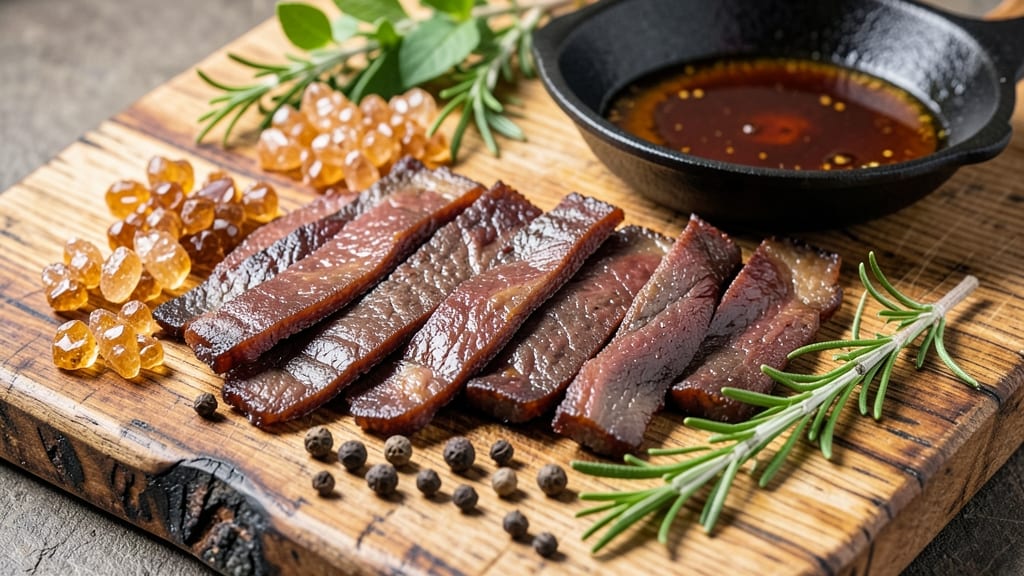
This apple cider vinegar beef jerky recipe transforms tough beef into tender, tangy strips that pack a punch of flavor in just 4 hours. The secret weapon? Apple cider vinegar, which tenderizes the meat while preserving its natural richness and adding a bright, zesty kick.
I've perfected this method over years of experimentation, ensuring every bite delivers that perfect balance of savory, sweet, and tangy notes.
The process starts with proper slicing and marinating—apple cider vinegar works magic by breaking down tough fibers, creating a jerky that's surprisingly tender. You'll use a simple blend of spices and sweeteners to enhance the flavor while ensuring proper preservation.
This isn't just jerky; it's a foolproof method that delivers restaurant-quality results at home, with no fancy equipment required.
By the time you're done, you'll have a batch of jerky that's crispy on the outside, tender inside, and packed with that signature tangy sweetness. The apple cider vinegar doesn't just flavor the jerky—it helps preserve it, so your jerky stays fresh and delicious for weeks when stored properly.
Perfect for snacks, charcuterie boards, or even as a protein-packed addition to salads and wraps.
Safety is key, so we'll follow USDA guidelines to ensure your jerky is not only delicious but also safe to eat. Whether you're a jerky novice or a seasoned pro, this method delivers consistent, mouthwatering results every time. Let's get started on creating your own batch of tangy, tender jerky!
Ingredients for apple cider vinegar beef jerky
Four hours to tangy, tender jerky perfection—just these ingredients and patience.
| Ingredient | Amount | Notes |
|---|---|---|
| Top Round Roast Beef 🥩 | 2 lb | Tough cut for jerky, fat trimmed |
| Apple Cider Vinegar 🍏 | 1 cup | Unfiltered for tangy flavor |
| Brown Sugar 🍚 | ½ cup | Light or dark variety |
| Granulated Sugar 🍚 | ½ cup | For moisture balance |
| Kosher Salt 🧂 | 2 tbsp | Diamond Crystal preferred |
| Black Peppercorns 🌶️ | 1 tbsp | Freshly cracked preferred |
| Garlic Powder 🧄 | 1 tbsp | Not garlic salt |
| Onion Powder 🧅 | 1 tbsp | For depth of flavor |
| Smoked Paprika 🌶️ | 1 tbsp | For subtle smokiness |
| Ground Cayenne Pepper 🔥 | ½ tsp | Adjust for heat preference |
| Soy Sauce 🥢 | 2 tbsp | For umami depth |
| Worcestershire Sauce 🍶 | 1 tbsp | Ensure anchovy-free |
| Lemon Juice 🍋 | 1 tbsp | Freshly squeezed |
The beef cut matters most here. Top round roast is the gold standard for jerky—lean but tough enough to hold up to the drying process. Trim any visible fat before slicing, but don't go overboard—just enough to keep it tender. I always grab mine from Costco or the butcher section at Kroger, where they'll slice it paper-thin for you (about 1/8-inch thick). If you're slicing yourself, a sharp knife and steady hand are key—uneven slices mean uneven drying. For the apple cider vinegar, Bragg is my go-to, but any unfiltered brand works. The tangier, the better here—it's what transforms tough beef into something tender and addictive.
No soy sauce? Coconut aminos work in a pinch, though you'll lose some depth. Running low on Worcestershire? Extra soy sauce plus a pinch of garlic powder mimics the umami. The sugars are non-negotiable—brown sugar adds moisture while granulated helps with preservation. If you're sensitive to heat, cut the cayenne to 1/4 tsp or swap for red pepper flakes. For the spices, Penzeys or bulk bins at natural grocery stores give you the freshest, most flavorful options. Pro tip: Toast your spices in a dry pan for 30 seconds before mixing—they'll sing in your jerky. And if you're wondering about the lemon juice, it's not just for flavor—it helps tenderize the meat too.
This marinade keeps for 5 days in the fridge, so make extra if you're planning another batch. The beef slices can be prepped ahead and stored in a sealed container for 24 hours before marinating. Once your jerky is done, store it in an airtight container with parchment paper between layers to prevent sticking. It'll stay fresh for 2 weeks at room temperature or 3 months in the freezer. I always make double batches—one for snacks, one to gift. Just remember, jerky is a low-moisture food, so if you're not using it all, the fridge is your friend for short-term storage.
Why You'll Love This Recipe
- No-Fuss Marinade Magic: I swear by this marinade—just dump apple cider vinegar and sugars into a bag with the beef, let it sit overnight (or even 4 hours if you're in a rush), and you’ve got flavor without chopping or measuring spices. The vinegar tenderizes while the sugars caramelize, giving you that perfect chewy texture with zero effort.
- Sweet-Savory Tang: Honestly, the balance here is chef’s kiss—the apple cider vinegar cuts through the richness of the beef, while the brown and granulated sugars add just the right amount of sweetness. It’s not too sharp, not too cloying; it’s that addictive middle ground where every bite makes you want another.
- Snack Attack Ready: Between us, this jerky is my go-to for road trips, lunchboxes, or when I’m craving something handheld but still want protein. Slice it thin, dehydrate it, and boom—you’ve got a shelf-stable snack that’s way better than store-bought. (Yes, even on a Tuesday night.)
- Budget Meal Upgrade: Top round roast is affordable, and this marinade stretches it into something special without breaking the bank. Make a big batch, dehydrate it, and suddenly you’ve got a pantry staple that costs pennies per serving. Plus, the leftovers? Crumble them into tacos or salads—waste not, want not.
Step-by-step instructions for apple cider vinegar beef jerky
Here's how to transform tough beef into tender, tangy jerky with this foolproof method.
Prep and Slice the Beef for Even Cooking
Start by trimming any visible fat or silver skin from the 2 lb Top Round Roast Beef using a sharp boning knife. This lean cut is perfect for jerky, but removing fat ensures a cleaner texture. Place the beef in your freezer for 20-30 minutes to firm up—this makes slicing easier and gives you thinner, more consistent strips.
When the beef is firm, slice it against the grain into strips about ¼-inch thick. You'll want strips roughly ½-inch wide—this size ensures they cook through evenly without drying out. Arrange the strips on a baking sheet lined with parchment paper and refrigerate while you prepare the marinade. Cold strips prevent the marinade from immediately soaking in too quickly.
Mix the Tangy Marinade
In a large bowl, combine the 1 cup Apple Cider Vinegar, 0.5 cup Brown Sugar, 0.5 cup Granulated Sugar, 2 tbsp Kosher Salt, 2 tbsp Soy Sauce, 1 tbsp Worcestershire Sauce, and 1 tbsp Lemon Juice. Stir until the sugars dissolve completely—this creates a smooth base for the marinade. The vinegar and lemon juice will tenderize the beef while adding that signature tang.
Next, add the spices: 1 tbsp Garlic Powder, 1 tbsp Onion Powder, 1 tbsp Smoked Paprika, and 0.5 tsp Ground Cayenne Pepper. If you prefer milder heat, reduce the cayenne to ¼ tsp. Give everything a thorough mix—you want the spices evenly distributed so each piece of jerky gets the same flavor punch. Let the marinade sit at room temperature for 5 minutes to meld the flavors.
Marinate the Beef Overnight
Transfer the beef strips to a resealable plastic bag or glass container with a tight lid. Pour the marinade over the beef, ensuring every strip is fully coated. Seal the bag or container and massage the beef gently to distribute the marinade evenly. Place it in the refrigerator and let it marinate for at least 12 hours, though 24 hours yields the most tender results.
Here's the thing—this long marinade time is non-negotiable for tender jerky. The acid in the apple cider vinegar breaks down the tough muscle fibers, while the sugars and salts help retain moisture. Don't skip this step, even if you're eager to start cooking. Patience now means perfect texture later.
Dry the Jerky for Maximum Flavor
Preheat your oven to 175°F—this low temperature is key for slow, even drying without cooking the beef. Line two baking sheets with wire racks and parchment paper. Remove the beef from the marinade (reserve the marinade for later) and pat the strips dry with paper towels. This step helps the jerky develop a better texture and prevents a soggy finish.
Arrange the beef strips in a single layer on the racks, ensuring they don't overlap. Place the baking sheets in the oven and bake for 3 hours, flipping the strips every 45 minutes. The jerky is done when it's dry to the touch and no longer shiny—it should snap when bent but not be brittle. If it's not dry enough after 3 hours, continue baking in 15-minute increments until fully dried.
Glaze and Finish for Extra Flavor
Once the jerky is completely dry, remove it from the oven and let it cool for 10 minutes. While it cools, heat the reserved marinade in a small saucepan over medium heat until it thickens slightly, about 3-5 minutes. The sugars will caramelize, creating a glossy glaze that adds depth of flavor.
Brush the warm marinade mixture over the cooled jerky strips until they're fully coated. Let the glaze set for 5 minutes, then break the jerky into bite-sized pieces. Store in an airtight container in the refrigerator for up to 2 weeks or freeze for up to 3 months. Each piece should be tender, tangy, and packed with that smoky-sweet flavor we're after.
Pro Tips For Making Apple Cider Vinegar Beef Jerky
- Trim Thin, Slice Even: Use a sharp boning knife and slice the top round against the grain into strips no thicker than ¼-inch. Thicker slices won’t dry properly—jerky should be tender, not chewy. I learned this the hard way after gnawing through leather-like strips for days.
- Marinate Overnight, Not Hours: The apple cider vinegar needs time to tenderize and penetrate—at least 12 hours, but 24 is better. I used to rush it, and the jerky tasted flat and dry. Cold storage works fine; just don’t skip this step if you want real flavor.
- Skip the Boil, Use a Cure: Par-cooking beef jerky in water ruins the texture. Instead, mix the vinegar, sugars, and salt into a thick paste and slather it on the meat. Let it sit uncovered in the fridge for 4–6 hours first—this mimics curing and gives you a stickier, more flavorful crust.
- Dry Low and Slow: Set your dehydrator to 160°F (or the lowest setting) and fan the jerky every 2 hours. High heat = rubbery jerky. Test doneness by checking for no moisture when you press a strip—it should snap, not bend. Patience here makes the difference between chewy and perfect.
Serving suggestions for leftovers
Snack Attack Perfection
This jerky is a game-changer for snacking—perfect for on-the-go munching, road trips, or gym bags. The apple cider vinegar's tang cuts through the richness, making it satisfying without being greasy.
I keep a stash in my car for quick energy boosts, especially when I'm running errands or need a protein-packed pick-me-up. 💪
Break it into bite-sized pieces (about 1-inch long) for easy handling. Store in a vacuum-sealed bag or airtight container with parchment paper between layers to keep it crisp. The tangy-sweet flavor pairs perfectly with cold water or iced tea—trust me, it's a match made in snack heaven.
Charcuterie Board Star
Elevate any charcuterie board with this jerky as the star player. Its bold flavor stands up to creamy cheeses like aged cheddar or brie, while the tang cuts through rich spreads like fig jam or honey.
I love arranging it alongside crackers, nuts, and dried fruit for a perfect balance of textures and flavors. 🧀
For a festive touch, drizzle the board with balsamic glaze or olive oil before adding the jerky. The contrast of the jerky's smoky-sweetness with the sweet-tart glaze is unbeatable. Pro tip: Add a few fresh rosemary sprigs for a pop of color and aroma that ties everything together.
Salad and Wrap Upgrade
Toss 2-3 pieces of jerky into your favorite salad for a protein punch. The apple cider vinegar's tang complements greens like arugula or spinach, while the smoky paprika adds depth.
I often pair it with goat cheese, walnuts, and a honey-mustard dressing for a restaurant-worthy bite. 🥗
Wrap it up in tortillas with cream cheese, cucumber slices, and a sprinkle of everything bagel seasoning for a quick lunch. The jerky adds a savory kick that keeps the wrap exciting.
For extra flavor, brush the tortilla with garlic butter before rolling—it's a match made in flavor heaven.
Gift-Worthy Presentation
This jerky makes an amazing gift—package it in wooden boxes or cellophane bags tied with twine for a rustic touch. I love adding a handwritten note with serving suggestions, like "Perfect for snacks, charcuterie, or salads!"
The apple cider vinegar's tang makes it feel special and homemade, not store-bought. 🎁
For a holiday twist, pair the jerky with dark chocolate squares or spiced nuts in a clear glass jar. The contrast of salty jerky and sweet chocolate is irresistible.
Add a ribbon and a tag that says "Tangy Treats for the Holidays"—it's a gift that keeps on giving, especially during the busy season.
Nutrition facts
Frequently asked questions
Why does apple cider vinegar make jerky more tender?
The acetic acid in apple cider vinegar breaks down tough muscle fibers in the beef, creating a tenderizing effect. It also helps retain moisture during the drying process, preventing the jerky from becoming chewy. The tangy flavor adds depth that store-bought versions often lack!
Can I use a dehydrator instead of the oven?
Set your dehydrator to 160°F and dry the beef strips for 4-6 hours, flipping halfway through. The dehydrator method is more energy-efficient and gives you more consistent results. Just monitor closely to avoid over-drying.
How do I know when the jerky is fully dried?
Test for doneness by checking if the jerky snaps when bent but doesn't feel brittle. It should also be dry to the touch with no moisture visible. If it's still slightly sticky after 3 hours, continue drying in 15-minute increments. Over-drying makes jerky tough, so aim for that perfect chewy texture!
What's the best way to store homemade jerky?
Store in an airtight container with parchment paper between layers to prevent sticking. It stays fresh for 2 weeks at room temperature or 3 months in the freezer. For longer storage, vacuum-seal it—this extends freshness to 6 months while maintaining crispness.
Can I make this jerky without soy sauce?
Yes! Replace the 2 tbsp soy sauce with 2 tbsp coconut aminos for a soy-free version. For extra umami, add 1 tbsp fish sauce (ensure it's gluten-free if needed). The apple cider vinegar and Worcestershire sauce will still provide depth of flavor.