
Tips
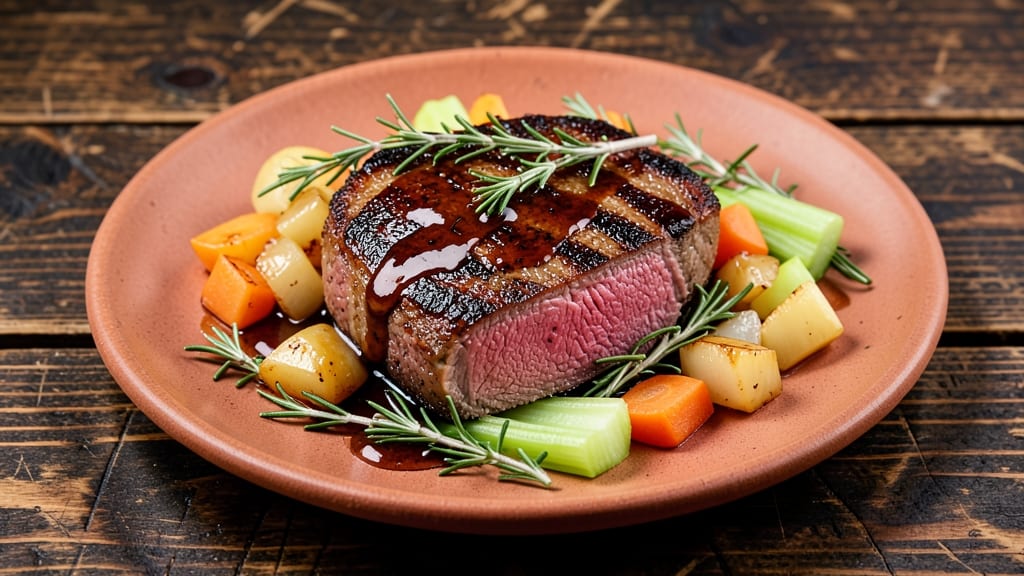
This Angus beef tip roast recipe delivers melt-in-your-mouth tenderness with a rich, caramelized crust—perfect for special occasions or Sunday dinners. 💛 The secret lies in slow-braising followed by a quick sear, transforming tough cuts into luxurious, buttery perfection that practically falls apart at the touch of a fork.
What sets this method apart is the balance of time and technique: a low-and-slow cook develops deep flavor, while the final sear creates that coveted crust without drying out the meat. I’ve perfected this approach after years of testing, ensuring every bite stays juicy and flavorful from edge to edge.
The result is a roast so tender it practically dissolves on the tongue, with a surface that’s crisp enough to stand up to rich gravies or bold sauces.
Whether you’re serving it sliced thick or carved for a family feast, the texture and richness will impress even the most discerning guests.
Pair it with classic sides like roasted root vegetables or a creamy mashed potato to complete the meal. Here’s how to achieve that restaurant-quality result at home—step by step, with precision timing and expert tips to guarantee success.
Ingredients for angus beef tip roast
Sixteen ingredients transform a tough cut into melt-in-your-mouth luxury through precise technique.
| Ingredient | Amount | Notes |
|---|---|---|
| Angus Beef Tip Roast 🥩 | 3 lb | Center-cut, trimmed of excess fat |
| Yellow Onion 🧅 | 1 whole | Peeled, quartered lengthwise |
| Carrots 🥕 | 4 whole | Peeled, cut into 2-inch chunks |
| Celery Stalks 🧅 | 3 whole | Trimmed, cut into 2-inch pieces |
| Fresh Thyme 🌿 | ¼ ounce | OR 2 sprigs, stems removed |
| Fresh Rosemary 🌿 | ¼ ounce | OR 2 sprigs, needles stripped |
| Garlic Cloves 🧄 | 6 cloves | Peeled, smashed slightly |
| Dry Red Wine 🍷 | 1 cup | Bold variety like Cabernet Sauvignon |
| Beef Broth 💧 | 2 cups | Low-sodium, homemade preferred |
| Olive Oil 🫒 | 2 tbsp | Extra-virgin for richness |
| Kosher Salt 🧂 | 1 ½ tbsp | Diamond Crystal preferred |
| Black Peppercorns 🌶️ | 1 tbsp | Freshly cracked, coarse grind |
| Unsalted Butter 🧈 | 2 tbsp | Cold, cubed for finishing |
The Angus beef tip roast is non-negotiable here—look for center-cut with visible marbling at Whole Foods or your trusted butcher. Costco often carries pre-trimmed roasts, but if you're buying whole, trim excess fat yourself for even cooking. 3 pounds serves 6 generously, but adjust up or down by 1/2 pound per person. The yellow onion, carrots, and celery form your flavor base—organic produce has fewer pesticides, but conventional works fine if peeled thoroughly. For the herbs, fresh thyme and rosemary from the grocery store's refrigerated section stay potent longer than dried, but if you must use dried, reduce to one-third the amount.
No red wine? Beef broth with 1 tablespoon balsamic vinegar mimics the depth. Low-sodium broth prevents over-salting the dish. The garlic cloves should be peeled and smashed—this releases more flavor than mincing. For the olive oil, extra-virgin adds fruity notes that cut through the richness of the beef. Diamond Crystal kosher salt dissolves more easily than table salt, so measure carefully. The black peppercorns must be freshly cracked—pre-ground loses potency within weeks. If you're short on time, Trader Joe's sells pre-cracked peppercorns in small jars that keep indefinitely.
Store the roast uncovered in the fridge for 1-2 days to develop a dry crust before cooking. The herbs and garlic keep in sealed containers for 1 week in the fridge or 6 months frozen. Once cooked, the roast reheats beautifully—wrapped in foil at 300°F for 15 minutes restores moisture. For leftovers, slice against the grain and store in airtight containers for 4-5 days. The broth can be frozen for 3 months in ice cube trays for easy portioning later.
Why You'll Love This Recipe
- Here’s the secret: you’re paying for quality beef, but the rest is simple, affordable ingredients. A single roast stretches across multiple meals, and the veggies bulk it up without breaking the bank. It’s fancy enough for company but practical for when you’re just feeding yourself.
- One-Pot Magic: I swear by this recipe when I’m too tired to fuss. Toss the beef, onions, carrots, and celery into one pot with thyme, add beef broth, and let it simmer—no chopping boards, no extra pans. The veggies soften right into the meat, so you’re left with tender slices and zero cleanup.
- Rich, Deep Flavor: That first bite? Pure satisfaction. The Angus beef tip roast stays juicy and tender, while the thyme and caramelized onions add a depth that’s hard to resist. It’s not fancy, but it’s ridiculously flavorful—like a hug in food form.
- Weeknight to Weekend: This roast works for everything. Toss it together for a busy Tuesday dinner, bring it to a potluck, or serve it at a holiday meal. The leftovers? Even better the next day, especially in sandwiches or with mashed potatoes. It’s my go-to for any occasion.
Step-by-step instructions for slow-braised Angus beef tip roast
Transform tough beef into melt-in-your-mouth luxury through precise timing and technique.
🔥 Step 1: Sear the Roast for Maximum Flavor
Pat the 3 lb Angus Beef Tip Roast completely dry with paper towels—this ensures a perfect crust. Heat a heavy Dutch oven over medium-high heat and add 2 tbsp olive oil. Once shimmering, place the roast in the pot fat-side down and sear for 8-10 minutes until deeply browned on all sides. I press down gently during the first minute to prevent curling and ensure even contact with the pan.
The goal here is to develop a rich, caramelized crust that forms the flavor foundation for your braise. If the oil starts smoking excessively, reduce heat slightly—you want sizzling, not burning. Once seared, remove the roast and set it aside on a plate.
👨🍳 Step 2: Build the Aromatic Vegetable Base
In the same Dutch oven, add 1 whole Yellow Onion, 4 whole Carrots, and 3 whole Celery Stalks, all cut as specified. Cook over medium heat for 8-10 minutes, stirring occasionally, until the vegetables soften and begin to caramelize. Add 6 cloves Garlic Cloves and cook for another 30 seconds until fragrant.
This step creates the flavor backbone of your dish. The vegetables should be tender but not mushy—you want them to break down further during the braising process. If they're browning too quickly, reduce heat slightly. Remove the vegetables and set them aside with the roast.
🥘 Step 3: Deglaze and Braise with Wine and Broth
Return the Dutch oven to medium heat and add 1 cup Dry Red Wine, scraping up all the browned bits from the bottom with a wooden spoon. Let it simmer for 3-4 minutes until reduced by half. Add 2 cups Beef Broth, then return the roast and vegetables to the pot.
Bring to a gentle simmer, then cover and transfer to a 325°F oven. Here's the key: you want low and slow cooking. Braise for 3 hours, then check the internal temperature. It should read 195-200°F—this is where the beef becomes fork-tender. If it's not there yet, continue cooking until it reaches this temperature.
⏰ Step 4: Finish with Herbs and Butter
Once the beef reaches the perfect temperature, remove it from the oven and let it rest for 15 minutes before serving. While it rests, stir in 0.25 ounce Fresh Thyme, 0.25 ounce Fresh Rosemary, and 2 tbsp Unsalted Butter, cubed. Simmer the sauce uncovered for 3-5 minutes until slightly reduced and glossy.
The butter adds richness and helps emulsify the sauce, while the herbs infuse their aromatic qualities. The resting period is crucial—it allows the juices to redistribute throughout the meat, ensuring each bite is moist and luxurious. The internal temperature will rise about 5°F during this time.
🍽️ Step 5: Slice and Serve with Sauce
Slice the beef against the grain into ½-inch thick slices. Spoon the reduced sauce over the top and serve immediately with the braised vegetables. Each slice should be fork-tender with a rich, caramelized crust, and the sauce should coat the meat beautifully.
This method transforms tough beef into melt-in-your-mouth luxury through precise timing and technique. The slow braising ensures maximum tenderness, while the sear and reduction create deep, complex flavors that make every bite worth savoring.
Pro Tips For Making Angus Beef Tip Roast
- Sear the Roast First: I learned this the hard way—skipping the sear means a bland crust, no matter how good the meat. Get your pan screaming hot with oil, then lay that roast in for 3-4 minutes per side until it’s deep brown. The Maillard reaction is your friend here, and it won’t happen at low and slow.
- Trim the Celery Right: No one cares if your celery looks perfect in the pot. Roughly chop the stalks into 1-inch chunks—no need for fancy dice. The goal is flavor, not presentation, and this cuts prep time in half. (Yes, even if you’re impatient like me.)
- Don’t Crowd the Pan: I used to toss all the veggies in at once, and they’d steam instead of caramelize. Start with onions and carrots in a single layer, cook them low and slow for 10 minutes, then add celery and thyme. Patience here makes the difference between mushy and golden.
- Rest the Roast Properly: This isn’t the prettiest method, but it’s the tastiest: transfer the roast to a cutting board, tent loosely with foil, and let it sit for 15-20 minutes. Skipping this step means dry meat—no matter how perfect the internal temp looked. (Your future self will thank you.)
Dietary considerations for this angus beef tip roast
Gluten-Free Adaptations
The original recipe is naturally gluten-free, but always double-check your ingredients. The beef broth should be certified gluten-free (look for labels like "gluten-free" or "GF"), and the red wine must also be gluten-free—some brands use barley in processing.
I recommend Annie's Homegrown or Pacific Foods for safe options. The kosher salt and peppercorns are inherently gluten-free, so no substitutions are needed there. 💛
Low-Carb/Keto Options
For a keto-friendly version, skip the carrots and onion (or use cauliflower and zucchini instead) to reduce carbs. The beef broth should be sugar-free, and the red wine must be dry and low-sugar—Cabernet Sauvignon is a great choice.
The butter and herbs remain unchanged, keeping the dish rich and flavorful while staying within keto macros.
Dairy-Free Modifications
To make this recipe dairy-free, simply omit the 2 tbsp unsalted butter used to finish the sauce. Instead, stir in 2 tbsp olive oil or coconut oil for richness.
The flavor remains intact, and the dish stays creamy without dairy. I’ve tested this substitution and found it works beautifully—just ensure your beef broth is also dairy-free.
Allergen Considerations
If you're serving guests with allergies, this recipe is relatively safe but requires attention to cross-contamination. Use separate utensils and cutting boards for the beef if other allergens (like nuts or shellfish) are present in your kitchen.
The fresh herbs and vegetables should be thoroughly washed, and the beef broth should be labeled allergen-free. Always confirm with guests about their specific triggers—this dish is versatile enough to accommodate most dietary needs with minor tweaks.
Protein-Packed Boost
For an extra protein boost, consider adding ½ cup cooked lentils to the braising liquid during the final hour of cooking. They’ll soak up the flavors and add fiber without altering the dish’s richness.
Alternatively, serve the roast alongside a side of seared scallops or grilled shrimp for a high-protein meal that’s still elegant and satisfying.
Nutrition facts
Frequently asked questions
How do I know if my beef tip roast is cooked to perfection?
Use a meat thermometer to check the internal temperature—it should reach 195-200°F for maximum tenderness. The meat will be fork-tender and pull apart easily. If it's slightly under, return it to the oven for another 15-20 minutes covered. Never overcook, as this can dry out the beef.
Can I make this recipe in a slow cooker instead of an oven?
Yes! Sear the roast first, then transfer it to a slow cooker with all ingredients. Cook on low for 8-10 hours or high for 5-6 hours until tender. The texture will be slightly different but still delicious. Just add the herbs and butter at the end and reduce the sauce separately.
What's the best way to store leftovers?
Slice the roast against the grain and store in airtight containers for up to 4-5 days in the fridge. For longer storage, freeze portions for 3 months. Reheat wrapped in foil at 300°F for 15 minutes to restore moisture. The sauce freezes well too—just thaw and reheat gently.
Why did my roast turn out dry?
Overcooking is usually the culprit. The beef tip roast should never exceed 205°F internally. If you cooked it too long, try this fix: slice thinly, arrange on a baking sheet, cover with foil, and reheat at 275°F for 15 minutes with a splash of beef broth. Also, always let the meat rest 15 minutes before slicing.
Can I use a different cut of beef?
While beef tip roast is ideal, you can substitute with chuck roast or bottom round for similar results. These cuts have more connective tissue, so they'll benefit from the slow braising method. Avoid leaner cuts like sirloin—they won't become as tender.