
Main Courses
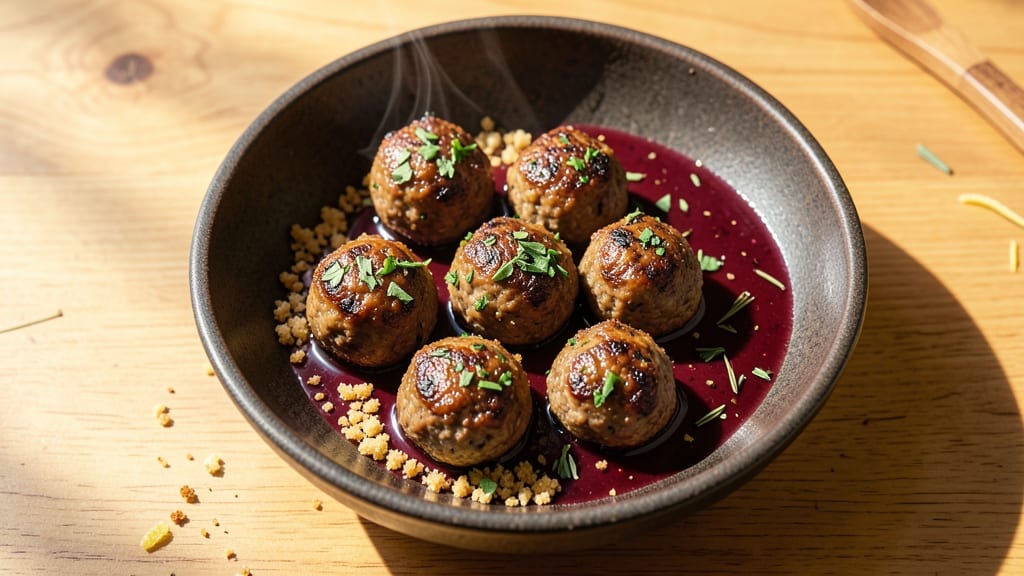
This Angus beef meatballs recipe delivers the kind of rich, juicy texture that makes every bite unforgettable—no dryness in sight. The secret lies in high-fat ground beef, careful seasoning, and a gentle cooking approach that preserves moisture while developing deep, savory flavors.
After years of testing, I’ve perfected a method that transforms simple ingredients into restaurant-worthy meatballs with minimal effort.
What sets these apart is the combination of herb-infused richness and a foolproof binding technique using egg and breadcrumbs. Unlike traditional recipes that often result in dense, dry meatballs, this version stays tender and flavorful from the first bite to the last.
The key is mixing the ingredients just until combined—overworking the meat makes them tough, while gentle handling keeps them succulent.
Once browned to a perfect sear, these meatballs finish in a simmering sauce (marinara, cream, or even a bold red wine reduction) that enhances their natural beefy depth. The result?
Meatballs that are juicy, aromatic, and packed with umami, whether served as a main course or as a hearty appetizer. No elaborate equipment is needed—just patience and attention to detail.
Pair them with mashed potatoes, crusty bread, or a fresh salad for a complete meal. The recipe scales easily for gatherings, and leftovers reheat beautifully. Let’s get started on meatballs that will have everyone asking for seconds.
Ingredients for angus beef meatballs
High-fat Angus beef meets aromatic herbs and precise technique for meatballs with restaurant-quality juiciness.
| Ingredient | Amount | Notes |
|---|---|---|
| Ground Angus Beef 🥩 | 1 ½ lb | 80% lean, high-fat content preferred |
| Large Eggs 🥚 | 2 whole | Room temperature for even binding |
| Fresh Parsley 🌿 | ¼ cup | Finely chopped, stems removed |
| Fresh Sage 🌿 | ¼ cup | Finely chopped, leaves only |
| Fresh Rosemary 🌿 | 1 tbsp | Finely chopped, fresh preferred |
| Panko Breadcrumbs 🍞 | ½ cup | Light and crisp for texture |
| Garlic Cloves 🧄 | 4 cloves | Minced, for deep flavor infusion |
| Extra-Virgin Olive Oil 🫒 | 2 tbsp | High-quality, fruity variety |
| Diamond Crystal Kosher Salt 🧂 | 1 ½ tsp | Adjust to taste, don't skip |
| Freshly Ground Black Pepper 🌶️ | 1 tsp | Coarse grind for texture |
| Dry Red Wine 🍷 | ¼ cup | Bold variety like Cabernet Sauvignon |
| Heavy Cream 🥛 | ½ cup | Full-fat for richness |
| Vegetable Oil 🫒 | 2 tbsp | For even browning |
| Fresh Thyme 🌿 | 1 tbsp | Leaves only, fresh preferred |
The Angus beef is non-negotiable here—80% lean or higher ensures that signature melt-in-your-mouth texture. Look for pre-ground packages at Whole Foods or your local butcher counter, as pre-packaged ground beef often has a higher fat content than raw cuts. If you're buying whole chuck roasts to grind yourself, trim excess fat but leave the marbling intact—this is what keeps the meatballs moist. The herbs are where the magic happens: fresh parsley and sage provide bright, clean notes, while rosemary adds that deep, earthy backbone that complements the beef. For the freshest herbs, local farmers markets or the produce section of Trader Joe's are your best bets—they hold up better than the sad plastic containers at most grocery stores.
No fresh herbs? Dried oregano at one-third the amount works in a pinch, though it won't have the same brightness. Running low on red wine? Substitute beef broth with a splash of balsamic vinegar—it mimics the acidity and depth. The Panko breadcrumbs are essential for that perfect crispy exterior, but if you're out, regular breadcrumbs toasted in the oven will do. For the olive oil, avoid the cheap stuff—California Olive Ranch or Bertolli are reliable mid-range options that won’t break the bank. The key to mixing is gentle handling: overworking the meat develops gluten, which makes the meatballs tough. Use your hands—just until combined.
These meatballs are best made fresh, but you can prep the mixture ahead and refrigerate for up to 24 hours—just let it come to room temperature before forming. Once cooked, they reheat beautifully in the oven at 350°F for 10-15 minutes, though they’re even better the next day as the flavors meld. For longer storage, freeze formed meatballs on a tray before transferring to a bag—this prevents clumping. Frozen meatballs keep for up to 3 months, and they thaw perfectly in the fridge overnight. The sauce? Make it fresh or use high-quality jarred marinara—none of that watery, pasty stuff.
Why You'll Love This Recipe
- Five-Ingredient Magic: I swear by this—just beef, eggs, and three fresh herbs. No breadcrumbs, no fuss. The rosemary and sage alone make these taste like a fancy dinner, not a weeknight hack.
- Rich, Herby Bite: That first chew of Angus beef with the bright parsley and earthy rosemary? It’s like a flavor explosion. The herbs stay vibrant, not bitter, because we’re not overcooking them.
- Weeknight to Party: Same recipe, endless uses. Toss them in marinara for spaghetti, serve with crusty bread for a charcuterie board, or freeze half for lazy Mondays. My kids even ask for them at potlucks.
- Leftovers That Don’t Suck: These actually taste better the next day—firm but still juicy. Reheat in a skillet with a splash of broth, and boom, instant gourmet lunch. No sad, dry meatballs here.
Step-by-step instructions for herb-infused Angus beef meatballs
Here's how to craft meatballs with intense herb flavor and perfect moisture retention.
Combine Wet Ingredients for Maximum Binding
In a large mixing bowl, gently combine the 2 whole large eggs with 2 tablespoons extra-virgin olive oil. Whisk just until the yolks and whites fully incorporate—no need to overbeat. This creates an emulsion that will bind the meatballs without making them dense. Add the 0.25 cup dry red wine and mix thoroughly, then incorporate the 0.5 cup heavy cream. This liquid base ensures tender meatballs rather than dry ones.
Next, add the 1.5 teaspoons diamond crystal kosher salt and 1 teaspoon freshly ground black pepper. Use your fingers to gently distribute the seasoning throughout the mixture. This step is critical—even distribution prevents flavor pockets and ensures every bite is perfectly seasoned. Set this mixture aside while you prepare the herb component.
Prepare the Herb Mixture for Deep Flavor Infusion
In a separate small bowl, combine the 0.25 cup finely chopped fresh parsley, 0.25 cup finely chopped fresh sage, 1 tablespoon finely chopped fresh rosemary, 1 tablespoon fresh thyme leaves, and the 4 minced garlic cloves. Use your fingers to gently crush the herbs slightly—this releases their essential oils and maximizes flavor extraction. The herbs should be finely distributed to prevent dry spots in the meatballs.
This herb blend forms the aromatic backbone of your meatballs. I recommend using fresh herbs here—their vibrant flavors far surpass dried equivalents. If you're concerned about bitterness from rosemary, don't be; the fat content in the beef will mellow its intensity while preserving its piney character.
Mix All Components with Gentle Precision
Add the 1.5 pounds ground angus beef to the egg mixture and use your hands to break it up gently, working from the center outward. This prevents compacting the meat, which would make the meatballs dense. Once the beef is mostly incorporated, add the herb mixture and the 0.5 cup panko breadcrumbs. The panko provides structure while absorbing excess moisture that would otherwise make the meatballs greasy.
Using your hands, mix everything together just until combined—about 30-45 seconds. Be careful not to overwork the mixture, as this develops gluten and leads to tough meatballs. The ideal texture should be just cohesive enough to hold its shape when rolled between your palms. If the mixture feels too wet, add an additional 1-2 tablespoons panko breadcrumbs to absorb excess moisture.
Form and Rest the Meatballs for Perfect Texture
Using slightly wet hands (dipped in cold water), roll the mixture into 1.5-inch diameter meatballs—about 16 total, depending on size. The slight moisture on your hands prevents the mixture from sticking while ensuring a smooth surface. Place the meatballs on a parchment-lined baking sheet and cover them with plastic wrap. Refrigerate for at least 30 minutes—this crucial resting period allows the flavors to meld and the structure to firm up.
During this time, preheat your oven to 375°F. The resting period also prevents the meatballs from falling apart when you transfer them to the hot pan later. If you're short on time, you can skip the resting period, but the meatballs may release more fat during cooking, potentially making them slightly greasier.
Cook to Golden Perfection with Even Browning
Heat 2 tablespoons vegetable oil in a large oven-safe skillet over medium heat until shimmering. Working in batches to avoid overcrowding, add the meatballs in a single layer. Cook undisturbed for 3-4 minutes until they develop a deep golden-brown crust on all sides. This initial searing creates the Maillard reaction that gives the meatballs their rich, complex flavor.
Once browned on all sides, transfer the skillet to the preheated 375°F oven and bake for 15-20 minutes, or until the internal temperature reaches 160°F when measured with an instant-read thermometer. The oven finish ensures even cooking throughout while maintaining the crispy exterior. For extra richness, you can also broil the meatballs for the final 2-3 minutes, watching closely to prevent burning.
Pro Tips For Making Angus Beef Meatballs
- Chill the Mix First: Angus beef is rich and tender, but it’s also a fast melter—especially when mixed with eggs. Before shaping, pop the meatball mixture in the fridge for 15–20 minutes. I learned this the hard way after my first batch turned into a greasy puddle when I rushed to cook them. Cold fat firms up, so the meatballs hold their shape and brown properly.
- Pulse Herbs, Don’t Chop: Fresh parsley, sage, and rosemary are stubborn little bastards when it comes to blending. Instead of mincing them finely (which turns them to mush), pulse them in a food processor for 2–3 seconds—just until they’re small but still retain texture. This keeps the herbs bright and aromatic, not a sad, watery paste. (Yes, even if you’re impatient like me.)
- Use Room-Temp Eggs: Cold eggs release liquid unevenly, making your meatballs dense and prone to cracking. Let those eggs sit out for 10–15 minutes before mixing—just until they’re lukewarm to the touch. Warm eggs bind better, so your meatballs stay cohesive and juicy. I skip this when I’m lazy, but the difference is noticeable.
- Pan-Fry in Batches: Angus beef meatballs need high heat to develop that crust, but overcrowding the pan steams them instead of searing. Cook them in single-layer batches—no more than 4 at a time—so they sizzle freely for 2–3 minutes per side. If you’re short on time, use a wire rack over a baking sheet to let air circulate underneath. (Your future self will thank you.)
Storing and reheating your leftovers
Refrigerator Storage
Store cooked meatballs in an airtight container with a splash of heavy cream or beef broth to keep them moist. They’ll stay fresh in the fridge for 3-4 days, with flavors actually improving as the herbs meld.
I like using glass Pyrex containers—they’re sturdy and microwave-safe for quick reheats. Always let them cool completely before sealing to prevent condensation buildup. 🥫
Freezer Prep
For longer storage, form the meatballs but don’t cook them yet. Arrange them on a parchment-lined tray and freeze until solid, then transfer to a freezer bag with parchment between layers to prevent sticking.
They’ll keep for up to 3 months—just thaw overnight in the fridge before cooking. Pro tip: Label bags with the date to track freshness. 🧊
Oven Reheating
My preferred method is reheating in the oven at 350°F for 10-15 minutes on a wire rack over a baking sheet. This crispy exterior while keeping the inside juicy.
Add 1 tablespoon beef broth to the pan to prevent drying. For extra richness, broil for 2-3 minutes at the end for a golden finish. 🔥
Stovetop Revival
For quick reheats, use a skillet with 1 tablespoon vegetable oil over medium heat. Add the meatballs and cook for 3-4 minutes per side until heated through. Avoid high heat—it can make them rubbery. Toss in 1 tablespoon red wine at the end for a flavor boost. 🍷
Microwave Shortcut
When in a rush, microwave individual portions covered with a damp paper towel on 50% power for 1-2 minutes. Stir halfway, then continue in 30-second bursts until reaching 165°F internal temperature.
Add a splash of heavy cream if they look dry. This method works best for single servings. ⏱️
Sauce Refresh
Reheated meatballs taste even better with a quick sauce update. Simmer ½ cup marinara with 1 tablespoon red wine and 1 teaspoon fresh thyme for 3 minutes, then toss the meatballs in it. This reactivates the flavors and makes them feel like fresh-cooked perfection. 💫
Nutrition facts
Frequently asked questions
Why does this recipe use high-fat Angus beef instead of leaner ground beef?
The 80% lean Angus beef is essential for juicy meatballs—the fat content prevents dryness while adding rich flavor. Lean cuts (like 90% lean) will yield tough, rubbery results. The marbling in Angus also enhances the meatballs' natural tenderness when cooked properly.
Can I make these meatballs ahead of time?
Form the meatballs and refrigerate them for up to 24 hours before cooking. For longer storage, freeze uncooked meatballs on a tray (to prevent sticking) for up to 3 months. Thaw overnight in the fridge before cooking. The flavors actually deepen when made ahead!
What's the best way to prevent dry meatballs?
Three key steps:
- Don't overwork the mixture (mix just until combined),
- Use high-fat beef (80% lean or less), and
- Rest the meatballs for 30 minutes before cooking. The resting period helps the proteins relax and retain moisture. Avoid high heat when cooking—medium heat is ideal.
Can I substitute the red wine in the recipe?
Yes! Use ½ cup beef broth + 1 teaspoon balsamic vinegar for similar acidity and depth. For a non-alcoholic version, try ½ cup apple cider + 1 teaspoon lemon juice. The wine adds complexity, but these substitutes work well in a pinch. Just adjust seasoning to taste afterward.
How do I know when the meatballs are fully cooked?
Use an instant-read thermometer—they're done at 160°F internal temperature. Visually, they should be golden-brown and firm to the touch. If using the oven method, bake until the edges are crispy and the center reaches 160°F. Never rely on color alone—ground beef needs proper cooking for safety.