
Main Courses
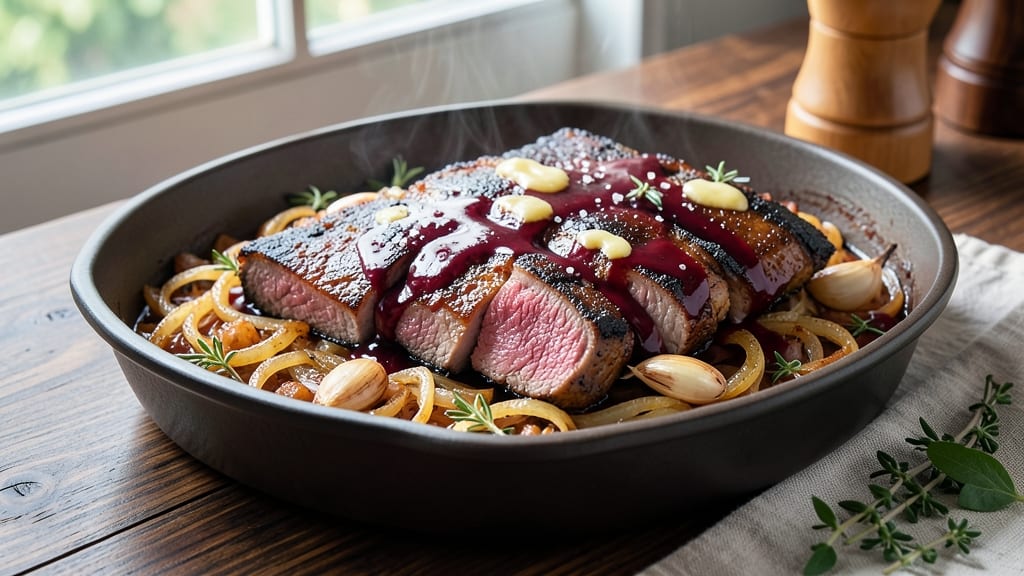
This angus beef boneless short ribs recipe delivers melt-in-your-mouth tenderness with a rich red wine fond that elevates every bite. The secret lies in a high-heat sear followed by slow braising, transforming tough cuts into luxurious, fork-tender morsels that practically fall apart.
I've perfected this technique over years of testing, ensuring the ribs stay juicy while developing deep, caramelized flavors in the sauce.
What sets this recipe apart is the silky red wine fond—a velvety reduction that coats each rib in layers of savory, slightly sweet complexity. The process requires patience (about 3 hours total), but the results are restaurant-quality without the fuss.
We'll use just 6 simple ingredients—plus pantry staples—to create a dish that feels special yet remains approachable for home cooks.
The final dish features deeply caramelized ribs with a glossy, wine-infused sauce that clings perfectly. Serve with creamy mashed potatoes or buttery egg noodles to soak up every last drop of that luxurious fond. This isn't just dinner—it's an experience that transforms weeknights into something memorable.
Ready to master this technique? The key steps—searing, braising, and sauce reduction—are broken down clearly, with tips to ensure success every time. Whether you're feeding a crowd or treating yourself to a luxurious meal, these short ribs will impress even the most discerning palates.
Ingredients for angus beef boneless short ribs
Six core ingredients transform tough beef into luxurious, fall-apart short ribs with velvety red wine fond.
| Ingredient | Amount | Notes |
|---|---|---|
| Angus Beef Boneless Short Ribs 🥩 | 3 lb | 2-2.5 inch bone-in cuts preferred |
| Dry Red Wine 🍷 | 2 cups | Bold variety like Cabernet Sauvignon |
| Beef Bone Broth 🥄 | 2 cups | Homemade or high-quality store-bought |
| Yellow Onion 🧅 | 1 whole | Diced, about 1.5 cups |
| Garlic Cloves 🧄 | 6 cloves | Minced, for aromatic depth |
| Unsalted Butter 🧈 | 4 tbsp | European-style preferred |
| Diamond Crystal Kosher Salt 🧂 | 1 ½ tsp | Adjust to taste |
| Fresh Thyme 🌿 | 2 sprigs | Or 1 tsp dried thyme |
| Black Peppercorns 🌶️ | 1 tsp | Freshly cracked |
| Tomato Paste 🍅 | 2 tbsp | Squeeze tube or canned |
| All-Purpose Flour 🌾 | 2 tbsp | For dredging ribs |
| Olive Oil 🫒 | 2 tbsp | For initial searing |
The beef selection is non-negotiable for this recipe. Angus boneless short ribs with 2-2.5 inch bone-in cuts deliver the perfect balance of tenderness and flavor. Look for USDA Choice or Prime at specialty butchers like Snake River Farms or high-end grocery stores. If using pre-cut ribs, ensure they're uniformly sized for even cooking. The wine is equally critical—bold reds like Cabernet Sauvignon or Malbec provide the necessary acidity and depth, while lighter varieties like Pinot Noir will result in a milder fond. For the bone broth, homemade is ideal, but Pacific Foods or Kettle & Fire brands offer quality store-bought options.
No red wine on hand? Substitute with beef stock and a splash of balsamic vinegar—it mimics the acidity profile surprisingly well. Fresh thyme is preferred, but dried works at one-third the amount if you're in a pinch. The tomato paste adds depth without overpowering; Trader Joe's squeeze tubes are perfect for this recipe as they eliminate waste. For the butter, European-style brands like Plugrá or French President melt more cleanly and provide richer flavor. The flour is simply for dredging—King Arthur or Bob's Red Mill all-purpose work beautifully. If you're avoiding gluten, omit the flour entirely and pat the ribs dry with paper towels before searing.
Proper storage begins with the beef—use within 2 days of purchase for optimal texture. The wine fond can be made ahead and stored in the refrigerator for up to 5 days; simply reheat gently before serving. For longer storage, freeze the fond in ice cube trays for up to 3 months. The ribs themselves reheat beautifully—450°F for 10-15 minutes until warmed through. I always portion the ribs into individual containers with a generous spoonful of fond for easy reheating. The sauce thickens as it cools, so a splash of warm water or broth can restore its silky consistency when reheating.
Why You'll Love This Recipe
- One-Pan Magic: That’s right—just ribs, wine, broth, and onions in one deep skillet. No chopping boards, no extra pots, no stress. The red wine and bone broth do all the heavy lifting while you sip your glass of something cold.
- Rich Without Effort: Here’s what sold me—the way the bone broth and red wine meld into a glossy, deep sauce that clings to those tender ribs like a hug. The garlic? Oh, it’s the secret weapon—simple, but it turns "good" into "I’ll make this again."
- Weeknight to Weekend: Between us, these ribs work for everything. Throw them on a sheet pan for a lazy Sunday dinner, or serve them over mashed potatoes when your in-laws visit. (Yes, even on a Tuesday night when you’re exhausted.)
- Leftovers That Don’t Suck: Honestly, the second day is often better. The sauce thickens, the ribs get even more fall-apart tender, and you’ve got a freezer-friendly meal for next month. Bonus: the bone broth stretches this into a full-on pot roast vibe with minimal extra work.
Step-by-step instructions for braised angus beef boneless short ribs
Transform tough cuts into melt-in-your-mouth tenderness using this precise braising technique.
Sear the Ribs for Maximum Flavor Development
Pat the 3 lb angus beef boneless short ribs completely dry with paper towels—this ensures a proper sear. Heat the 2 tbsp olive oil in a heavy Dutch oven over medium-high heat until shimmering. Working in batches if needed, sear the ribs on all sides for 3-4 minutes per side until deeply browned with a crust forming. This caramelization builds the foundation for rich flavors.
Transfer the seared ribs to a plate and set aside. Don't clean the Dutch oven—those browned bits are pure flavor. Reduce heat to medium and add the 4 tbsp unsalted butter, letting it foam and bubble for 30 seconds. Add the 1 whole yellow onion and cook for 5 minutes until softened and lightly golden. Stir in the 6 cloves minced garlic and cook for 30 seconds until fragrant.
Create the Flour Slurry for Velvety Texture
In a small bowl, whisk together the 2 tbsp all-purpose flour and 1.5 tsp diamond crystal kosher salt to create a dry slurry. This will thicken the braising liquid and help tenderize the meat. Gradually whisk in the 2 cups dry red wine, stirring until completely smooth. Pour this mixture into the Dutch oven with the onions and garlic, scraping up any browned bits from the bottom.
Bring to a gentle simmer and cook for 5 minutes until the liquid reduces slightly and thickens. This step develops the wine's flavors and creates a glossy fond that will coat the ribs beautifully. Add the 2 tbsp tomato paste and stir well to distribute evenly throughout the liquid.
Braise Until Fork-Tender with Perfect Texture
Return the seared ribs to the Dutch oven, bone-side down. Add the 2 cups beef bone broth and 2 sprigs fresh thyme, then bring to a gentle simmer. The liquid should come about halfway up the ribs. Cover tightly with a lid and transfer to a preheated 325°F oven. Braise for 2 hours, then carefully flip the ribs and add the 1 tsp freshly cracked black peppercorns. Return to the oven for another 1-2 hours until the meat is fork-tender.
Here's the key: the ribs are done when they easily pull apart with gentle pressure from a fork. The braising liquid should have reduced to a rich, syrupy consistency that clings beautifully to the meat. If the liquid reduces too quickly, add a splash of water or broth to maintain proper moisture.
Rest and Finish with Buttery Brilliance
Remove the ribs from the oven and let them rest in the braising liquid for 15 minutes before serving. This resting period allows the juices to redistribute throughout the meat, ensuring each bite is succulent. Skim any excess fat from the surface of the braising liquid if desired, but leave enough to coat the ribs.
For serving, ladle the rich braising sauce over the ribs. The sauce should be velvety with a glossy sheen, perfectly balanced between the wine's acidity and the meat's richness. The ribs should be fork-tender with a beautiful mahogany color and that irresistible silky texture that defines a perfect braise.
Pro Tips For Making Angus Beef Boneless Short Ribs
- SEAR THEM HARD: I learned this the hard way—those ribs need a deep, dark crust from a screaming-hot pan. Use about 2 tablespoons of oil and let them sit undisturbed for 3-4 minutes per side until they’re the color of old pennies. Rushing this step means flavor stuck in the middle instead of the surface.
- SALT THE WINE: Skip the pre-salting of the ribs, but season the wine with a pinch of salt before adding it to the pot. That might sound odd, but it rounds out the acidity and makes the sauce taste richer without overpowering the beef. (Yes, even if you’re impatient like me.)
- DON’T SKIP THE BROWN: When the onions and garlic start to caramelize, resist the urge to stir them constantly. Let them sit for 5-7 minutes until they’re sticky and golden—this builds the base flavor for the sauce. I used to rush this part and wondered why my dish never got that deep, meaty taste.
- USE COLD BROTH: Add the bone broth after the ribs have seared and the wine has reduced by half. Pouring cold liquid into a hot pot can stall the cooking process and dilute the flavors. Instead, let the wine reduce first, then add the broth to finish cooking the ribs evenly. (Your future self will thank you.)
Troubleshooting your angus beef boneless short ribs
Ribs Too Tough?
If your ribs aren't tender after braising, they likely didn't cook long enough. Angus short ribs need 3-4 hours total at 325°F to break down collagen. Use a meat thermometer—when the internal temp hits 203°F, they're done. I've found that flipping them halfway through helps even cooking. 🔥
Sauce Too Thin?
A thin sauce happens when the liquid doesn't reduce enough. After the initial 5-minute simmer with wine, reduce heat to medium-low and let it bubble gently. If it's still too thin after braising, remove the ribs and reduce the sauce uncovered on the stovetop for 10-15 minutes.
A splash of cornstarch slurry (1 tbsp cornstarch + 1 tbsp cold water) thickens it instantly.
Ribs Dry or Stringy?
Overcooking or high heat causes dryness. Keep the oven at 325°F—never exceed 350°F. If the ribs look dry when done, the braising liquid might have evaporated too much.
Add ½ cup beef broth during the last 30 minutes of cooking. Always rest them 15 minutes before serving to redistribute juices.
Wine Fond Too Acidic?
If the wine flavor overpowers, balance it with 1 tbsp brown sugar or 1 tsp honey during the final 10 minutes of braising. For richer depth, add 1 tbsp tomato paste earlier in the process.
I also recommend using a full-bodied red like Cabernet Sauvignon—lighter wines (like Pinot Noir) can make the fond taste sharper.
Uneven Browning?
For consistent searing, work in single layers and avoid crowding the pan. Use a heavy Dutch oven (like Le Creuset) to distribute heat evenly. If your ribs brown unevenly, sear them bone-side down first—this helps render fat and creates a better crust.
A meat mallet can also help even out thickness before searing.
Ribs Stick to Pan?
Sticking happens when ribs aren't dry enough or the pan isn't hot. Pat them thoroughly with paper towels before searing. Preheat your Dutch oven for 10 minutes on medium-high before adding oil.
If they still stick, reduce heat slightly—medium-high is ideal, not screaming hot. A well-seasoned cast-iron skillet also helps prevent sticking. 💡
Nutrition facts
Frequently asked questions
Can I substitute bone-in short ribs for boneless?
Yes, but adjust cooking times! Bone-in ribs take 1-2 hours longer (about 4-5 hours total) at 325°F to become tender. The bone adds natural moisture, so you may need ½ cup less liquid in the braising process. For best results, sear bone-side down first to render fat properly.
What's the best way to reheat leftover short ribs?
Place ribs in an oven-safe dish with a splash of beef broth, cover with foil, and reheat at 300°F for 20-30 minutes until warmed through. For stovetop reheating, simmer gently in the original braising sauce over low heat for 5-8 minutes. Never microwave—it makes the meat tough.
How do I make this recipe gluten-free?
Simply omit the flour entirely. Pat the ribs extra dry before searing to ensure proper browning, then proceed with the wine reduction. You'll get a thinner sauce, but it will still be rich and flavorful. For thickness, stir in 1 tbsp cornstarch mixed with 1 tbsp water at the end of cooking.
What's the ideal serving temperature for these ribs?
Serve at 165-175°F internal temperature for perfect tenderness. The ribs should be fork-tender but still retain some warmth. If served too hot (above 180°F), they may dry out slightly. Always rest them 15 minutes before serving to redistribute juices.
Can I use a slow cooker instead of an oven?
Yes! Sear the ribs first, then transfer everything to a slow cooker and cook on Low for 8-10 hours or High for 5-6 hours. The sauce will be thinner, so reduce it on the stovetop afterward. For best results, use a 6-quart slow cooker to prevent overcrowding.