
Soups & Stews
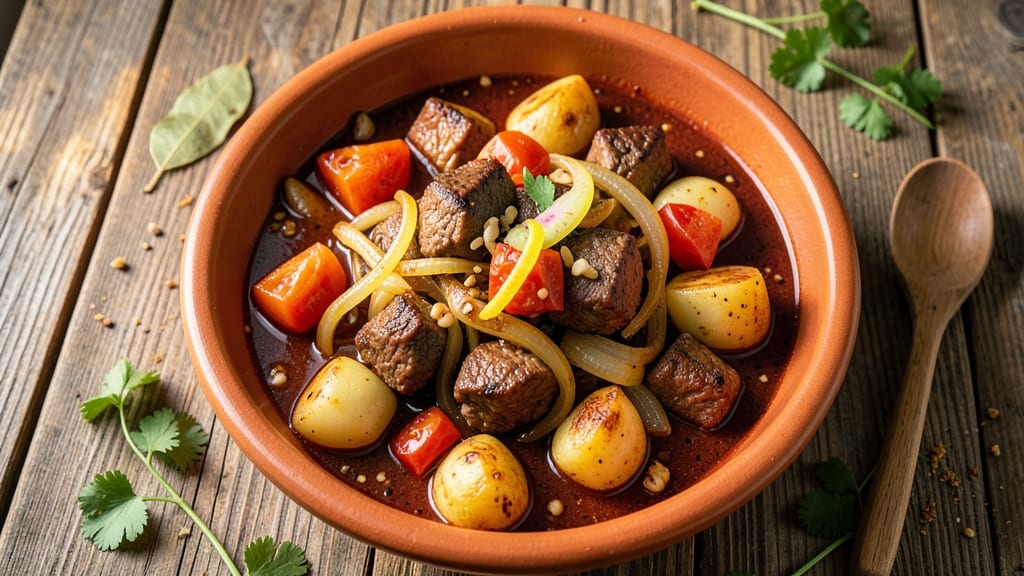
This Anglo-Indian beef stew recipe bridges centuries of colonial culinary fusion, where British slow-cooking techniques met India’s vibrant spice traditions. The result? A deeply aromatic, wine-infused braise where tender beef melts into a rich, spiced gravy that’s both comforting and complex.
I first discovered this dish while researching colonial-era Indian cookbooks, and it’s since become a staple in my winter repertoire—especially when paired with warm naan or basmati rice.
The secret lies in the slow braising process, which transforms tough beef into fork-tender perfection while allowing spices like garam masala, black cardamom, and cloves to bloom into layers of warmth.
Unlike traditional Indian curries, this stew incorporates red wine and tomatoes for depth, creating a sauce that’s velvety yet bright. The key is patience: letting the spices toast gently before adding liquid ensures they infuse the beef without overpowering it.
What you’ll end up with is a restaurant-quality stew that’s rich enough for a cozy dinner but versatile enough for meal prep.
The beef falls apart at the touch of a fork, swimming in a gravy that’s fragrant with cinnamon, peppery with black cardamom, and balanced by the acidity of the wine. Every spoonful carries the history of British-Indian dining, but with a simplicity that makes it perfect for weeknight cooking.
Serve it with crusty bread to soak up the sauce or alongside fluffy basmati rice to stretch the meal further. The leftovers only improve as the flavors meld overnight, making this a foolproof recipe for both special occasions and lazy Sundays. Let’s get cooking—this stew is worth the wait.
Ingredients for anglo indian beef stew
Nine spices, two cups of wine, and beef that melts like butter—this stew is pure comfort in a pot.
| Ingredient | Amount | Notes |
|---|---|---|
| Beef Chuck Roast 🥩 | 2 ½ lb | Pre-cubed for even cooking |
| Red Wine 🍷 | 1 cup | Bold dry variety like Cabernet |
| Tomato Paste 🍅 | 2 tbsp | Squeeze tube preferred |
| Yellow Onion 🧅 | 1 whole | Diced into small pieces |
| Garlic Cloves 🧄 | 6 cloves | Minced for aromatic base |
| Fresh Ginger 🌿 | 1 ½ tbsp | Grated finely (peeled) |
| Garam Masala 🌶️ | 1 ½ tsp | Toasted for depth |
| Black Cardamom Pods 🌿 | 4 whole | Lightly crushed |
| Cloves 🌿 | 4 whole | Whole for subtle spice |
| Cinnamon Sticks 🌿 | 2 whole | For aromatic warmth |
| Black Peppercorns 🌶️ | 1 tsp | Freshly cracked |
| Bay Leaves 🌿 | 2 whole | For herbal depth |
| Beef Broth 💧 | 2 cups | Low-sodium preferred |
| Olive Oil 🫒 | 2 tbsp | For searing beef |
| Fresh Rosemary 🌿 | 1 tbsp | Chopped finely |
The beef is non-negotiable—chuck roast has the fat and connective tissue to become fork-tender. Costco or Whole Foods usually have it pre-cubed, which saves time. If you're buying a whole roast, ask the butcher to cut it into 1.5-inch cubes. The wine? Cabernet Sauvignon or Merlot works best—whatever's open in your fridge. For the spices, Penzeys Spices or the bulk bins at Indian markets are your best bets. Toast the whole spices (cardamom, cloves, cinnamon) in a dry pan for 30 seconds before adding to the pot—this releases their oils and makes them sing.
No red wine? Substitute with beef broth plus 1 tbsp balsamic vinegar—it adds the same depth. Fresh ginger too pricey? Ground ginger at half the amount works, but you'll lose that bright zing. The tomato paste can be skipped if you're strict about authenticity, but I always include it for that British-Indian balance. Short on rosemary? Thyme or marjoram steps in just fine. For the broth, low-sodium is key—you don't want to overpower the delicate spice profile. And if you're feeling fancy, add a splash of brandy with the wine for extra richness.
This stew tastes even better the next day—3-4 days in the fridge, 3 months frozen. I always make a double batch because it reheats beautifully. Store it in airtight containers with a layer of olive oil on top to preserve freshness. The beef gets even more tender after sitting overnight, so plan ahead if you're serving it for dinner. Leftovers? Perfect for lunch the next day with a side of warm naan or crusty bread to soak up every last bit of that spiced gravy.
Why You'll Love This Recipe
- One-Pot Magic: The beef chuck roast practically cooks itself while you chop onions and crush garlic—no fancy techniques, just slow simmering until it falls apart. Between us, that’s my kind of dinner: minimal hands-on time, maximum flavor without the stress.
- Wine-Infused Depth: Honestly, the red wine isn’t just for show—it melts into the stew, balancing the richness of the beef with a bright, almost umami punch. Pair that with a spoonful of tomato paste, and suddenly you’ve got layers of flavor that taste like you slaved over it for hours (but you didn’t).
- Leftover Goldmine: This stew only gets better the next day—my freezer is packed with portions because reheating turns the beef even more tender. Toss it into sandwiches, over rice, or straight from the pot with crusty bread. It’s the ultimate “I forgot to plan ahead” fix.
- Budget-Friendly Feast: A single chuck roast stretches for four meals, and the pantry staples (onions, garlic, tomato paste) won’t break the bank. I’ll be real: this is how I feed my family for under $15 while still feeling like I’m serving something special. Not the prettiest, but the taste makes up for it.
Step-by-step instructions for Anglo-Indian beef stew
Let's create a rich, aromatic stew where tender beef melts in your mouth.
Sear the Beef Chuck Roast for Depth of Flavor
Heat the 2 tablespoons olive oil in a heavy Dutch oven over medium-high heat until shimmering. Pat the 2.5 lb beef chuck roast dry with paper towels - this ensures a proper sear. Working in batches if needed, add the beef cubes and sear undisturbed for 3-4 minutes per side until they develop a deep golden-brown crust. You'll see the edges caramelize and smell the rich beefy aroma - this is your signal they're properly browned.
As you sear, remove the beef and set it aside. Don't drain the fond (browned bits) in the pot - these are packed with flavor that will dissolve into your sauce. Here's the thing: proper searing creates the Maillard reaction, which builds complex flavors that simmer beautifully in the stew. If your pot gets too crowded, work in batches to avoid steaming instead of searing.
Build the Aromatic Spice Base
In the same Dutch oven, add the 1 whole yellow onion and cook for 5 minutes until softened and slightly caramelized. Add the 6 cloves minced garlic and 1.5 tablespoons finely grated fresh ginger, cooking for 1 minute until fragrant - you should smell that pungent garlic-ginger combination that's the heart of Anglo-Indian flavors.
Now add the 2 tablespoons tomato paste and cook for 2 minutes until it darkens slightly. This creates a rich base that will deepen the stew's color and flavor. Stir in the 1.5 teaspoons toasted garam masala, 4 lightly crushed black cardamom pods, 4 whole cloves, 2 whole cinnamon sticks, 1 teaspoon freshly cracked black peppercorns, and 2 whole bay leaves. Toast these spices for 1 minute until you smell their aromatic oils releasing - this is when they'll truly infuse the stew with their character.
Deglaze and Develop the Wine Reduction
Pour in the 1 cup red wine and scrape up all those flavorful browned bits from the bottom of the pot with a wooden spoon. This deglazing step captures all the caramelized beef flavors that would otherwise stick to the pan. Let the wine simmer for 3-4 minutes until it reduces by about half and the alcohol burns off - you'll notice the aroma changing from sharp wine to something richer and more complex.
Here's where the magic happens: the wine reduction forms the foundation of your stew's sauce. You want it to coat the back of a spoon but still have some body. If it reduces too quickly, lower the heat slightly. The alcohol needs time to evaporate completely - this prevents a harsh taste in your finished stew.
Braise Until Tender with Herbal Depth
Return the seared beef to the pot and add the 2 cups beef broth. Bring to a gentle simmer, then reduce heat to low and cover partially. Let it cook for 2 to 2.5 hours until the beef is fork-tender. You'll know it's done when a knife slides in easily and the beef pulls apart with minimal resistance. The stew should have reduced slightly, creating a thick, flavorful sauce that coats the beef.
About 30 minutes before the stew is done, stir in the 1 tablespoon chopped fresh rosemary. This herb adds a bright, piney note that cuts through the richness of the beef and wine. Don't skip this - it's what makes this stew truly Anglo-Indian. The rosemary should be just fragrant enough to smell but not overpowering.
Adjust Consistency and Serve Warm
Once the beef is tender, taste the stew and adjust seasoning if needed. If the sauce is too thick, add a splash of beef broth to reach your desired consistency. The stew should be rich but still allow you to see the beef pieces beneath. Real talk: this is where you can make it perfect for your taste - some prefer it thicker, others like it more sauce-like.
Let the stew rest for 10 minutes before serving. This allows the flavors to meld completely and the beef to absorb any remaining sauce. Serve hot with crusty bread or over buttered egg noodles. Each bite should deliver tender beef with layers of wine, spice, and herbal aromas that dance on your palate.
Pro Tips For Making Anglo Indian Beef Stew
- Sear the Chuck Hard: The beef chuck needs a proper crust—don’t rush this. After browning the onions and garlic, pull the pan off heat, add the chuck, and let it sit for 30 seconds so it doesn’t steam. Then sear on high for 4-5 minutes per side until deep brown, not just pink. This isn’t just for looks; it builds flavor that won’t dissolve later.
- Deglaze with Wine Twice: After searing, pour in half the wine (about 1/2 cup) and scrape every last bit from the bottom—this is where the magic hides. Let it simmer until reduced by half, then add the rest of the wine. The first deglaze pulls out the fond, while the second ensures the wine’s acidity cuts through the richness of the tomato paste later.
- Bloom the Spices First: Toast whole spices (cinnamon, cardamom, cloves, black peppercorns) in a dry pan for 30 seconds until fragrant. Crush them lightly with the flat of a knife before adding to the stew. I learned this the hard way—raw spices just sit there like dull decorations, but blooming them unlocks their aroma.
- Simmer Low and Slow: Anglo-Indian stews need patience. After adding the tomato paste and wine reduction, cover the pot and simmer at 180°F (82°C) for at least 3 hours—yes, even if the meat seems tender. The low heat melts collagen into the sauce, making it silky. Skipping this step leaves you with tough meat and a thin sauce.
Regional styles of this anglo indian beef stew
Colonial-Era British Style
This version leans heavily into British slow-cooking traditions, where beef was braised for hours to tenderize tough cuts. The key difference is replacing garam masala with a blend of mustard seeds, fenugreek, and turmeric—spices British colonists were more familiar with during the 18th century.
I like using dry sherry instead of red wine for the braise, as it was more commonly available in colonial kitchens. Serve with buttered Yorkshire pudding or plum pudding for an authentic touch. 🍷
Mumbai Street Food Twist
In Mumbai’s bustling streets, vendors adapt Anglo-Indian stews into portable, spicier versions. Swap the wine for 1 cup coconut milk and add 1 tsp Kashmiri chili powder and ½ tsp amchur (dried mango powder) to brighten the flavors.
Garnish with cilantro and lemon wedges before serving. This version pairs perfectly with garlic naan or bombay-style toast. The coconut milk adds a creamy contrast to the spice, making it a crowd-pleaser. 🌶️
Hyderabadi Nizam-Style
The Nizam’s royal kitchens elevated Anglo-Indian stews with saffron-infused milk and kewra water (a floral essence). For a simpler version, stir in ½ tsp saffron threads steeped in ¼ cup warm milk at the end of cooking.
Add 1 tbsp ground coriander and ½ tsp nutmeg for depth. Serve with steamed jeera rice and mirchi ka salan (chili pickle) to balance the richness. This version is lighter yet equally aromatic. ✨
Goan Portuguese Fusion
Goa’s Portuguese heritage blends with Indian spices in this version. Replace red wine with 1 cup white wine and add 1 tsp vinegar to mimic the acidity of Portuguese vinho verde. Stir in 1 tbsp goan curry leaves and ½ tsp fennel seeds for a distinct flavor.
Top with fried cashew nuts and coriander for crunch. Pair with Goan bread (pao) or steamed rice for a true fusion experience. 🥖
Punjabi Home-Style
In Punjab, this stew is often made with bone-in beef shank for extra richness. Add 1 tsp cumin seeds and 1 tsp fennel seeds to the spice blend, and finish with 1 tbsp ghee swirled in at the end.
Serve with makki ki roti (corn flatbread) and lachha paratha to soak up the gravy. The ghee adds a luxurious finish that’s quintessential Punjabi comfort food. 💛
Nutrition facts
Frequently asked questions
Why does this stew need such a long cooking time?
The 2-2.5 hour braising time is crucial for transforming tough beef chuck into melt-in-your-mouth tenderness. Anglo-Indian cuisine relies on slow cooking to develop deep, complex flavors while breaking down connective tissue. The spices also need time to infuse properly - rushing this step will leave you with tough meat and underdeveloped aromas.
Can I substitute the red wine with something else?
Yes! For a non-alcoholic version, use 1 cup beef broth plus 1 tablespoon balsamic vinegar. If you prefer white wine, use the same amount but reduce the cooking time slightly (2 hours) since white wine has less body. The key is maintaining acidity to balance the rich beef and spices.
How do I know when the beef is fully tender?
Test with a fork or knife - the beef should easily pull apart with minimal resistance. You'll also see the meat fibers separate cleanly. Another sign is when the sauce thickens slightly and coats the back of a spoon. If you're unsure, add 15 more minutes of cooking time rather than risking toughness.
What's the best way to reheat leftovers?
Reheat gently in a pot over low heat with a splash of beef broth to prevent drying. Never microwave directly from the fridge - this creates a rubbery texture. For best results, reheat just until warmed through (5-7 minutes), then let it sit covered for 5 minutes to redistribute the juices.
Can I make this stew in an Instant Pot?
Sear the beef first, then add all ingredients and cook on high pressure for 45 minutes followed by a 10-minute natural release. The pressure cooker cuts time in half while still delivering tender beef. Just be sure to use the same spice amounts - the flavors will concentrate differently than in a Dutch oven.