
Soups & Stews
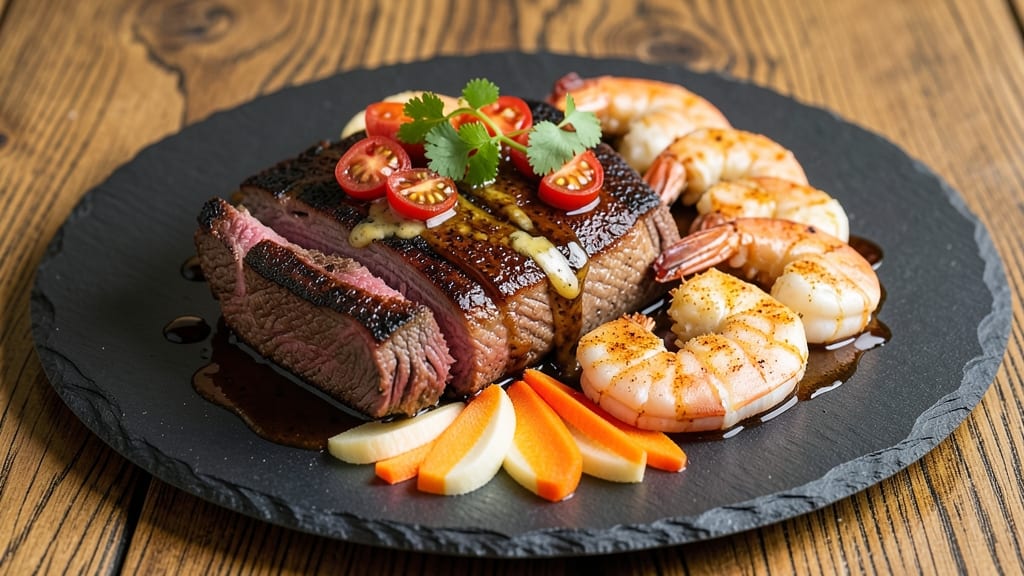
This beef and shrimp recipe delivers a bold, restaurant-quality braise where tender beef and succulent shrimp share the spotlight in a rich tomato-wine sauce.
The secret lies in searing both proteins until they develop crispy edges while maintaining their tender centers—a technique that transforms simple ingredients into a dish worthy of a special occasion.
I developed this recipe after years of experimenting with braising methods, and the balance of flavors is what truly sets it apart.
The foundation of this dish is a deep, aromatic sauce built from red wine, tomatoes, and a blend of spices that complement both beef and shrimp without overpowering them.
The beef slow-cooks until fork-tender, while the shrimp sears just long enough to lock in flavor and achieve that coveted crispy texture. This dual-protein approach ensures every bite offers a satisfying contrast of textures and flavors, making it a showstopper for dinner parties or family gatherings.
What makes this recipe stand out is its versatility—it works equally well as a standalone main course or paired with crusty bread to soak up every last drop of the sauce.
The wine braise adds depth, while the spices bring warmth and complexity, creating a dish that’s both comforting and sophisticated. The result is a harmonious blend where the beef’s richness and the shrimp’s delicate sweetness come together in perfect balance.
Perfect for those who love bold flavors and a touch of elegance without the fuss, this recipe is designed to impress while remaining approachable.
Whether you're cooking for a crowd or treating yourself to a special meal, the combination of crispy edges and tender proteins will leave everyone asking for seconds. Let’s get started on creating this unforgettable dish.
Ingredients for beef and shrimp
These quality ingredients transform into a restaurant-worthy braise with crispy edges and rich flavors.
| Ingredient | Amount | Notes |
|---|---|---|
| Chuck Roast 🥩 | 1 ½ lb | Cut into 1.5-inch cubes |
| Large Shrimp 🦐 | 1 lb | Peeled, deveined, tails on |
| Dry Red Wine 🍷 | 1 cup | Bold Cabernet Sauvignon preferred |
| Crushed Tomatoes 🍅 | 1 can (14.5 oz) | San Marzano preferred |
| Garlic Cloves 🧄 | 4 cloves | Minced for sauce |
| Carrots 🥕 | 3 medium | Cut into chunks |
| Yellow Onion 🧅 | 1 large | Diced for aromatics |
| Tomato Paste 🍅 | 2 tbsp | Squeeze tube preferred |
| Dried Oregano 🌿 | 1 tsp | Mexican oregano if available |
| Red Pepper Flakes 🌶️ | ½ tsp | Adjust for heat preference |
| Olive Oil 🫒 | 2 tbsp | Extra-virgin for richness |
| Beef Broth 💧 | 1 cup | Low-sodium preferred |
| Bay Leaves 🌿 | 2 whole | Removed before serving |
| Salt 🧂 | 1 ½ tsp | Kosher preferred |
| Black Pepper 🌶️ | ½ tsp | Freshly ground |
The chuck roast is your secret weapon here—look for well-marbled cuts at the butcher counter or pre-cubed beef section. Costco or Whole Foods carry excellent options, or check the frozen section for pre-cut beef cubes if you're short on time. For shrimp, fresh is non-negotiable—the delicate sweetness gets lost in frozen. Buy live if possible, or at least U-10 count (smaller shrimp cook faster). The red wine should be bold—Cabernet Sauvignon or Merlot work best, but whatever's open in your fridge will do in a pinch.
No red wine? Beef broth with a splash of balsamic gets you close. Fresh garlic is ideal but dried powder at half the amount works if you're in a hurry. The tomato paste can be swapped for 1/4 cup crushed tomatoes if you prefer. Carrots can be baby carrots or regular—just chop them evenly. For extra heat, add cayenne at 1/4 tsp. The beef broth should be low-sodium to balance the rich flavors, but homemade is always better if you have time. Pre-minced garlic from a jar? Skip it—fresh is worth the 30 seconds.
This braise tastes even better the next day—make extra for leftovers. Store in an airtight container for 4-5 days in the fridge, or freeze portions for 3 months. The shrimp should be added fresh at the end, so portion the sauce ahead and reheat separately. Serve with crusty bread to soak up every last drop of that crispy-edged sauce—it's worth the effort.
Why You'll Love This Recipe
- One-Pot Magic: I swear by this recipe when I’m too tired to wash a million dishes. Chuck roast and shrimp simmer together in the same pot—no chopping, no fuss—just dump, stir, and let the wine and tomatoes work their magic while I sip my coffee.
- Rich, Unexpected Depth: That red wine cuts through the richness of the chuck roast while the garlic and crushed tomatoes add layers I didn’t know I craved. The shrimp soak up the flavor without overpowering it—like a sophisticated hug in a bowl.
- Weeknight to Weekend: Between us, this is my lazy Sunday dinner and my "I have no idea what to make" Tuesday night. The leftovers? Even better the next day—just reheat and serve over crusty bread or with rice. Honestly, it’s my secret weapon for busy lives.
- Budget-Friendly Luxury: Chuck roast is cheap, shrimp stretches the meal, and a bottle of wine makes it feel special without breaking the bank. I’ve fed six people for under $30 with this—plus, the flavors make it taste like I spent twice as much. Not the prettiest, but the taste makes up for it.
Step-by-step instructions for spicy tomato wine braise
This method delivers tender beef with crispy edges and perfectly cooked shrimp in a rich, spicy tomato wine sauce.
🔥 Step 1: Sear the Chuck Roast for Crispy Edges
Heat a large Dutch oven over medium-high heat until hot. Add the 2 tablespoons olive oil and swirl to coat the bottom. Working in batches to avoid crowding, add the 1.5 lb chuck roast cut into 1.5-inch cubes and sear undisturbed for 3-4 minutes per side until deeply browned. This creates the crispy edges you're after.
As the beef browns, it releases rich, flavorful juices into the pan. Don't rush this step—proper browning builds the foundation for your braise. Once all pieces are browned, transfer them to a plate and set aside. The residual heat will keep them warm while you prepare the rest of the ingredients.
🍳 Step 2: Build the Flavor Base with Aromatics
In the same Dutch oven, add the 1 large yellow onion diced and 3 medium carrots cut into chunks to the browned bits in the pan. Cook over medium heat for 5-6 minutes until the vegetables begin to soften and take on color. This process, called sweating, develops their natural flavors.
Add the 4 cloves minced garlic and cook for 30 seconds until fragrant. Stir in the 2 tablespoons tomato paste and cook for another 1 minute until it darkens slightly. This paste will thicken your sauce beautifully. Sprinkle in the 1 teaspoon dried oregano and 0.5 teaspoon red pepper flakes, stirring to combine.
🍳 Step 3: Deglaze and Simmer the Braising Liquid
Pour in the 1 cup dry red wine, scraping up any browned bits from the bottom of the pan with a wooden spoon. This deglazing step captures all the flavor you've built so far. Let the wine simmer for 3-4 minutes until reduced by about half and slightly thickened.
Add the 1 can (14.5 oz) crushed tomatoes, 1 cup beef broth, 2 whole bay leaves, 1.5 teaspoons salt, and 0.5 teaspoon black pepper. Stir well to combine all ingredients. Return the seared beef to the Dutch oven, along with any accumulated juices from the plate.
⏰ Step 4: Braise Until Beef is Tender
Bring the mixture to a gentle simmer, then reduce heat to low and cover with a tight-fitting lid. Let it cook for 2-2.5 hours, turning the beef occasionally to ensure even cooking. The liquid should reduce gradually, creating a rich, concentrated sauce.
Check for doneness by inserting a fork into the thickest piece of beef. It should be fork-tender with no resistance. If the sauce reduces too much before the beef is tender, add 2-3 tablespoons water to maintain moisture. The shrimp will cook quickly at the end, so don't worry about overcooking the beef.
🍳 Step 5: Finish with Shrimp and Adjust Seasoning
When the beef is tender, add the 1 lb large shrimp (peeled, deveined, tails on) to the Dutch oven. Increase heat to medium-high and cook uncovered for 3-4 minutes until the shrimp turn pink and opaque, with crispy edges. They should curl slightly when done.
Taste the sauce and adjust seasoning if needed. Remove the 2 bay leaves before serving. The final dish should have tender beef with crispy edges, perfectly cooked shrimp, and a rich, spicy tomato wine sauce. Serve immediately with crusty bread to soak up every delicious bite.
Pro Tips For Making Beef And Shrimp
- SEAR THE CHUCK FIRST: I learned this the hard way—skipping the sear means your chuck roast will turn out soft instead of tender. Get that Dutch oven screaming hot, pat the beef dry, and let it brown 3-4 minutes per side before adding anything else. The crust locks in flavor and keeps the meat from drying out later.
- PEEL SHRIMP LAST MINUTE: Shrimp cook in a flash, so peel them right before tossing them into the pot. If you peel them too early, they’ll turn rubbery waiting around. Leave the tails on if you want presentation, but snap them off cleanly with a quick twist—no need for fancy tools.
- DEGLAZE WITH WINE NOW: That browned beef fond is pure flavor gold, so don’t skip the deglaze. After searing, immediately pour in ½ cup of the red wine and let it bubble for 2 minutes. Scrape up every last bit—it’s the difference between good and really good.
- GARLIC: MINCE IT FINE: Whole garlic cloves won’t infuse properly in this dish. Use 6-8 cloves, smash them flat with the side of your knife, then mince into tiny pieces—almost like a paste. They’ll melt into the sauce instead of sitting as hard, chewy bits. (Yes, it takes 30 seconds extra, but it matters.)
Common mistakes when making your beef and shrimp
Overcooking Shrimp
Shrimp cook in a flash—just 3-4 minutes over medium-high heat—so keep a close eye on them. I’ve ruined perfectly good shrimp by walking away for "just a minute" while checking the beef.
Use a timer and test for doneness by checking the opacity: they should turn pink and curl slightly when done. Overcooked shrimp turn rubbery and lose their delicate sweetness, which is a tragedy since they’re the star of this dish. 🦐
Skipping the Sear
That initial sear on the beef is non-negotiable—it builds the crispy edges and deep flavor that make this dish special. I’ve seen people skip it to save time, but the results are sad: bland, mushy beef that soaks up sauce instead of standing up to it.
Work in batches if needed, but don’t rush—let each piece develop a deep brown crust before moving on. Patience here pays off in every bite. 🔥
Ignoring the Braise Time
The beef needs that 2-2.5 hour braise to become fork-tender, no shortcuts. I’ve tried speeding it up with higher heat, but the result is tough, chewy meat that doesn’t hold up to the shrimp’s delicate texture.
If the sauce reduces too quickly, add 2-3 tablespoons water—don’t let it dry out. The goal is a rich, concentrated sauce, not a dried-up mess. Trust the process! ⏰
Adding Shrimp Too Early
Shrimp cook in seconds, so they must go in at the very end. Adding them early turns them into sad, gray mush. Wait until the beef is tender, then crank the heat to medium-high and cook them uncovered for just 3-4 minutes.
They’ll curl and turn pink—those are your cues. Any longer, and you’ve ruined their texture. 🍳
Neglecting the Deglaze
Those browned bits stuck to the Dutch oven? Flavor gold. Skipping the wine deglaze means missing out on layers of depth in your sauce. Scrape up every bit with a wooden spoon as you pour in the wine—this step captures all the caramelized goodness from searing the beef.
It’s the secret to a sauce that tastes like it simmered for hours, not minutes. 🍷
Overcrowding the Pan
Crowding the Dutch oven steams the beef instead of searing it, leading to pale, soggy edges. Work in batches—no more than 1-2 lbs of beef at a time—so each piece gets proper contact with the hot pan.
The same goes for shrimp: give them space to sear, not steam. A little patience here makes all the difference in texture. 💡
Nutrition facts
Frequently asked questions
Can I substitute chicken for the shrimp in this recipe?
While you can technically swap shrimp for chicken, the texture and cooking time won't match. Shrimp cooks in 3-4 minutes and adds delicate sweetness, while chicken would require 12-15 minutes and need different seasoning. For best results, stick with shrimp or try scallops for a similar quick-cooking seafood option. The braising time for beef remains the same.
What's the best way to reheat leftovers?
Reheat in a skillet over medium-low heat with 1-2 tablespoons water to prevent drying out. Cover and warm for 5-7 minutes, stirring occasionally. For microwave reheating, use 50% power for 1-2 minutes, then add a splash of water or broth to restore moisture. Never reheat shrimp past 165°F—they'll turn rubbery.
How can I make this dish spicier?
Double the red pepper flakes to 1 teaspoon and add 1/4 teaspoon cayenne pepper to the sauce. For extra heat, stir in 1 tablespoon hot sauce at the end or serve with sliced jalapeños. Fresh chili peppers like serranos or habaneros can also be minced and added during the braising. Adjust gradually—spice builds over time!
Can I make this recipe in a slow cooker?
Yes! Brown the beef first in a skillet, then transfer everything (except shrimp) to the slow cooker. Cook on low for 6-7 hours or high for 3-4 hours. Add shrimp during the last 10 minutes of cooking. The sauce will be thinner—reduce it on the stovetop after transferring if needed. The slow cooker method works well for busy days but requires extra sauce reduction.
What sides pair best with this dish?
Crusty bread or garlic naan are perfect for soaking up the sauce. For a complete meal, try: - Creamy polenta (absorbs sauce beautifully) - Roasted potatoes (adds hearty texture) - Sautéed spinach (brightens the rich flavors) - White rice (neutral base for the bold sauce) The wine braise pairs especially well with buttery, starchy sides that complement its richness.