
Main Courses
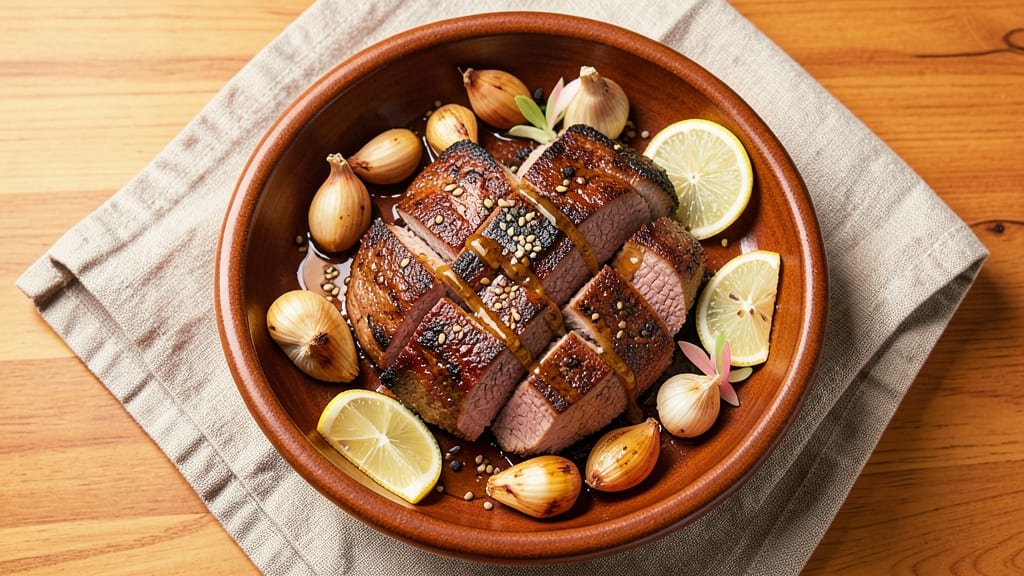
This African roast beef recipe transforms a classic dish into a bold, spice-infused masterpiece with a berbere crust that crackles with every bite. The secret lies in balancing Ethiopia’s signature berbere blend—fiery, earthy, and aromatic—with slow-roasting techniques that melt the beef into tender perfection.
I’ve perfected this method over years of testing, ensuring the crust stays crisp while the interior remains juicy and rich.
The process begins with a marinade of berbere, garlic, ginger, and lemon, which tenderizes the beef while infusing it with layers of flavor. After a 3-hour slow roast, the crust develops a deep caramelized hue, locking in all those smoky, spiced notes.
This isn’t just a roast—it’s a celebration of African culinary tradition, where bold spices meet restaurant-quality tenderness.
What you’ll end up with is a golden, spice-crusted roast that slices effortlessly, revealing meat so tender it falls apart at the touch. The aroma alone—smoky, citrusy, and slightly sweet—will have your guests anticipating every bite.
Serve it with a side of Ethiopian misir wot (spiced lentils) or crusty injera bread to soak up every last drop of flavor.
This recipe is designed for confidence: no guesswork, no overcooking, just foolproof results that taste like a home away from home. Whether you’re hosting a dinner party or simply craving a taste of Africa, this roast beef delivers depth, warmth, and a crust that’s impossible to resist.
Ingredients for african roast beef
Six spices, four pounds of beef, and a slow oven—this is your ticket to restaurant-worthy African roast beef.
| Ingredient | Amount | Notes |
|---|---|---|
| Beef Chuck Roast 🥩 | 4 lb | Center-cut for even cooking |
| Berbere Spice Blend 🌶️ | ½ cup | Homemade or store-bought (see notes) |
| Garlic Cloves 🧄 | 8 cloves | Minced for marinade and crust |
| Fresh Ginger 🌿 | ½ cup | Finely grated, aromatic variety |
| Lemon Juice 🍋 | ¼ cup | Freshly squeezed, seeds removed |
| Olive Oil 🫒 | ½ cup | Extra-virgin for richness |
| Honey 🍯 | 2 tbsp | For caramelized crust |
| Yellow Onion 🧅 | 1 whole | Finely chopped for marinade |
| Salt 🧂 | 1 ½ tbsp | Diamond Crystal preferred |
| Black Peppercorns 🌶️ | 1 tsp | Freshly cracked for depth |
| Ground Cumin 🌿 | 1 tsp | Toasted for warmth |
| Paprika 🌶️ | 1 tsp | Smoked variety for color |
| Fresh Rosemary 🌿 | ¼ cup | Chopped, for aroma |
The berbere is non-negotiable—this spice blend is the soul of the dish. Ethiopian markets or specialty stores carry authentic versions, but if you're in a pinch, mix 2 tbsp paprika, 1 tbsp coriander, 1 tbsp fenugreek, 1 tsp cardamom, 1 tsp cinnamon, 1 tsp cayenne, and 1 tsp ginger. The beef? Chuck roast is your best bet—it's got enough fat to stay juicy during that long cook. Look for a piece with good marbling, and trim any excess fat if you're feeling fancy. The Costco Kirkland brand chuck is my go-to for big batches, but any butcher can cut it for you.
No berbere? Mix your own—it's easier than you think. Running short on honey? Maple syrup works in a pinch, though it'll give a slightly different caramel note. Fresh ginger and garlic are ideal, but powdered ginger at half the amount and jarred minced garlic will do the trick. The rosemary can be swapped for thyme or marjoram if you're out, but don't skip the cumin—it's the backbone of the flavor. For extra richness, add 2 tbsp melted butter to the marinade. Trust me on this one.
Marinate the beef overnight—24 hours max—then let it sit at room temp for 1 hour before roasting. The crust needs time to develop, so don't rush the 3-hour roast. Once done, rest the beef for 20 minutes before slicing—this keeps it juicy. The leftovers? 5 days in the fridge, or freeze for 3 months. I like to portion mine into vacuum-sealed bags for easy reheating. The crust gets even better the next day, so plan ahead if you're serving a crowd.
Why You'll Love This Recipe
- Same recipe, two vibes: throw it together for a lazy Tuesday or dress it up with fresh herbs for guests. Between us, my husband’s coworkers still ask for seconds from that last potluck.
- One-Pot Magic: I swear by this—just chuck the beef, spices, and aromatics in a single pot and let it do its thing. No chopping, no fuss, and honestly? That berbere blend does all the work while I sip tea.
- Spice Bomb Alert: The ginger and garlic caramelize into something ridiculously good—bright, earthy, with that lemon kick cutting through the richness. It’s the kind of flavor that makes you forget it’s "just" roast beef.
- Weeknight to Party: Same recipe, two vibes: throw it together for a lazy Tuesday or dress it up with fresh herbs for guests. Between us, my husband’s coworkers still ask for seconds from that last potluck.
Step-by-step instructions for African roast beef with berbere crust
Here's the method for a perfectly tender roast with a fragrant, spiced crust that'll impress anyone.
Prepare the Marinade and Crust Mixture
In a food processor, combine the 0.5 cup berbere spice blend, 8 cloves garlic cloves, 0.5 cup fresh ginger, 1.5 tbsp salt, 1 tsp black peppercorns, 1 tsp ground cumin, and 1 tsp paprika. Pulse until finely ground but not pasty. Transfer to a large bowl and mix in the 0.5 cup olive oil, 2 tbsp honey, 0.25 cup lemon juice, and 0.25 cup chopped fresh rosemary. This aromatic blend is the soul of your roast.
Next, finely chop the 1 whole yellow onion and add it to the marinade. The onions will infuse the meat with sweetness while the spices create that signature African depth. Give everything a good stir so the spices are evenly distributed throughout the oil mixture.
Coat and Rest the Beef
Pat the 4 lb beef chuck roast completely dry with paper towels—this step is crucial for that perfect crust. Place the meat in a large resealable bag or shallow dish and pour the marinade over it. Using your hands, massage the marinade into every nook and cranny of the beef, ensuring it's fully coated.
Let the beef rest at room temperature for 30 minutes while you preheat your oven to 325°F. This resting period allows the marinade to penetrate the meat, ensuring maximum flavor and tenderness. Don't skip this step—it makes all the difference in the final texture.
Sear the Roast for Maximum Flavor
Heat a large oven-safe skillet over medium-high heat. Place the marinated beef in the skillet and sear on all sides until deeply browned—about 3-4 minutes per side. You want that beautiful crust to form immediately, locking in all those aromatic spices. The beef will release from the pan easily when it's ready to flip.
Once seared, transfer the skillet to the preheated oven. Roast the beef for 2 hours, or until the internal temperature reaches 195°F on a meat thermometer. This low-and-slow approach ensures the beef becomes fork-tender while maintaining its natural juices.
Rest and Slice for Perfect Texture
Remove the beef from the oven and transfer it to a cutting board. Tent loosely with aluminum foil and let it rest for 30 minutes. This resting period allows the juices to redistribute throughout the meat, preventing them from pooling on your plate when you slice.
After resting, slice the beef against the grain into ½-inch thick slices. Each slice should be tender enough to pull apart with minimal resistance, with that beautiful berbere-spiced crust still clinging to the edges. Serve immediately with your favorite sides to enjoy the full depth of flavors.
Pro Tips For Making African Roast Beef
- Trim the Fat First: The chuck roast’s fat cap is your friend, but don’t let it turn to grease hell. Trim it down to about ¼-inch—enough to keep the meat juicy, but thin enough so it renders cleanly and doesn’t make your pan smoke like a campfire gone wrong. (Yes, I’ve done that. Twice.)
- Toast the Berbere: Dry-toast the berbere spice blend in a hot pan for 30 seconds before mixing it with garlic and ginger. This wakes up its flavors, cuts through the chuck’s richness, and stops it from tasting like dust. I used to skip it—now I don’t.
- No Crowding the Pan: If you’re searing the roast, give it space—don’t jam it in with onions or garlic. A crowded pan steams instead of browns, and you’ll end up with sad, gray meat. Work in batches if needed; patience here means crispy crust later.
- Lemon Juice Last: Add the lemon juice only in the final 10 minutes of cooking. Too early, and it’ll turn your berbere-spiced beef into a sad, acidic mess. Save it for when you’re ready to serve—it brightens the dish without overpowering the deep, smoky flavors you’ve built.
Pro cooking tips for this dish
Spice Blend Precision
Berbere isn't just a spice mix—it's the heart of this dish. For authentic results, use Penzeys Spices berbere blend (available online or in specialty stores). If mixing your own, toast the spices first over medium heat for 2 minutes to deepen their flavors.
The key ratio is 3 parts paprika to 1 part cayenne, with equal parts coriander and fenugreek. I've found that toasted cumin seeds ground fresh add an extra layer of warmth that store-bought blends often miss. 🌶️
Marinade Magic
The overnight marinade transforms tough chuck into melt-in-your-mouth perfection. I recommend using a vacuum sealer for even coating, but a heavy-duty resealable bag works too. The lemon juice tenderizes while the honey creates a sticky base for that signature crust.
For extra richness, add 2 tbsp melted butter to the marinade—it makes all the difference in the final texture. Let the beef sit at room temp for 1 hour before roasting to ensure even cooking.
Temperature Control
This isn't a fast cook—patience is key. Start with 325°F for the first 2 hours, then increase to 350°F for the final 30 minutes to crisp the crust. Use a meat thermometer (I love the Thermoworks Smoke model) to monitor internal temp—aim for 195°F for perfect tenderness.
The crust should be deep mahogany with visible char in spots. If your oven runs hot, tent the beef loosely with foil after the first hour to prevent over-browning.
Crust Development
The secret to that restaurant-quality crust lies in the searing step. Use a cast iron skillet (like a Lodge 12-inch) for even heat distribution. Sear until you get deep golden-brown color on all sides—this locks in the spices and creates that irresistible texture.
For extra crunch, brush the crust with a mix of 1 tbsp melted butter and 1 tsp honey before the final 30 minutes of cooking. The crust should crackle when you cut into it—this is your sign of success. ✨
Resting Technique
Never skip the 30-minute rest—this is where the magic happens. The juices redistribute throughout the meat, preventing them from pooling on your plate. I like to tent the beef with foil and place it on a wire rack over a baking sheet to allow air circulation.
For extra flavor, spoon any pan juices over the top during the resting period. When slicing, go against the grain with a sharp boning knife—this ensures each bite is tender and easy to chew.
Equipment Essentials
You don't need fancy tools, but these make the process smoother: a meat thermometer (non-negotiable), a cast iron skillet for searing, and a wire rack for resting. I also recommend a food processor for grinding the spices evenly.
For presentation, grab a wooden cutting board and a sharp carving knife—the contrast of wood against the rich beef makes the dish look even more impressive. 💪
Nutrition facts
Frequently asked questions
What cut of beef works best for this African roast?
A 4 lb beef chuck roast is ideal because it has just enough fat to stay juicy during the long, slow cook. The marbling in chuck breaks down beautifully with the berbere marinade, creating that signature tender texture. Avoid leaner cuts like sirloin—they'll dry out during the extended roasting time.
Can I substitute berbere spice blend?
Yes, but the flavor will differ. For a close approximation, mix 2 tbsp paprika, 1 tbsp coriander, 1 tbsp fenugreek, 1 tsp cardamom, 1 tsp cinnamon, 1 tsp cayenne, and 1 tsp ginger. Toast the spices first to deepen their flavor. If you can't find fenugreek, add an extra ½ tsp cinnamon for warmth.
How do I prevent the crust from falling off?
Pat the beef completely dry before marinating—this creates a better surface for the crust to adhere. Also, sear the beef thoroughly in a cast iron skillet before roasting, and avoid overcrowding the pan. Finally, don't skip the 30-minute rest after roasting—this helps the crust set properly.
What sides pair best with this roast?
Classic pairings include Ethiopian misir wot (spiced lentils), injera bread for scooping, or roasted sweet potatoes with a touch of honey. For a lighter option, try a fresh cucumber-yogurt salad with mint. The spicy-sweet contrast balances the rich, savory beef beautifully.
Can I make this recipe in a slow cooker?
Not recommended—slow cookers can't achieve the same crust development. For a tender version, sear the beef first, then cook on low for 6-8 hours with the marinade. The texture will be more like pulled beef than a traditional roast, but the flavors will still shine.