
Soups & Stews
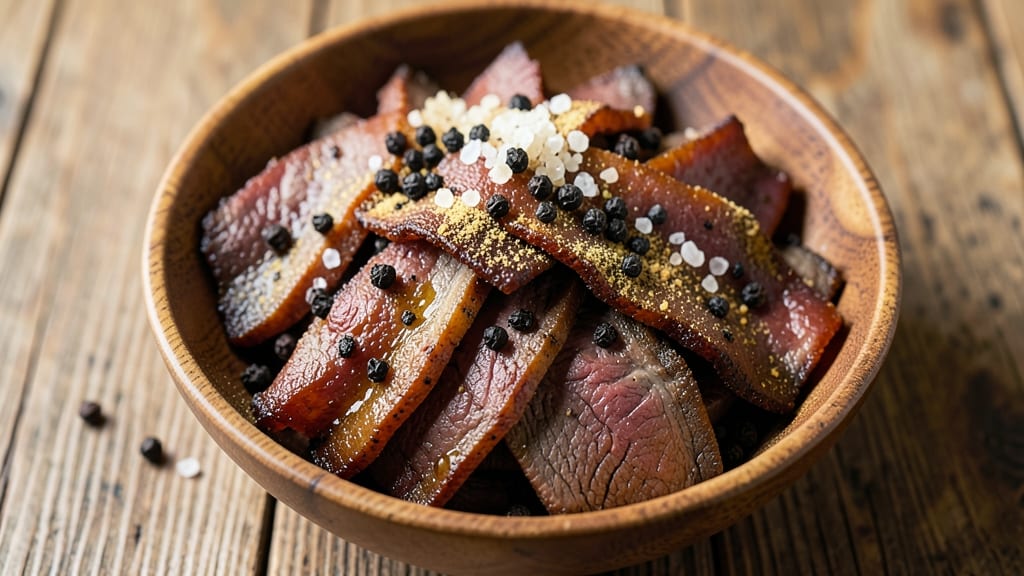
This beef biltong recipe transforms simple cuts of beef into South Africa’s beloved air-dried snack—packed with bold, savory flavors and satisfying texture. The process combines traditional curing techniques with modern convenience, ensuring you get restaurant-quality results at home without specialized equipment.
What starts as tender beef becomes a rich, deeply flavorful treat perfect for snacking or gifting.
The secret lies in the curing process: a precise blend of salt, sugar, and spices that tenderizes the meat while preserving its natural richness. Unlike jerky, biltong relies on air-drying rather than smoking, creating a unique, aromatic profile.
Whether you use a food dehydrator for speed or traditional air-drying for authenticity, the method is straightforward and foolproof—ideal for beginners and seasoned foodies alike.
By the time you’re done, you’ll have a batch of beef biltong with a firm yet tender bite and a deep, savory flavor that’s addictive in small bites. The curing process unlocks complex flavors, while the drying method ensures a shelf-stable snack that keeps for weeks.
Perfect for game day, travel, or as a protein-packed appetizer, this recipe delivers big on taste and convenience.
Store your biltong in an airtight container in the fridge for up to three months, or freeze for even longer shelf life. The versatility of this recipe means it works with different cuts of beef, from lean sirloin to flavorful chuck, giving you control over texture and taste.
Ready to master this South African classic? Let’s get started.
Ingredients for beef biltong
Simple ingredients, bold South African flavors—this is your biltong starter kit.
| Ingredient | Amount | Notes |
|---|---|---|
| Beef Top Round Roast 🥩 | 2 lb | Thinly sliced against grain |
| Diamond Crystal Kosher Salt 🧂 | ½ cup | Coarse grain preferred |
| Granulated Sugar 🍯 | ¼ cup | White or brown sugar |
| Black Peppercorns 🌶️ | 1 tbsp | Freshly cracked preferred |
| Ground Black Pepper 🌶️ | 1 tbsp | Freshly ground for best flavor |
| Garlic Powder 🧄 | 1 tbsp | Not garlic salt |
| Ground Coriander 🌿 | 1 tsp | For subtle citrus note |
| Ground Cumin 🌿 | 1 tsp | Toasted for deeper flavor |
| Smoked Paprika 🌶️ | 1 tsp | For authentic smoky depth |
| Fresh Rosemary 🌿 | ½ tsp | Finely chopped, stems removed |
| Fresh Thyme 🌿 | ½ tsp | Finely chopped, leaves only |
| Cornstarch 🌾 | 1 tbsp | For tenderizing effect |
| White Vinegar 🍶 | 1 tbsp | For tenderizing and preservation |
The beef cut matters most here. Top round roast is ideal—lean but flavorful, with just enough fat to stay tender during drying. Look for well-marbled cuts at Costco or Whole Foods if you want extra richness. Slice against the grain for that signature tender bite. If you can't find top round, sirloin or flank steak work too, just trim any excess fat. The salt is non-negotiable—Diamond Crystal kosher dissolves perfectly, but Morton coarse works in a pinch. For the spices, Penzeys or bulk bins at natural markets give you the freshest, most flavorful options.
No fresh herbs? Dried rosemary at one-third the amount works, but fresh is worth hunting down at farmers markets. Running low on vinegar? Lemon juice at the same quantity does the job. The sugar can be swapped for honey or maple syrup if you prefer a more complex flavor profile. For a smokier biltong, increase the smoked paprika to 1.5 teaspoons. The cornstarch is optional but helps tenderize—skip it if you prefer a firmer texture. If you're using a dehydrator, avoid pre-slicing too thin—aim for ¼-inch slices to prevent over-drying.
Store your finished biltong in an airtight container in the fridge for up to 3 months, or freeze for 6 months to preserve freshness. For gifting, wrap slices in parchment paper and tie with twine—looks stunning and keeps perfectly. The flavors deepen over time, so wait at least 24 hours before tasting. If your biltong develops a dry crust, brush with a little olive oil to restore moisture. This makes about 16-20 slices, perfect for snacking or sharing with friends.
Why You'll Love This Recipe
- No-Fuss Curing: I swear by this method—just slice the beef thin, toss it in a mix of salt, sugar, and peppercorns, then let it sit. No fancy equipment, no stress, and honestly, the hardest part is waiting (which, between us, is the best part).
- Savory-Sweet Magic: That sugar-salt blend? It’s what makes this ridiculously good. The beef gets this perfect balance of salty, sweet, and peppery—crispy on the outside, tender inside. (Yes, even my picky husband asks for seconds.)
- Snack Attack Ready: Between us, this is my go-to for parties, road trips, or just when I’m craving something hands-free. It keeps for weeks in the fridge, so I can prep a big batch and grab it anytime. My kids call it "meat jerky’s cooler cousin."
- Budget Meal Upgrade: Top round roast is cheap, but it turns into something that feels like a splurge. A pound of beef stretches into so much biltong—perfect for stretching meals, packing lunches, or just snacking without guilt. (And zero waste.)
Step-by-step instructions for beef biltong
Here's how to transform tough beef into tender, flavorful biltong that'll keep for weeks.
Prep the Meat for Maximum Flavor
Start by slicing the 2 lb beef top round roast against the grain into ¼-inch thick strips. This cut ensures the meat stays tender despite the drying process. Place the strips in a large bowl and add the 1 tbsp white vinegar and 1 tbsp cornstarch. The vinegar tenderizes while the cornstarch helps bind the seasonings and retain moisture.
Gently toss everything together with your hands until the meat is evenly coated. I like to use clean hands for this step—it gives me better control over distributing the marinade. Let the meat sit uncovered in the refrigerator for 30 minutes to allow the vinegar to work its magic. This is where the real flavor transformation begins.
Create the Signature Biltong Rub
In a small bowl, combine the 0.5 cup diamond crystal kosher salt, 0.25 cup granulated sugar, 1 tbsp freshly cracked black peppercorns, 1 tbsp ground black pepper, 1 tbsp garlic powder, 1 tsp ground coriander, 1 tsp ground cumin, 1 tsp smoked paprika, 0.5 tsp finely chopped fresh rosemary, and 0.5 tsp finely chopped fresh thyme. Mix thoroughly until you have a coarse, even blend.
The salt and sugar create an osmotic effect that draws out moisture while preserving the meat. The peppercorns add a fresh, bright bite that ground pepper can't match. I always use freshly cracked peppercorns—their oil content makes a noticeable difference in flavor. The herbs and spices work together to create that authentic South African profile that makes biltong so special.
Coat and Cure the Meat
Remove the beef from the refrigerator and spread it out on a clean work surface. Generously coat each piece with the rub, pressing it into the meat so it adheres well. I like to work in batches if I have a lot of meat—this ensures even coverage. Once coated, place the meat in a non-reactive container with a tight-fitting lid.
Refrigerate the coated beef for 24 hours, turning the pieces every 8 hours to ensure even curing. This step is crucial—it allows the salt and spices to penetrate deeply while the vinegar and cornstarch continue to tenderize the meat. The texture will change noticeably, becoming slightly firmer but more pliable. Don't skip this step; it makes all the difference in the final product.
Dry the Biltong Properly
After curing, remove the beef from the refrigerator and pat it dry with paper towels. Arrange the pieces on a wire rack set over a baking sheet lined with parchment paper, ensuring they don't touch. Place the rack in a dehydrator set to 160°F or in an oven with the door slightly ajar for 6-8 hours. The goal is to reduce the moisture content to about 40%—this creates that signature chewy texture.
Check the biltong periodically after 4 hours. It's ready when it's no longer sticky to the touch and feels firm but still pliable. The edges should be slightly darker than the center. If using an oven, prop the door open with a wooden spoon to allow moisture to escape. The key here is patience—rushing will leave you with tough, chewy biltong instead of the perfect balance of texture and flavor.
Age and Store for Maximum Flavor
Once fully dried, let the biltong cool completely before storing. Transfer it to an airtight container and refrigerate for at least 24 hours before eating. This aging period allows the flavors to meld and deepen. I like to store mine in a vacuum-sealed bag for up to 3 months in the refrigerator or 6 months in the freezer—it keeps beautifully and only gets better with time.
When ready to enjoy, simply tear off a piece and savor the perfect balance of salty, sweet, and smoky flavors. The texture should be firm yet tender, with a satisfying chew that makes it irresistible. Each bite should deliver that authentic South African experience right in your kitchen. The longer it ages, the more complex the flavors become—it's worth the wait!
Pro Tips For Making Beef Biltong
- Trim the Fat First: I learned this the hard way—skipping this step means soggy, uneven biltong. Use a sharp knife to slice off all visible fat and silver skin before slicing the beef into strips. Thin strips (¼-inch max) dry faster and cure more evenly, so don’t rush this part.
- Mix Salt and Sugar Dry: Wet your hands before handling the salt-sugar mix, or it’ll clump into useless balls. Use a bowl large enough to toss the beef strips freely—no crowding—and coat them thoroughly, pressing the granules into the meat. (Yes, even if it feels like overkill.)
- Skip the Crowding in Fridge: Pile your biltong strips too close in the fridge rack, and they’ll steam instead of dry. Space them out like a single layer of fries—this might mean two batches, but uneven drying is worse. A wire cooling rack on a tray works great.
- Check Doneness at 7 Days: After 5 days, the biltong looks dry but might still feel slightly damp inside. Slice a test strip—if it’s firm, leathery, and holds its shape, it’s done. If it’s sticky or chewy, give it 2 more days. (I’ve ruined batches by pulling them too soon.)
Creative variations of these flavors
Classic South African Style
Stick to the traditional method for the most authentic experience. Use top round roast sliced ¼-inch thick against the grain, and cure it with Diamond Crystal kosher salt and smoked paprika for that signature smoky depth.
The classic blend includes black peppercorns, garlic powder, and fresh rosemary—these spices create the iconic South African flavor profile. Air-dry the biltong for 6-8 hours at 160°F to achieve the perfect chewy texture. 🌶️
Spicy Chipotle Twist
For a smoky, spicy kick, swap the smoked paprika for 1 tsp chipotle powder and add ½ tsp cayenne pepper. Use adobo sauce (from canned chipotles) instead of white vinegar for extra depth. This variation is perfect for those who love heat and complexity.
The chipotle adds a subtle smokiness that pairs beautifully with the salty-sweet base. Store it in the fridge for up to 3 months to let the flavors meld. 🔥
Herb-Infused Rosemary-Garlic
Double down on the fresh herbs with 1 tbsp finely chopped rosemary and 1 tbsp minced garlic, then add 1 tsp dried oregano for an earthy touch. The extra rosemary gives a piney aroma, while the garlic adds a savory punch.
This version works especially well with sirloin steak for a richer flavor. Cure the meat for 24 hours to let the herbs penetrate deeply. 🌿
Sweet & Smoky Honey-Glazed
Replace half the sugar with ¼ cup honey and add 1 tsp cinnamon for a sweet, aromatic twist. Brush the dried biltong with a mix of 2 tbsp honey and 1 tbsp olive oil before storing.
This variation is perfect for pairing with cheese boards or as a sweet-savory snack. The honey caramelizes slightly during drying, adding a sticky, glossy finish. 🍯
Lean & Tangy Lemon-Pepper
For a lighter option, use lemon zest and ½ cup lemon juice instead of vinegar, then add 1 tsp lemon pepper seasoning. This bright, citrusy version is ideal for summer months or when you want a refreshing contrast to the rich flavors.
The lemon juice tenderizes the meat while adding a zesty kick. Store it in an airtight container to preserve its vibrant taste. 🍋
Bold & Smoky Coffee-Rubbed
Add 1 tbsp instant coffee granules and ½ tsp ground cloves to the rub for a deep, aromatic twist. The coffee enhances the smokiness, while the cloves add warmth. This variation is perfect for pairing with dark chocolate or as a protein-packed snack for coffee lovers.
Cure the meat for 24 hours to let the coffee flavors develop fully. ☕
Nutrition facts
Frequently asked questions
Can I use any cut of beef for biltong?
While top round roast is ideal, you can use sirloin, flank steak, or chuck roast too. The key is choosing lean but flavorful cuts with some marbling. Avoid overly fatty cuts like ribeye—they won't dry properly. For extra tenderness, trim any visible fat before slicing against the grain.
Why does my biltong turn out too tough?
Over-drying or slicing with the grain are the most common culprits. Always slice against the grain and dry at 160°F for 6-8 hours max. Check periodically—it's done when firm but still pliable. If using an oven, prop the door open slightly to prevent moisture buildup.
How long can I store homemade biltong?
Properly dried biltong lasts 3 months in the fridge or 6 months in the freezer. Store in an airtight container or vacuum-sealed bag. The flavors actually improve with time! For gifting, wrap individual pieces in parchment paper—it keeps beautifully and looks stunning.
Can I make biltong without a dehydrator?
Use an oven set to 160°F with the door slightly open, or try traditional air-drying. For air-drying, hang slices on a string in a cool, dry place (like a well-ventilated pantry) for 3-5 days. The key is patience—slow drying prevents toughness and develops deeper flavors.
What's the difference between biltong and jerky?
Biltong is never smoked and uses a salt-sugar cure with fresh spices, while jerky typically relies on liquid marinades and smoking. Biltong has a firmer texture and more complex flavor profile. Both are shelf-stable, but biltong's curing process creates that signature South African taste.