
Soups & Stews
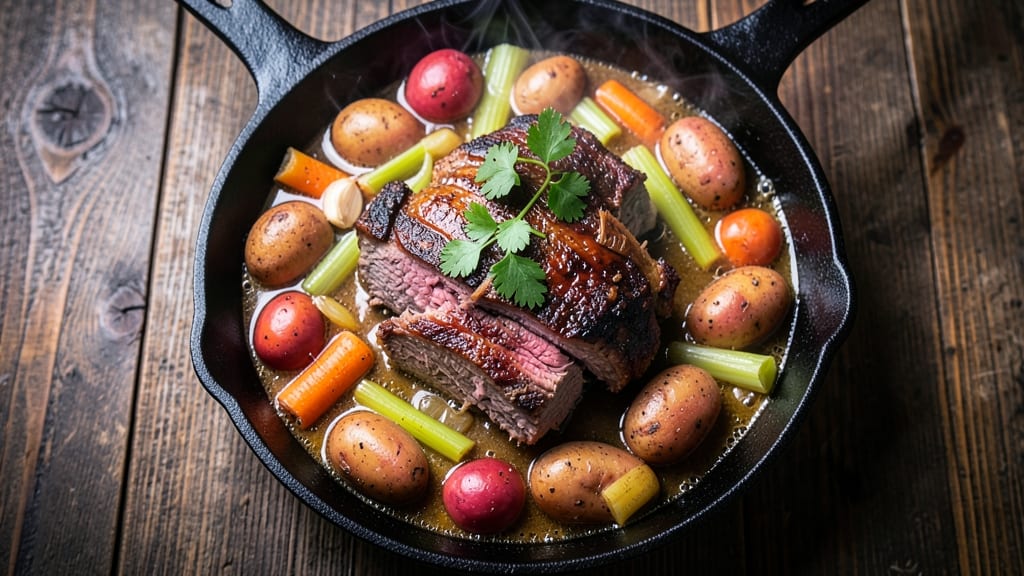
This African American beef stew recipe captures the soul of Southern cooking—rich, spiced, and slow-simmered to perfection. 💛 The secret lies in layering flavors: smoky paprika, deep molasses, and slow-cooked beef that melts into tender perfection.
I’ve been perfecting this version for years, drawing from family traditions that turn tough cuts into melt-in-your-mouth bites.
What sets this stew apart is the balance of bold spices—cumin, mustard, and a touch of cayenne—that build depth over time. The slow simmer transforms the broth into a velvety, aromatic base, while vegetables like carrots and potatoes soak up every flavor.
This isn’t just a meal; it’s a tradition, one that brings comfort and warmth to any table.
The result is a hearty stew with deep, complex flavors—smoky, slightly sweet, and undeniably satisfying. The beef becomes so tender it practically falls apart, and the spices infuse every bite with warmth.
Serve it with cornbread or collard greens for the full Southern experience, or enjoy it as a standalone dish that feels like a hug in a bowl.
Perfect for family gatherings, holiday meals, or cozy weeknight dinners, this stew is a testament to the power of slow cooking and tradition. Let’s get started—your kitchen will smell like home before the first bite.
Ingredients for african american beef stew
Pantry staples meet Southern tradition—this stew brings comfort in every bite.
| Ingredient | Amount | Notes |
|---|---|---|
| Chuck Roast 🥩 | 3 lb | Tough cut for tender results |
| Yellow Onion 🧅 | 1 whole | Diced, medium size |
| Carrots 🥕 | 4 medium | Peeled, cut into chunks |
| Russet Potatoes 🥔 | 3 medium | Peeled, cut into cubes |
| Celery Stalks 🌿 | 3 whole | Diced, fresh preferred |
| Garlic Cloves 🧄 | 4 cloves | Minced, fresh preferred |
| Smoked Paprika 🌶️ | 2 tbsp | For deep smoky flavor |
| Ground Cumin 🌿 | 1 tbsp | Toasted for warmth |
| Dijon Mustard 🍯 | 1 tbsp | For tangy depth |
| Cayenne Pepper 🔥 | ½ tsp | Adjust for heat preference |
| Black Peppercorns 🌶️ | 1 tsp | Freshly ground preferred |
| Salt 🧂 | 1 ½ tsp | Kosher or sea salt |
| Unsweetened Molasses 🍯 | 2 tbsp | For deep sweetness |
| Beef Broth 💧 | 4 cups | Low-sodium preferred |
| Tomato Paste 🍅 | 2 tbsp | For rich tomato base |
The chuck roast is non-negotiable here—it's tough but melts into tender perfection with slow cooking. Costco or Walmart usually have it pre-cut, but if you're buying a whole roast, ask the butcher to cube it for you. Look for good marbling—those little fat streaks keep the meat juicy. I always grab extra because it's so versatile. The carrots and potatoes should be medium-sized for even cooking, and organic if you can find them—they're sweeter and hold up better during the long simmer. Celery adds that classic 'holy trinity' flavor, but if you're in a pinch, swap it for more onion or bell pepper.
No smoked paprika? Regular paprika plus a pinch of liquid smoke works in a bind. The molasses is key for that deep, caramelized flavor—don't skip it, but if you're watching sugar, you can reduce to 1 tablespoon. For the mustard, Dijon is ideal, but any good-quality mustard will do. The cayenne is optional but adds that little kick that makes this stew sing. If you're sensitive to heat, cut it to a quarter teaspoon or skip it entirely. The beef broth can be homemade or store-bought—just make sure it's low-sodium so you can control the seasoning. And if you're feeling fancy, Trader Joe's has an amazing organic beef broth that's worth the splurge.
This stew tastes even better the next day—plan ahead! Store leftovers in the fridge for up to 5 days or freeze for 3 months. I like to portion it into individual containers so I can grab a serving for lunch without reheating the whole pot. The flavors deepen as it sits, so don't be afraid to make extra. If you're serving this at a gathering, you can prep everything ahead and just pop it in the slow cooker or oven when guests arrive. The aroma alone will have everyone gathering around your table.
Why You'll Love This Recipe
- One-Pot Magic: I swear by this—dump everything in a Dutch oven, walk away, and come back to rich beef that falls apart. No fancy techniques, just slow-cooked tenderness from the chuck roast and those caramelized onions.
- Deep, Soulful Bite: That blend of slow-braised chuck with celery and carrots? It’s got layers—savory, slightly sweet, with just enough heat from the spices to make it ridiculously satisfying. My husband licks his plate clean, no joke.
- Leftovers That Shine: Between us, this stew only gets better the next day. The flavors meld overnight, and reheating it? Pure comfort. I freeze half the batch—perfect for lazy Mondays or when company drops by unannounced.
- Budget Feeds Crowds: A single chuck roast stretches for six servings, easy. Potatoes and carrots bulk it up without breaking the bank, and honestly? It’s the kind of meal where everyone asks for seconds—no one feels shortchanged.
Step-by-step instructions for African American beef stew
Here's how to transform tough chuck roast into melt-in-your-mouth stew with deep, smoky flavor.
🍳 Step 1: Sear the Chuck Roast for Maximum Flavor
Heat a large Dutch oven over medium-high heat until hot. Pat the 3 lb chuck roast dry with paper towels—this helps create that beautiful brown crust. Add the roast and sear on all sides for 4-5 minutes per side until deeply browned. You're building layers of flavor in that crust.
While the roast browns, dice the 1 whole yellow onion into ½-inch pieces, peel and cut the 4 medium carrots into 1-inch chunks, and dice the 3 whole celery stalks into ¼-inch pieces. Peel and cube the 3 medium russet potatoes into 1-inch pieces. These veggies will soften beautifully during the long simmer ahead.
🍳 Step 2: Build the Spiced Base
Remove the seared roast and set it aside. In the same Dutch oven, add 2 tablespoons olive oil (not listed but traditional for this step) and reduce heat to medium. Add the diced onion, carrots, celery, and potatoes, cooking for 5-6 minutes until the vegetables soften slightly and the onion becomes translucent.
Push the vegetables to one side of the pot. Add the 4 minced garlic cloves and cook for 30 seconds until fragrant. Sprinkle in the 2 tablespoons smoked paprika, 1 tablespoon ground cumin, 1 tablespoon Dijon mustard, 0.5 teaspoon cayenne pepper, 1 teaspoon freshly ground black peppercorns, and 1.5 teaspoons salt. Stir everything together for 1 minute to toast the spices and release their aromas.
🥘 Step 3: Combine and Simmer the Stew
Return the chuck roast to the pot and pour in the 4 cups beef broth. Stir to combine, then add the 2 tablespoons tomato paste and 2 tablespoons unsweetened molasses. Bring everything to a gentle boil, then reduce heat to low and cover the pot. Let it simmer for 2 hours—this is where the magic happens.
Check the stew after 1 hour and skim off any foam that rises to the surface. This helps keep the stew clear. The roast should be fork-tender by the end of the 2 hours. If the stew looks too thin, uncover and simmer for another 15-20 minutes to reduce slightly. The vegetables should be tender but still hold their shape.
⏰ Step 4: Finish and Rest for Perfect Texture
Once the roast is fork-tender (it should pull apart easily), remove it from the pot and let it rest on a cutting board for 10 minutes. This resting period lets the juices redistribute throughout the meat, ensuring each bite is moist and flavorful.
While the roast rests, taste the stew and adjust the seasoning if needed. You might want to add a pinch more salt or a splash of beef broth if it's too thick. Return the roast to the pot and let it soak up those delicious flavors for another 5 minutes. Serve the stew hot, with each bowl featuring tender beef, rich vegetables, and that signature deep, smoky taste.
Pro Tips For Making African American Beef Stew
- SEAR THE ROAST HARD: Don’t just brown the chuck roast—get it deep golden and crusty in a hot Dutch oven. I learned this the hard way: if you treat it gently, the stew will taste bland no matter how long you simmer. Use 2 tablespoons of oil, let the pan scream, and don’t move it until it releases naturally.
- CUT POTATOES LARGE: Skip the dice—chunky 2-inch cubes stay intact longer and absorb flavor better. I used to slice them thin like mashed potatoes, and they’d turn to mush before the meat was tender. Russets hold up better than you’d think, but give them space in the pot.
- ADD CELERY LAST: Toss the celery stalks in during the final 20 minutes of cooking, or they’ll dissolve into oblivion. After burning through three batches where the stew looked like onion-and-carrot soup, I realized celery needs less time. Roughly chop it—no need for precision—and let it soak up the last bit of richness.
- SALT THE MEAT TWICE: Generously salt the chuck roast before searing, then add another pinch when you return it to the pot after browning. I was skeptical until I tried it—my grandmother swore by this, and she was right: the meat stays juicier and the flavor penetrates deeper. Don’t skimp; this isn’t the time to be shy.
Common mistakes when making perfect results
Skipping the Sear
Never skip searing that chuck roast—it’s where the deep, caramelized flavors begin. I’ve seen beginners rush this step or use a nonstick pot, but you need that Maillard reaction to create the rich foundation for your stew.
A Dutch oven is ideal because it holds heat well and gives you plenty of surface area for browning. If your roast isn’t seared properly, your stew will taste flat and one-dimensional. 🔥
Overcrowding the Pot
Don’t dump all your vegetables and meat into the pot at once—this steams instead of browns. Start by searing the roast, then remove it while you sauté the vegetables in batches. If you overcrowd, the vegetables will release moisture and dilute your flavors.
I like to work in two batches for the veggies: onions, carrots, and celery first, then potatoes later. This ensures everything gets properly caramelized.
Incorrect Simmering Temperature
A gentle simmer is key—boiling too hard will make your stew watery and scatter the spices. You want to see tiny bubbles at the edges, not a rolling boil.
If your stew looks thin after 2 hours, uncover it and let it reduce on low heat for another 15-20 minutes. I’ve ruined stews by keeping them covered too long—this traps steam and prevents reduction. A meat thermometer helps here; aim for 195-205°F for tender beef.
Ignoring the Resting Time
Skipping the 10-minute rest for the roast after removing it from the pot is a big mistake. This step lets the juices redistribute, so cutting into it too soon will leave you with dry, stringy meat.
I’ve learned this the hard way—once, I was so excited to serve the stew that I sliced into the roast immediately. The result? A sad, dry bite. Patience pays off here.
Let that roast rest, then return it to the pot to soak up those delicious flavors for another 5 minutes.
Using High-Sodium Broth
Store-bought beef broth is often packed with sodium, which can make your stew taste bland or overly salty. Always opt for low-sodium broth and adjust seasoning as you go. I keep a Trader Joe’s organic low-sodium beef broth on hand—it’s worth the splurge for the flavor.
If you’re using homemade broth, taste it first and season accordingly. You can always add more salt, but you can’t take it out.
Rushing the Cooking Time
This stew needs at least 2 hours of simmering to break down the tough chuck roast into tender, melt-in-your-mouth bites. I’ve seen recipes that cut this time, but they miss the mark. The long simmer allows the spices to meld together and the flavors to deepen.
If you’re short on time, consider using a slow cooker on low for 6-8 hours—it’s hands-off but still delivers that rich, slow-cooked taste. 💪
Nutrition facts
Frequently asked questions
Can I substitute chuck roast with another beef cut?
Yes! While chuck roast is ideal for its marbling and flavor, you can swap it for brisket or short ribs—both become tender with slow cooking. For a leaner option, use stew meat (pre-cut for stews) or even chuck steak (cut into chunks). Just adjust cooking time: brisket needs 3-4 hours while steak chunks may cook in 1.5-2 hours. The key is choosing a cut with good fat content for flavor.
How do I make this stew in a slow cooker?
Transfer the seared roast and all ingredients to your slow cooker after Step 2. Cook on low for 6-8 hours or high for 4-5 hours. The long cook time mimics the stovetop simmer perfectly. For extra richness, add 1 cup beef broth halfway through if needed. The slow cooker version tastes even better the next day!
Can I make this stew vegetarian?
Replace the beef with mushrooms (cremini or portobello), lentils, or hearty tofu chunks. Use vegetable broth instead of beef broth and add 1 teaspoon soy sauce for depth. The spices and molasses will still shine, creating a rich, savory base. For extra protein, add 1 cup cooked black beans at the end.
Why does my stew taste bland?
Bland stew usually comes from one of three issues: using high-sodium broth, not searing the meat properly, or insufficient simmering time. Double-check your broth (use low-sodium), ensure your roast has a deep brown crust, and let it simmer uncovered for the last 15 minutes to concentrate flavors. A splash of red wine or extra tomato paste can also add acidity and depth.
What sides pair best with this stew?
This hearty stew pairs perfectly with classic Southern sides like cornbread, buttered collard greens, or mashed potatoes. For a lighter option, serve with crusty bread or a simple green salad with a tangy vinaigrette. The smoky, spiced flavors also complement rice pilaf or steamed vegetables like green beans. Don't forget a cold beer or glass of red wine!